
The reclamation of the Lonely Mountain was more than a legendary feat of heroism; it was the most successful hostile takeover and asset recovery operation in the history of Middle-earth. When Thorin Oakenshield and his company of thirteen dwarves set out from Bag End, they weren’t just seeking a home—they were attempting to repossess a massive concentration of capital that had been stagnant for decades. Following the death of Smaug and the resolution of the Battle of the Five Armies, the economic landscape of the North underwent a radical transformation.
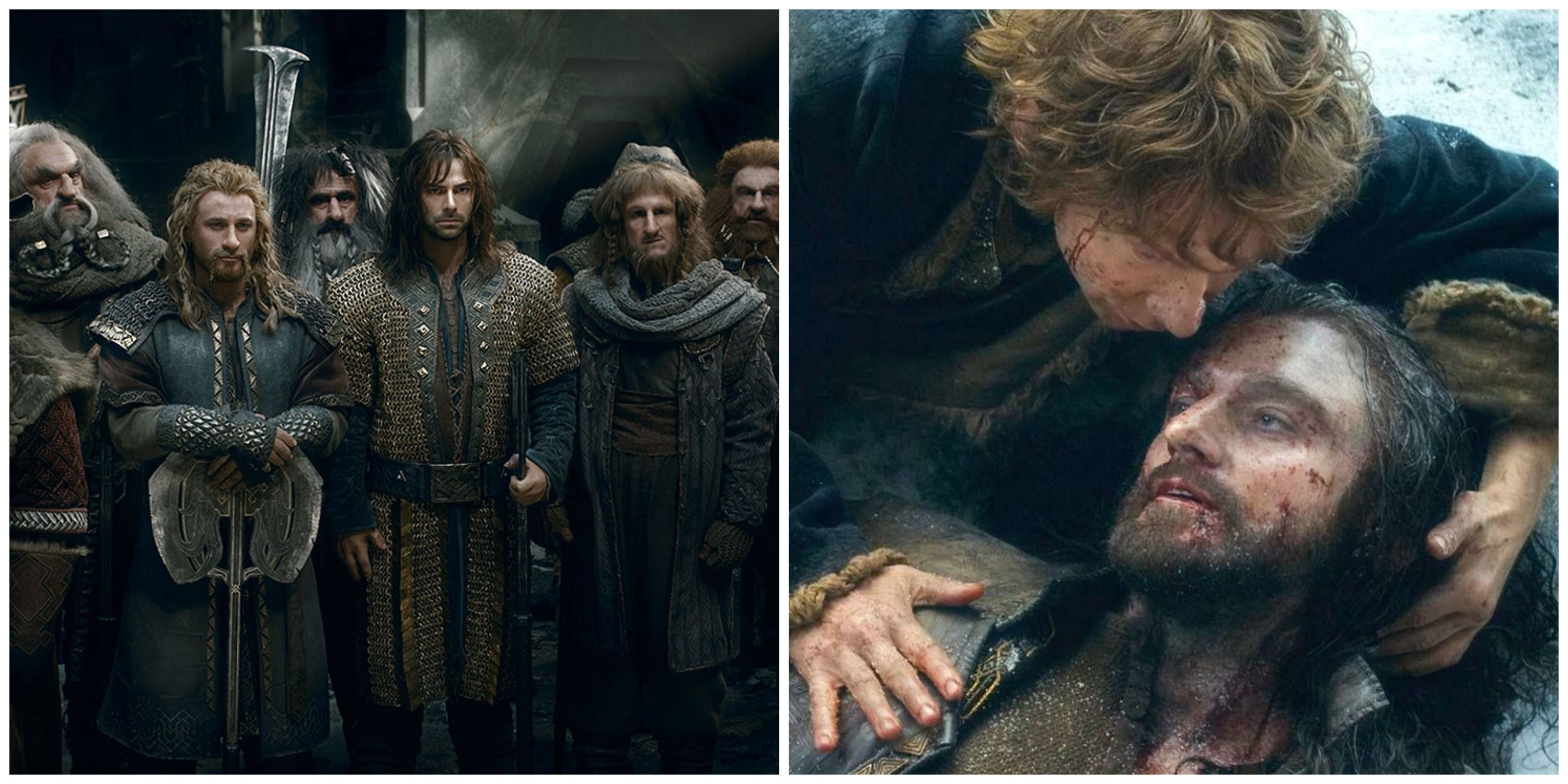
To understand what happened to the dwarves after The Hobbit, one must look past the songs and the mithril shirts and analyze the fiscal policies, trade agreements, and wealth management strategies that defined the Fourth Age of the Dwarven people.
Asset Recovery and the Re-establishment of the Central Bank of Erebor
The primary financial challenge facing Dáin II Ironfoot, who took the crown after Thorin’s death, was the sudden injection of massive liquidity into a shattered regional economy. The hoard of Smaug represented a “frozen asset” of such magnitude that its sudden circulation threatened to cause hyperinflation across the North.
The Distribution of the 1/14th Share
A critical component of the original contract signed by Bilbo Baggins was the 1/14th share of all profits. Following the battle, the distribution of this wealth was handled with surprising fiscal maturity. Bilbo famously waived most of his claim, accepting only two small chests of gold and silver. This “voluntary debt forgiveness” by a primary stakeholder allowed Dáin to reallocate those funds into infrastructure and defense. The remaining shares were utilized to settle the claims of the people of Lake-town (Esgaroth) and the Elves of Mirkwood, effectively serving as a massive post-war reparations package that stabilized regional currency.
Managing the Hyper-liquidity of Smaug’s Hoard
Dáin understood that dumping all the gold into the market at once would devalue the dwarven currency. Instead, the Kingdom Under the Mountain adopted a policy of controlled reinvestment. Much of the gold was kept as a reserve to back a new line of credit for the rebuilding of Dale. By acting as the de facto “Central Bank of the North,” the dwarves ensured that their neighbors were indebted to them, not just morally, but economically. This created a sphere of influence that protected the mountain far more effectively than any stone wall.
Rebuilding the Trade Corridors: The Economic Impact on Dale and Mirkwood
The return of the dwarves triggered an industrial revolution. Dwarven expertise in smithing and masonry created a high-demand export market. However, a kingdom cannot survive on gold alone; it requires supply chains.
Bilateral Trade Agreements and Post-War Reparations
The relationship between Erebor and the Kingdom of Dale (under King Bard) is a textbook example of a mutually beneficial bilateral trade agreement. Dale became the agricultural hub, providing the food supplies that the mountain could not produce, while Erebor provided the manufactured goods and precious metals. This “Gold-for-Grain” exchange allowed both civilizations to experience an unprecedented GDP growth rate. The dwarves also invested heavily in the reconstruction of Dale, viewing it as a “buffer state” that protected their primary trade entrance.

The “Long Lake” Logistics Network
To facilitate the movement of goods, the dwarves invested in the modernization of the logistics network centered around the Long Lake. They funded the dredging of the Celduin (the River Running) and the construction of reinforced stone piers. By streamlining the transport of heavy ores and finished armor, they reduced “shipping costs” and increased their competitive advantage over the craftsmanship of the Blue Mountains in the west. This logistics network eventually extended south toward Gondor, opening up lucrative long-distance trade routes that had been closed since the days of the dragons.
Diversification of Capital: The Colonization of Moria as a High-Risk Venture
With the wealth of Erebor secured, the dwarven “Board of Directors” began looking for opportunities to diversify their holdings. This led to one of the most significant, yet financially disastrous, venture capital projects in dwarven history: the expedition to Moria.
Balin’s Expedition: A Case Study in Failed Expansion
Balin, one of the original members of Thorin’s company, led a group to reclaim Khazad-dûm (Moria) roughly 48 years after the events of The Hobbit. From a financial perspective, this was a high-risk, high-reward expansion. Moria held the only known reserves of Mithril, a commodity with an almost infinite price ceiling. Balin’s venture was structured as a colonial startup, funded by the surplus wealth generated in Erebor. However, the expedition failed to account for “geopolitical risk”—specifically the presence of the Balrog and the entrenched Orc populations. The total loss of the expedition’s capital and personnel remains a sobering lesson in the dangers of over-leveraged expansion.
The Cost of Resource Depletion
The drive to reclaim Moria was partly fueled by the realization that while Erebor was rich in gold, it lacked the strategic depth of the ancestral home. The dwarves understood that relying on a single “revenue stream” (the Lonely Mountain) made them vulnerable to market shifts or external sieges. Though the Moria venture failed, it highlighted the dwarven commitment to aggressive growth and resource acquisition that persisted long after the dragon was gone.
Long-Term Fiscal Sustainability and the War of the Ring
By the time the War of the Ring began, Erebor had reached its economic peak. The kingdom had moved from a recovery phase into a period of sustainable long-term growth. This economic power was ultimately what allowed them to survive the resurgence of Sauron.
Defense Spending vs. Infrastructure Investment
In the decades leading up to the war, Dáin II diverted a significant portion of the mountain’s surplus into “Defense and Security.” This included the forging of high-grade mithril-alloyed armor and the construction of advanced fortifications. While this high level of defense spending initially slowed civilian infrastructure projects, it paid off during the Battle of Dale. The dwarves’ ability to fund a standing, well-equipped army meant they could withstand a prolonged siege that would have bankrupted a lesser kingdom.

The Legacy of Dwarven Financial Sovereignty
What happened to the dwarves after The Hobbit was the creation of a financial superpower. Following the destruction of the One Ring, the dwarves of Erebor were instrumental in the reconstruction of Minas Tirith. They didn’t just provide labor; they provided the capital and the materials, effectively becoming the primary contractors for the Reunited Kingdom’s restoration.
Gimli, son of Glóin, eventually led a group of dwarves south to establish a new colony in the Glittering Caves of Aglarond. This was a strategic move that expanded the dwarven economic footprint into the heart of Rohan and Gondor. By diversifying their locations and integrating their economy with the most powerful human kingdoms, the dwarves ensured their financial relevance well into the Fourth Age.
In conclusion, the story of the dwarves after their journey with Bilbo Baggins is a story of sophisticated wealth management. They successfully navigated the transition from a group of displaced refugees to the masters of a global trade empire. Through calculated reinvestment, strategic trade alliances, and a relentless pursuit of new resources, the Kingdom Under the Mountain became the cornerstone of Middle-earth’s post-war economy. Their gold didn’t just sit in a pile; it built the world that followed.
aViewFromTheCave is a participant in the Amazon Services LLC Associates Program, an affiliate advertising program designed to provide a means for sites to earn advertising fees by advertising and linking to Amazon.com. Amazon, the Amazon logo, AmazonSupply, and the AmazonSupply logo are trademarks of Amazon.com, Inc. or its affiliates. As an Amazon Associate we earn affiliate commissions from qualifying purchases.