
In the hyper-competitive landscape of modern sports, an athlete is no longer just a player; they are a multi-dimensional corporate entity. When the news broke regarding what happened to Ronald Acuña Jr.—a season-ending ACL injury in late May 2024—the implications reverberated far beyond the roster of the Atlanta Braves. From a brand management perspective, Acuña Jr. represents a premier case study in high-value personal branding. He is a talent whose marketability is built on “electric” performance, a unique cultural identity, and a record-breaking 40-70 season that established him as a global icon.
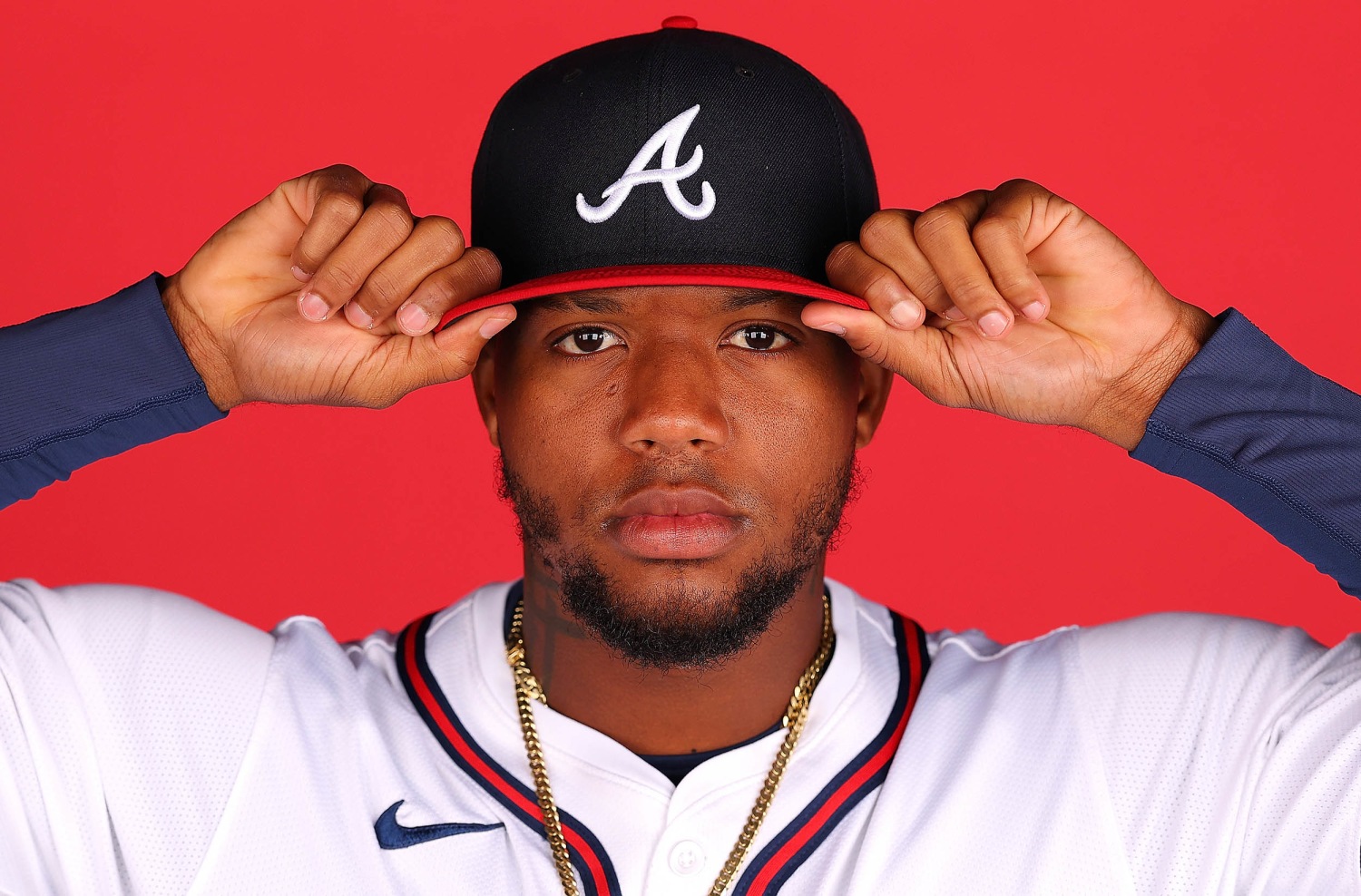
However, when a brand’s primary “product”—in this case, Acuña’s physical dominance—is suddenly taken off the shelves, the strategy must pivot. The story of Ronald Acuña Jr.’s injury is not merely a medical report; it is a critical juncture in brand equity management. This article explores how elite personal brands navigate catastrophic setbacks, maintain relevance during forced hiatuses, and architect the “comeback narrative” to increase long-term market value.
The Anatomy of an Elite Athlete Brand: Why Acuña Jr. Matters Beyond the Diamond
To understand the branding crisis precipitated by his injury, one must first analyze the components that make the Ronald Acuña Jr. brand so potent. In branding, consistency and “The X-Factor” are the twin pillars of success. Acuña Jr. didn’t just play baseball; he branded it with a specific flair that resonated with a younger, more diverse demographic.
The “La Bestia” Persona: Cultural Authenticity as a Marketable Asset
Acuña’s brand is rooted in authenticity. Known as “La Bestia” (The Beast), his persona is built on unbridled joy, high-energy celebrations, and a disregard for the “unwritten rules” of the game that often stifle personality. In personal branding, authenticity is the highest currency. By leaning into his Venezuelan roots and his flamboyant style of play, Acuña Jr. created a brand that felt organic rather than manufactured. This authenticity allowed him to secure major endorsements with companies like Nike and Gatorade, who were looking for a face that could bridge the gap between traditional sports and modern “hype” culture.
Bridging the Gap: How Acuña Jr. Appeals to a Global Demographic
The Ronald Acuña Jr. brand is a bridge. He serves as a vital link between the North American market and the burgeoning Latin American baseball audience. For Major League Baseball (MLB) as a corporate entity, Acuña is a key marketing tool to expand the sport’s reach. His brand identity—multilingual, stylish, and record-breaking—makes him a “lifestyle brand” as much as a sports brand. When the injury occurred, the “supply chain” of this lifestyle content was disrupted, forcing a total re-evaluation of how to keep his global audience engaged without active highlights.
Strategic Crisis Management: Protecting the Brand During Injury-Induced Absence
When a brand’s flagship product is unavailable, the risk of “brand decay” is high. In the digital age, out of sight often means out of mind. For Ronald Acuña Jr., the challenge shifted from “how do we market his home runs?” to “how do we maintain his brand equity while he is in a hospital bed?”
From Active Player to Passive Icon: Maintaining Social Media Traction
The first rule of brand crisis management is communication. In the wake of his ACL tear, Acuña’s team had to manage the narrative. Instead of retreating into privacy, a sophisticated personal brand uses the recovery period to build intimacy with the audience. By sharing glimpses of the rehabilitation process, the brand shifts from a “superhuman” persona to a “relatable human” persona. This shift is crucial for long-term brand loyalty. Fans who feel they are “on the journey” with the athlete during the low points are significantly more likely to support the brand during the highs.

Managing Sponsor Expectations: The Partnership Pivot
High-level endorsements are contracts of mutual benefit. When an athlete is sidelined, the brand manager’s job is to ensure that sponsors still see ROI (Return on Investment). This often involves a “partnership pivot.” Instead of commercials showing Acuña sprinting across the outfield, the content shifts to his mental toughness, his fashion sense, or his community involvement. Brands like New Balance or Oakley often sign long-term deals that account for these risks, focusing on the athlete’s story rather than just their stats. The goal is to ensure that the Ronald Acuña Jr. logo remains synonymous with “excellence,” even if that excellence is currently being applied to physical therapy rather than professional baseball.
The Comeback Architecture: Building the “Relatability” Factor
In the world of marketing, there is no narrative more powerful than the redemption arc. The injury to Ronald Acuña Jr. provides a structural opportunity to rebuild the brand with more depth. While his 2023 MVP season was about “perfection,” the 2024-2025 season will be about “resilience.”
Documenting the Struggle: Content Strategy During Rehabilitation
Modern branding thrives on “behind-the-scenes” (BTS) content. For Acuña, the recovery period is a goldmine for storytelling. By documenting the grueling hours of physical therapy, the mental toll of being away from the game, and the small victories of regaining mobility, his brand builds a narrative of grit. This makes the brand more “sticky.” Consumers—and by extension, fans—relate to struggle. By showing the “ugly” side of professional sports, Acuña Jr. is diversifying his brand image, moving from an untouchable star to a resilient protagonist.
The “Resilience” Hook: Selling the Return to Market
Marketing professionals often look for a “hook” to hang a campaign on. The return of Ronald Acuña Jr. will be one of the most anticipated events in sports. From a brand perspective, this is a “re-launch” phase. Just as Apple might tease a new iPhone for a year, Acuña’s team is essentially teasing “Acuña 2.0.” The marketing campaigns for his return will likely focus on the theme of “Unfinished Business.” This creates a sense of urgency and emotional investment among consumers, which can lead to record-breaking jersey sales, increased social media engagement, and new endorsement opportunities specifically centered around health, wellness, and recovery tech.
Long-Term Brand Valuation: Assessing the Risk of Physical Vulnerability
The most significant takeaway for brand strategists from the Acuña Jr. situation is the necessity of “brand diversification.” Relying solely on physical prowess is a high-risk strategy. To build a brand that lasts for decades—much like Michael Jordan or Derek Jeter—an athlete must create value that exists independently of their on-field performance.
Diversification of Assets: Moving Beyond Physical Performance
What happens to a brand when the “physical product” is permanently altered? While Acuña is expected to return to form, smart branding involves preparing for a “post-physical” career. This includes investments in business ventures, fashion lines, and digital media. Acuña has already begun this by engaging in high-end fashion shoots and lifestyle appearances. By cementing himself as a cultural tastemaker, he ensures that his brand maintains its valuation even if his stolen-base numbers were to decline. The goal is to make “Ronald Acuña Jr.” a household name that stands for a specific aesthetic and mindset, regardless of whether he is in a jersey or a suit.

Lessons for Modern Influencers and Executives
The Acuña case study offers valuable lessons for personal brands across all industries.
- Anticipate the Disruption: Every brand will face a “season-ending” moment. Building a “brand reserve” of goodwill and diverse content is essential.
- Narrative Control: Do not let the public define your setbacks. Control the story by being transparent about the struggle.
- The Value of the Pivot: When your primary USP (Unique Selling Proposition) is compromised, lean into your secondary values (personality, resilience, style).
In conclusion, while the question of “what happened to Ronald Acuña Jr.” has a simple medical answer, the brand implications are complex and ongoing. By navigating this injury with a strategic focus on narrative, authenticity, and diversification, Acuña Jr. isn’t just recovering; he is potentially increasing his lifetime brand value. The “La Bestia” brand is being stress-tested, and if history is any indication, the resulting “brand re-launch” will be a masterclass in how to turn a professional tragedy into a marketing triumph. The world isn’t just waiting for a baseball player to return; they are waiting for the next chapter of a powerful, global brand story.
aViewFromTheCave is a participant in the Amazon Services LLC Associates Program, an affiliate advertising program designed to provide a means for sites to earn advertising fees by advertising and linking to Amazon.com. Amazon, the Amazon logo, AmazonSupply, and the AmazonSupply logo are trademarks of Amazon.com, Inc. or its affiliates. As an Amazon Associate we earn affiliate commissions from qualifying purchases.