
For years, the “Millionaire Matchmaker” brand was synonymous with high-stakes romance, luxurious lifestyles, and the audacious personality of Patti Stanger. The Bravo reality show, which premiered in 2008, captivated audiences with its blend of aspirational wealth, dating drama, and Stanger’s no-holds-barred approach to finding love for her affluent clients. But like many reality television phenomena, the show eventually faded from primetime. So, what truly happened to Millionaire Matchmaker? This article will explore the show’s trajectory, its impact, and how the underlying themes of wealth, branding, and the evolution of connection in the digital age continue to resonate.
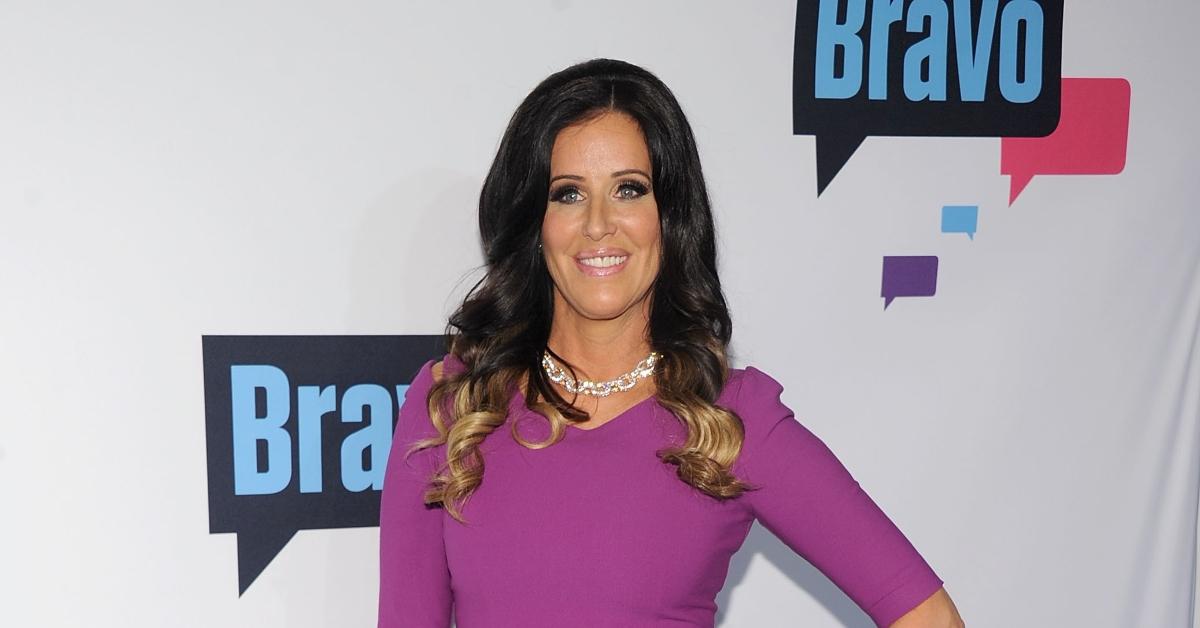
The Rise and Reign of Millionaire Matchmaker: A Brand Forged in Luxury and Love
“Millionaire Matchmaker” wasn’t just a television show; it was a carefully constructed brand that tapped into several compelling societal fascinations. At its core, it promised a solution to a seemingly insurmountable problem: how to find lasting love when you possess extraordinary wealth and, often, extraordinary demands.
Patti Stanger: The Architect of the Brand
The undisputed face of “Millionaire Matchmaker” was Patti Stanger. Her larger-than-life personality, sharp wit, and unwavering belief in her matchmaking abilities were the driving force behind the show’s success. Stanger, with her background in dating services, understood the psychology of high-net-worth individuals and the unique challenges they faced in the dating world. She positioned herself not just as a matchmaker, but as a guru, a confidante, and a coach, offering not only introductions but also comprehensive makeovers and dating advice.
Her brand was built on:
- Authority and Expertise: Stanger projected an image of unparalleled knowledge in the field of elite matchmaking. Her pronouncements were delivered with conviction, leaving little room for doubt in her clients’ minds.
- Aspirational Lifestyle: The show consistently showcased the opulent lives of both Stanger and her clients. From designer wardrobes and lavish homes to exclusive parties and exotic travel, “Millionaire Matchmaker” offered a glimpse into a world of privilege that viewers found both intriguing and aspirational. This played directly into the allure of wealth and the belief that money could, to some extent, buy happiness, or at least a better chance at it.
- Relatable Struggles (Beneath the Surface): Despite the immense wealth, the show often highlighted the universal human desire for connection and the frustrations of dating. This allowed viewers, even those far removed from the millionaire lifestyle, to empathize with the clients’ struggles.
The show’s format, featuring Stanger’s direct interventions, client consultations, and the actual dates themselves (often with dramatic twists), provided a compelling narrative arc that kept viewers engaged. It wasn’t just about the outcome; it was about the process, the personality clashes, and the inherent drama of trying to force a connection between two individuals, particularly those with high expectations.
The Power of Personal Branding in Matchmaking
Patti Stanger’s success was a masterclass in personal branding. She understood that in the service industry, particularly one as personal as matchmaking, the brand is the individual. Her name became synonymous with elite dating, and her image was carefully cultivated to reflect success, confidence, and a touch of glamour. This strong personal brand allowed her to:
- Attract High-Profile Clients: Wealthy individuals often seek discretion and a certain level of exclusivity in their personal lives. Stanger’s brand promised exactly that – a trusted service catering to their specific needs and status.
- Generate Media Attention: Her bold statements and the inherent drama of the show made “Millionaire Matchmaker” a tabloid favorite and a consistent presence in celebrity gossip circles. This publicity further cemented her brand and attracted a wider audience to the show.
- Expand the Business: Beyond the television show, Stanger leveraged her brand to build a larger matchmaking empire. This included a membership-based service, books, and other media ventures, demonstrating the power of a well-established personal brand to transcend a single platform.
The Evolution of Connection: How Tech and Shifting Trends Impacted the “Millionaire Matchmaker” Model
While “Millionaire Matchmaker” thrived in a specific era of reality television and dating culture, the landscape of connection has undergone a seismic shift, largely driven by technological advancements and evolving societal norms. This evolution likely contributed to the show’s eventual decline in popularity and the need to re-evaluate the traditional matchmaking model.
The Digital Dating Revolution
When “Millionaire Matchmaker” first aired, online dating was certainly prevalent, but it hadn’t yet become the dominant force it is today. Stanger’s approach was largely about curated introductions and in-person interventions, a stark contrast to the swipe-right culture that has since taken hold.
- Rise of Dating Apps: Apps like Tinder, Bumble, Hinge, and countless others have democratized dating. They offer a seemingly endless pool of potential partners, accessible at any time, from anywhere. This has made the idea of a traditional matchmaker, especially one catering to a niche market, seem less essential to many.
- Algorithm-Driven Matching: Modern dating apps utilize sophisticated algorithms to suggest matches based on user preferences, behavior, and even personality traits. While perhaps not as personal as a human matchmaker, these algorithms offer a data-driven approach that appeals to a generation comfortable with tech-enabled solutions.
- Shifting Expectations: The ease of access and the sheer volume of options in the digital dating world have also, paradoxically, led to increased pickiness and a potential decrease in commitment for some. This can make the “finding the one” narrative, even for the wealthy, more complex and less predictable than a reality show might suggest.
The Blurring Lines Between Personal and Professional Life

As technology has integrated itself more deeply into our lives, the distinction between our personal and professional identities has become increasingly blurred. This impacts how people approach relationships and how they perceive the value of professional matchmaking.
- Personal Branding as a Dating Tool: In today’s hyper-connected world, individuals are often encouraged to curate a strong personal brand for professional purposes. This same mindset can extend to their dating lives, where carefully crafted profiles and online personas become crucial. The idea of a matchmaker helping with this aspect is still relevant, but it’s now often integrated into a broader digital strategy.
- AI in Personal Development and Connection: The proliferation of AI tools extends beyond just dating apps. AI can assist with communication skills, profile optimization, and even analyzing personality traits for compatibility. This suggests a future where technology can augment, rather than entirely replace, human-led guidance in finding connection.
- Authenticity in the Digital Age: While technology offers unprecedented access, it also raises questions about authenticity. Stanger’s show, with its focus on curated experiences and genuine human interaction, offered a counterpoint to the often superficial nature of online dating. However, even in this realm, the need for genuine connection remains paramount, albeit expressed through different channels.
The Monetization of Romance: Business and Financial Models Behind Elite Dating
The “Millionaire Matchmaker” phenomenon wasn’t just about finding love; it was a sophisticated business operation built on the premise of leveraging wealth for romantic success. Understanding the financial underpinnings of this model offers insight into its appeal and its eventual challenges.
The Premium Pricing of Love
The core value proposition of “Millionaire Matchmaker” was exclusivity and efficacy for a high-paying clientele. This translated into a business model that relied on significant investment from both the clients and the production company.
- High Membership Fees: Stanger’s actual matchmaking service, separate from the TV show, was known for its hefty price tags. These fees reflected the perceived value of access to a curated network of eligible individuals and the personalized attention of a renowned matchmaker. For affluent individuals, the cost was often viewed as an investment in finding a life partner, a pursuit that could have significant financial and emotional returns.
- The “Return on Investment” Argument: The marketing and appeal of such services often hinge on the idea of a strong “return on investment.” For wealthy individuals, finding a compatible partner can have implications for financial planning, asset management, and future legacy. The perceived ability of a professional matchmaker to navigate these complexities and deliver a successful outcome justifies the high cost.
- Brand Extension and Revenue Streams: The television show itself was a powerful marketing tool, generating advertising revenue and driving interest in Stanger’s other ventures. This multi-faceted approach to revenue generation, from direct client fees to media production and endorsements, highlights the lucrative nature of catering to the elite in both romance and lifestyle.
The Financial Realities of Elite Matchmaking
While the glitz and glamour of “Millionaire Matchmaker” were a significant draw, the business of elite matchmaking faces inherent financial challenges and evolving market demands.
- Market Saturation and Competition: As the success of “Millionaire Matchmaker” demonstrated, there is a market for elite dating services. However, this has also led to increased competition, with numerous agencies and online platforms vying for the attention of affluent singles.
- The Challenge of Scalability: Traditional matchmaking is a labor-intensive and highly personalized service. Scaling such a business to meet a broader market demand while maintaining the same level of exclusivity and effectiveness is a significant hurdle. This is where technological solutions and AI become increasingly relevant.
- Shifting Definitions of “Millionaire” and “Success”: The definition of “wealth” and what constitutes a successful partnership can vary significantly. The original “Millionaire Matchmaker” model might have been too narrowly focused on extreme wealth, potentially overlooking a broader demographic of successful, affluent individuals seeking meaningful connections. Furthermore, societal shifts, such as increased female financial independence and diverse definitions of success, necessitate a more nuanced approach to elite matchmaking.
The Legacy of Millionaire Matchmaker in the Digital Age
While the cameras may have stopped rolling on “Millionaire Matchmaker,” its legacy continues to inform our understanding of dating, wealth, and the persistent human desire for connection. The show tapped into fundamental human needs and desires that remain relevant, even as the methods of fulfilling them evolve.
The Enduring Allure of Curated Connection
Despite the rise of algorithms and endless swiping, the appeal of a trusted intermediary who can understand individual needs and facilitate meaningful introductions persists. In an increasingly complex dating landscape, the idea of a seasoned expert guiding one’s search for a partner holds undeniable value.
- The Need for Human Touch: While technology can facilitate initial connections, the nuances of human chemistry, emotional intelligence, and compatibility often require a more human touch. Professional matchmakers, like Patti Stanger, provided this, offering insights and guidance that algorithms cannot replicate.
- Specialized Niches and Targeted Services: The “Millionaire Matchmaker” brand proved the viability of catering to specific demographics. Today, this has translated into a proliferation of niche dating platforms and services that cater to various interests, professions, religions, and lifestyles, all aiming to provide a more curated and relevant dating experience.
- The Reinvention of Matchmaking: The core principles of matchmaking – understanding individuals, identifying compatibility, and facilitating introductions – are being reimagined in the digital age. This includes AI-powered matching, personalized coaching services, and exclusive dating clubs that blend digital convenience with traditional matchmaking values.

Learning from the Brand: Lessons in Marketing and Personal Development
The “Millionaire Matchmaker” phenomenon offers valuable lessons for anyone looking to build a strong brand, whether in business or personal life.
- The Power of a Distinct Personality: Patti Stanger’s unshakeable confidence and distinctive persona were central to the show’s success. For individuals and brands, cultivating a clear, authentic, and memorable identity is crucial for standing out.
- Understanding Your Target Audience: The show’s creators had a deep understanding of the desires and anxieties of both their affluent clients and their viewing audience. This allowed them to create content that resonated, even if it was aspirational.
- The Intersection of Wealth and Relationships: “Millionaire Matchmaker” highlighted the intricate relationship between wealth and romantic fulfillment. While the show presented a simplified narrative, it brought to light the unique challenges and opportunities that arise when wealth is a significant factor in the dating equation. This remains a relevant topic for personal finance, relationship psychology, and even branding strategies in luxury markets.
In conclusion, while “Millionaire Matchmaker” as a television show may have concluded its run, the principles it embodied – the aspiration for love and connection, the power of a strong personal brand, and the complex interplay of wealth and relationships – continue to shape our understanding of how people find each other in an ever-evolving world. The show’s journey serves as a fascinating case study in the dynamics of media, business, and the enduring human quest for meaningful companionship.
aViewFromTheCave is a participant in the Amazon Services LLC Associates Program, an affiliate advertising program designed to provide a means for sites to earn advertising fees by advertising and linking to Amazon.com. Amazon, the Amazon logo, AmazonSupply, and the AmazonSupply logo are trademarks of Amazon.com, Inc. or its affiliates. As an Amazon Associate we earn affiliate commissions from qualifying purchases.