
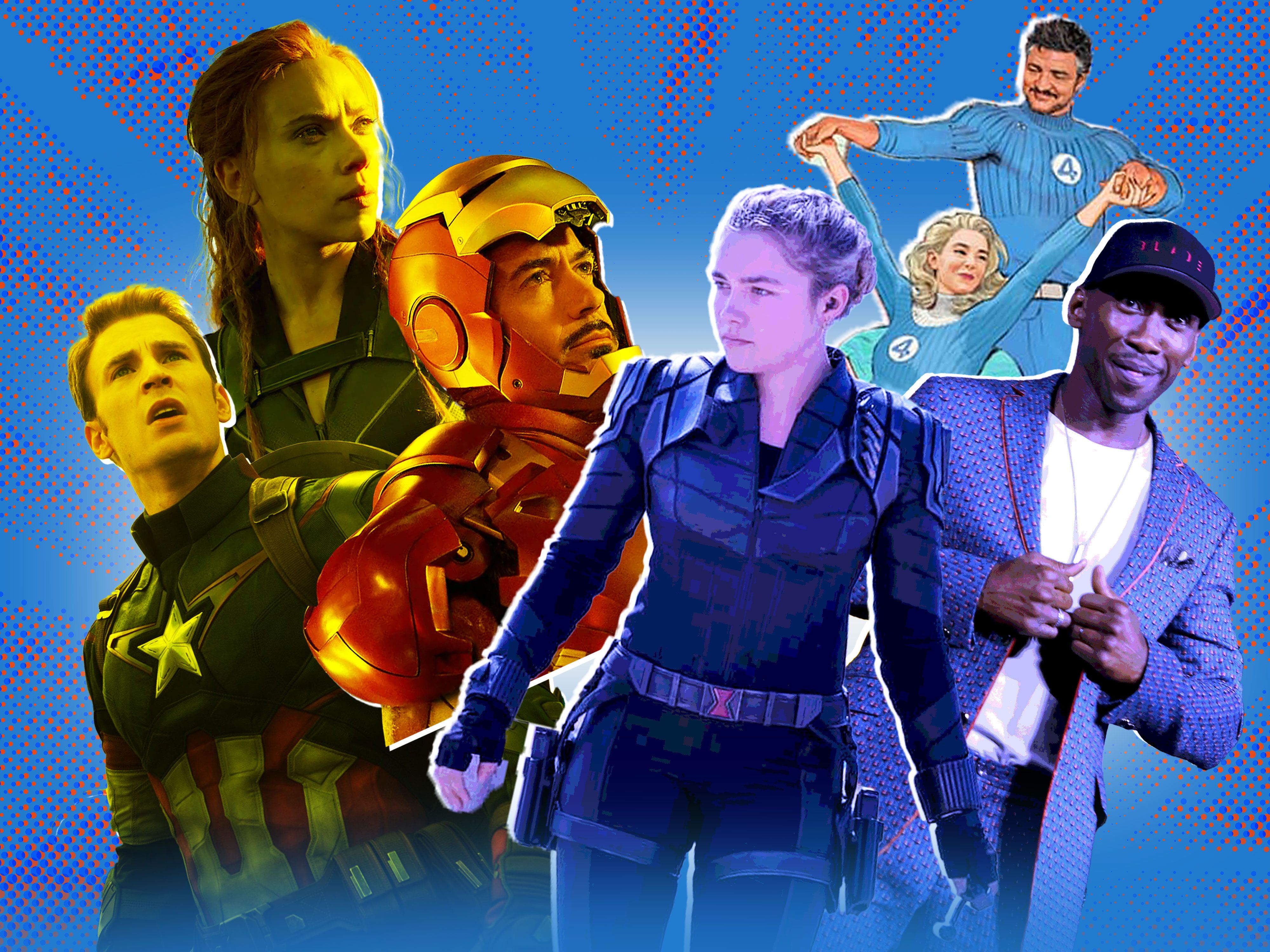
The iconic Marvel brand, once a titan of the entertainment industry, has recently found itself at a crossroads. Once synonymous with groundbreaking storytelling, beloved characters, and a seemingly invincible cinematic universe, whispers of a “what happened to Marvel?” echo through fan forums, financial reports, and industry analysis. While the brand still possesses immense power and recognition, a closer examination of its recent trajectory reveals a complex interplay of technological shifts, evolving brand strategies, and the ever-present influence of the financial landscape.
Marvel’s current situation isn’t a sudden implosion, but rather a gradual recalibration in the face of unprecedented industry changes. The digital revolution, the democratization of content creation, and a shifting consumer appetite have all played significant roles. To understand “what happened to Marvel,” we must delve into how these core pillars of modern business – Tech, Brand, and Money – have intersected with the once-unshakeable foundation of the Marvel universe.
The Evolving Technological Battlefield: From Blockbusters to Bite-Sized Content
The technological landscape has always been a crucial battleground for any entertainment entity, and Marvel is no exception. For years, their dominance was fueled by the sheer spectacle of their cinematic endeavors, made possible by advancements in visual effects (VFX) and immersive storytelling. However, the very technologies that propelled them to new heights are now also presenting new challenges.
The VFX Arms Race and the Strain on Production
The Marvel Cinematic Universe (MCU) set a new standard for blockbuster filmmaking, characterized by breathtaking CGI and intricately crafted digital worlds. This reliance on cutting-edge VFX, however, comes with a significant cost. The sheer volume of visual effects required for multiple interconnected films and streaming series annually has placed an immense strain on studios and vendors. Reports have emerged of overworked VFX artists, tight deadlines, and compromises in the final product, leading to a noticeable dip in quality for some recent projects.
This technological arms race, while essential for maintaining the Marvel aesthetic, has become an increasingly expensive and demanding undertaking. The expectation of constant, high-fidelity visual spectacle, a benchmark set by Marvel itself, is now a resource-intensive challenge. Furthermore, the rapid evolution of AI tools in VFX is a double-edged sword. While AI can potentially streamline certain processes and reduce costs, it also introduces new ethical considerations and requires significant investment in training and integration. Marvel, like many studios, is grappling with how to best leverage these emerging technologies without sacrificing creative integrity or overwhelming its existing infrastructure.
The Rise of Streaming and the Content Deluge
The advent of Disney+, Marvel’s own streaming platform, was a strategic move to directly engage with its massive fanbase and offer a consistent stream of content. While this platform has undoubtedly been a success in terms of subscriber numbers, it has also fundamentally altered the consumption habits of audiences. The era of waiting years for the next big MCU installment has been replaced by a demand for near-constant content.
This shift to a “content-first” streaming model has led to an unprecedented output of Marvel series and films. While this breadth of content is a boon for dedicated fans, it has also led to a dilution of impact for individual projects. The scarcity that once made each MCU release an event has diminished. Moreover, the pressure to produce a higher quantity of content has, in some instances, led to rushed narratives, underdeveloped characters, and a perceived decline in the overall quality of storytelling. The technological infrastructure required to deliver this constant stream of high-definition content to millions of global subscribers is also a significant operational cost, demanding robust server capabilities, efficient content delivery networks, and sophisticated digital rights management.
Digital Security and the Value of Intellectual Property
In the digital age, the protection of intellectual property is paramount. Marvel’s vast library of characters, stories, and film assets represents an incredibly valuable digital asset. The increasing sophistication of cyber threats, from data breaches that could expose unreleased scripts to piracy that undermines box office and streaming revenue, poses a constant challenge. Ensuring robust digital security measures across all their production, distribution, and consumer-facing platforms is not just a technical necessity but a crucial aspect of safeguarding their financial and brand equity. The potential for leaks, hacks, and unauthorized distribution of their content could have significant financial repercussions and damage the carefully curated brand image they have cultivated for decades.
Reassessing the Brand: From Unquestionable Authority to Relatable Narrative
Marvel’s brand was built on a foundation of aspirational heroism, relatable characters, and a cohesive, epic narrative arc. However, in the current media landscape, the definition of a strong brand is evolving, and Marvel is finding itself in a period of reassessment.
The Dilution of the “Marvel Way”
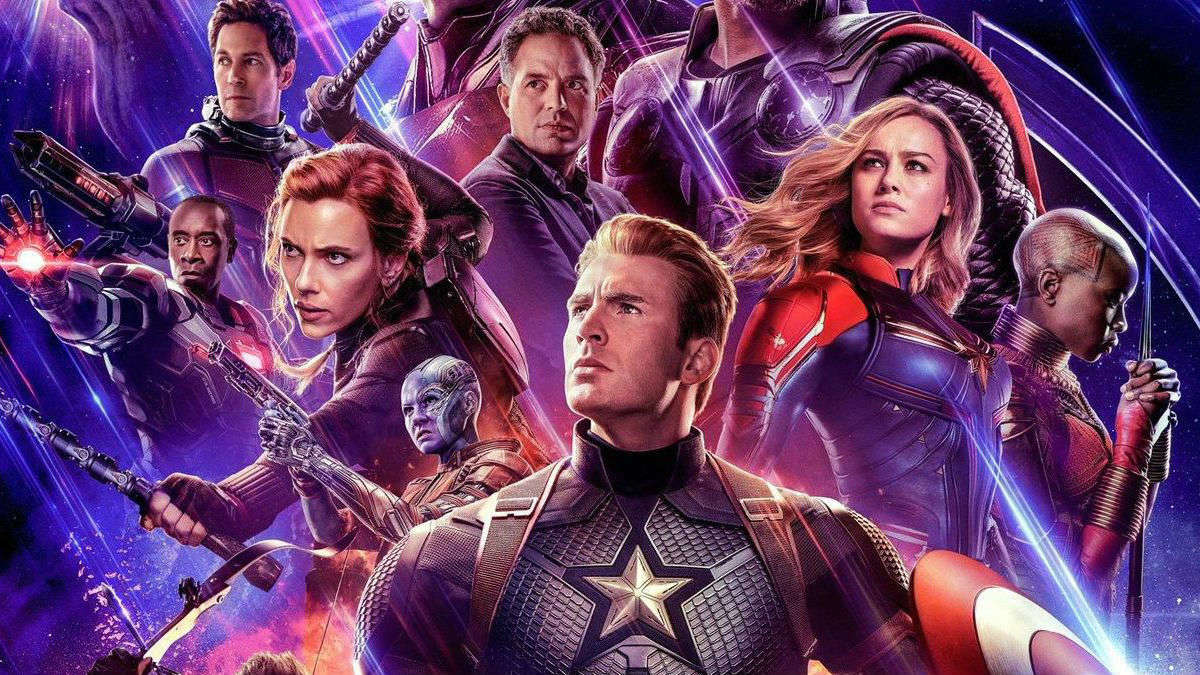
For a significant period, Marvel operated under what could be termed “the Marvel Way” – a consistent tone, character archetypes, and storytelling formulas that resonated deeply with audiences. This consistency, amplified by the interconnected nature of the MCU, fostered a powerful sense of brand loyalty and predictability. However, as the universe has expanded and the output has increased, the edges of this distinct brand identity have begun to blur.
The sheer volume of projects, coupled with creative shifts and the inclusion of new narrative voices, has led to a more diverse, and at times, less cohesive brand experience. While diversity and inclusivity are crucial and positive developments, their integration needs to be handled with a strategic approach that doesn’t alienate existing fanbases or dilute the core essence of what makes Marvel appealing. The challenge lies in evolving the brand to reflect contemporary values and audiences without losing the foundational elements that made it so successful in the first place. This requires careful consideration of corporate identity and how it is projected through diverse storytelling.
The Challenge of Personal Branding in a Corporate Machine
While Marvel is a corporate entity, its success has always been intrinsically linked to the personal brands of its creators and the appeal of its characters as almost independent entities. However, the increased focus on the overarching MCU and the collective brand has, at times, overshadowed individual creative voices. The departure of key figures who were instrumental in shaping the early success of the MCU has left a void that the brand is still navigating.
Furthermore, the rise of independent content creators and the direct engagement fans have with their favorite artists and writers online have shifted the power dynamic. Audiences are no longer solely reliant on the corporate machine for their dose of Marvel. They engage with fan art, fan fiction, and discussions with creators directly, forming personal connections that can sometimes supersede the official brand narrative. Marvel needs to find ways to nurture and integrate these passionate communities and creators within its broader brand strategy, rather than seeing them as competitors.
Reputation Management in the Age of Social Media Scrutiny
The internet, and particularly social media, has democratized criticism and amplified fan voices. This means that any misstep, perceived creative failure, or controversial decision is immediately subject to intense public scrutiny. Marvel’s reputation, once largely managed by traditional media, is now constantly being shaped by real-time online conversations.
The pressure to maintain a flawless reputation in this environment is immense. Negative reviews, fan backlash, and critical analyses can spread like wildfire, impacting public perception and, by extension, box office and streaming numbers. Effective reputation management for Marvel now involves not just producing quality content but also engaging in transparent communication, addressing concerns proactively, and fostering a positive online dialogue. Case studies of how other brands have navigated similar public relations challenges in the digital age offer valuable lessons for Marvel’s ongoing brand strategy.
The Financial Tightrope: Balancing Creative Ambition with Market Realities
Ultimately, the success or failure of any major brand hinges on its financial viability. Marvel, despite its creative successes, operates within a highly competitive and economically sensitive entertainment industry. The financial implications of its recent strategies are becoming increasingly apparent.
The Ballooning Costs of Content Creation and the ROI Question
The sheer scale of Marvel’s content production, particularly with its extensive slate of Disney+ series, has led to astronomical budgets. While the aim is to drive subscriber growth and engagement for Disney+, the return on investment (ROI) for each individual project is being closely scrutinized. When a film or series underperforms expectations, the financial impact can be significant.
The pressure to generate consistent revenue through box office receipts and streaming subscriptions means that creative risks are often balanced against the potential for commercial success. This can lead to a more formulaic approach, where studios prioritize what has worked in the past, potentially stifling innovation. Furthermore, the increasing cost of talent, marketing, and distribution means that every project needs to be a significant financial success to justify its existence. This financial pressure can inadvertently influence creative decisions, leading to a conservative approach that may not always align with the groundbreaking spirit of early Marvel.
Investing in the Future: The Shifting Landscape of Media Consumption
Marvel, as part of the Disney empire, is intrinsically linked to the broader financial strategies of the parent company. Disney’s massive investment in its streaming platform reflects a belief in the future of digital distribution. However, this shift away from traditional theatrical windows and physical media sales has fundamentally altered the revenue streams for film studios.
The success of Marvel’s content is now crucial for the financial health of Disney+. This means that the brand is under constant pressure to deliver content that not only entertains but also drives subscription numbers and retention. This financial imperative can influence the types of stories told, the characters prioritized, and the overall creative direction of the universe. Exploring new revenue streams, whether through merchandise, gaming, or theme park attractions, remains vital, but the core of their current financial strategy lies within the digital realm. The question of how to effectively monetize a vast intellectual property in a rapidly evolving digital economy is a central challenge.
The Challenge of Online Income and the Creator Economy
While Marvel itself is a monolithic entity, the broader entertainment ecosystem has been revolutionized by the rise of the creator economy and the potential for online income. Independent creators, fueled by platforms like YouTube and Patreon, are now able to build significant followings and generate revenue directly from their audiences, often bypassing traditional gatekeepers.
This democratization of content creation poses an interesting challenge for established brands like Marvel. While they have the advantage of established characters and massive IP, they also need to be aware of the agility and direct connection that independent creators have with their audiences. Understanding the dynamics of online income and how fans engage with content outside of traditional channels can provide valuable insights for Marvel’s own strategies, whether it’s in developing interactive experiences, fostering community engagement, or even exploring new avenues for content delivery that mimic the directness of the creator economy. This also extends to financial tools and platforms that fans might use to engage with Marvel-related content or even invest in related ventures.

Conclusion: A Brand in Transition
So, what happened to Marvel? The answer is not a singular event, but a multifaceted evolution driven by seismic shifts in technology, a reassessment of brand identity in a fragmented media landscape, and the ever-present realities of the financial world. Marvel’s reign as the undisputed king of superhero entertainment might be facing new challenges, but the brand is far from diminished. Instead, it’s in a period of transition, grappling with how to adapt its legendary storytelling prowess to a future that is faster, more interconnected, and more demanding than ever before. The ability of Marvel to navigate these technological, brand, and financial complexities will determine its future as a dominant force in global entertainment. The narrative is still being written, and the next chapter of the Marvel saga promises to be as compelling as any on the silver screen.
aViewFromTheCave is a participant in the Amazon Services LLC Associates Program, an affiliate advertising program designed to provide a means for sites to earn advertising fees by advertising and linking to Amazon.com. Amazon, the Amazon logo, AmazonSupply, and the AmazonSupply logo are trademarks of Amazon.com, Inc. or its affiliates. As an Amazon Associate we earn affiliate commissions from qualifying purchases.