
The tragic passing of Lisa “Left Eye” Lopes in April 2002 was a seismic event in the music industry. To the casual observer, it was the loss of a talented rapper and a member of the world’s most successful girl group, TLC. However, from a brand strategy perspective, what happened to Left Eye represents one of the most significant case studies in personal branding, visual identity, and the enduring power of a “rebel” archetype.
Lisa Lopes was not just a performer; she was the creative architect behind the TLC brand. When we ask “what happened” to Left Eye, we are not just looking at the timeline of her final days in Honduras; we are looking at the evolution of a brand that challenged the status quo of the 1990s and established a blueprint for modern celebrity marketing.
The Architecture of an Icon: Designing the ‘Left Eye’ Visual Identity
In the world of professional branding, consistency and distinctiveness are the dual pillars of success. Lisa Lopes understood this instinctively before the term “personal branding” was part of the common vernacular. She didn’t just join a group; she created a persona that was modular, scalable, and instantly recognizable.
Symbolism and Subversion
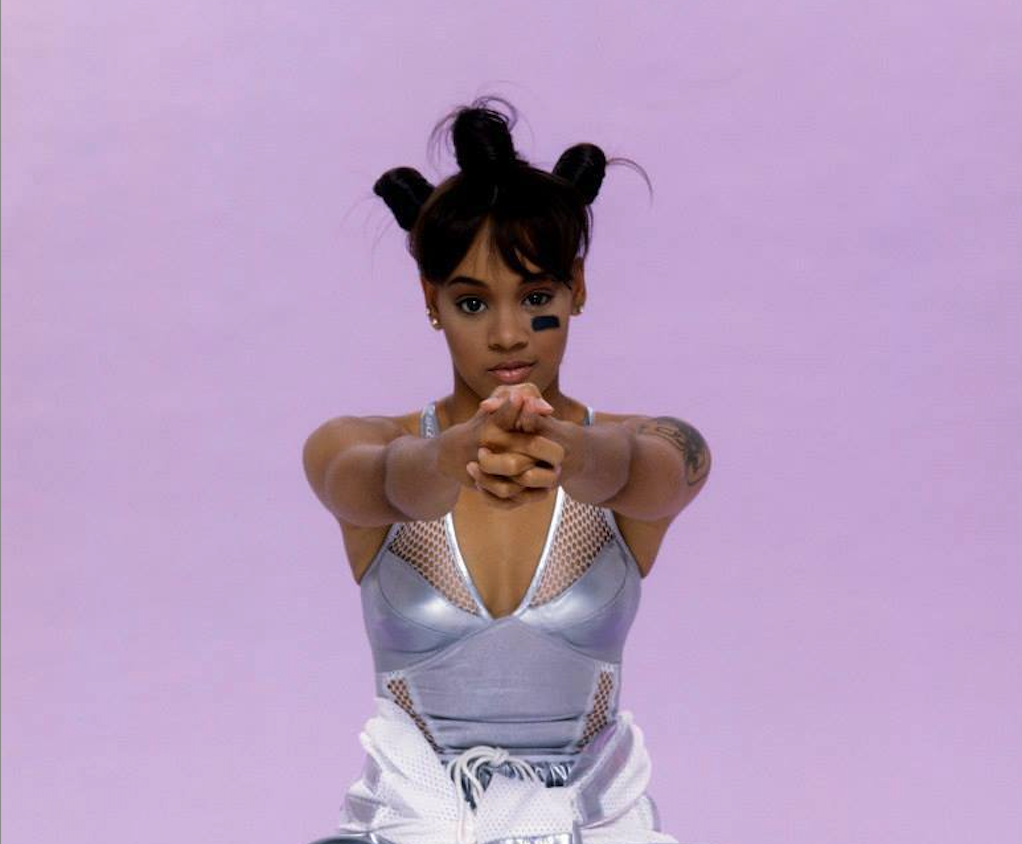
The “Left Eye” moniker itself was a masterstroke in naming. Born from a compliment she received about her left eye being particularly expressive, she leaned into the name by wearing a condom over her left spectacle lens during the Ooooooohhh… On the TLC Tip era. While this was a provocative social statement about safe sex, from a brand standpoint, it was a “disruptive visual.” It forced the viewer to engage with her identity immediately.
Later, this evolved into the iconic black stripe under her left eye. This became her “logo”—a simple, reproducible mark that fans could emulate. This level of visual shorthand is what modern brands strive for; it made her the “face” of the group’s rebellious spirit even when she wasn’t the lead vocalist.
Authenticity as a Brand Pillar
Left Eye’s brand was built on the pillar of radical authenticity. In an era where female pop stars were often curated by male executives to be “polished” and “palatable,” Lisa was intentionally jagged. She spoke openly about her struggles with alcoholism, her legal troubles (including the infamous fire), and her frustrations with the industry.
For a brand, vulnerability can be a high-risk, high-reward strategy. In Lisa’s case, it cultivated a deep-seated brand loyalty. Her “customers”—the fans—felt a sense of ownership over her journey because she refused to hide the “manufacturing defects” of her personal life.
Brand Synergy and the TLC Power Trio
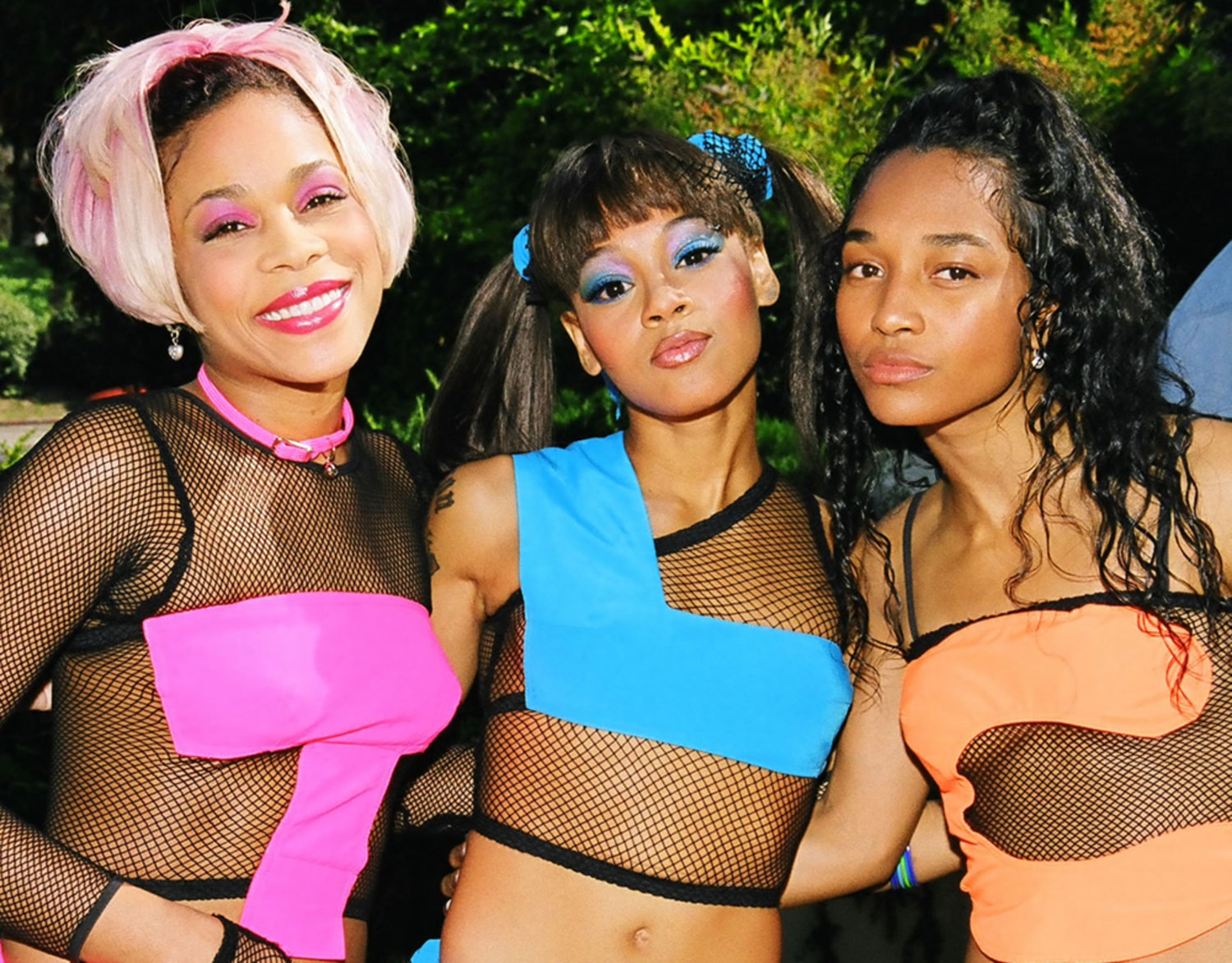
A successful corporate identity often relies on a “House of Brands” strategy, where individual components are strong enough to stand alone but work together to create a cohesive whole. TLC was the quintessential example of this. The brand was structured around three distinct archetypes: T-Boz (the “Cool/Deep” brand), Chilli (the “Sexy/Soft” brand), and Left Eye (the “Creative/Wild” brand).
Defining the Archetypes
The synergy between these three identities allowed TLC to capture a massive market share. They didn’t just appeal to one demographic; they had a “touchpoint” for every type of young woman. Lisa’s role as the “wild card” was essential for the brand’s edge. Without her, the group risked becoming a standard R&B act. With her, they were an avant-garde movement.
Lisa was the primary conceptualist for their music videos and stage costumes. She understood that for the TLC brand to survive the transition from the early 90s New Jack Swing to the late 90s futuristic pop, the visual language had to evolve. She pushed for the “cyber-glam” aesthetic of the FanMail era, which positioned the group as forward-thinking innovators.
Managing Conflict within a Corporate Identity
One of the most famous moments in music history was the 1995 Grammy press conference where TLC announced they were “broke” despite selling millions of albums. This was a moment of brand crisis management. By taking control of the narrative, they pivoted from being “victims of the industry” to “advocates for artist rights.”
Lisa was the catalyst for this transparency. While it created friction with their label, LaFace Records, it solidified the TLC brand as one of empowerment and resistance. They were no longer just entertainers; they were activists within their own business structure.
The Radical Transparency Phase: ‘The Last Days of Left Eye’
By the early 2000s, Lisa Lopes was seeking a brand “reset.” She felt the “Left Eye” persona had become a caricature that was increasingly difficult to maintain within the confines of the TLC structure. What happened in the final months of her life was a conscious effort at rebranding through spiritual exploration and documentary filmmaking.
Reclaiming the Narrative through Documentary
Lisa traveled to Honduras not just for a spiritual retreat, but to document her transformation. This was a proto-version of the “influencer” content we see today. She wanted to show the process of her evolution—a “Behind the Brand” look at Lisa Lopes the individual, rather than Left Eye the celebrity.
The footage captured during this time, later released as The Last Days of Left Eye, serves as a powerful piece of content marketing for her legacy. It showed a woman attempting to reconcile her public image with her private reality. From a brand perspective, this was an attempt to transition from a “performer brand” to a “lifestyle/wellness brand.”
Vulnerability as a Strategic Rebranding Tool
In Honduras, Lisa was documenting her use of herbal medicine, fasting, and meditation. Had she lived, it is highly likely she would have launched a secondary brand centered on holistic living. She was moving away from the “fire-starter” reputation and toward a “healer” archetype. This shift is a common trajectory for long-term brands—moving from the “disruptor” phase of youth to the “sage” phase of maturity.
The Legacy Brand: Posthumous Influence and Digital Immortality
The death of a brand’s founder often leads to a decline in brand equity. However, the “Left Eye” brand has remained remarkably resilient. This is due to the strong foundations Lisa laid during her decade of dominance.
How Her Brand Survived Beyond 2002
What happened to Left Eye after 2002 is a testament to the power of a “visual ghost.” Even in her absence, her influence is felt in the branding of modern artists like Rihanna, Nicki Minaj, and Megan Thee Stallion. These artists utilize the “rebel archetype” that Lisa perfected—the combination of high-fashion visuals, street-smart lyricism, and unapologetic personality.
TLC as a brand chose not to replace her. This was a crucial strategic decision. By leaving her spot “open” during live performances (often using a digital projection or a silhouette), the group preserved the integrity of the original brand architecture. They didn’t dilute the “Left Eye” value by trying to find a substitute; they turned her into a permanent, legendary fixture of the brand.

Lessons for Modern Influencers and Artists
For today’s digital entrepreneurs and creatives, the “Left Eye” story offers several key takeaways in brand management:
- Own Your Flaws: Lisa didn’t try to hide her mistakes; she integrated them into her story. This created a brand that was “un-cancelable” because it was already rooted in truth.
- Visual Consistency is Key: From the condom to the stripe to the futuristic outfits, she understood that a brand needs a “uniform” to become iconic.
- Innovate or Die: She was always the one pushing TLC toward the next sound and the next look. She understood that a brand that stands still eventually disappears.
- Diversify Your Identity: By the time of her passing, she was working on solo projects and mentoring new artists (like the group Blaque). She knew that the “TLC” brand was just one part of the “Lisa Lopes” ecosystem.
In conclusion, “what happened” to Left Eye from TLC was the tragic end of a physical life, but it was also the beginning of an eternal brand. Lisa Lopes was a visionary who understood the intersection of art, identity, and marketing. She didn’t just leave behind a catalog of hits; she left behind a masterclass in how to build a personal brand that is loud, authentic, and utterly unforgettable. Her eye remains on the prize of cultural relevance, even twenty years later.
aViewFromTheCave is a participant in the Amazon Services LLC Associates Program, an affiliate advertising program designed to provide a means for sites to earn advertising fees by advertising and linking to Amazon.com. Amazon, the Amazon logo, AmazonSupply, and the AmazonSupply logo are trademarks of Amazon.com, Inc. or its affiliates. As an Amazon Associate we earn affiliate commissions from qualifying purchases.