
The 1940s. The very mention of this decade conjures images of global conflict, resilience, and a fundamental reshaping of the world order. While the seismic events of World War II undoubtedly dominate the historical narrative, this transformative period also laid the groundwork for many of the technological advancements, brand evolutions, and financial shifts that continue to influence our lives today. Beyond the battlefield, the 1940s witnessed the nascent stages of revolutionary technologies, the strategic redefinition of brands, and profound changes in how individuals and nations managed their money.

The Shadow of War and its Technological Echoes
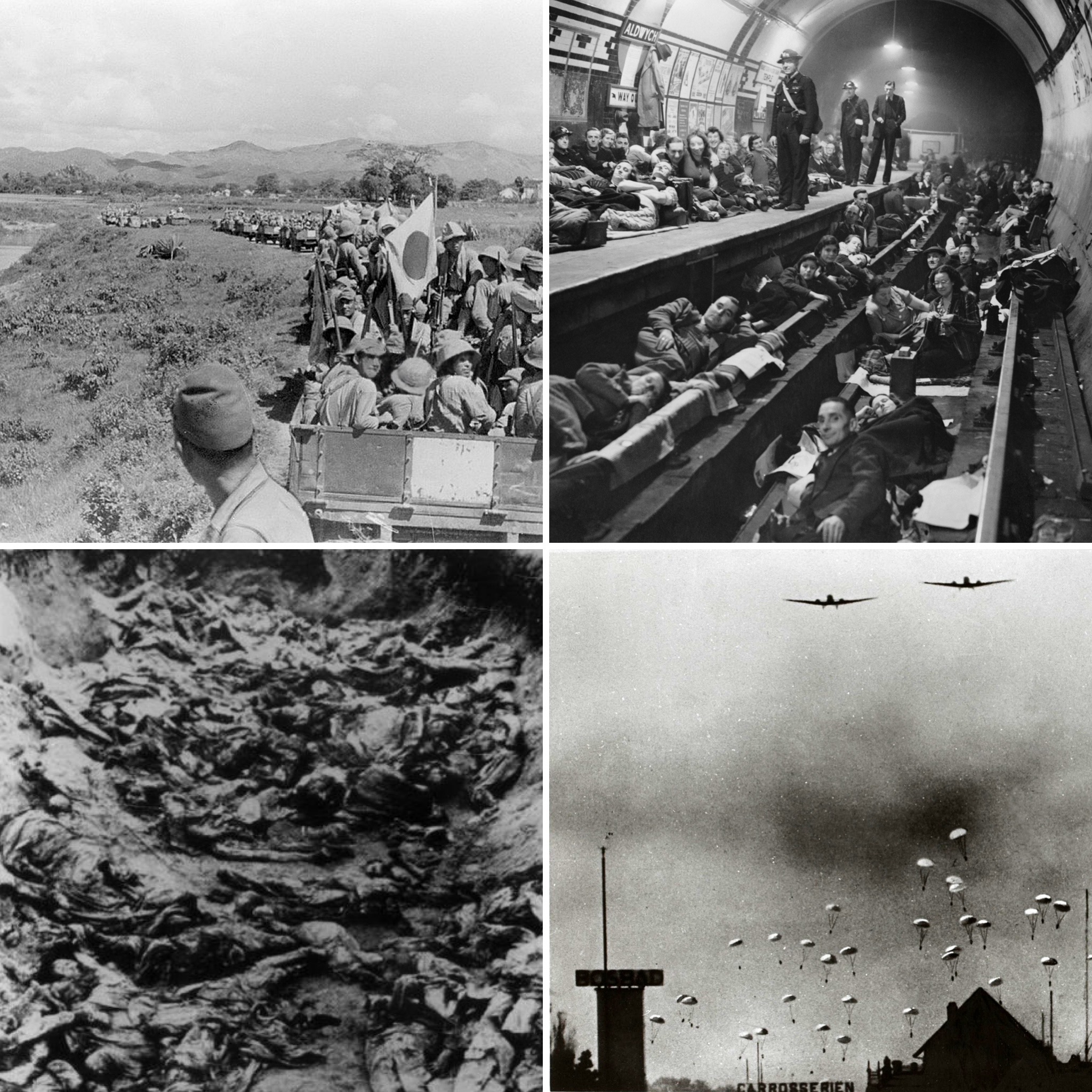
The most defining characteristic of the 1940s was, of course, World War II. This global conflagration, spanning from 1939 to 1945, was not merely a clash of armies but a relentless crucible for innovation, particularly in the realm of technology. The urgent demands of warfare accelerated research and development at an unprecedented pace, pushing the boundaries of what was previously considered possible. Many of the technological seeds sown during this era would bloom into the everyday tools and systems we now rely on.
The Dawn of the Digital Age: Computing and Communication
While not immediately apparent to the public, the 1940s marked the true genesis of the digital age. The development of early computers, though rudimentary by today’s standards, was a direct consequence of wartime needs. The Allied effort, in particular, saw significant investment in computing power. Projects like the Colossus computer in Britain, crucial for breaking German Enigma codes, and the ENIAC (Electronic Numerical Integrator and Computer) in the United States, designed for calculating artillery firing tables, represented monumental leaps forward. These were not the sleek, personal devices we know today; they were massive, room-sized machines, but their underlying principles of electronic computation and programmability were revolutionary.
The implications for software development, though nascent, were profound. Early programming was a painstaking process of physical rewiring and the creation of complex algorithms to solve specific problems. Yet, these early efforts established the fundamental concepts of logic, data processing, and algorithmic thinking that would form the bedrock of future software engineering. The need for efficient communication also spurred advancements. While radio communication was already established, the war saw significant improvements in its reliability and range, alongside the early exploration of radar and its applications, which would later find civilian uses in aviation and weather forecasting.
Furthermore, the war’s demands for rapid information dissemination and secure communication indirectly fueled the early explorations into digital security. The need to protect sensitive military data from enemy interception led to the development of sophisticated encryption techniques, laying the foundational principles for modern cybersecurity.
Gadgets of Necessity and the Seeds of Future Consumer Tech
The 1940s also saw the development and proliferation of various gadgets, primarily driven by military necessity. While not consumer-oriented at first, these inventions often found their way into civilian life post-war. Examples include advancements in radio technology, portable power sources, and early forms of optical equipment. The development of miniaturization techniques, albeit crude, in military electronics foreshadowed the trend towards smaller and more powerful devices that would define the latter half of the century.
The relentless pace of technological development during the war, coupled with the subsequent release of pent-up consumer demand after the war’s end, created a fertile ground for the explosion of consumer electronics in the decades that followed. The seeds of personal computing, digital entertainment, and connected devices were, in a very real sense, planted in the soil of wartime necessity during the 1940s.
Brands Under Pressure: Adapting and Evolving in Wartime
The 1940s presented a unique set of challenges and opportunities for brands. The global conflict disrupted supply chains, shifted consumer priorities, and forced companies to adapt their marketing and production strategies. This era was a masterclass in brand strategy and the importance of maintaining a connection with consumers, even amidst widespread hardship.
The Power of Patriotism and Purpose-Driven Marketing

During the war, many brands found new meaning by aligning themselves with the national war effort. Marketing campaigns shifted from purely commercial appeals to patriotic calls to action. Companies emphasized their contributions to the war, whether through manufacturing essential goods, supporting troops, or encouraging war bond purchases. This period saw the rise of purpose-driven marketing, where brands demonstrated their commitment to a cause larger than profit. This not only boosted morale but also fostered a sense of loyalty and goodwill that would last long after the war ended.
The concept of corporate identity also evolved. Companies had to present a unified and reassuring front to the public. This meant focusing on reliability, efficiency, and a commitment to the collective good. Advertising often featured themes of resilience, sacrifice, and the promise of a better future.
Case Studies in Resilience: From Production to Personal Branding
The war presented numerous case studies in business resilience. Companies that could pivot their production from consumer goods to war materials, and then back again, demonstrated remarkable adaptability. Iconic brands like Coca-Cola, which ensured its product was available to troops worldwide, understood the importance of maintaining brand presence and emotional connection even in the most challenging circumstances.
On a more individual level, the 1940s also saw the subtle beginnings of personal branding in the public sphere. Leaders, military figures, and even prominent journalists cultivated specific public personas that shaped public opinion and inspired confidence. While the term “personal branding” was not yet in vogue, the understanding of how individuals could project a consistent and compelling image was being shaped by the dynamics of wartime communication and public relations. The success of wartime leaders often relied on their ability to communicate effectively, inspire trust, and project an image of strength and resolve – all key elements of what we now understand as personal branding.
The Shifting Sands of Money: Wartime Finance and the Future of Personal Finance
The 1940s were a period of immense financial upheaval, driven by the enormous costs of the war. Government spending on an unprecedented scale, coupled with shifts in employment and consumer behavior, profoundly impacted both national and personal finances. This era laid some of the foundational stones for modern personal finance and the evolution of investing.
Wartime Economies: Taxation, Debt, and the Rise of Government Spending
The sheer scale of World War II necessitated massive government intervention in economies. Nations mobilized their resources, leading to soaring business finance expenditures and the implementation of stringent taxation policies. War bonds became a critical tool for financing the war effort, encouraging citizens to invest their savings in the government. This not only provided crucial funding but also instilled a sense of civic duty and shared responsibility.
The war also led to significant shifts in employment patterns. Women entered the workforce in unprecedented numbers to fill roles vacated by men serving in the military, impacting household incomes and spending habits. Rationing of goods became commonplace, influencing consumer choices and leading to the accumulation of savings for many who couldn’t purchase desired items. These wartime financial experiences, though born of necessity, provided a unique backdrop for understanding national economic levers and the importance of fiscal management.
The Seeds of Modern Investing and Online Income
While online income as we know it was decades away, the 1940s saw the early democratization of investing. The widespread purchase of war bonds, coupled with increasing post-war prosperity, contributed to a growing interest in saving and investing. The stock market, though impacted by the war, began to recover and grow, setting the stage for the post-war boom.
The development of financial tools, though primitive, was also influenced by the era’s focus on efficiency and data. The need to manage vast sums of money and track economic indicators likely spurred improvements in accounting and statistical analysis, which would later inform the development of sophisticated financial tools and investment platforms. The war also highlighted the importance of economic stability and the role of government in managing national finances, influencing the development of economic policies that would shape the post-war world.
The 1940s were a decade of profound paradox. While humanity grappled with the horrors of war, it simultaneously witnessed the birth of innovations that would redefine human progress. The technological leaps in computing and communication, the strategic adaptations of brands to a global crisis, and the fundamental shifts in financial landscapes all point to a decade that was not just about survival, but about laying the groundwork for the future. Understanding what happened in the 1940s provides invaluable context for the technological, branding, and financial realities we navigate today.
aViewFromTheCave is a participant in the Amazon Services LLC Associates Program, an affiliate advertising program designed to provide a means for sites to earn advertising fees by advertising and linking to Amazon.com. Amazon, the Amazon logo, AmazonSupply, and the AmazonSupply logo are trademarks of Amazon.com, Inc. or its affiliates. As an Amazon Associate we earn affiliate commissions from qualifying purchases.