
In the vast and ever-evolving universe of Pokémon, few titles hold as much nostalgic resonance and enduring appeal as Pokémon FireRed. For many, it represents a foundational experience, a gateway into the intricate world of Kanto, teeming with fascinating creatures, challenging trainers, and an unforgettable journey. When players or enthusiasts pose the question, “What generation is Fire Red?”, they’re often seeking more than a simple numerical answer. They’re implicitly inquiring about its place in the franchise’s lineage, its technological context, its impact on the Pokémon brand, and even its ongoing economic significance.
To answer directly: Pokémon FireRed is a Generation III game. However, this answer requires a crucial nuance. While FireRed was released during the third generation of Pokémon games (alongside Ruby and Sapphire), it is a direct remake of the original Pokémon Red Version, which belonged to Generation I. This dual identity – a Gen III game reimagining a Gen I classic – is precisely what makes FireRed a fascinating case study across the spectrum of technology, brand strategy, and economic impact. It’s a bridge between eras, showcasing how a beloved intellectual property can be revitalized, leveraging advancements in technology while reinforcing core brand values and generating substantial revenue.
A Deep Dive into FireRed’s Tech Legacy: Remaking a Classic
The journey from Pokémon Red to Pokémon FireRed is a testament to the rapid advancements in handheld gaming technology in the early 2000s. It wasn’t merely a graphical facelift; it represented a fundamental shift in what was possible on a portable device, laying groundwork for future iterations and illustrating core principles of software development and digital preservation.
The Technological Leap: From Game Boy to Game Boy Advance
The original Pokémon Red, released in Japan in 1996, pushed the monochrome limits of the original Game Boy. Its success was monumental despite the hardware constraints: a small, non-backlit screen, limited processing power, and rudimentary sound capabilities. Fast forward to 2004, and Pokémon FireRed arrived on the Game Boy Advance (GBA), a console that represented a significant technological leap.
The GBA boasted a much more powerful processor, a vibrant color screen (though still without a backlight in its initial model, leading to the SP revision), and vastly improved sound hardware. FireRed leveraged these enhancements spectacularly. Kanto’s familiar routes, towns, and dungeons were brought to life with richer palettes, detailed sprites, and more fluid animations. Pokémon battles felt more dynamic, with clearer attack animations and more expressive creature sprites. The game’s soundtrack, while retaining its iconic melodies, benefited from higher fidelity, adding depth and atmosphere to an already immersive experience.
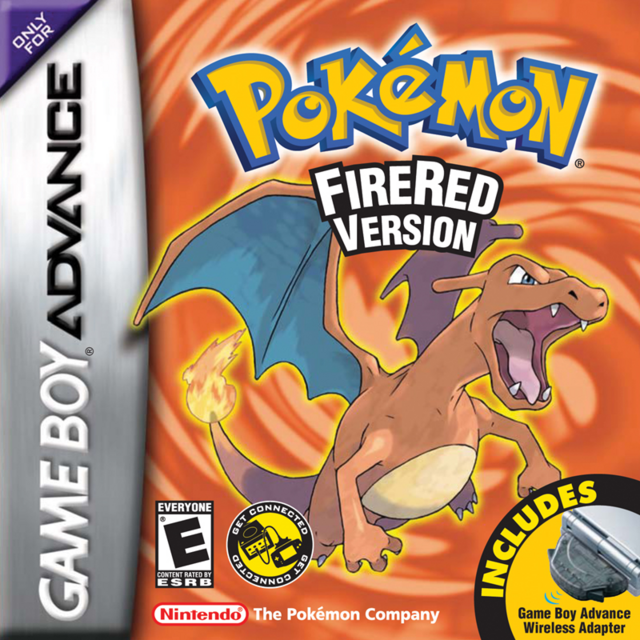
Beyond the visuals and audio, FireRed also introduced a significant technological innovation for its time: the Wireless Adapter. While a somewhat clunky peripheral, it allowed for local wireless trading and battling between GBA systems, a stark contrast to the original Game Boy’s physical link cable. This early foray into wireless connectivity in portable gaming hinted at the future of multiplayer experiences, foreshadowing features that would become standard on later consoles like the Nintendo DS and Switch. It demonstrated an early recognition of the importance of seamless, cable-free interaction, a foundational concept in today’s ubiquitous wireless tech.
Software Evolution and Game Design Principles
The development of FireRed wasn’t just about updating graphics; it involved a comprehensive overhaul of the underlying game engine and software architecture. Game Freak, the developers, didn’t simply port the original code; they rebuilt the game from the ground up using the Gen III engine previously established with Ruby and Sapphire. This allowed them to integrate numerous “Quality of Life” (QOL) improvements that had become standard in later generations.
Players could now run with “Running Shoes” from the start, traverse the map faster, and enjoy a more streamlined experience. Item management was improved, and the game incorporated the Pokémon Storage System from Gen II onwards, offering more robust organization than the original’s limited PC boxes. Battles benefited from updated mechanics, including Nature and Abilities for Pokémon, adding a layer of strategic depth that wasn’t present in Gen I. The game also included a post-game area, the Sevii Islands, which integrated new story elements and Pokémon from later generations, offering extended gameplay beyond the original’s scope.
This process of remaking a classic offers valuable lessons in modern software development. It highlights the challenges and benefits of refactoring legacy systems, adapting existing intellectual property to new technological paradigms, and iterating on successful design principles. FireRed‘s success demonstrated that balancing nostalgia with innovation, respecting the core experience while introducing meaningful enhancements, is crucial for revitalizing older software and keeping it relevant for a new generation of users. It’s a masterclass in how to manage technical debt while pushing forward.
The Digital Preservation Angle and Emulation
For many gamers today, access to FireRed and other classic titles comes through emulation. The ability to play these games on modern devices, whether PCs, smartphones, or other consoles, relies on sophisticated software technology designed to mimic the original hardware. Emulators are complex pieces of software that translate the GBA’s instructions into something a modern operating system can understand, allowing the game’s ROM (Read-Only Memory, the digital representation of the game cartridge) to run.
This aspect of FireRed‘s legacy connects directly to broader discussions in technology about digital preservation. As hardware ages and becomes obsolete, the software developed for it is at risk of being lost to time. Emulation and digital archives are vital tools for ensuring that cultural artifacts like video games remain accessible. The technology behind emulators involves intricate understanding of processor architecture, memory management, and graphics rendering, mirroring the challenges faced by developers of the original hardware. FireRed, as a widely emulated and enjoyed title, stands as a prime example of how technological solutions can bridge the gap between past and present, ensuring that iconic digital experiences continue to thrive.
The Brand Power of Pokémon: FireRed as a Case Study
Beyond its technical merits, Pokémon FireRed played a pivotal role in reinforcing the Pokémon brand’s global dominance. It was more than just a game; it was a strategic move that solidified brand loyalty, expanded its reach, and demonstrated the power of nostalgia in marketing.
Reinforcing a Global Phenomenon
Pokémon, as a brand, is a multi-billion dollar empire encompassing video games, anime, trading cards, merchandise, and more. FireRed arrived at a time when the franchise was already a global phenomenon, but it served to re-anchor the brand in its origins. By revisiting the iconic Kanto region and its original 151 Pokémon, FireRed tapped into a powerful wellspring of nostalgia for older fans who had grown up with Red and Blue. It reminded them why they fell in love with Pokémon in the first place, reinforcing their emotional connection to the brand.

Simultaneously, FireRed acted as an excellent entry point for new players. Its updated visuals and QOL improvements made it more accessible than the original, allowing a younger generation to experience the foundational story of Pokémon without the rough edges of retro gaming. This dual appeal – satisfying veterans and attracting newcomers – is a cornerstone of successful brand strategy, ensuring continuous engagement and growth across different demographics. The familiarity of Pikachu, the three starter Pokémon (Bulbasaur, Charmander, Squirtle), and the nefarious Team Rocket were all re-presented in a modern context, proving the timelessness of these brand assets.
Marketing and Design in a Remake Era
The marketing strategy for FireRed was a masterclass in leveraging a beloved brand. Nintendo and The Pokémon Company understood the power of the “remake” concept. Promotional materials highlighted the familiar elements (“Relive the original adventure!”) while showcasing the new features and improved graphics (“Now in full color!”). This messaging effectively communicated that players weren’t just getting the same old game; they were getting an enhanced, definitive version of a classic.
In terms of design, FireRed maintained the core aesthetic identity of Pokémon while evolving it. The character designs, world maps, and overall visual language were unmistakably Pokémon, ensuring brand consistency. The art style of the sprites and environment seamlessly integrated with the Gen III look established by Ruby and Sapphire, creating a unified experience across the generation. The packaging artwork prominently featured the titular FireRed Pokémon, Charizard (the original game’s mascot), signaling its connection to the franchise’s roots. This careful balance of honoring the past while embracing the present is a critical aspect of managing a long-standing brand and navigating the delicate art of reintroducing or “relaunching” a product. It showed that evolution doesn’t have to mean abandonment of core identity.
Building Community and Sustaining Engagement
From its inception, Pokémon games have been built around interaction: “Gotta Catch ‘Em All” inherently encourages trading with friends to complete the Pokédex. FireRed amplified this sense of community. The aforementioned Wireless Adapter, despite its limitations, made local multiplayer more convenient, fostering direct social interaction.
Beyond physical interaction, FireRed‘s release coincided with the burgeoning internet era, where online forums, fan sites, and strategy guides became popular. Players would share tips, discuss theories, and organize virtual trading sessions. This organic, user-driven content creation and community building around a shared passion for Pokémon is a powerful aspect of brand engagement. The brand provided the foundation, and the community built upon it, creating a vibrant ecosystem of knowledge sharing and social connection. This foreshadowed modern brand strategies that heavily rely on social media engagement, content creators, and fostering a sense of belonging among their audience. FireRed helped consolidate a passionate global fanbase that continues to drive the Pokémon brand’s success today, decades after its original inception.
FireRed’s Economic Impact: Money in the World of Pokémon
The success of Pokémon FireRed isn’t just a story of technological advancement and brand reinforcement; it’s also a significant chapter in the economic narrative of the video game industry. Its commercial performance, contribution to the retro gaming market, and influence on the burgeoning online content economy highlight its multifaceted financial impact.
Sales Figures and Market Dominance
Pokémon FireRed and its counterpart LeafGreen were a commercial triumph. They sold over 12 million units worldwide, making them among the best-selling Game Boy Advance games and some of the best-selling remakes in video game history. This success underscored the incredible profitability of well-executed remakes. By leveraging an existing, beloved IP, the development costs could be offset by guaranteed consumer demand, leading to impressive profit margins.
The revenue generated from FireRed/LeafGreen contributed significantly to Nintendo’s bottom line and the broader Pokémon franchise. It demonstrated that there was substantial financial incentive to revisit older titles, validating a business model that many publishers have since adopted. In an industry increasingly reliant on new intellectual property, FireRed proved that strategic re-releases could be equally, if not more, lucrative. Its sales figures are a testament to the power of a strong brand and a smart product strategy in achieving market dominance.
The Secondary Market and Collectibles
Even years after its initial release, Pokémon FireRed continues to have an economic impact through the secondary market. Original cartridges, especially those in good condition or factory sealed, can fetch significant prices from collectors. This phenomenon extends beyond the game itself to the Game Boy Advance console, official accessories like the Wireless Adapter, and other Pokémon-related merchandise from that era.
The “retro gaming” market is a booming niche, where nostalgia directly translates into monetary value. Enthusiasts and investors alike seek out these classic titles, viewing them as both playable artifacts and valuable collectibles. The Pokémon brand, with its vast array of products from cards to figures, has cultivated one of the most robust and financially significant secondary markets in entertainment. FireRed sits comfortably within this ecosystem, its value appreciating over time as a piece of gaming history. This aspect highlights how cultural capital – the collective emotional and historical value of an item – can directly translate into real-world financial assets, making physical games akin to investments for some.
Online Economies and Content Creation
In the modern digital landscape, Pokémon FireRed‘s economic influence has expanded into the online content creation sphere. Streamers on platforms like Twitch and YouTubers regularly play FireRed, creating “Let’s Plays,” speedruns, challenge runs (like Nuzlockes), and informational guides. These creators monetize their content through ad revenue, subscriptions, donations, and sponsorships, effectively turning their passion for FireRed into an online income stream or even a full-time business.
This phenomenon is a perfect example of the “creator economy” at play. Fans of FireRed are not just consumers; they are also producers of valuable content that drives engagement and revenue. The enduring popularity of the game ensures a consistent audience for such content, making it a reliable source for creators. Moreover, websites dedicated to Pokémon strategies, fan theories, and news also generate revenue through advertising and affiliate marketing, all fueled by the continued interest in games like FireRed. It underscores how classic digital products can fuel entirely new online economies and provide viable side hustles or career paths for a digitally savvy generation.

Conclusion
Pokémon FireRed is far more than just “a Generation III remake of a Generation I game.” It stands as a pivotal title that showcases the intricate interplay between technological progress, strategic brand management, and tangible economic impact. Its journey from a monochromatic handheld classic to a vibrant, enhanced GBA experience encapsulates an era of rapid technological change. As a brand vehicle, it masterfully leveraged nostalgia to reinforce its global dominance, attracting new fans while satisfying veterans. And from an economic perspective, its commercial success, enduring value in the secondary market, and role in fueling the creator economy underscore its significant and lasting financial footprint.
Ultimately, the question “What generation is Fire Red?” invites us to look beyond a simple categorization. It encourages an exploration of how a single video game can serve as a profound testament to innovation, the timeless appeal of well-crafted experiences, and the persistent power of a truly iconic brand across multiple dimensions of our digital and financial lives. FireRed‘s legacy reminds us that some adventures, much like certain technologies and brands, are truly timeless.
aViewFromTheCave is a participant in the Amazon Services LLC Associates Program, an affiliate advertising program designed to provide a means for sites to earn advertising fees by advertising and linking to Amazon.com. Amazon, the Amazon logo, AmazonSupply, and the AmazonSupply logo are trademarks of Amazon.com, Inc. or its affiliates. As an Amazon Associate we earn affiliate commissions from qualifying purchases.