
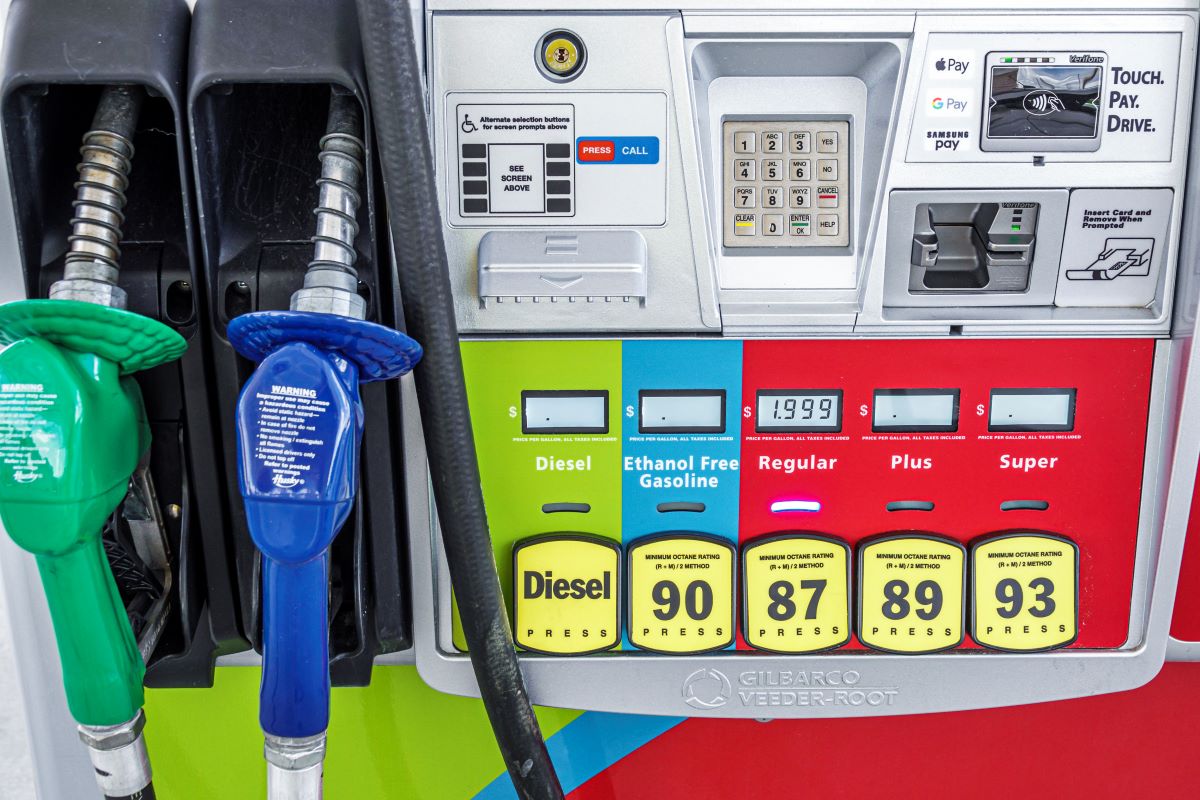
In a world increasingly focused on efficiency, longevity, and the subtle nuances of how we interact with our machines, the question of fuel quality has gained significant traction. While most drivers might grab the cheapest option at the pump without a second thought, a growing segment of car enthusiasts, classic car owners, and those with specialized equipment are seeking out a particular type of gasoline: ethanol-free gas. The simple query, “What gas station has ethanol-free gas?” opens up a rabbit hole of understanding why this seemingly niche fuel choice matters and how to access it in an era dominated by blended fuels.
The Allure of Ethanol-Free: Why the Hunt?
Ethanol, a biofuel derived from corn or other plant matter, has become a common additive in gasoline across many regions, particularly in the United States. Its incorporation is driven by a mix of environmental mandates, agricultural support, and a desire to boost octane ratings. However, this widespread adoption hasn’t been without its critics and consequences. For many, the quest for ethanol-free gas stems from a desire to protect their vehicles and equipment, optimize performance, and reduce potential long-term damage.
The Technological Advantages for Your Machine
From a technological standpoint, ethanol’s properties can be both beneficial and detrimental. As an oxygenate, it can help gasoline burn more completely, theoretically reducing certain emissions. However, its hygroscopic nature—meaning it attracts and absorbs water—is a primary concern for many. Water contamination in fuel systems can lead to corrosion, especially in older or more sensitive components. This is a significant issue for:
- Classic Cars: Many older vehicles, particularly those manufactured before the widespread adoption of ethanol blends, were not designed to withstand its corrosive properties. Rubber and plastic components in fuel lines, seals, and carburetors can degrade over time when exposed to ethanol, leading to leaks, fuel system failures, and expensive repairs.
- Powersports Equipment: Motorcycles, ATVs, jet skis, and other recreational vehicles often sit idle for extended periods. Ethanol-blended fuel can attract moisture during these periods, leading to fuel system corrosion and gumming up carburetors. Ethanol-free gas is often preferred for its stability and lower tendency to absorb water, ensuring these machines are ready to go when needed.
- Lawn and Garden Equipment: Similar to powersports vehicles, lawnmowers, chainsaws, leaf blowers, and other small engines can suffer from ethanol-related issues. Clogged fuel lines, damaged carburetors, and reduced engine life are common complaints when using ethanol-blended fuels in these engines, especially if they are not used frequently.
Beyond corrosion, ethanol has a lower energy density than pure gasoline. This means that for the same volume, ethanol-blended fuel contains less energy. While the difference might be imperceptible to the average driver in a modern, flex-fuel-capable vehicle, it can translate to slightly reduced fuel economy and a marginal decrease in power for those who prioritize maximum efficiency and performance. For performance enthusiasts, especially those running finely tuned engines or seeking to extract every ounce of power, the purity of ethanol-free gas is often a non-negotiable aspect of their build.
Understanding Fuel Brands and Their Offerings
The landscape of fuel providers is diverse, ranging from major multinational oil companies to independent brands and regional chains. While most major brands offer standard gasoline blends containing ethanol (often labeled as E10, meaning 10% ethanol), a select few have recognized the demand for ethanol-free options and cater to this market.
- Major Oil Brands: Identifying which major brands consistently offer ethanol-free gas can be challenging as their product lines can vary significantly by region and even by individual station. For instance, a brand might offer ethanol-free gasoline at some locations within a state but not others. Their primary focus is often on meeting broad market demand, which heavily favors E10 and higher blends.
- Independent and Regional Brands: This is where you are most likely to find ethanol-free gas consistently. Many independent gas stations and smaller regional chains have built a reputation for catering to specific customer needs, including the demand for pure gasoline. These stations often market their ethanol-free offerings prominently, understanding its value proposition.
- Specialty Fuel Retailers: A niche within the market exists for retailers that exclusively or primarily sell ethanol-free gasoline. These might be small, family-owned businesses or specialized distributors that understand the technological benefits and cater to a dedicated customer base.
The Financial Implications: Beyond the Pump Price
While the direct cost of ethanol-free gas might sometimes be slightly higher than its blended counterpart, the long-term financial implications can be considerably more favorable.
- Reduced Maintenance Costs: By preventing fuel system corrosion and degradation, ethanol-free gas can significantly reduce the need for costly repairs. For owners of classic cars or sensitive equipment, the expense of replacing fuel lines, rebuilding carburetors, or repairing fuel pumps can far outweigh any perceived savings from cheaper, blended fuel.
- Extended Equipment Lifespan: Investing in ethanol-free gas can contribute to the longevity of your vehicles and equipment. This means you can enjoy your classic car for longer, your powersports toys will be more reliable, and your lawn equipment will serve you season after season with fewer breakdowns.
- Optimized Performance and Fuel Economy: While harder to quantify in precise dollar amounts, the slightly better fuel economy and optimal engine performance that ethanol-free gas can provide contribute to a more efficient and cost-effective ownership experience in the long run.
Navigating the Market: Where to Find Ethanol-Free Gas
The search for ethanol-free gas can feel like a treasure hunt, but with the right tools and knowledge, it becomes a manageable endeavor. The primary challenge lies in the fact that fuel offerings can vary significantly by location.

Digital Tools and Resources
Fortunately, in the age of interconnectedness, technology offers powerful solutions for locating niche products and services. The same tech trends that influence software development and AI tools are being leveraged to help consumers find ethanol-free gas.
- Dedicated Apps and Websites: Several online resources have emerged specifically to map out gas stations offering ethanol-free fuel. These platforms rely on crowdsourced data and user submissions, making them dynamic and constantly updated. Some popular examples include “Pure-Gas.org” and various state-specific or regional ethanol-free gas finder websites. These tools often allow users to search by zip code, city, or state, providing a list of nearby stations along with their addresses, operating hours, and sometimes even confirmation of the octane rating.
- Search Engine Optimization and Local Listings: While not as specialized, using targeted search queries on platforms like Google can also yield results. Searching for “ethanol free gas near me” or “[your city/state] ethanol free gas station” will often bring up local listings and reviews that might indicate the availability of pure gasoline. Pay attention to the business descriptions and customer comments, as these can sometimes offer clues.
- Brand-Specific Locators (with caution): Some major fuel brands offer station locators on their websites or through their mobile apps. While these are primarily designed to find the closest station for regular fuel, it’s worth exploring if there are any filters or options that might indicate the availability of specific fuel types. However, be prepared that these are often less reliable for niche products like ethanol-free gas.
The Role of Personal Branding and Community
Beyond digital tools, word-of-mouth and community knowledge play a crucial role, particularly within enthusiast circles.
- Car Clubs and Forums: If you’re a classic car owner, a motorcycle enthusiast, or involved in any hobby that benefits from ethanol-free gas, connecting with local clubs and online forums is invaluable. Members often share their favorite stations and reliable sources, providing a trusted network of information.
- Local Mechanics and Specialists: Trusted mechanics, especially those specializing in classic cars, older engines, or specific types of equipment, are often a wealth of knowledge regarding local fuel availability. They understand the importance of ethanol-free gas for their clients’ vehicles and can often point you in the right direction.
- Social Media and Local Groups: Local community Facebook groups, Nextdoor, or other social media platforms can also be surprisingly effective. Posting a question about ethanol-free gas availability can often elicit quick and helpful responses from community members who know the local landscape.
Making the Switch: Considerations and Best Practices
Once you’ve identified potential sources for ethanol-free gas, there are a few best practices to consider to ensure a smooth transition and ongoing supply.
Verifying the Fuel
While many stations that advertise ethanol-free gas are reputable, it’s always a good idea to confirm.
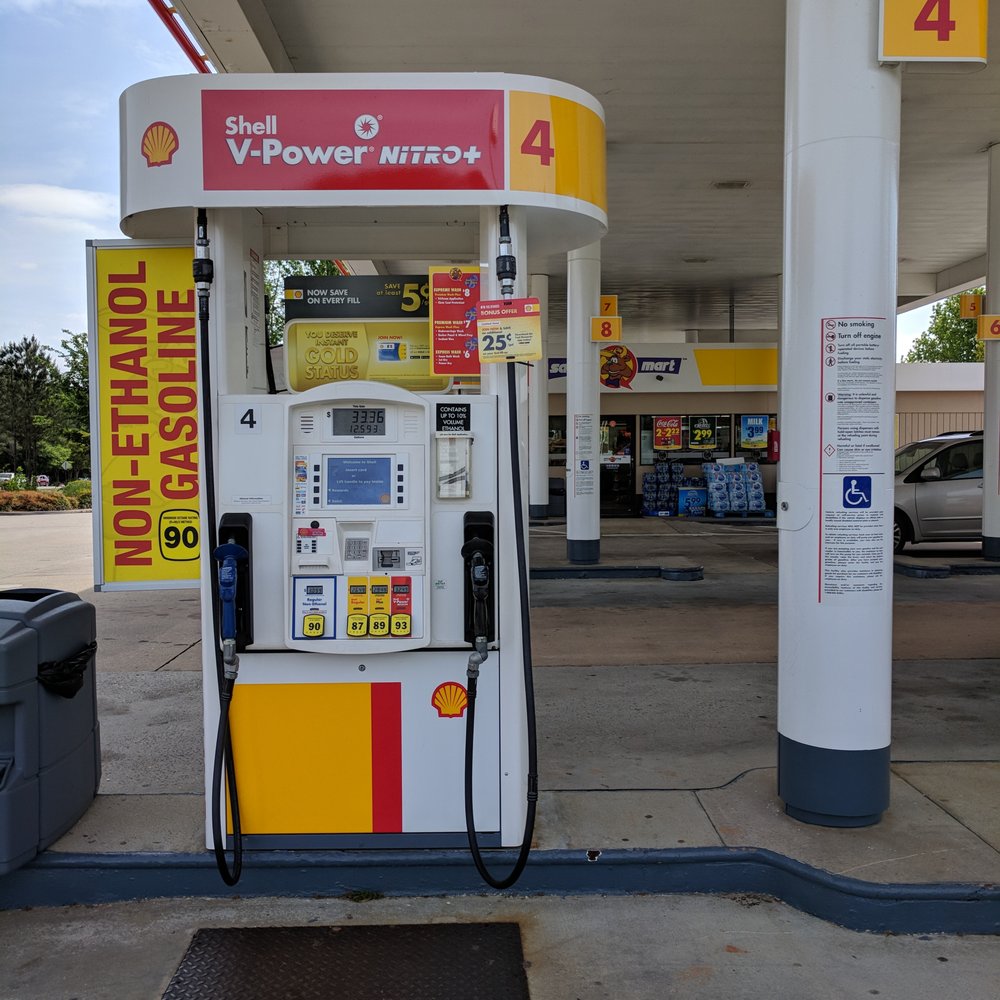
- Look for Clear Labeling: Reputable stations will clearly label their ethanol-free gasoline pumps, often with signage that explicitly states “Ethanol-Free” or “Pure Gasoline.” They may also list the octane rating.
- Ask Station Attendants: If you’re unsure, don’t hesitate to ask the gas station attendant. They should be knowledgeable about the fuels they offer.
- Trust Your Senses (with caution): In some cases, the smell of pure gasoline can be distinct from ethanol-blended fuel, but this is not a definitive test and relies on prior experience.
Strategic Planning and Purchasing
Given that ethanol-free gas is less common, planning your fuel stops becomes more important.
- Plan Your Routes: If you know you’ll need ethanol-free gas, plan your routes to incorporate stations that offer it. This might involve a slight detour but is often worth the peace of mind.
- Fill Up Strategically: For vehicles that are particularly sensitive, consider filling up with ethanol-free gas before extended storage periods or before embarking on long trips where refueling options might be scarce.
- Consider Bulk Purchase Options: For those who use significant amounts of ethanol-free gas, such as classic car restorers or small business owners with fleets of equipment, exploring bulk purchase options from fuel distributors might be a more cost-effective and convenient solution.
Embracing the Trend Towards Quality
The growing interest in ethanol-free gas is not just a fad; it reflects a broader trend in how consumers are engaging with their technology. Just as we seek out premium software, well-designed brands, and smart financial tools, we are increasingly looking for quality and longevity in the fuel that powers our vehicles and equipment. By understanding the benefits, utilizing available resources, and making informed choices, you can ensure your machines run cleaner, last longer, and perform at their best. The answer to “What gas station has ethanol-free gas?” is out there, and the effort to find it is an investment in the health and longevity of your most prized possessions.
aViewFromTheCave is a participant in the Amazon Services LLC Associates Program, an affiliate advertising program designed to provide a means for sites to earn advertising fees by advertising and linking to Amazon.com. Amazon, the Amazon logo, AmazonSupply, and the AmazonSupply logo are trademarks of Amazon.com, Inc. or its affiliates. As an Amazon Associate we earn affiliate commissions from qualifying purchases.