
The burgeoning legal cannabis industry, while offering a new frontier for consumers and entrepreneurs alike, comes with a unique set of regulations. One of the most fundamental and consistently applied rules is the verification of age. This means that when you step into a dispensary, whether for recreational or medical purposes, you’ll invariably be asked for identification. But what exactly constitutes acceptable identification? This isn’t just a minor bureaucratic hurdle; it’s a critical component of responsible sales, consumer protection, and adherence to the law. Understanding the nuances of accepted ID forms can save you time, prevent frustration, and ensure a smooth purchasing experience.

This guide delves into the world of dispensary identification requirements, drawing parallels to broader themes of technology, brand trust, and financial transactions. Just as a secure digital platform requires robust authentication and a well-defined brand needs a consistent identity, the cannabis industry relies on verifiable ID to build trust and maintain legal compliance.
The Pillars of Dispensary ID: Verifiable and Official
At its core, the requirement for identification at dispensaries is about confirming two crucial pieces of information: your identity and your age. This isn’t about collecting personal data for marketing purposes, but rather a strictly enforced legal mandate to prevent sales to minors. Therefore, the forms of identification accepted are generally those that are officially issued, difficult to counterfeit, and contain essential identifying features.
Dispensaries are operating under stringent government oversight, and their compliance is regularly audited. This means they cannot simply accept any document presented. The accepted forms of ID are typically government-issued documents that bear your photograph, your date of birth, and a unique identifying number.
1. Government-Issued Photo Identification: The Gold Standard
This category represents the most universally accepted forms of ID at dispensaries. These documents are issued by a recognized governmental authority and serve as the primary proof of who you are.
Driver’s Licenses: The Most Common Choice
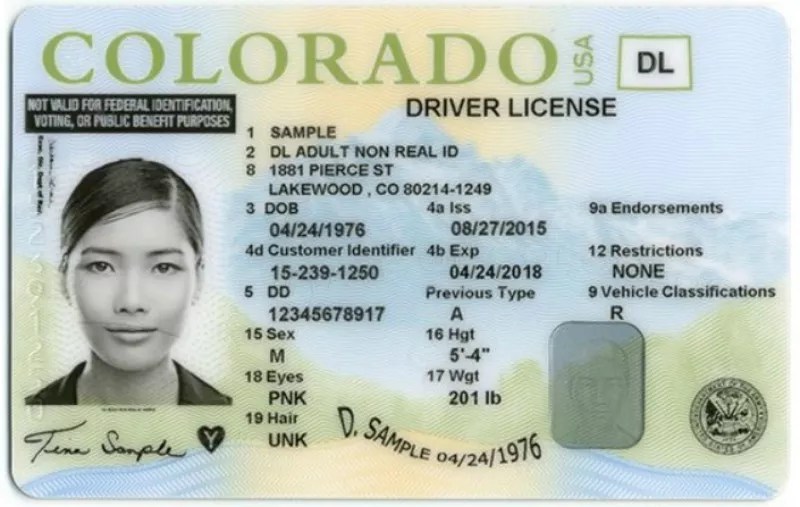
Your driver’s license is almost always the go-to form of identification for dispensaries. Issued by your state’s Department of Motor Vehicles (or equivalent), it contains all the necessary information:
- Your Photograph: This is crucial for visual verification.
- Your Full Name: Matches your purchase information.
- Your Date of Birth: Confirms you meet the minimum age requirement (typically 21 for recreational, 18 with a medical recommendation).
- Your Address: While not always the primary focus for dispensaries, it’s a standard feature.
- Unique Identification Number: Tracks the document and its issuer.
Key Considerations for Driver’s Licenses:
- State-Issued: Licenses from your current state of residence are generally preferred and most easily verified. However, most dispensaries will accept valid, unexpired driver’s licenses from any U.S. state.
- Expiration Date: This is paramount. An expired driver’s license, even if it’s your primary identification for other purposes, will almost certainly be rejected by a dispensary. The validity of the ID is critical for compliance.
- Condition of the ID: While minor wear and tear is usually acceptable, a license that is significantly damaged, altered, or illegible might be questioned.
State-Issued Identification Cards: The Non-Driver Alternative
For individuals who do not drive or possess a driver’s license, most states offer non-driver identification cards. These are issued by the same state agencies that issue driver’s licenses and serve the same purpose of verifying identity and age. They contain the same essential elements: a photograph, name, date of birth, and a unique identification number.
When might a non-driver ID be particularly relevant?
- Younger Adults: Individuals who are under the legal driving age but over the legal cannabis purchasing age might rely on these.
- Seniors or Those Who Don’t Drive: A convenient and official way to prove identity and age.
Similar to driver’s licenses, these cards must be valid, unexpired, and in good condition.
Passports: A Global Standard
U.S. passports are widely accepted as a form of identification at dispensaries. They are issued by the U.S. Department of State and are considered highly secure and reliable.
- Global Recognition: Passports are recognized internationally and are designed with advanced security features.
- Key Information: They contain a photograph, full name, date of birth, and a unique passport number.
Important Notes on Passports:
- Current and Valid: Like other forms of ID, passports must be unexpired.
- Potential for International Visitors: For tourists or individuals visiting from other countries, a valid passport is often the only form of official identification they may have.
2. Medical Marijuana Patient Identification Cards: For Specialized Access
If you are seeking to purchase cannabis for medical reasons in a state with a legal medical marijuana program, you will need a specific type of identification: a Medical Marijuana Patient Identification Card.
- State-Issued: These cards are issued by the state’s health department or a designated regulatory body.
- Requires a Doctor’s Recommendation: To obtain one, you must have a qualifying medical condition and a recommendation from a licensed physician.
- Specific to Medical Use: This card grants access to dispensaries for the purchase of medical cannabis, often with different product selections and potentially lower taxes compared to recreational sales.
Crucial Aspects of Medical Patient ID Cards:
- Reciprocity: It’s important to note that medical marijuana patient cards are generally not recognized for recreational purchases. Reciprocity between states for medical marijuana can also be complex and vary by location. Always check the specific regulations of the state you are in.
- Expiration and Renewal: These cards have expiration dates and require periodic renewal, often involving re-certification from a physician.
Beyond the Basics: What About Other Forms of ID?
While the above categories cover the most common and universally accepted forms of identification, it’s natural to wonder about other documents you might possess. The general rule of thumb is that if a document is not officially issued by a government authority and does not contain a photograph, it is unlikely to be accepted.
What is Generally Not Accepted?
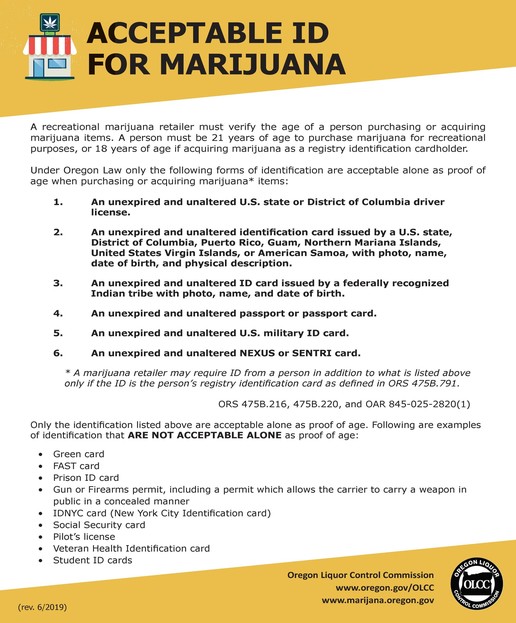
- Student IDs: While they often have a photo and name, they are not typically considered official proof of age by the state for regulated sales.
- Work IDs: Similar to student IDs, these are issued by private companies and lack the official governmental standing required for age verification.
- Birth Certificates: These prove your birth date but do not contain a photograph, making them insufficient for identity verification.
- Social Security Cards: These are highly sensitive documents and are not used for identification purposes due to security concerns.
- Credit Cards or Debit Cards: These are financial instruments and do not serve as proof of identity or age.
- Expired IDs: As mentioned repeatedly, an expired ID is effectively invalid for these purposes.
Why the Strictness?
The strictness in accepting identification is directly tied to the legal framework surrounding cannabis sales. Dispensaries are licensed businesses operating under strict regulations. Failure to comply with age verification laws can result in severe penalties, including hefty fines, suspension of their license, or even permanent closure. This is why they err on the side of caution and adhere to official, government-issued documentation.
The Role of Technology in ID Verification
The technology sector plays an increasingly important role in how dispensaries verify identification. While the physical inspection of an ID is the first step, advanced systems are being implemented to enhance security and accuracy.
- Scanners and Software: Many dispensaries utilize handheld scanners that can read the barcodes or magnetic stripes on IDs. This software can instantly verify the authenticity of the ID, check its expiration date, and confirm the information against a database. This is akin to how many businesses use technology for inventory management or customer relationship management, ensuring data integrity.
- AI and Biometrics (Emerging Trends): While not yet widespread, the future may see the integration of more sophisticated technologies. Artificial intelligence could be used to detect sophisticated forgeries, and biometric data (like facial recognition, though this raises significant privacy concerns) could eventually play a role in confirming identity. These advancements are driven by the same principles that power AI in other industries, aiming for greater efficiency and security.
Building Trust and Brand Integrity Through Compliance
The way a dispensary handles identification directly impacts its brand perception and its ability to build trust with its customer base.
- Professionalism and Security: A dispensary that has a clear, consistent, and well-communicated ID policy demonstrates professionalism and a commitment to legal compliance. This reassures customers that they are in a legitimate and safe environment.
- Brand Reputation: Repeatedly turning away customers due to unclear ID policies can damage a brand’s reputation. Conversely, a smooth and transparent process enhances customer satisfaction and encourages repeat business. This is a core principle of brand strategy – consistent, positive customer experiences build loyalty.
- Financial Transactions and Security: The act of purchasing cannabis, like any financial transaction, requires a level of trust and security. Verifiable identification is a foundational element of this security, preventing fraudulent activities and ensuring that sales are conducted responsibly. This parallels how financial institutions use various forms of verification to protect customer accounts and prevent money laundering.
Tips for a Smooth Dispensary Visit
To ensure you have a hassle-free experience when visiting a dispensary, follow these simple tips:
- Always Carry Valid, Unexpired Government-Issued Photo ID: This is the most crucial advice. Ensure your driver’s license, state ID, or passport is current.
- Check Your ID’s Expiration Date in Advance: Don’t wait until you’re at the dispensary to discover your ID is expired.
- Keep Your ID in Good Condition: Avoid damage that could make it difficult to read or verify.
- Know the Age Requirements: Understand the legal age for recreational (typically 21) and medical (typically 18 with a recommendation) cannabis purchases in your state.
- If You Have a Medical Card, Bring It: If you are a registered medical patient, ensure your card is valid and current.
- Be Prepared for Questions: Dispensary staff are trained to follow strict protocols. Be cooperative and answer any legitimate questions regarding your identification.
- If You Are a Tourist, Bring Your Passport: International visitors should rely on their valid passport.
By understanding what forms of ID dispensaries accept and why these requirements are in place, you can confidently navigate the legal cannabis market. It’s a system designed for safety, compliance, and responsible commerce, and your cooperation with these identification protocols is a vital part of that ecosystem.
aViewFromTheCave is a participant in the Amazon Services LLC Associates Program, an affiliate advertising program designed to provide a means for sites to earn advertising fees by advertising and linking to Amazon.com. Amazon, the Amazon logo, AmazonSupply, and the AmazonSupply logo are trademarks of Amazon.com, Inc. or its affiliates. As an Amazon Associate we earn affiliate commissions from qualifying purchases.