
The perfect steak is a symphony of flavor and texture, a culinary masterpiece that deserves an equally harmonious accompaniment. But beyond the classic baked potato and steamed broccoli, what truly elevates the steak experience? This article delves into the technological underpinnings and data-driven insights that reveal the most complementary food pairings for steak, exploring how culinary science and smart applications are revolutionizing how we think about and execute this beloved dish. We’ll move beyond anecdotal evidence and subjective preferences to explore the quantifiable and scientifically sound reasons behind successful steak pairings.
The Science of Flavor Pairing: Understanding the Chemistry of Deliciousness
At its core, successful food pairing is a dance of chemical compounds. Steak, particularly when seared and cooked to perfection, possesses a complex flavor profile characterized by rich, savory umami notes, rendered fats, and often a hint of Maillard reaction-induced sweetness and caramelization. Understanding these fundamental flavor components allows us to strategically select accompanying ingredients that either contrast or complement these characteristics.
Umami Amplifiers: Boosting the Savory Backbone
Umami, often described as a “meaty” or “savory” taste, is a crucial element in steak. Ingredients rich in glutamate and nucleotides can significantly enhance this umami experience.
Fermented Foods and Their Molecular Synergies
Fermented foods, a staple in many global cuisines, are powerhouses of umami. Soy sauce, a classic partner for many grilled meats, is a prime example. Its high concentration of glutamates reacts synergistically with the natural glutamates in steak, creating a profound depth of flavor. Miso paste, with its complex fermentation profile, offers a similar umami boost. Beyond Asian influences, consider aged cheeses. Parmesan, with its crystalline texture and intense nutty, savory notes, is packed with glutamates. When grated over a steak or incorporated into a sauce, it amplifies the steak’s inherent umami, creating a feedback loop of deliciousness.
The Role of Specific Vegetable Compounds
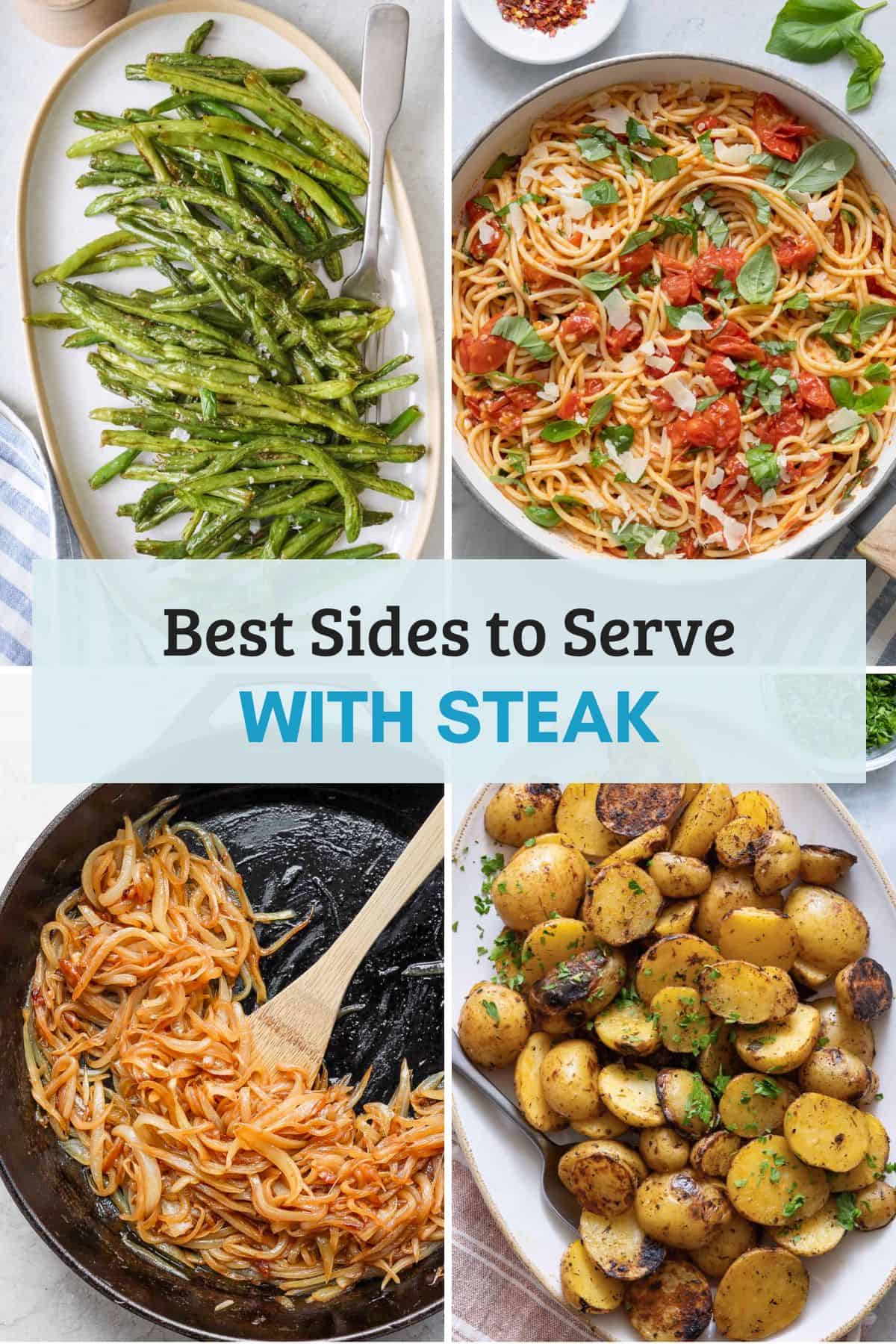
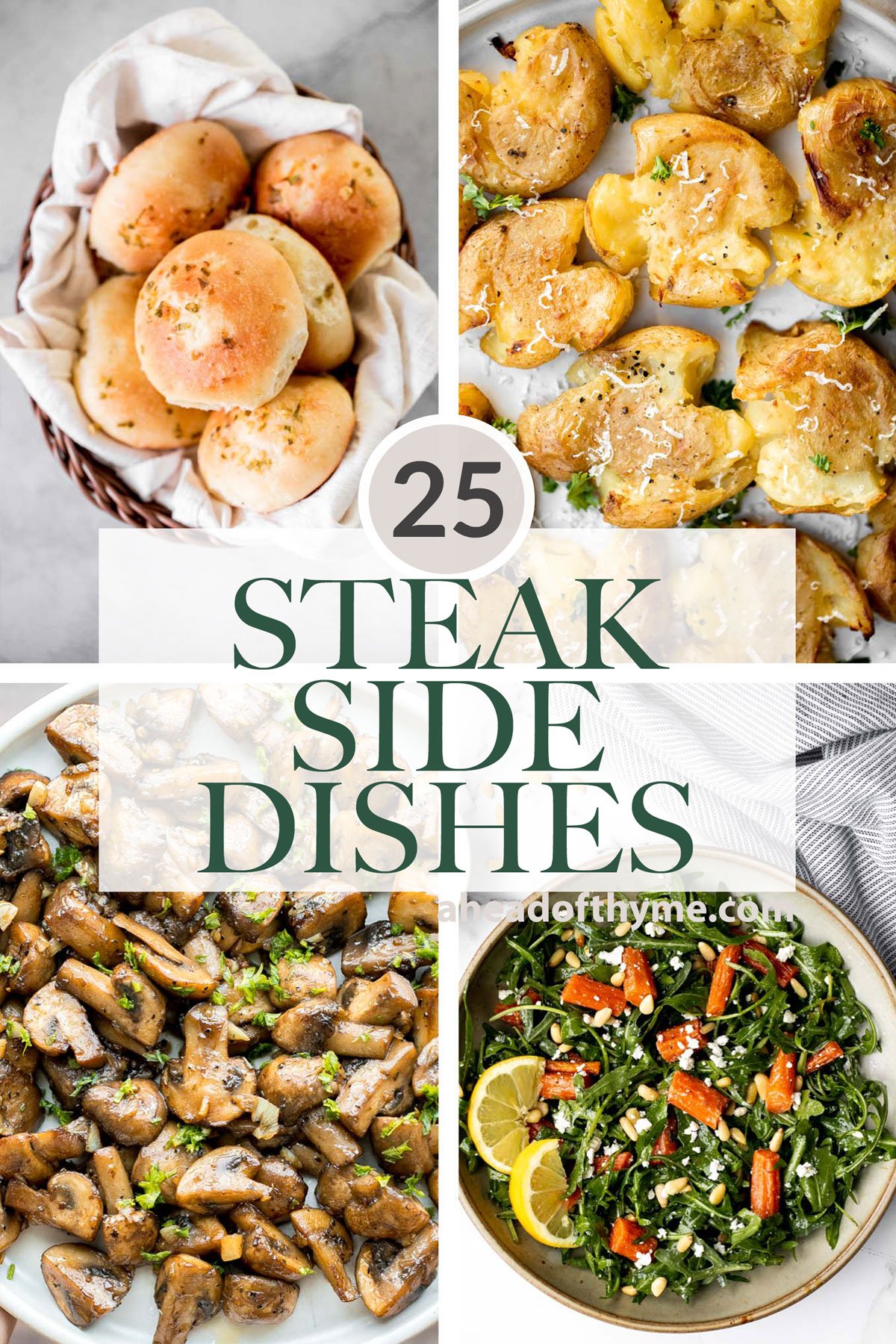
Certain vegetables also contribute to umami. Mushrooms, particularly varieties like shiitake and portobello, are naturally high in glutamates and nucleotides. When sautéed and served alongside steak, they not only provide a textural contrast but also a complementary savory flavor. Tomatoes, especially when cooked down into a sauce or roasted, develop a concentrated sweetness and umami due to the conversion of glutamic acid. This sweetness can also serve to balance the richness of the steak.
Fat Emulsification and Mouthfeel: Creating Harmony on the Palate
The fat content of steak contributes significantly to its succulence and mouthfeel. Accompanying foods can either cut through this richness or enhance it, depending on the desired outcome.
Acidic Counterpoints: The Role of Acidity in Fat Management
Acidity is a powerful tool for cutting through richness. A bright vinaigrette-based salad, for instance, offers a welcome contrast to the heavy, unctuous nature of steak. The acetic acid in the dressing helps to cleanse the palate, making each bite of steak feel as fresh as the first. Similarly, a squeeze of lemon juice over grilled steak can provide a zesty lift. In the realm of sauces, chimichurri, with its vibrant blend of parsley, garlic, vinegar, and olive oil, is a prime example of an acidic accompaniment that perfectly balances steak’s richness. The herbaceous notes also add another layer of complexity.
Creamy Companions: Enhancing Richness Through Emulsification
Conversely, some pairings aim to amplify the steak’s inherent richness. Cream-based sauces, such as a béarnaise or a peppercorn sauce, rely on the emulsification of fat and liquid. The fats in the steak and the sauce meld together, creating an incredibly luxurious and satisfying mouthfeel. Mashed potatoes, particularly those enriched with butter and cream, serve a similar purpose, offering a soft, yielding texture that cradles the steak and absorbs its flavorful juices.
Leveraging Technology for Optimal Steak Pairings
The advent of technology has opened up new frontiers in culinary exploration, offering data-driven approaches to optimize food pairings. From sophisticated flavor-mapping algorithms to smart kitchen appliances, technology is helping us understand and execute perfect steak accompaniments with unprecedented precision.
Algorithmic Flavor Matching: The Future of Culinary Synergy
Computational gastronomy and AI-powered flavor pairing platforms are revolutionizing how we discover new and exciting combinations. These systems analyze vast datasets of ingredient profiles, identifying molecular similarities and contrasting elements that create harmonious flavor experiences.
Data-Driven Ingredient Discovery Platforms
Platforms like Foodpairing® utilize extensive databases of flavor compounds and ingredient interactions. By analyzing the chemical makeup of steak, these algorithms can suggest ingredients that share common flavor molecules or offer complementary counterpoints. For instance, an algorithm might identify that the earthy notes in a roasted beet share common compounds with the subtle minerality of certain steak cuts, suggesting a surprisingly synergistic pairing. These tools move beyond traditional pairings, introducing novel combinations that are scientifically validated for their potential to delight the palate.
Personalized Pairing Recommendations Through AI

In the future, AI could offer highly personalized steak pairing recommendations. Imagine a smart refrigerator that, after analyzing your past meal preferences and dietary needs, suggests the ideal side dishes to complement the specific cut of steak you have. This could involve suggesting a specific type of mushroom based on its molecular profile and your known preference for earthy flavors, or recommending a particular cooking method for a vegetable to optimize its flavor synergy with the steak.
Smart Kitchen Appliances and Precision Cooking
Beyond ingredient selection, technology plays a crucial role in the preparation of both steak and its accompaniments, ensuring optimal flavor and texture.
Precision Temperature Control for Sides
The cooking of side dishes is just as critical as the steak itself. Smart ovens and induction cooktops offer precise temperature control, allowing for perfect roasting of vegetables, accurate simmering of sauces, and consistent results for mashed potatoes. For example, a sous vide circulator can ensure that asparagus is cooked to an ideal tender-crisp texture every time, while a smart oven can perfectly caramelize onions for a rich, sweet topping.
Integrated Culinary Apps for Recipe Guidance
Culinary apps and smart recipe platforms can provide real-time guidance on how to prepare accompanying dishes. These applications often incorporate sophisticated algorithms that adjust cooking times and temperatures based on ingredient variations and desired outcomes. They can also offer step-by-step instructions that are tailored to the specific flavor profiles of the steak and its chosen accompaniments, ensuring that all elements of the meal are perfectly synchronized.
Texture and Visual Appeal: The Unseen Pillars of Steak Pairings
While flavor is paramount, the textural interplay and visual presentation of a meal are equally important in creating a satisfying dining experience. Technology can assist in achieving both.
The Crucial Role of Contrast in Mouthfeel
The juxtaposition of different textures can transform a good meal into a great one. A perfectly cooked, tender steak benefits from accompaniments that offer a contrasting texture.
Crispy, Crunchy, and Creamy Elements
Consider the satisfying crunch of fried shallots or crispy onion rings against the yielding tenderness of a steak. This textural contrast creates an engaging eating experience. Similarly, a creamy element, such as a velvety potato gratin or a smooth purée of parsnips, offers a luxurious counterpoint. The goal is to avoid a monotonous mouthfeel by incorporating a variety of textures that complement, rather than compete with, the steak.
The Impact of Al Dente Vegetables
Al dente vegetables, like perfectly steamed green beans or crisp-tender Brussels sprouts, provide a pleasant bite and a refreshing contrast to the richness of the steak. Overcooked, mushy vegetables can detract from the overall dining experience, highlighting the importance of precise cooking techniques, which can be aided by technology.
Plating and Presentation: The Visual Cues of Culinary Excellence
The visual appeal of a dish can significantly influence our perception of its taste and quality. Modern culinary technology allows for more precise and artistic presentation.
Advanced Food Styling Tools and Techniques
While not strictly “tech” in the digital sense, advanced tools like precision plating spoons, ring molds, and even 3D food printers are pushing the boundaries of culinary presentation. These tools, often utilized in conjunction with digital recipe inspiration, allow chefs and home cooks alike to create aesthetically pleasing arrangements that enhance the overall dining experience.
Data on Visual Preferences and Color Theory
Research in food psychology and visual analytics can inform plating decisions. Understanding how color combinations affect appetite and how certain arrangements evoke feelings of freshness or richness can lead to more impactful presentations. For example, the vibrant green of a parsley garnish or the deep red of a reduction sauce can add visual depth and appeal to a plate of steak.
Conclusion: The Evolving Landscape of Steak Pairings
The question of “what food goes well with steak” is no longer confined to traditional culinary wisdom. It is an evolving landscape shaped by scientific understanding, technological innovation, and a growing appreciation for the intricate interplay of flavor, texture, and visual appeal. By embracing data-driven insights and leveraging smart culinary tools, we can move beyond guesswork and unlock a new level of precision and creativity in our steak-pairing endeavors. The future of steak, and indeed, the future of dining, promises a more informed, personalized, and ultimately, more delicious experience, where technology and culinary art converge to create unforgettable gastronomic moments.
aViewFromTheCave is a participant in the Amazon Services LLC Associates Program, an affiliate advertising program designed to provide a means for sites to earn advertising fees by advertising and linking to Amazon.com. Amazon, the Amazon logo, AmazonSupply, and the AmazonSupply logo are trademarks of Amazon.com, Inc. or its affiliates. As an Amazon Associate we earn affiliate commissions from qualifying purchases.