
The traditional image of the fast-food industry—greasy burgers, neon-lit drive-thrus, and excessive sodium—is undergoing a radical transformation. As consumer consciousness shifts toward wellness, longevity, and nutritional transparency, the question of “what fast food restaurants are healthy” has moved beyond dietary advice into the realm of high-stakes brand strategy. For global food chains, the “healthy” label is no longer a niche menu addition; it is a core pillar of brand survival and corporate identity in the 21st century.
This evolution represents a fascinating case study in brand management. It illustrates how legacy giants and emerging disruptors use psychological triggers, menu engineering, and strategic communication to redefine their value proposition. In a market where “health” is often a matter of perception, understanding which fast-food restaurants are truly healthy requires looking behind the counter at the brand strategies that drive their growth.
Rebranding the Drive-Thru: From Caloric Density to Nutritional Transparency
For decades, the fast-food industry’s brand equity was built on three pillars: speed, consistency, and low cost. Health was rarely part of the equation. However, the early 2000s marked a turning point, catalyzed by documentaries like Super Size Me and increasing government regulation regarding calorie labeling. This forced a massive pivot in corporate identity for legacy brands.
The Pivot from “Supersize” to “Superfood”
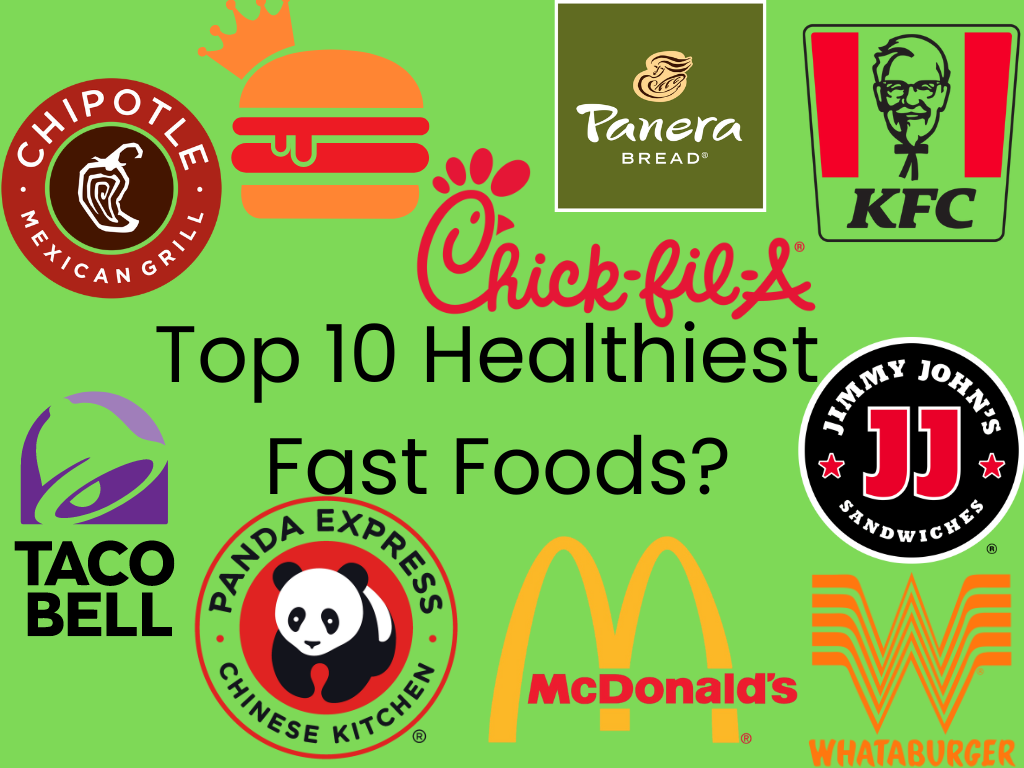
Legacy brands like McDonald’s and Burger King have spent billions of dollars on “brand rehabilitation.” This isn’t just about adding a salad to the menu; it’s about a total overhaul of the brand’s visual and sensory cues. McDonald’s, for instance, transitioned its primary color palette in many European markets from a high-energy red and yellow to a more sophisticated forest green and gold. This subtle shift in color theory communicates freshness, nature, and sustainability—subconscious markers of health.
The branding strategy here is “incrementalism.” By introducing fruit wedges, oatmeal, and grilled chicken options, these brands aim to capture the “veto vote.” In a group of four people, if one person wants to eat healthy, they often “veto” a restaurant that offers no healthy options. By branding themselves as “healthy-adjacent,” legacy chains ensure they don’t lose entire customer segments to more specialized wellness brands.
Case Study: Panera Bread and the “Clean” Brand Promise
Panera Bread is a masterclass in health-centric branding. They were one of the first major chains to implement a “No-No List,” a public commitment to removing artificial preservatives, sweeteners, and flavors from their entire menu. By positioning their brand around the concept of “Clean Eating,” Panera moved the conversation away from calorie counts and toward ingredient integrity.
This brand strategy targets the affluent, health-conscious suburban demographic. Their physical store design—featuring warm wood, soft lighting, and “fast-casual” seating—further distances the brand from the “fast food” stigma. Panera isn’t just selling a sandwich; they are selling a lifestyle of wholesome, conscious consumption, even if the caloric content of a sourdough bread bowl remains high.
The Rise of Fast-Casual: Building Brand Identity Around Wellness
The “Healthy Fast Food” category has been largely defined by the rise of the “Fast-Casual” segment. Unlike traditional fast food, these brands built their entire identity around health from day one. They don’t have to “rebrand” to be healthy; health is their primary brand equity.
Sweetgreen and the Lifestyle Brand Ecosystem
Sweetgreen is perhaps the most prominent example of a fast-food brand that functions like a tech company or a lifestyle brand. Their branding strategy focuses on “radical transparency” and “local sourcing.” By displaying the names of local farms on chalkboards in every store, they create a narrative of freshness that transcends the actual nutritional data of the food.
Sweetgreen’s brand identity is minimalist and high-end, utilizing sleek typography and an app-first customer experience. They have successfully positioned their salads not as a restrictive diet choice, but as a status symbol. This is “aspirational branding” at its finest: eating a Sweetgreen bowl signals that the consumer is disciplined, wealthy enough to afford a $15 salad, and environmentally conscious.
Chipotle’s Recovery: Rebuilding Trust Through Sourcing Integrity
Chipotle provides an essential lesson in brand resilience. After a series of food safety crises, the brand had to rebuild its “Food with Integrity” promise. Their strategy was to double down on their supply chain branding. By focusing on “real” ingredients—marketing the fact that they don’t use freezers or can openers—Chipotle successfully differentiated itself from “processed” fast food.
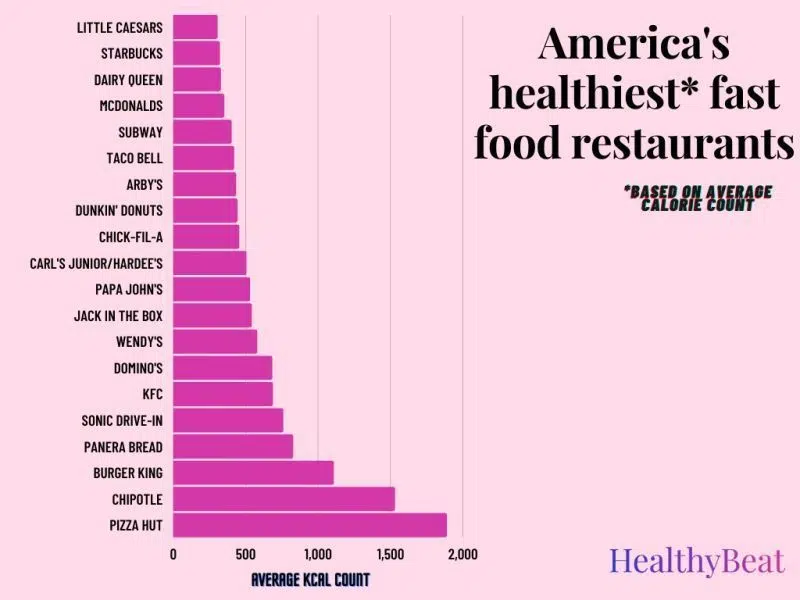
Their “healthy” brand image is built on the concept of customization. By allowing the customer to be the architect of their meal, the brand shifts the responsibility of health to the consumer while providing the “healthy” building blocks (brown rice, beans, grilled proteins). This agency is a powerful branding tool that creates a sense of trust and personal investment in the meal.
Strategic Menu Engineering: How Design Influences Consumer Perception
The perception of health in a restaurant is rarely accidental. It is the result of meticulous menu engineering and psychological design. Brands use these tactics to guide consumers toward specific items while maintaining an overall “healthy” brand image.
The Color Palette of Health: Visual Cues in Branding
Brands that want to be perceived as healthy lean heavily into “earth tones.” We see an abundance of greens, browns, and whites. In contrast, traditional “hunger-inducing” colors like bright red and orange are minimized.
This extends to the photography used in marketing. Healthy fast-food brands use “high-key” lighting—bright, airy, and natural-looking—to make ingredients look vibrant and fresh. If you look at the digital menu boards of a brand like CAVA or Salad and Go, the focus is on the raw texture of the vegetables, a visual shorthand that tells the brain, “This is unprocessed and therefore healthy.”
The “Halo Effect”: Leveraging One Healthy Item for Brand Legitimacy
In brand marketing, the “Health Halo” effect occurs when a consumer perceives an entire menu as healthy because of one or two standout items. Subway is the pioneer of this strategy. For years, the “Eat Fresh” campaign and the focus on “6 grams of fat or less” subs allowed consumers to overlook the high sodium content of the deli meats or the sugar in the bread.
By branding themselves as the “healthy alternative” to burger joints, Subway occupied a massive market share. However, as consumer knowledge evolves, the “Halo Effect” is becoming harder to maintain. Modern consumers are looking at the “macro” breakdown (protein, fats, carbs), forcing brands to be more authentic in their health claims rather than relying on a single “hero” product.
Corporate Social Responsibility (CSR) and the Future of Healthy Fast Food Brands
In the modern era, a brand cannot be truly “healthy” if its business practices are “unhealthy” for the planet. The definition of health has expanded to include Environmental, Social, and Governance (ESG) factors.
Sustainability as a Nutritional Attribute
Brands like Dig (formerly Dig Inn) and Leon have integrated sustainability into their core brand identity. They argue that food grown in healthy soil is inherently healthier for the body. By branding “soil health” as a consumer benefit, they are creating a new category of “regenerative fast food.”
This strategy appeals to Gen Z and Millennial consumers who view their purchasing power as a form of activism. For these demographics, a “healthy” restaurant is one that treats its workers well, minimizes plastic waste, and sources carbon-neutral ingredients. The brand becomes a reflection of the consumer’s ethics, making the “health” of the planet synonymous with the “health” of the individual.
Navigating the Gen Z Market: Radical Transparency
The future of healthy fast-food branding lies in data. With the rise of wearable tech and bio-hacking, consumers want more than just a “low-cal” label; they want to know the micronutrient density and the glycemic index of their meals.
Brands that win in the next decade will be those that embrace “radical transparency.” This means providing full ingredient lists, sourcing origins, and even the carbon footprint of every dish via QR codes on packaging. We are seeing the emergence of “functional fast food”—brands that market specific health outcomes, such as “anti-inflammatory” bowls or “brain-boosting” smoothies. This level of specificity is the next frontier in brand positioning, moving away from generic wellness toward personalized nutrition.
Conclusion: The Brand is the Ingredient
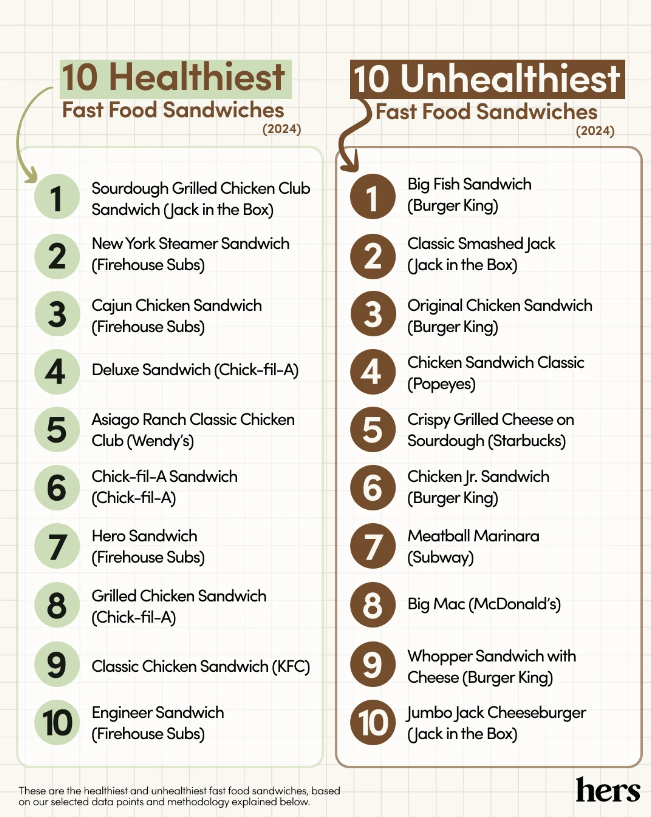
When we ask “what fast food restaurants are healthy,” we are navigating a landscape built on sophisticated brand architecture. For legacy chains, health is a defensive strategy to maintain market share. For fast-casual disruptors, health is the brand’s very soul and its primary competitive advantage.
Ultimately, the most successful brands in this space are those that bridge the gap between perception and reality. They understand that in the fast-paced modern world, the consumer isn’t just buying a meal; they are buying a shortcut to their best self. Whether through the “clean” promise of Panera, the “lifestyle” allure of Sweetgreen, or the “transparency” of Chipotle, these brands have mastered the art of selling health in a paper bag. As the industry continues to evolve, the brands that thrive will be those that recognize that “healthy” is no longer just a menu category—it is the ultimate brand promise.
aViewFromTheCave is a participant in the Amazon Services LLC Associates Program, an affiliate advertising program designed to provide a means for sites to earn advertising fees by advertising and linking to Amazon.com. Amazon, the Amazon logo, AmazonSupply, and the AmazonSupply logo are trademarks of Amazon.com, Inc. or its affiliates. As an Amazon Associate we earn affiliate commissions from qualifying purchases.