
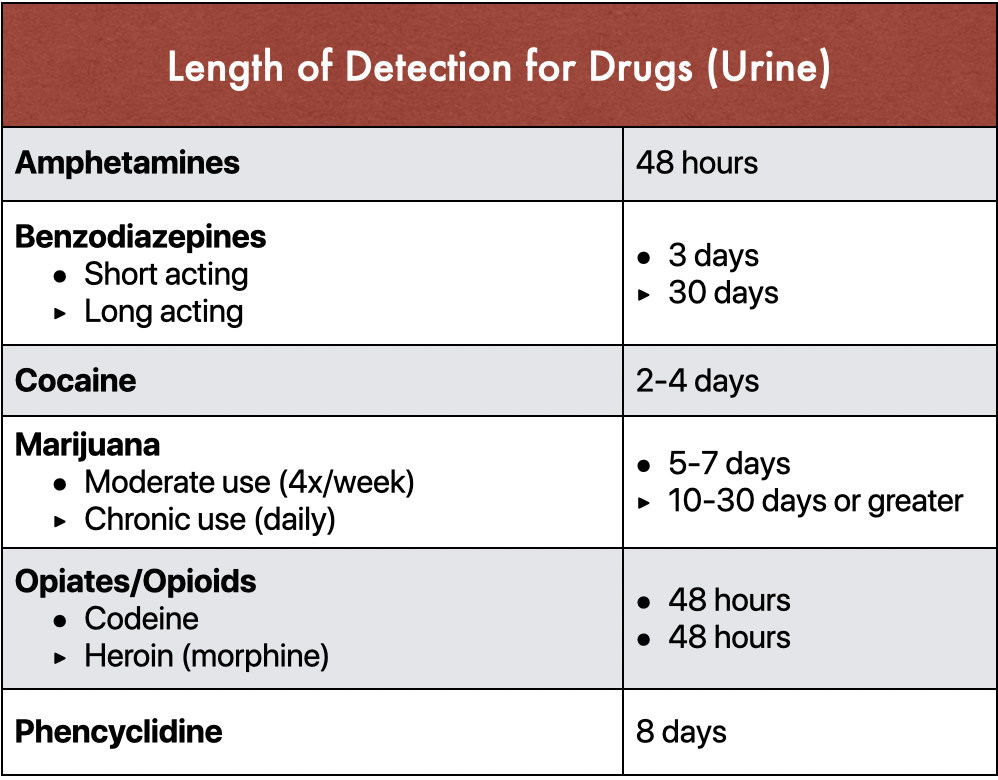
The question “what drugs does a urine drug screen test for?” often elicits a straightforward list of illicit and prescription substances. However, a truly insightful answer demands an exploration beyond mere compounds; it requires understanding the sophisticated technological ecosystem that makes such detection possible. In an era defined by rapid technological advancement, urine drug screening is not just a chemical process but a complex interplay of cutting-edge hardware, intricate software, intelligent algorithms, and robust digital security measures. This article delves into how technology—from advanced analytical instrumentation to artificial intelligence and comprehensive data management systems—underpins the capability to identify a continuously evolving spectrum of substances, ensuring accuracy, efficiency, and data integrity in this critical field.
The Core Technologies Powering Urine Drug Screening
Modern urine drug screening is built upon a foundation of highly specialized technologies, each playing a distinct role in the process of detection. These technologies have evolved significantly, moving from rudimentary chemical tests to highly automated and digitally integrated systems that provide rapid and precise results. Understanding these core technological components is crucial to grasping the breadth and depth of what a drug screen can detect.
Immunoassay: The First Line of Digital Defense
Immunoassay technology serves as the initial, rapid screening method in most drug testing protocols. These tests leverage the specific binding between antibodies and drug molecules (or their metabolites) in a urine sample. Modern immunoassay analyzers are highly automated instruments, essentially robotic platforms equipped with sophisticated optical sensors and digital processing units. They can process hundreds of samples per hour, detecting the presence of common drug classes such as opioids, amphetamines, cocaine, cannabis (THC), and benzodiazepines.
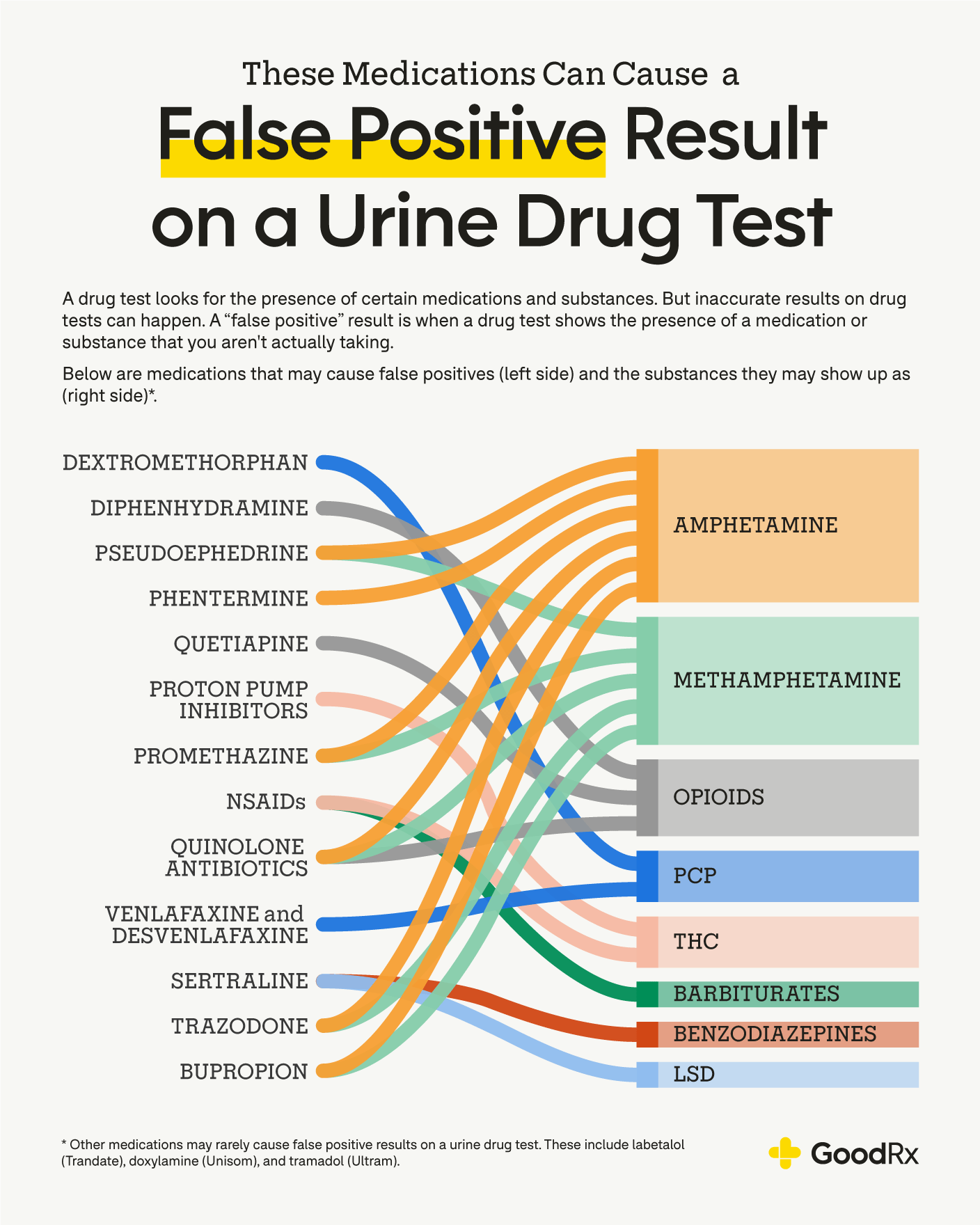
These automated systems use digital readouts to quantify the intensity of the antibody-antigen reaction, translating a chemical event into a measurable digital signal. While fast and cost-effective, immunoassays are designed for screening and can sometimes produce false positives due to cross-reactivity with structurally similar compounds. This inherent limitation highlights the necessity for more advanced, confirmatory technologies that delve deeper into the sample’s chemical composition. The “digital defense” here is rapid, broad-spectrum initial identification, setting the stage for more precise subsequent analysis.
Chromatographic Separation: Precision Through Digital Resolution
When an immunoassay yields a presumptive positive result, or when a higher level of precision is required, chromatographic techniques are employed. Gas Chromatography (GC) and Liquid Chromatography (LC) are foundational separation technologies that physically separate the individual chemical components within a urine sample. In both GC and LC, a sample is vaporized or dissolved and then passed through a column containing a stationary phase. Different components of the sample interact differently with this stationary phase, causing them to travel at varying speeds and emerge from the column at different times.
This separation process is meticulously controlled and monitored by integrated digital systems. Detectors at the end of the column capture signals as compounds elute, and these signals are then digitally processed to create chromatograms—graphs that depict the presence and relative abundance of each separated compound. Modern GC and LC systems are highly digitized, featuring precise temperature controls, automated sample injection, and sophisticated data acquisition software. This digital resolution allows for the isolation of specific drug compounds from the complex biological matrix of urine, paving the way for definitive identification.
Mass Spectrometry: The Definitive Digital Fingerprint
Mass Spectrometry (MS) is often coupled with chromatographic techniques (GC-MS or LC-MS/MS) and stands as the gold standard for confirmatory drug testing. Once compounds are separated by chromatography, they enter the mass spectrometer, where they are ionized, fragmented, and then sorted based on their mass-to-charge ratio. Each drug molecule, and its characteristic fragments, produces a unique “mass spectrum”—a digital fingerprint that is highly specific to that particular compound.
The entire process, from ionization to detection and data interpretation, is managed by advanced software. Analysts compare the generated mass spectra against extensive digital libraries of known drug compounds and their metabolites. This comparison, facilitated by powerful algorithms, allows for unequivocal identification and precise quantification of the drugs present. The unparalleled specificity and sensitivity of MS technology ensure that false positives from screening tests are minimized, providing irrefutable evidence of drug presence. The digital fingerprint provided by mass spectrometry is the ultimate arbiter in determining “what drugs” are truly present.
Expanding the Detection Frontier: AI and Advanced Analytics
The landscape of drug abuse is constantly evolving, with new synthetic compounds emerging regularly. This dynamic challenge necessitates continuous innovation in detection technology. Artificial intelligence (AI) and advanced analytics are now at the forefront of expanding the capabilities of urine drug screening, moving beyond reactive detection to more proactive and comprehensive approaches.
Tackling Synthetic and Designer Drugs: An AI-Driven Challenge
The proliferation of synthetic and designer drugs (e.g., synthetic cannabinoids, cathinones, novel opioids like fentanyl analogues) presents a significant challenge. These compounds are often structurally modified to evade detection by standard assays. Here, AI and machine learning (ML) play a transformative role. AI algorithms are trained on vast datasets of chemical structures, mass spectra, and metabolite profiles. They can analyze complex analytical data from GC-MS or LC-MS/MS more rapidly and accurately than human eyes, identifying subtle patterns or anomalies that might indicate the presence of novel or unknown substances.
Furthermore, AI can assist in predicting potential new drug structures based on known precursors and synthetic pathways, allowing labs to develop targeted testing panels proactively. Spectral libraries, crucial for MS identification, are continuously updated and expanded with AI’s help, ensuring that the “digital fingerprint” database remains current and comprehensive. This technological arms race against illicit drug innovation is increasingly being won through the intelligence and speed of AI.
Digital Forensics and Predictive Modeling in Drug Detection
Beyond identifying new compounds, AI contributes to drug screening through digital forensics and predictive modeling. By analyzing vast datasets of drug trends, epidemiological information, and even social media patterns, AI can help forensic toxicologists and public health officials anticipate regional drug surges or the emergence of new substances. This predictive capability allows laboratories to optimize their screening panels, focusing resources on detecting drugs that are most prevalent or emerging in specific geographic areas.
Advanced analytical software also processes complex historical data from drug screens to identify correlations, understand metabolic pathways of novel drugs, and refine testing methodologies. This big data approach, powered by machine learning, transforms drug testing from a purely analytical process into an intelligent, adaptive system.

Leveraging Software for Comprehensive Metabolite Profiling
Many drugs are rapidly metabolized by the body into different chemical compounds. Detecting these metabolites, sometimes long after the parent drug has cleared the system, is critical for a comprehensive screen. Advanced analytical software is essential for processing the intricate data generated by LC-MS/MS to perform comprehensive metabolite profiling. This software can de-convolute complex mass spectra, identify numerous metabolic products, and piece together the entire metabolic pathway of a drug within the body. This provides a more complete and accurate picture of an individual’s exposure, significantly enhancing the capability of urine drug screens to detect past drug use and a wider array of substances.
Digital Infrastructure: Managing Data, Security, and Compliance
The technological backbone of drug screening extends far beyond the analytical instruments. A robust digital infrastructure is essential for managing samples, processing results, ensuring data integrity, maintaining privacy, and complying with stringent regulatory requirements. This involves sophisticated software systems and stringent cybersecurity protocols.
Laboratory Information Management Systems (LIMS): Orchestrating the Digital Workflow
At the heart of any modern drug testing laboratory is a Laboratory Information Management System (LIMS). LIMS is a comprehensive software platform that orchestrates the entire digital workflow, from the moment a sample arrives until results are reported. It electronically manages sample registration, assigns unique digital identifiers, tracks samples through various analytical stages, integrates with laboratory instruments for automated data capture, manages quality control, and generates reports.
A LIMS ensures efficiency by minimizing manual errors, streamlines data flow, and provides an auditable digital trail for every sample and test. This digital control system is critical for maintaining the chain of custody, a legal requirement in forensic toxicology, ensuring that the integrity of the sample and its associated data is preserved throughout the testing process.
Cybersecurity and Data Privacy in Sensitive Health Information
Urine drug screen results contain highly sensitive personal health information. Therefore, robust cybersecurity measures and strict data privacy protocols are paramount. Adherence to regulations like HIPAA (Health Insurance Portability and Accountability Act) in the U.S. and GDPR (General Data Protection Regulation) in Europe is not just a legal necessity but a fundamental ethical obligation.
Technological safeguards include end-to-end encryption for data transmission and storage, multi-factor authentication for system access, secure network architectures, regular vulnerability assessments, and comprehensive audit trails that log all access and modifications to data. The digital systems must be fortified against cyber threats, unauthorized access, and data breaches, ensuring that the sensitive medical and personal data of individuals remains confidential and secure. Without these digital security frameworks, the reliability and trustworthiness of drug screening results would be severely compromised.
AI-Powered Reporting and Compliance Automation
The final stage of drug screening involves generating reports and ensuring compliance. AI and automation tools significantly enhance this process. AI-powered reporting systems can automatically consolidate data from various instruments and LIMS, flagging critical findings, generating standardized reports, and even providing preliminary interpretations. This not only speeds up the reporting process but also reduces the potential for human error.
Furthermore, automation ensures that reports adhere to specific regulatory formats and content requirements, simplifying the compliance process. Secure client portals, enabled by robust web technologies, allow authorized personnel to access results efficiently and securely, completing the digital lifecycle of the drug screening process.
The Future of Drug Screening Technology
The trajectory of technological innovation suggests even more transformative changes for drug screening. The convergence of AI, advanced analytics, and emerging hardware promises a future where detection is even more precise, non-invasive, and integrated into broader digital health ecosystems.
Non-Invasive Technologies and Continuous Digital Monitoring
While this article focuses on urine drug screens, the broader field of drug detection is moving towards less invasive and potentially continuous monitoring technologies. This includes smart wearables capable of analyzing sweat for drug biomarkers, advanced breath analysis devices, and even contact lenses that can detect substances. These technologies are heavily reliant on sophisticated sensors, embedded processors, and algorithms that can analyze complex biological signals in real-time. The integration of such devices into digital health platforms would represent a paradigm shift, enabling continuous digital monitoring and immediate alerts, transforming how drug use is detected and managed.
Quantum Computing and Enhanced Analytical Capabilities
Looking further into the future, quantum computing holds speculative but immense potential. Its ability to process vast amounts of data and solve complex computational problems at speeds unimaginable by current supercomputers could revolutionize analytical chemistry. Quantum algorithms might dramatically enhance the speed and depth of molecular analysis, allowing for instantaneous identification of even the most obscure synthetic compounds or minute traces of substances, pushing the boundaries of what a drug screen can detect.
Ethical AI and the Evolving Digital Landscape
As technology becomes more integrated into drug screening, the ethical considerations surrounding AI, data privacy, and surveillance will become increasingly critical. Developing ethical AI frameworks, ensuring transparency in algorithmic decision-making, addressing potential biases in data, and safeguarding human oversight will be paramount. The evolving digital landscape demands not just technological prowess but also a commitment to responsible innovation that upholds individual rights and societal trust.
In conclusion, the answer to “what drugs does a urine drug screen test for?” is profoundly shaped by technology. From the initial immunoassay to confirmatory mass spectrometry, through AI-driven analytics, and managed by comprehensive LIMS and robust cybersecurity, technology defines the capabilities, accuracy, and reliability of modern drug screening. As technology continues its relentless march forward, the spectrum of detectable substances will only grow, driven by an ever-smarter, more interconnected, and digitally advanced scientific ecosystem.
aViewFromTheCave is a participant in the Amazon Services LLC Associates Program, an affiliate advertising program designed to provide a means for sites to earn advertising fees by advertising and linking to Amazon.com. Amazon, the Amazon logo, AmazonSupply, and the AmazonSupply logo are trademarks of Amazon.com, Inc. or its affiliates. As an Amazon Associate we earn affiliate commissions from qualifying purchases.