
The silent killer of a car’s readiness is often its battery. A dead battery can leave you stranded, frustrated, and facing unexpected costs. While a battery’s primary role is to start the engine, its health and longevity are intricately linked to the entire electrical ecosystem of a vehicle. Understanding what drains a car battery isn’t just about avoiding inconvenience; it’s about appreciating the complex interplay of electronic components that power our daily lives on wheels. This article will delve into the technical reasons behind battery drain, offering insights for car owners to better understand and maintain their vehicle’s electrical health.

Parasitic Drain: The Silent Culprits
Perhaps the most insidious cause of a car battery draining is what’s known as a parasitic drain. This occurs when a component or system continues to draw power from the battery even when the ignition is off. Modern vehicles are sophisticated machines, packed with electronics that require a constant trickle of power to maintain their settings and functions. While many of these draws are normal and necessary, an abnormal parasitic drain can rapidly deplete a fully charged battery.
Understanding Normal Parasitic Draws
Before diagnosing a problem, it’s crucial to distinguish between normal and abnormal power consumption. Several systems are designed to remain active or periodically wake up when the car is off. These include:
- Computer Memory: The car’s main computer (ECU) and other control modules need a small amount of power to retain their settings, learned parameters, and diagnostic trouble codes. This ensures that when you start the car, it doesn’t have to relearn everything from scratch.
- Security Systems: Your car alarm and immobilizer system are always on alert. They require continuous power to monitor for unauthorized access and to be ready to engage if the alarm is triggered.
- Keyless Entry and Start Systems: The systems that allow you to unlock your car with a remote or start it with a button on the dash draw power to remain receptive to your key fob’s signals.
- Clock and Radio Presets: The car’s internal clock and the memory for your favorite radio stations are maintained by a low-level power draw.
- Aftermarket Accessories: Any non-factory installed accessories, such as dashcams, remote starters, or aftermarket stereos, can contribute to parasitic draw. If not installed correctly, they can inadvertently create a persistent power drain.
The cumulative effect of these normal draws on a healthy battery is typically minimal, often in the range of 20-50 milliamps (mA). A fully charged battery can sustain this for weeks, if not months, without significant discharge.
Identifying Abnormal Parasitic Draws
When a battery drains much faster than expected, often within a few days or even overnight, it indicates an abnormal parasitic drain. This usually points to a malfunctioning component or an improperly installed accessory that is drawing excessive current.
- Faulty Relays and Switches: A stuck relay or a faulty switch in a system can prevent it from fully shutting down, leading to continuous power consumption. For example, a door switch that fails to signal the interior lights to turn off can drain a battery.
- Short Circuits: A short circuit, where electrical current bypasses the intended path, can create a significant drain. This can occur due to damaged wiring insulation, loose connections, or moisture ingress.
- Malfunctioning Electronic Modules: Modern cars have numerous electronic control units (ECUs) responsible for various functions (engine management, transmission, infotainment, etc.). If one of these modules fails or enters a faulty state, it can draw a disproportionate amount of power.
- Stuck Actuators: Components like power window motors or seat motors, if they fail in a way that keeps them partially active, can be significant drains.
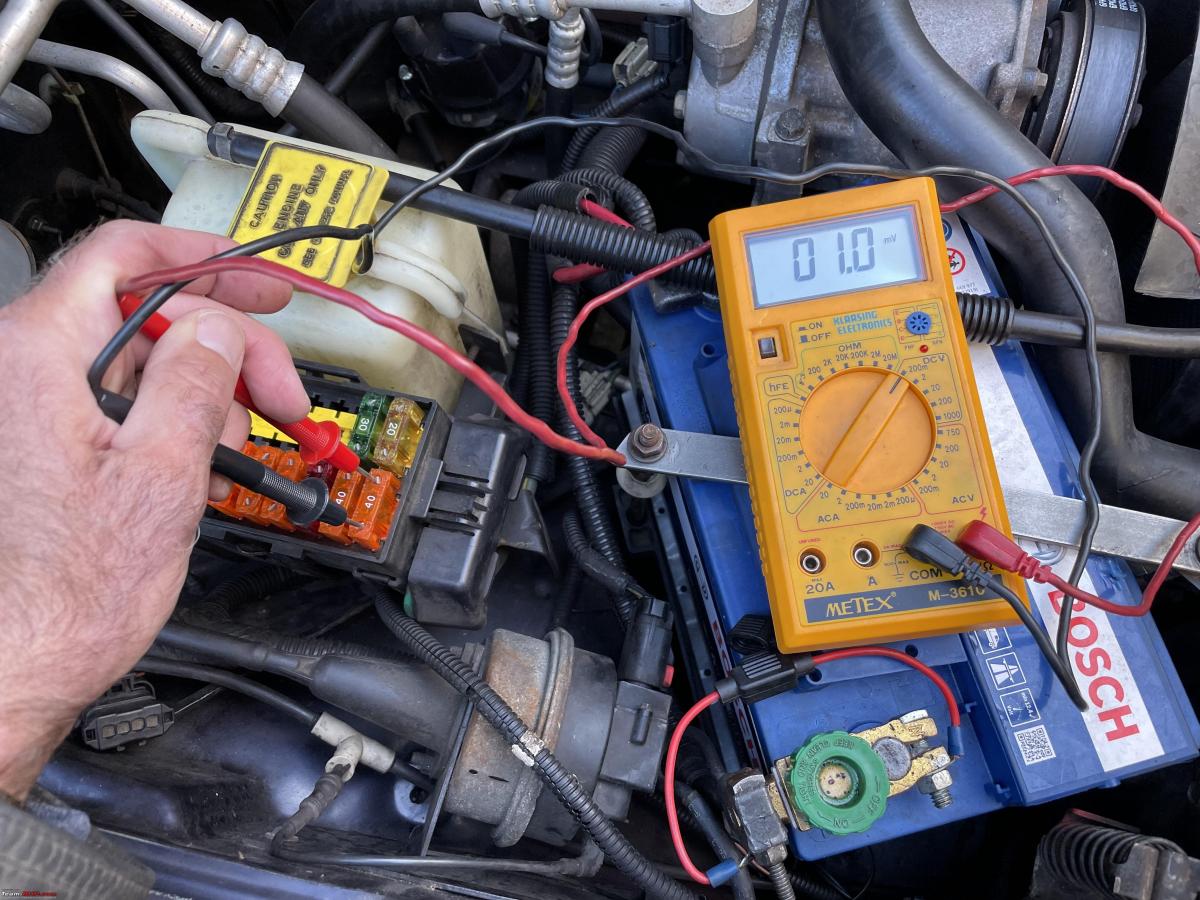
Diagnosing parasitic draws requires systematic troubleshooting, often involving a multimeter to measure current draw with the engine off. Technicians will typically disconnect fuses one by one to isolate the circuit responsible for the excessive drain.
Alternator and Charging System Issues
While parasitic drains are about power leaving the battery when it shouldn’t, problems with the charging system are about the battery not receiving the power it needs to stay charged. The alternator, powered by the engine’s serpentine belt, is the primary component responsible for generating electricity to run the car’s systems and recharge the battery while the engine is running.
The Alternator’s Role in Charging
The alternator is essentially a small generator that produces AC current, which is then converted to DC current by a built-in rectifier to match the battery’s voltage. It also includes a voltage regulator that ensures the battery receives the correct charging voltage, typically between 13.5 and 14.7 volts, depending on the vehicle and temperature.
Common Alternator Failures
When an alternator begins to fail, its ability to produce sufficient electricity diminishes. This can manifest in several ways:
- Worn Brushes or Slip Rings: The brushes are carbon contacts that transfer power from the spinning rotor to the stationary stator windings. Over time, they wear down, leading to intermittent or complete loss of charging. Slip rings, where the brushes make contact, can also become worn or damaged.
- Faulty Voltage Regulator: The voltage regulator is critical for maintaining the correct charging voltage. If it fails, it can either overcharge the battery (leading to damage and reduced lifespan) or undercharge it. An undercharged battery won’t have enough power to start the car and can lead to its premature failure.
- Bad Diode Rectifier: The rectifier converts the AC output of the alternator to DC. If one or more diodes fail, the alternator will produce less power, or it can even lead to a parasitic drain as current flows back through the faulty diodes when the engine is off.
- Loose or Damaged Drive Belt: The serpentine belt drives the alternator. If the belt is loose, worn, or has a broken rib, it may slip on the alternator pulley, preventing it from spinning at the required speed to generate adequate power.
Symptoms of Charging System Problems
A failing alternator or charging system will often present with warning signs before a complete battery failure:
- Dimming Headlights or Dashboard Lights: This is a classic symptom as the electrical system struggles to maintain its required voltage.
- Battery Warning Light: Most vehicles have a battery-shaped warning light on the dashboard that illuminates when the charging system is not functioning correctly.
- Whining or Squealing Noise: A faulty alternator bearing or a loose drive belt can produce unusual noises.
- Difficulty Starting or Stalling: As the battery’s charge depletes due to insufficient recharging, the engine may crank slowly, or the car might stall unexpectedly.
Regular inspection and testing of the charging system, including voltage output and current draw measurements, are essential for proactive maintenance.

Battery Age and Condition: The Inevitable Decline
Like all components with a finite lifespan, car batteries degrade over time and with use. The electrochemical process that stores and releases energy is not infinitely reversible, and wear and tear are inevitable. Understanding the factors that influence battery lifespan and recognizing the signs of an aging battery are crucial.
The Chemistry of Battery Degradation
Lead-acid batteries, the most common type in vehicles, rely on a chemical reaction between lead plates and sulfuric acid. Over numerous charge and discharge cycles, several processes contribute to degradation:
- Sulfation: When a battery is left in a discharged state for extended periods, lead sulfate crystals can form on the plates. If left unchecked, these crystals can harden and become difficult to reverse, reducing the battery’s capacity and ability to accept a charge.
- Plate Corrosion: The lead plates can corrode over time, especially in high-temperature environments or when subjected to overcharging. This corrosion can weaken the plates and lead to shedding of active material, reducing the battery’s overall effectiveness.
- Electrolyte Evaporation: In non-sealed batteries, water in the electrolyte can evaporate, especially in hot weather. This can expose the plates and lead to sulfation and corrosion.
- Internal Shorts: In some cases, internal damage to the battery, such as plate warping or separator failure, can lead to internal short circuits, causing rapid self-discharge and loss of capacity.
Factors Affecting Battery Lifespan
Several environmental and usage factors significantly impact how long a car battery will last:
- Temperature Extremes: Both extreme heat and cold are detrimental to battery health. High temperatures accelerate the chemical degradation processes, while extreme cold reduces the battery’s cranking power and can cause the electrolyte to freeze if the battery is significantly discharged.
- Short Trip Driving: Frequent short trips, where the engine doesn’t run long enough to fully recharge the battery from the alternator, can lead to a chronically undercharged state, promoting sulfation.
- Deep Discharges: Repeatedly draining the battery to a very low state of charge, such as by leaving lights on, puts significant stress on the battery and shortens its lifespan.
- Vibration: Excessive vibration, often caused by worn suspension components or poorly mounted battery trays, can physically damage the battery’s internal structure.
- Charging Habits: Inconsistent charging or using an incorrect charger can also contribute to battery degradation.
Recognizing the Signs of an Aging Battery
An aging battery often exhibits a decline in performance rather than a sudden failure:
- Slow Engine Crank: The most common symptom is a noticeable slowing of the engine’s cranking speed during ignition.
- Reduced Headlight Brightness: Similar to charging system issues, an aging battery may struggle to provide consistent power to accessories.
- Increased Frequency of Jump Starts: If you find yourself needing to jump-start the car more often, it’s a strong indicator that the battery is no longer holding a sufficient charge.
- Battery Case Swelling or Leaking: Physical deformation of the battery case can indicate internal damage or overcharging.
- Corrosion on Terminals: While some terminal corrosion is normal and can be cleaned, excessive or rapidly forming corrosion might indicate an internal battery issue.
The average lifespan of a car battery is typically 3 to 5 years, but this can vary significantly based on the factors mentioned above. Regular testing of the battery’s voltage and cold-cranking amperage (CCA) can help predict its remaining service life.
Environmental Factors and External Influences
Beyond internal component failures and the natural aging process, external factors can also contribute to or exacerbate battery drain issues. These often involve how the vehicle is used, stored, and the environment in which it operates.
Impact of Extreme Temperatures
As touched upon earlier, temperature plays a significant role.
- Heat: High ambient temperatures accelerate the internal chemical reactions within the battery, leading to faster degradation. Furthermore, the battery works harder to dissipate heat generated by the engine, especially in stop-and-go traffic. This increased strain can shorten its lifespan and contribute to reduced capacity over time.
- Cold: While cold weather primarily impacts the battery’s ability to deliver power (its CCA rating is significantly reduced at lower temperatures), it also slows down the charging process. If the car is used for short trips in cold weather, the alternator may not be able to fully replenish the energy expended during starting, leading to a gradual discharge. In extremely cold conditions, a significantly discharged battery can freeze, causing irreparable damage.
The Role of Driving Habits
The way a car is driven has a direct impact on the battery’s state of charge and overall health.
- Short Trips: Frequent short trips are a common battery killer. Each start-up requires a significant surge of power from the battery. If the engine doesn’t run long enough to allow the alternator to fully recharge the battery, it will operate in a progressively discharged state. This is particularly problematic in modern vehicles with numerous energy-hungry electronics.
- Infrequent Use: Vehicles that sit for extended periods are susceptible to self-discharge. Batteries naturally lose charge over time, and without the alternator replenishing it, they can become deeply discharged. This is why older cars or those used only occasionally often suffer from dead batteries.
- Heavy Electrical Load Usage: Consistently running numerous accessories (high-power stereo systems, auxiliary lighting, charging multiple devices simultaneously) while the engine is off or at low RPMs can strain the battery and the charging system.
External Electrical Interference and Maintenance
Sometimes, issues arise from external factors that aren’t directly part of the car’s core systems but interact with them.
- Faulty Battery Charger Usage: Using an incorrect or damaged battery charger can lead to overcharging, which damages the battery, or undercharging, which fails to adequately replenish its power.
- Moisture and Corrosion: While often an internal wiring issue, external moisture ingress into electrical connectors or fuse boxes can cause shorts or create resistance, leading to inefficient power delivery and potentially draining the battery. Similarly, corroded battery terminals impede the flow of electricity, both from the alternator to the battery and from the battery to the starter.
- Aftermarket Modifications: As mentioned earlier, poorly installed aftermarket accessories are a prime suspect for introducing unintended electrical drains. This includes things like dashcams that don’t have proper standby modes, incorrect wiring for audio systems, or faulty remote start installations.
Proactive maintenance, including regular battery testing, checking terminal cleanliness, and ensuring proper charging, coupled with mindful driving habits, can significantly extend a car battery’s lifespan and prevent unexpected drains. Understanding these various factors empowers car owners to better care for their vehicle’s electrical health.
aViewFromTheCave is a participant in the Amazon Services LLC Associates Program, an affiliate advertising program designed to provide a means for sites to earn advertising fees by advertising and linking to Amazon.com. Amazon, the Amazon logo, AmazonSupply, and the AmazonSupply logo are trademarks of Amazon.com, Inc. or its affiliates. As an Amazon Associate we earn affiliate commissions from qualifying purchases.