
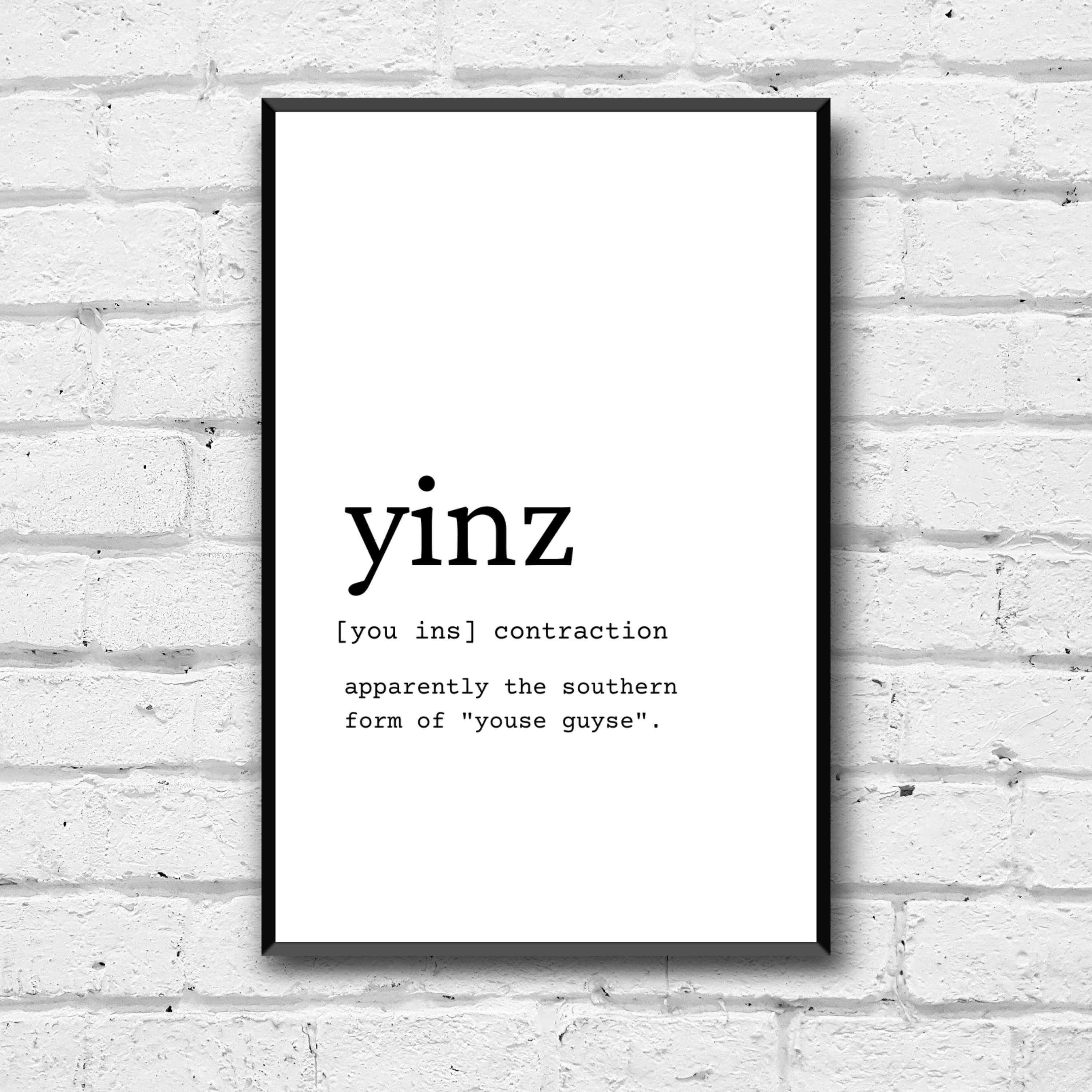
In the world of linguistics, “yinz” is a second-person plural pronoun native to Western Pennsylvania, specifically Pittsburgh. It is the northern equivalent of the Southern “y’all” or the New York “yous.” But for brand strategists, marketing executives, and community builders, “yinz” represents far more than a grammatical quirk. It is a masterclass in regional identity, a symbol of cultural “in-grouping,” and a powerful tool for building brand equity through hyper-local resonance.
Understanding what “yinz” means in a professional branding context requires looking past the dictionary definition. It requires an analysis of how language functions as a social glue and how brands can leverage regional vernacular to transform from faceless corporations into trusted community members.
The Semantics of Community: Decoding “Yinz” as a Brand Asset
To understand the branding potential of a word like “yinz,” one must first understand the concept of the “Yinzer” identity. This isn’t just a way of speaking; it is a badge of blue-collar pride, resilience, and industrial heritage. When a brand adopts this language, it is signaling an alignment with these specific values.
Linguistic Identity and the “In-Group” Effect
In branding, the “In-Group” effect is a psychological phenomenon where consumers feel a sense of belonging and preference for entities that share their specific characteristics. When a brand uses a term like “yinz” correctly, it immediately signals that it is “one of us.” This reduces the friction of cold marketing. Instead of a brand shouting at an audience, it is speaking with them.
For a brand, using regional vernacular is a shortcut to establishing trust. In a world where globalism has homogenized much of our shopping and dining experiences, the “In-Group” signal provided by local dialect offers a refreshing sense of recognition.
From Dialect to Cultural Currency
“Yinz” has evolved from a simple contraction (derived from “you ones”) into a form of cultural currency. In the branding landscape, currency is anything that adds value to a social interaction. By integrating local slang into marketing collateral—whether it’s a billboard on the Parkway East or a localized social media ad—a brand is spending its cultural capital to buy emotional engagement.
However, this currency has a volatile exchange rate. Use it authentically, and your brand loyalty skyrockets. Use it incorrectly, and you risk being labeled an “outlander” or a “carpetbagger,” which can permanently damage brand reputation in tight-knit communities.
Localism as a Competitive Edge in Global Marketing
As digital commerce makes it easier than ever to buy from anywhere in the world, the “Global-Local Paradox” has emerged. The more global the marketplace becomes, the more consumers crave local roots. This is where “yinz-based branding” becomes a strategic competitive edge.
The Rise of Hyper-Local Branding
Hyper-local branding is the practice of tailoring marketing efforts to a very specific geographic area or community. While national brands often struggle with a “one-size-fits-all” approach, savvy marketers are using regional identifiers to create localized sub-brands.
For example, a national beverage company might launch a “Cheers, Yinz” campaign specifically in the Western Pennsylvania market. This doesn’t just sell a product; it sells a shared experience. It tells the local consumer that the brand sees them, understands their unique culture, and respects their traditions. This level of specificity is something a generic global competitor cannot easily replicate.
Building Authenticity through Vernacular
Authenticity is the most sought-after trait in modern brand strategy. Today’s consumers—especially Millennials and Gen Z—possess high-functioning “marketing filters.” They can smell a disingenuous sales pitch from miles away.
Utilizing regional terminology like “yinz” allows a brand to bypass these filters by appearing “organic.” However, the strategy must go deeper than just the word itself. Authenticity in branding means understanding the ethos of the word. “Yinz” carries connotations of hard work, sports fanaticism (the “Black and Gold”), and a “neighbor-helping-neighbor” attitude. A brand that uses the word but doesn’t embody these values will eventually be exposed as inauthentic.

Case Studies: Brands that Mastered the “Yinzer” Persona
Several brands have successfully navigated the complexities of regional branding by leaning into the Pittsburgh identity. These examples provide a roadmap for how other brands can use regionalism to solidify their market position.
Sports Franchises and Emotional Equity
The Pittsburgh Steelers, Penguins, and Pirates are the ultimate “Yinz” brands. They don’t just play in the city; they are the city’s heartbeat. Their branding rarely needs to use the word “yinz” explicitly because their entire identity is built on the values that the word represents.
By wearing the city’s colors and engaging in community initiatives that mirror the gritty, resilient nature of the population, these franchises have created “emotional equity.” When a fan says, “I love yinz guys,” referring to the team, they are expressing a deep-seated brand loyalty that transcends wins and losses.
CPG Brands and the “Homegrown” Advantage
Heinz is perhaps the most famous example of a brand that has leveraged its Pittsburgh origins to build a global powerhouse. Even as a multinational conglomerate, Heinz maintains a “homegrown” feel in its original market.
Local breweries and food brands often use the “Yinzer” archetype even more overtly. By naming products after local landmarks or using “yinz” in their slogans, they create a defensive moat around their business. A local “Yinzer-approved” craft beer has a narrative that a national light beer simply cannot match, allowing the local brand to command a premium price and fierce customer loyalty.
Risks and Rewards: The Fine Line Between Appropriation and Appreciation
While the rewards of regional branding are significant, the risks of “Pandering” are equally high. Navigating this fine line is the difference between a successful campaign and a public relations disaster.
Avoiding the “How Do You Do, Fellow Kids?” Trap
There is a common trope in marketing where a brand tries too hard to be “cool” or “local,” resulting in a cringeworthy attempt at connection. In branding circles, this is often compared to the “How do you do, fellow kids?” meme.
If a luxury fashion brand from Milan suddenly starts using “yinz” in its advertising without any prior connection to the region, the local population will likely view it as cynical appropriation. For regional branding to work, there must be a legitimate “Reason to Believe” (RTB). The brand must show that it has invested in the community, employs local people, or has a historical tie to the area.
Long-term Sustainability of Dialect-Based Branding
Language is fluid. While “yinz” has been a staple of the Pittsburgh dialect for generations, dialects can shift over time. Relying too heavily on a single linguistic marker can make a brand feel “dated” if the younger generation moves toward more modernized speech patterns.
The key to long-term sustainability is to use the dialect as a gateway to the culture, rather than the entire foundation of the brand. A brand should use “yinz” to open the door, but it must keep the customer inside the room by delivering quality products and consistent community engagement.
The Future of Regional Branding in a Digital World
As we move further into the era of AI-driven marketing and global e-commerce, the human touch of regional identity becomes even more valuable. “Yinz” is more than just a word; it is a case study in how specific, localized language can cut through the noise of a crowded digital landscape.
For brand strategists, the lesson is clear: Don’t be afraid of the “local.” In the pursuit of reaching everyone, many brands end up reaching no one. By identifying the “yinz” of your specific market—the unique words, values, and traditions that define a community—you can build a brand that is not just seen, but felt.
Authentic branding is about belonging. Whether you are selling software in Silicon Valley or steel in Pittsburgh, speaking the language of your audience is the first step toward building a lasting legacy. In the end, understanding “what yinz means” is about understanding the human desire to be part of something bigger than ourselves—a community that speaks our language and shares our values.
aViewFromTheCave is a participant in the Amazon Services LLC Associates Program, an affiliate advertising program designed to provide a means for sites to earn advertising fees by advertising and linking to Amazon.com. Amazon, the Amazon logo, AmazonSupply, and the AmazonSupply logo are trademarks of Amazon.com, Inc. or its affiliates. As an Amazon Associate we earn affiliate commissions from qualifying purchases.