
The word “traumatizing” is used with increasing frequency, often in casual conversation. We might hear someone describe a difficult exam as “traumatizing” or a particularly bad customer service experience as “traumatizing.” While these situations can undoubtedly be unpleasant, they don’t typically align with the clinical definition of trauma. Understanding what traumatizing truly means is crucial, not only for personal well-being but also for how we perceive and interact within the digital landscapes that dominate our lives. In a world increasingly shaped by technology, brand narratives, and financial pressures, the concept of trauma can manifest in unique and pervasive ways.
This article will delve into the true meaning of traumatizing, exploring its psychological underpinnings. We will then examine how these concepts intersect with the digital realm, touching upon technology’s role in both inflicting and healing trauma, how brands can inadvertently (or intentionally) traumatize their audiences, and the financial stressors that can have deeply traumatic consequences.
The Core Meaning of Traumatizing: Beyond Everyday Discomfort
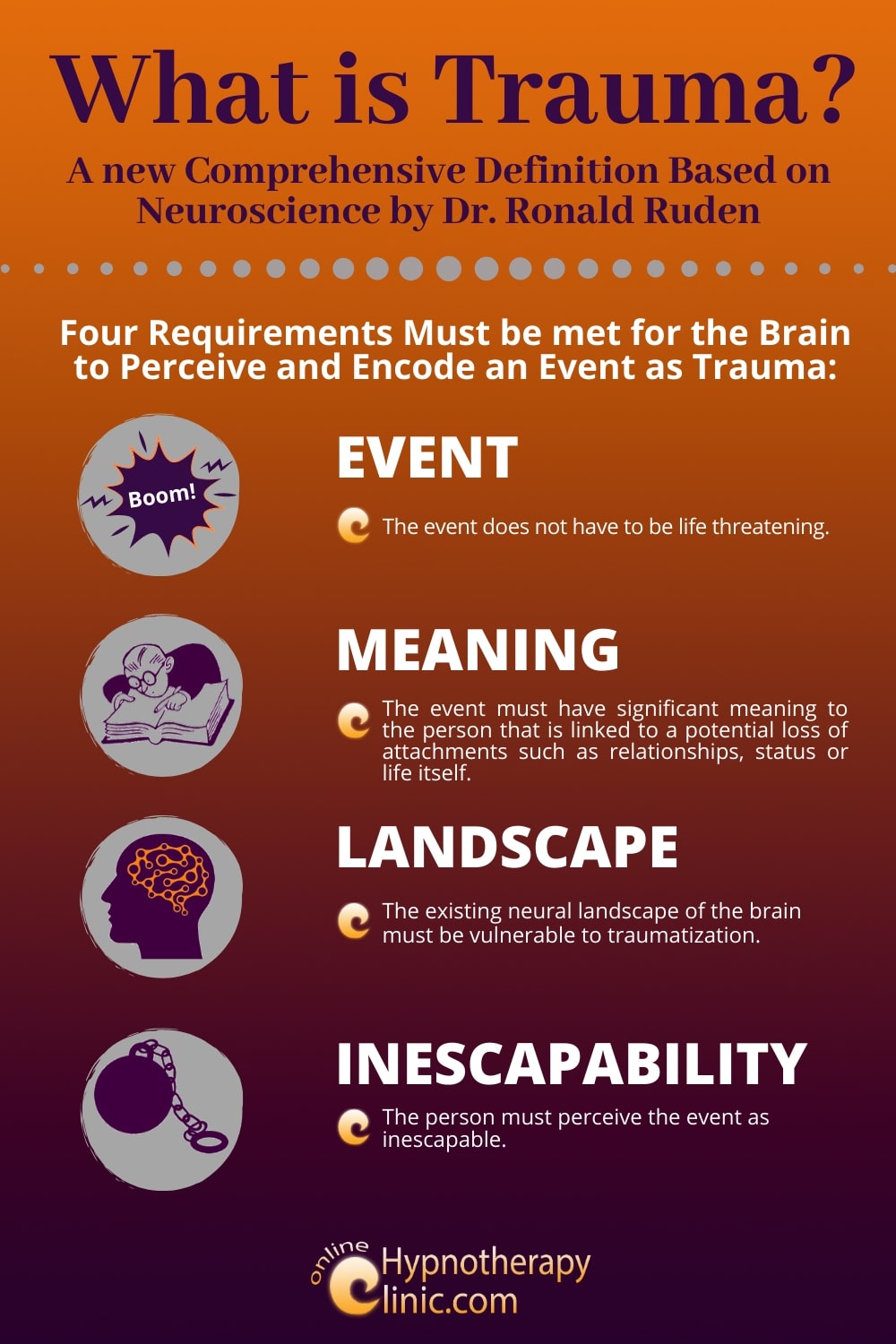
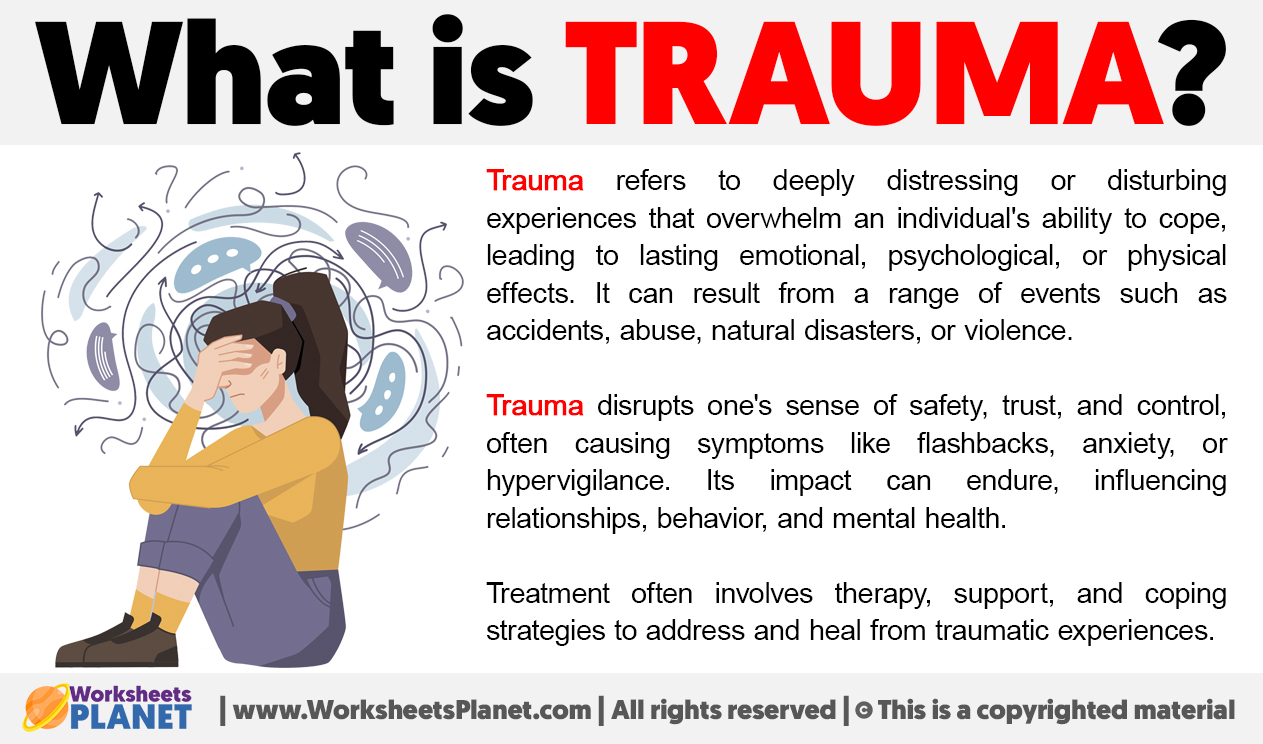
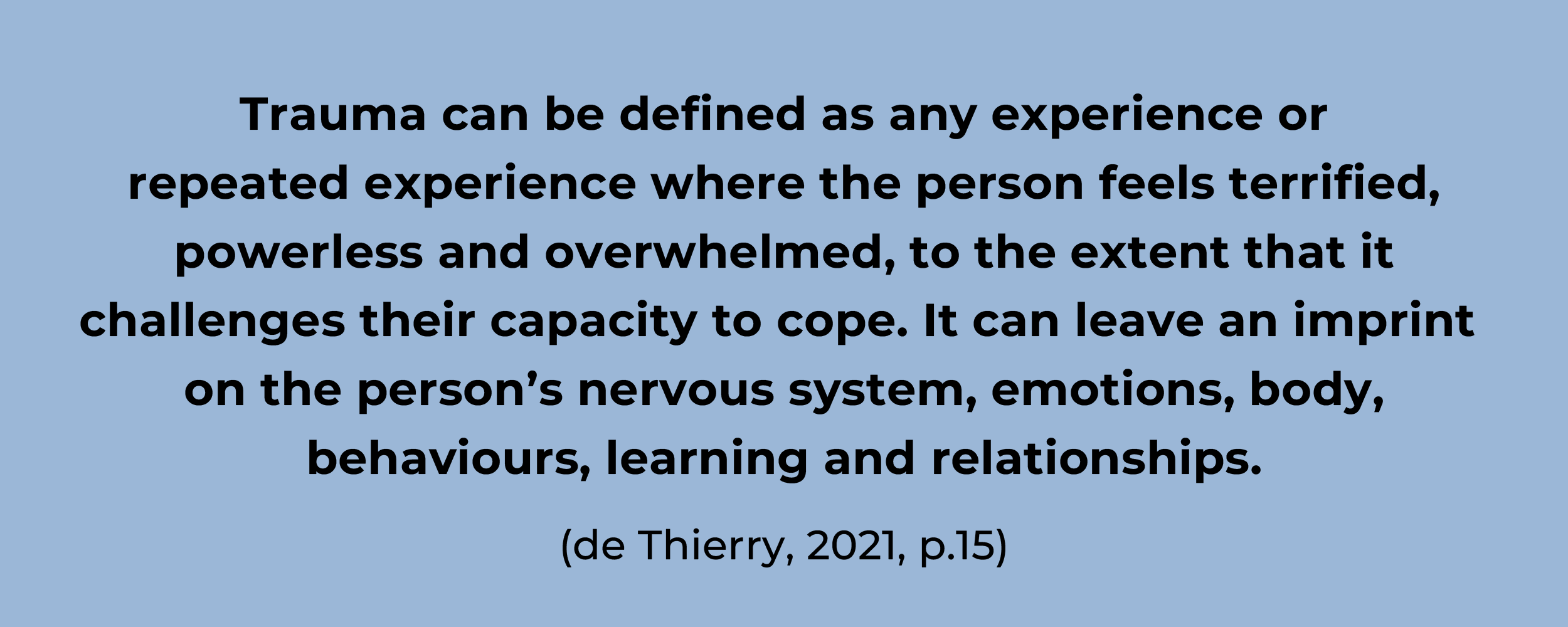
At its heart, traumatizing refers to an event or series of events that overwhelms an individual’s capacity to cope, leading to profound psychological distress and lasting negative effects. It’s not simply about experiencing something unpleasant; it’s about experiencing something that shakes the very foundation of one’s sense of safety, security, and self.
Understanding Psychological Trauma
Psychological trauma occurs when an individual experiences or witnesses an event that involves actual or threatened death, serious injury, or sexual violation. These events are characterized by intense fear, helplessness, and horror. The mind’s natural response to such overwhelming stimuli is to try and protect itself, often leading to a disruption of normal cognitive, emotional, and behavioral functioning.
Key characteristics of traumatizing events include:
- Suddenness and Unexpectedness: Trauma often strikes without warning, leaving individuals unprepared and vulnerable.
- Severity of Threat: The perceived threat to life or well-being is paramount. This isn’t about a minor inconvenience; it’s about a serious danger.
- Lack of Control: A fundamental aspect of trauma is the feeling of powerlessness and an inability to influence or escape the situation.
- Violation of Safety: The event fundamentally shatters a person’s sense of safety and predictability in the world.
The aftermath of a traumatizing event can manifest in various ways, including:
- Intrusive Symptoms: Flashbacks, nightmares, and intrusive thoughts about the event.
- Avoidance Behaviors: Actively avoiding people, places, or activities that remind one of the trauma.
- Negative Alterations in Cognition and Mood: Persistent negative beliefs about oneself or the world, feelings of detachment, and difficulty experiencing positive emotions.
- Arousal and Reactivity Symptoms: Hypervigilance, exaggerated startle responses, irritability, and difficulty concentrating.
It’s important to distinguish these profound and debilitating reactions from everyday stress or discomfort. While stress can be taxing, trauma fundamentally alters an individual’s psychological landscape.
The Spectrum of Trauma: From Single Events to Complex Experiences
Trauma can stem from single, acute events, such as a natural disaster, a serious accident, or an assault. However, it can also arise from prolonged and repeated experiences, often referred to as complex trauma. This type of trauma typically occurs during developmental periods and can include chronic neglect, abuse, or exposure to ongoing violence. The cumulative impact of complex trauma can lead to more pervasive and deeply ingrained psychological difficulties, affecting personality development, relationships, and overall functioning.
The concept of vicarious trauma is also relevant, particularly in our digitally connected world. This occurs when individuals are exposed to the traumatic experiences of others, often through their work (e.g., therapists, first responders) or through media consumption. Witnessing graphic content or hearing deeply distressing accounts can, over time, lead to a similar constellation of symptoms to direct trauma.
Tech’s Double-Edged Sword: Facilitating Connection and Causing Distress
Technology, an omnipresent force in modern life, plays a complex role in how we experience and process information, including that which can be traumatizing. Its ability to connect us globally and provide access to vast resources is undeniable, yet it also presents new avenues for harm and distress.
AI, Algorithms, and the Amplification of Trauma
The rise of Artificial Intelligence (AI) and sophisticated algorithms has brought about unprecedented levels of personalization and efficiency in our digital interactions. However, these same technologies can inadvertently contribute to traumatizing experiences:
- Echo Chambers and Polarization: Algorithms designed to keep users engaged can create echo chambers where individuals are primarily exposed to content that reinforces their existing beliefs. This can amplify anxieties, fuel divisive narratives, and, in extreme cases, expose individuals to extremist ideologies that normalize violence or hatred, potentially creating a form of ideological trauma.
- Misinformation and Disinformation Campaigns: Malicious actors can leverage AI-powered tools to generate and disseminate convincing misinformation and disinformation at scale. This can be particularly traumatizing during times of crisis or significant societal events, as it erodes trust in institutions and can incite panic or fear.
- Targeted Harassment and Cyberbullying: Advanced analytics allow for highly personalized and targeted harassment campaigns. This can range from the spread of deeply personal and damaging information to orchestrated online attacks designed to isolate and demoralize individuals, leading to significant psychological distress.
- The “Doomscrolling” Phenomenon: The constant influx of negative news and disturbing content, amplified by algorithmic recommendations, can lead to “doomscrolling.” This obsessive consumption of negative information can induce feelings of anxiety, hopelessness, and even vicarious trauma, blurring the lines between staying informed and being psychologically overwhelmed.
Digital Security and the Trauma of Breach
Digital security is no longer a niche concern; it’s a fundamental aspect of personal safety. The compromise of personal data, whether through hacking, phishing scams, or data breaches, can be a deeply traumatizing experience.
- Identity Theft and Financial Ruin: When sensitive personal information is stolen, individuals can face the daunting prospect of identity theft, which can lead to financial ruin, reputational damage, and immense stress. The feeling of vulnerability and the arduous process of recovering from such a breach can be profoundly traumatizing.
- Loss of Privacy and Trust: The violation of digital privacy can lead to a pervasive sense of insecurity and a loss of trust in online platforms and even in people who might have access to that compromised information. This erosion of trust can have lasting psychological effects.
- Cyberstalking and Harassment: Breached data can be used for cyberstalking and harassment, subjecting individuals to ongoing fear and distress. The constant threat of exposure or further harm can create a state of hypervigilance and anxiety.
Apps and Gadgets: From Productivity Tools to Sources of Stress
The very devices and applications designed to enhance our lives can also, paradoxically, contribute to feelings of being overwhelmed and traumatized.
- Information Overload and Constant Connectivity: The pervasive nature of smartphones and the constant stream of notifications can lead to information overload. The pressure to be constantly available and responsive can blur the lines between work and personal life, leading to burnout and a sense of perpetual stress that can chip away at mental well-being.
- The Illusion of Perfection on Social Media: While social media can foster connection, it can also be a breeding ground for comparison and inadequacy. The curated and often idealized portrayals of others’ lives can lead to feelings of envy, self-doubt, and a sense of not measuring up, contributing to a subtle but pervasive form of psychological distress.
- Addictive Design: Many apps and platforms are designed using principles of behavioral psychology to be addictive. This can lead to compulsive usage patterns that interfere with other aspects of life, causing distress and feelings of a loss of control.
However, technology also offers avenues for healing and support. Online therapy platforms, mental health apps, and online support communities can provide crucial resources for individuals seeking help after experiencing trauma. The accessibility of information about mental health can also empower individuals to understand their experiences and seek appropriate interventions.
Brand’s Influence: Shaping Perceptions and Navigating Ethical Boundaries
Brands wield significant influence in our lives, shaping our desires, perceptions, and even our sense of identity. While many brands strive to create positive connections, the way they operate can sometimes lead to experiences that are deeply unsettling or even traumatizing for consumers.
The Ethics of Persuasion: When Marketing Becomes Manipulative
The line between effective marketing and manipulative practices can be thin. When brands cross this line, they risk causing significant distress to their audience.
- Exploitative Advertising: Brands that prey on insecurities, fears, or vulnerabilities for profit can be deeply damaging. For example, advertising that promotes unrealistic body image standards, fosters financial anxieties, or capitalizes on societal divisions can contribute to widespread feelings of inadequacy and distress.
- Deceptive Practices and False Promises: When brands make false promises or engage in deceptive practices, consumers can feel betrayed and manipulated. The disappointment and financial loss incurred can, in some cases, be experienced as a form of trauma, especially if it’s a significant purchase or a recurring issue.
- Unsolicited and Intrusive Marketing: Overly aggressive or intrusive marketing tactics, such as relentless spamming or invasive retargeting, can feel like a violation of personal space and autonomy, contributing to feelings of overwhelm and annoyance that can escalate.
Personal Branding and the Pressure to Perform
In the digital age, the concept of personal branding has become increasingly important, both for individuals and for professionals. While it can be a powerful tool for career advancement and self-expression, it can also become a source of significant stress and a breeding ground for unhealthy comparisons.
- The Performance of Authenticity: The pressure to present an authentic yet polished version of oneself online can lead to constant self-monitoring and anxiety. When the curated persona doesn’t align with reality, it can create internal conflict and a sense of inauthenticity, which can be psychologically taxing.
- The Fear of Cancel Culture: The pervasive threat of “cancel culture” can create a climate of fear and self-censorship. Individuals may feel constantly on edge, worried that a misstep or a poorly worded comment could lead to public shaming and professional repercussions, leading to a form of preemptive trauma.
- Comparison and Envy: Constantly being exposed to the perceived successes and polished lives of others in the personal branding space can fuel comparison and envy. This can lead to feelings of inadequacy and a sense that one is not doing enough, impacting self-esteem.
Corporate Identity and the Impact of Brand Missteps
A brand’s corporate identity is its public face. When this identity is built on a foundation of unethical practices or leads to significant societal harm, it can have a traumatizing impact on stakeholders, employees, and even the general public.
- Scandals and Ethical Lapses: Major corporate scandals, such as those involving environmental damage, worker exploitation, or financial fraud, can erode public trust and create widespread disillusionment. The realization that a trusted brand is involved in harmful practices can be a deeply unsettling and, for some, traumatizing experience, challenging their understanding of corporate responsibility.
- Brand Rejection and Boycotts: Consumers who have had negative or harmful experiences with a brand may engage in boycotts and public condemnation. While this is a form of consumer empowerment, the process of widespread criticism and rejection can also be a deeply scarring experience for individuals associated with the brand.
Money Matters: Financial Stress as a Pathway to Trauma
Financial well-being is a cornerstone of a stable life. Conversely, severe financial instability and distress can have profound and lasting psychological consequences, often leading to experiences that are deeply traumatizing.
The Crushing Weight of Debt and Financial Instability
For many, the struggle with debt and precarious financial situations is a daily reality that can take a severe toll on mental health.
- The Cycle of Worry and Hopelessness: Constant worry about making ends meet, the inability to pay bills, and the looming threat of eviction or bankruptcy can create a relentless cycle of anxiety and hopelessness. This chronic stress can disrupt sleep, impact physical health, and lead to feelings of despair.
- Stigma and Shame: The societal stigma surrounding financial struggles can lead to immense shame and isolation. Individuals may feel embarrassed to ask for help, leading to a worsening of their situation and a deepening sense of being alone and unsupported.
- Impact on Relationships: Financial stress is a major contributor to relationship breakdown. The constant tension and arguments over money can strain even the strongest bonds, leading to feelings of guilt and regret.
Investing and the Trauma of Loss
While investing can be a path to financial security, it also carries inherent risks. Significant financial losses in investments can be a deeply traumatizing experience.
- Loss of Life Savings: For individuals who have invested their life savings, a substantial market downturn or a poorly chosen investment can result in the loss of what they had painstakingly accumulated over years, if not decades. This can lead to profound feelings of regret, anxiety about the future, and a loss of security.
- Guilt and Self-Blame: Investors who experience significant losses may engage in intense self-blame, questioning their decisions and feeling personally responsible for the outcome. This can lead to persistent rumination and a damaged sense of self-efficacy.
- Fear of Future Financial Decisions: After a significant investment loss, individuals may develop a deep-seated fear of making any future financial decisions, leading to paralysis and missed opportunities for growth and security.
Online Income and the Perils of the Gig Economy
The allure of online income and the flexibility of the gig economy can be enticing, but it also presents its own set of financial vulnerabilities that can lead to traumatizing experiences.
- Unpredictable Income Streams: The inconsistent nature of income in many gig economy roles can create constant financial uncertainty. Not knowing how much money will be earned in a given month can be a source of chronic anxiety and make long-term financial planning incredibly difficult.
- Exploitative Platforms and Low Wages: Some online platforms offer low wages and unfavorable working conditions, leaving gig workers struggling to earn a living wage. This can lead to feelings of exploitation and a sense of being trapped in a cycle of poverty.
- Scams and Fraud: The online space is rife with scams and fraudulent investment opportunities. Individuals seeking to earn money online are particularly vulnerable to these schemes, which can lead to significant financial losses and a profound sense of betrayal.
Conclusion: Towards a More Empathetic and Resilient Future
Understanding what traumatizing truly means is vital. It moves beyond mere discomfort and delves into experiences that fundamentally challenge our sense of safety, security, and well-being. In our interconnected world, technology, brand narratives, and financial pressures all play significant roles in shaping our experiences, and it is crucial to be mindful of their potential to inflict harm.
By recognizing the true impact of traumatizing events, we can foster greater empathy and develop more robust strategies for prevention and healing. This involves critical engagement with the technologies we use, ethical considerations in brand building, and a societal commitment to addressing financial inequalities. Ultimately, by fostering awareness and promoting responsible practices across these domains, we can strive to create a digital and real-world landscape that is more supportive, less damaging, and ultimately, more conducive to human flourishing.
aViewFromTheCave is a participant in the Amazon Services LLC Associates Program, an affiliate advertising program designed to provide a means for sites to earn advertising fees by advertising and linking to Amazon.com. Amazon, the Amazon logo, AmazonSupply, and the AmazonSupply logo are trademarks of Amazon.com, Inc. or its affiliates. As an Amazon Associate we earn affiliate commissions from qualifying purchases.