
The hum of a finely tuned motorcycle engine is a symphony of mechanical precision and electrical ingenuity. While many riders focus on horsepower, torque, or the roar of the exhaust, a crucial yet often overlooked component ensures the entire electrical system operates flawlessly: the stator. Far from a passive part, the stator is the unsung hero that keeps your lights bright, your ignition firing, and your battery charged. Understanding its function is not just for mechanics; it empowers every rider with a deeper appreciation for their machine’s inner workings and the critical role this seemingly simple component plays in the complex dance of power generation.
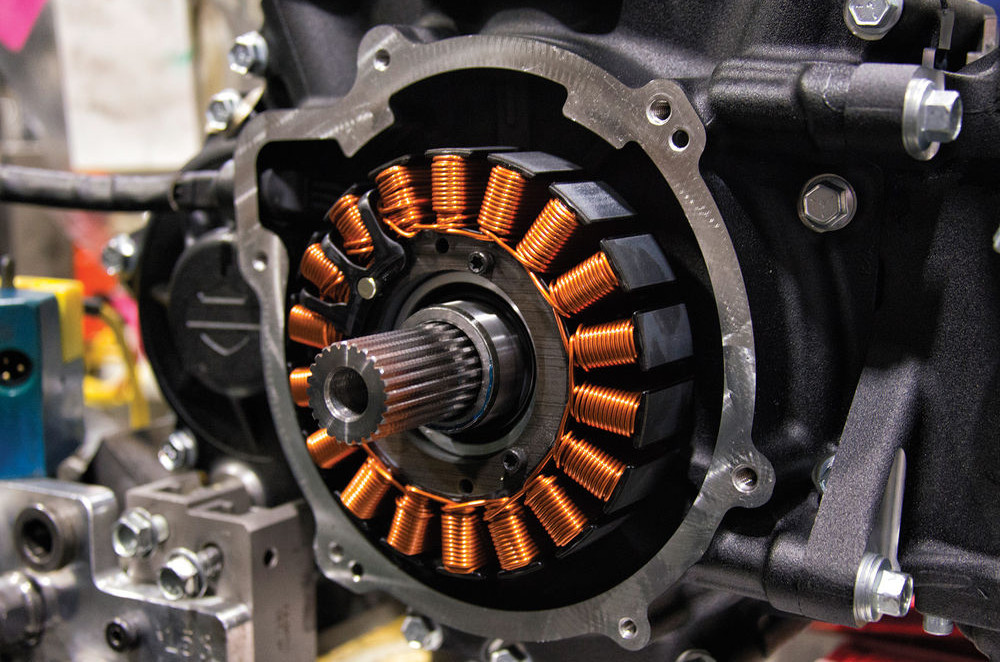
In essence, the stator is the stationary part of an alternating current (AC) generator, forming the backbone of your motorcycle’s charging system. Without a functioning stator, your motorcycle would quickly deplete its battery, leaving you stranded and your sophisticated electronics lifeless. This article delves into the intricate world of the stator, demystifying its operation, highlighting its vital importance, and equipping you with the knowledge to appreciate its silent, relentless contribution to every ride.
The Heart of Your Motorcycle’s Electrical System
At its core, a motorcycle is an intricate network of systems, each relying on a steady supply of electrical power. From the moment you turn the key, ignite the spark plugs, and illuminate the dashboard, electricity is flowing. The stator is the primary generator of this power, converting mechanical energy from the engine into electrical energy. It’s a fundamental component that distinguishes modern motorcycles with their array of electronic features from simpler, older machines that might have relied solely on a magneto for ignition.
Powering Essential Components
The demands on a motorcycle’s electrical system have grown exponentially with advancements in technology. Today’s bikes feature sophisticated electronic fuel injection (EFI) systems, anti-lock braking systems (ABS), traction control, LED lighting, digital dashboards, heated grips, and even integrated GPS systems. All these components require a constant, stable supply of electricity to function correctly. The stator is the workhorse responsible for generating enough power to run these accessories while simultaneously recharging the battery.
Think of it this way: your motorcycle battery provides the initial surge of power to start the engine. Once the engine is running, the stator takes over, generating the bulk of the electrical power needed. If the stator isn’t producing adequate current, the battery will bear the brunt of the load, leading to rapid discharge and eventual failure. This critical role ensures that your ride is not only possible but also safe and comfortable, with all systems operating at their optimal performance.
The AC/DC Transformation
A key aspect of the stator’s function lies in its output: alternating current (AC). Unlike the direct current (DC) stored in your motorcycle battery and used by most of its electrical components, the stator naturally produces AC power. This is a characteristic of electromagnetic generators. However, your motorcycle’s systems require DC power. This necessitates a crucial conversion process, which the stator initiates but doesn’t complete on its own. It works in conjunction with another vital component, the regulator/rectifier, to transform the raw AC power into usable DC power, ensuring a seamless flow of electricity throughout the bike. Without the stator’s initial AC generation, this entire conversion process wouldn’t even begin.
How the Stator Generates Electricity
The principle behind the stator’s operation is elegant yet fundamental to physics: electromagnetic induction. This concept, discovered by Michael Faraday, explains how a changing magnetic field through a coil of wire can induce an electric current. In a motorcycle, the engine provides the mechanical energy to create this changing magnetic field, and the stator is meticulously designed to harness it.
Principles of Electromagnetic Induction
The stator itself is a stationary coil of copper wire wound around a laminated iron core, often shaped like a ring or crescent. Surrounding or passing through this stator is a rotor, which is equipped with permanent magnets. As the motorcycle engine runs, it spins the rotor. When these magnets on the rotor move past the coils of wire in the stator, their magnetic fields cut through the copper windings. This interaction – the relative motion between the magnetic fields and the conductors (the copper wires) – induces an electromotive force (EMF), which is essentially voltage, thereby generating an electric current within the stator coils. The faster the engine spins, the faster the rotor magnets move, and thus, the more electricity the stator generates.
Components: Coils, Magnets, and Rotor
To fully appreciate the stator, it’s helpful to understand its main constituent parts and how they interact:
- Stator Coils: These are the multiple windings of insulated copper wire strategically placed around the stator’s core. The number of coils (or poles) and the thickness of the wire determine the stator’s power output characteristics.
- Stator Core: Typically made of laminated iron, this core provides a path for the magnetic flux and supports the copper windings. Lamination helps reduce eddy currents, which are unwanted currents that can reduce efficiency.
- Rotor: This is the rotating component, often integrated into the flywheel, which is directly connected to the crankshaft. The rotor houses an array of permanent magnets (or sometimes electromagnets that are energized by a small current). As the crankshaft turns, the rotor spins, creating the necessary relative motion against the stationary stator.
The precise arrangement and interaction of these components are critical for efficient power generation. Each coil generates current in a particular phase, and modern stators often feature multiple phases (e.g., three-phase stators) to produce a smoother, more efficient power output.
The Alternating Current Output
As the rotor spins, the magnets alternately present North and South poles to the stator coils. This causes the direction of the magnetic field cutting through the coils to reverse periodically, which in turn causes the direction of the induced current to reverse. This periodic reversal of current flow is the defining characteristic of alternating current (AC). The frequency of this AC (how many times it reverses direction per second) is directly proportional to the engine’s RPM. The voltage and current generated also vary with engine speed, meaning the stator’s raw output is far from a stable, consistent power source. This variability necessitates the subsequent stage of the charging system: regulation and rectification.
The Stator’s Crucial Role in the Charging System
The stator doesn’t operate in isolation; it’s an integral part of a sophisticated charging system designed to deliver consistent, regulated DC power to your motorcycle. Its collaboration with other components is what truly defines its function and importance.
Working in Tandem with the Regulator/Rectifier
Once the stator generates AC power, it’s sent to the regulator/rectifier (R/R). This component performs two critical functions:
- Rectification: It converts the alternating current (AC) from the stator into direct current (DC), which is what the battery and most of the motorcycle’s electronics require. This is typically achieved using a series of diodes that allow current to flow in only one direction.
- Regulation: It stabilizes the voltage output. The stator’s output voltage fluctuates significantly with engine RPM. The R/R ensures that the voltage supplied to the battery and electrical system remains within a safe and optimal range (typically around 13.5 to 14.5 volts for a 12-volt system). Without proper regulation, excessive voltage could overcharge the battery and damage sensitive electronic components, while insufficient voltage would lead to a discharged battery.
Therefore, while the stator is the generator, the R/R is the processor that refines its raw output into a usable and safe power supply. A fault in either component can cripple the entire electrical system.
Ensuring Battery Health and Longevity

The primary role of the charging system, spearheaded by the stator, is to keep the motorcycle’s battery topped up. The battery provides the initial surge for starting, but during operation, it relies on the stator to replenish the charge consumed and to power all active electrical components. A well-functioning stator ensures the battery is consistently maintained at its optimal charge level, preventing sulfation and prolonging its lifespan.
Conversely, a failing stator or regulator/rectifier will lead to chronic undercharging. This not only results in a dead battery but can also cause premature battery degradation, forcing frequent replacements. Thus, the stator is not just about producing electricity; it’s about sustaining the very heart of your motorcycle’s electrical storage.
Supporting Modern Motorcycle Electronics
Beyond just charging the battery, the stator provides the continuous current needed to power the increasing array of electronics found on contemporary motorcycles. From sophisticated engine control units (ECUs) managing fuel injection and ignition timing to advanced safety features like ABS and traction control, these systems demand a robust and reliable power source.
If the stator’s output is insufficient or erratic, these sensitive electronics can malfunction, leading to performance issues, fault codes, or even complete system shutdowns. In high-performance motorcycles, the stator must be capable of generating significant power to meet the demands of advanced ride-by-wire throttles, quick shifters, and various riding modes, all of which rely heavily on precise electrical signals. The stator, therefore, directly contributes to the modern riding experience, enabling the advanced features that riders have come to expect.
Recognizing Stator Issues and Their Impact
Like any mechanical or electrical component exposed to heat, vibration, and continuous operation, stators can eventually fail. Recognizing the signs of a faulty stator is crucial for preventing more severe issues and ensuring your motorcycle remains reliable.
Common Symptoms of Stator Failure
Several tell-tale signs can indicate a stator is nearing its end or has already failed:
- Dim or Flickering Headlights: One of the most common and noticeable symptoms. If your lights dim significantly at idle and brighten with RPM, or if they flicker inconsistently, it could point to a stator struggling to produce adequate power.
- Weak Battery or Frequent Battery Drains: If your battery constantly dies, even after being fully charged, or struggles to crank the engine, and the battery itself tests good, the stator might not be recharging it effectively.
- Motorcycle Stalling or Misfiring: An underperforming stator can lead to insufficient power for the ignition system, resulting in inconsistent spark delivery, causing the engine to misfire, run poorly, or even stall, especially at low RPMs.
- Burning Smell: Overheated stators can emit a distinct burning smell, often described as burnt plastic or electrical insulation. This indicates severe overheating and imminent failure.
- Error Codes or Warning Lights: Many modern motorcycles have dashboard warning lights (e.g., a battery light or “check engine” light) that illuminate when the charging system detects a fault.
- Visible Damage (Upon Inspection): If you open the stator cover, you might see discolored (burnt), melted, or frayed windings on the stator coils.
Diagnosing a Faulty Stator
Proper diagnosis often involves a few simple tests, typically performed with a multimeter:
- AC Voltage Test: Disconnect the stator from the regulator/rectifier and measure the AC voltage output across each phase (wire pair) while the engine is running. Refer to your service manual for the specified voltage ranges at various RPMs. Significant deviations or zero readings indicate a problem.
- Continuity Test (Resistance/Ohms): With the engine off, check the resistance across each phase of the stator. Again, consult your service manual for the correct resistance values. Readings outside the specified range or open circuits (infinite resistance) indicate a fault.
- Grounding Test: Check for continuity between each stator wire and ground (the engine case). There should be no continuity. If there is, it indicates a short to ground, which is a common mode of failure.
These tests, when performed correctly, can accurately pinpoint whether the stator is the culprit or if the issue lies with the regulator/rectifier or the battery itself.
Consequences of Neglecting Stator Problems
Ignoring the early warning signs of a failing stator can lead to a cascade of problems, transforming a relatively straightforward repair into a more costly and inconvenient ordeal.
- Stranded on the Road: The most immediate consequence is being left with a dead battery and an unstartable motorcycle, often far from home or assistance.
- Battery Damage: Continuous undercharging or inconsistent charging cycles can permanently damage your battery, necessitating its replacement sooner than expected.
- Damage to Other Electrical Components: While the regulator/rectifier is designed to protect against voltage spikes, an erratic or failing stator can sometimes put undue stress on the R/R itself, leading to its premature failure. In extreme cases, unstable power can even affect sensitive electronics like the ECU, although this is less common with a functional R/R.
- Reduced Performance and Safety: Erratic power supply can lead to dim lights (compromising night visibility), unreliable ignition (leading to power loss), and malfunctioning safety systems (like ABS), thereby compromising both performance and rider safety.
Timely diagnosis and replacement of a faulty stator are essential for maintaining the overall health, reliability, and safety of your motorcycle.
Maintaining Your Motorcycle’s Stator for Optimal Performance
While stators are generally robust and designed for longevity, a proactive approach to maintenance and an understanding of factors influencing their lifespan can help ensure your charging system remains in peak condition.
Regular Inspections and Preventative Measures
Although the stator itself is encased and not typically subject to routine user maintenance, inspecting related components and understanding operational factors can be beneficial:
- Oil Level and Quality: In many motorcycles, especially those with a wet clutch, the stator operates immersed in engine oil. Maintaining the correct oil level and using the manufacturer-recommended oil type and change intervals is critical. Old or contaminated oil can lead to overheating and premature failure of the stator windings.
- Wiring Harness Inspection: Periodically check the visible portions of the wiring harness leading to and from the stator and regulator/rectifier for signs of chafing, corrosion, or heat damage. Secure any loose connections.
- Cooling System Health: For stators that are air-cooled or rely on the engine’s overall cooling, ensuring the engine runs at its optimal temperature helps prevent stator overheating.
- Battery Health: A healthy battery reduces the strain on the charging system. Regularly test your battery’s voltage and conduct load tests to ensure it’s holding a charge efficiently. A weak battery forces the stator to work harder.
Preventative measures largely revolve around maintaining the entire charging and engine system in good order, as these indirectly influence the stator’s operational environment.
The Importance of Quality Replacement Parts
When a stator fails, the temptation might be to opt for the cheapest replacement available. However, considering the critical role it plays, investing in a high-quality aftermarket or original equipment manufacturer (OEM) stator is often a wise decision.
- Material Quality: Premium stators use higher-grade copper wire with better insulation, which can withstand higher temperatures and vibrations more effectively. Inferior materials can lead to premature burnout.
- Construction Standards: The winding technique and lamination quality directly impact efficiency and durability. Reputable manufacturers adhere to stringent quality control, ensuring consistent power output and longer lifespan.
- Heat Dissipation: Well-designed stators facilitate better heat dissipation, which is crucial given they often operate in hot engine environments. Overheating is a primary cause of stator failure.
While a cheaper stator might save a few dollars upfront, the potential for early failure and the associated labor costs (or inconvenience if you do it yourself) can quickly negate any initial savings.

Extending the Lifespan of Your Charging System
Ultimately, understanding what the stator does empowers you to contribute to its longevity and the overall health of your motorcycle’s electrical system.
- Avoid Excessive Electrical Loads: While modern stators are powerful, continuously running numerous high-draw accessories (e.g., multiple auxiliary lights, heated gear, phone chargers) can put a significant strain on the charging system, especially at lower RPMs where the stator’s output is reduced.
- Regular Voltage Checks: An annual or bi-annual check of your motorcycle’s charging voltage (at the battery terminals with the engine running at specific RPMs) can provide an early warning sign of a struggling stator or regulator/rectifier, allowing for preventative action before a complete failure occurs.
- Prompt Repair of Faults: Addressing any charging system issues promptly, whether it’s the stator, regulator/rectifier, or wiring, prevents a domino effect of failures.
In conclusion, the stator is far more than just a piece of metal and wire; it’s the tireless generator that breathes electrical life into your motorcycle. It enables every spark, illuminates every light, and powers every sophisticated electronic system that defines the modern riding experience. By understanding its function, appreciating its complexity, and recognizing the signs of potential issues, riders can ensure their two-wheeled companion remains a reliable, high-performing machine for many miles to come.
aViewFromTheCave is a participant in the Amazon Services LLC Associates Program, an affiliate advertising program designed to provide a means for sites to earn advertising fees by advertising and linking to Amazon.com. Amazon, the Amazon logo, AmazonSupply, and the AmazonSupply logo are trademarks of Amazon.com, Inc. or its affiliates. As an Amazon Associate we earn affiliate commissions from qualifying purchases.