
The Star-Spangled Banner, more than just a national anthem, is a potent symbol that embodies a complex tapestry of American history, identity, and enduring ideals. Its origins, deeply rooted in the crucible of conflict, have cemented its place not merely as a piece of music but as a visual and conceptual brand for a nation. Understanding what this iconic banner represents requires a dive into its historical context, its evolution as a symbol, and its persistent resonance in the American consciousness. It is a powerful case study in how a single artifact can become an indelible brand, shaping national narratives and influencing collective identity.
The Genesis of a Symbol: A Beacon in the Storm
The very existence of the Star-Spangled Banner is a testament to a pivotal moment in American history, a time when the young nation’s survival was anything but assured. The circumstances surrounding its creation imbued it with a profound significance that continues to resonate today.
The Battle of Baltimore and the Birth of a National Emblem
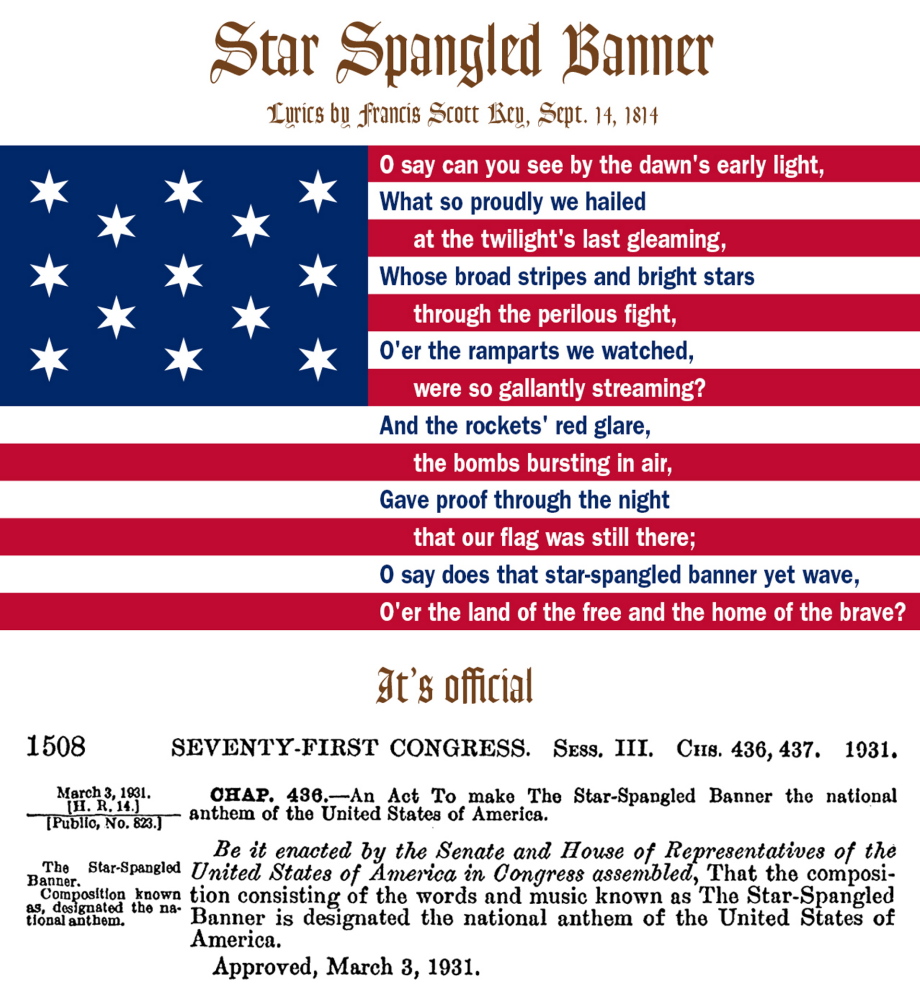
Francis Scott Key, a young lawyer and amateur poet, witnessed firsthand the bombardment of Fort McHenry in Baltimore on September 14, 1814, during the War of 1812. As British warships unleashed a relentless barrage, the fate of the fort, and by extension, the city, hung precariously in the balance. Key, having been detained on a British ship, watched with agonizing anticipation as the shells illuminated the night sky, searching for any sign of the American flag. The sight of the tattered Stars and Stripes still flying defiantly at dawn was not just a personal relief; it was a powerful visual affirmation of American resilience and a symbol of hope against overwhelming odds.
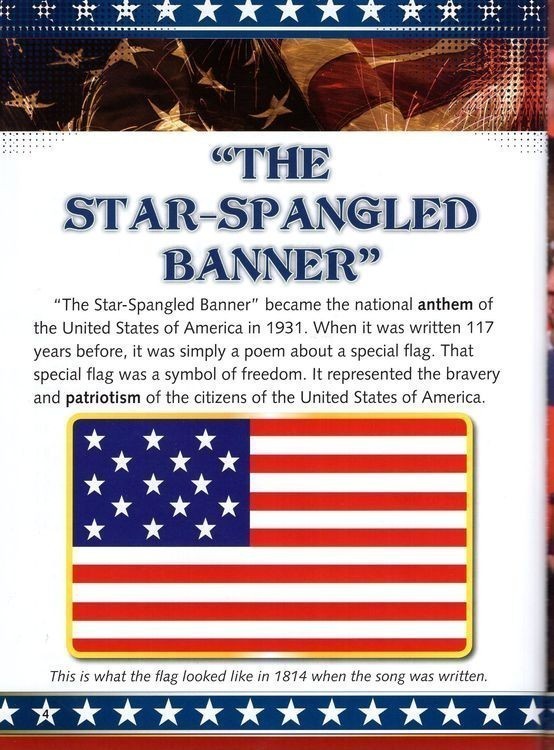
This harrowing experience was the direct impetus for Key to pen the poem that would eventually become “The Star-Spangled Banner.” The initial verses captured the drama and emotion of that night, focusing on the flag’s survival as a tangible representation of the nation’s unyielding spirit. The flag itself, originally measuring 30 by 42 feet and featuring 15 stars and 15 stripes (representing the admission of Vermont and Kentucky as states), was far more than a military ensign; it was a physical manifestation of the nascent American brand, proving its strength and endurance in the face of adversity.
Early Interpretations: Resilience and Sovereignty
In the immediate aftermath of the War of 1812, the flag’s symbolism was primarily understood through the lens of national pride and sovereignty. It represented the hard-won independence of the United States and its ability to defend itself against a global superpower. The act of the flag remaining aloft during such an intense assault was interpreted as a divine blessing or a testament to the inherent strength of the American experiment. This interpretation laid the groundwork for how the flag would be perceived as a core element of the American brand – one that signifies tenacity and an unwavering commitment to freedom.
The Evolving Brand Identity: From Battlefield to Cultural Icon
Over time, the meaning and representation of the Star-Spangled Banner have expanded far beyond its wartime origins. It has been adopted and integrated into the broader cultural and political branding of the United States, becoming a ubiquitous presence in national life.
From Poem to Anthem: Formalizing the Brand
While Key’s poem gained popularity quickly, it took over a century for “The Star-Spangled Banner” to be officially adopted as the U.S. national anthem. President Woodrow Wilson issued an executive order in 1916, and it was officially recognized by Congress in 1931. This formalization elevated the anthem’s status, solidifying its role as a key component of American public life. Singing the anthem at sporting events, official ceremonies, and military functions became a ritual, reinforcing the flag’s brand as a symbol of national unity and shared identity. This process mirrors how successful brands solidify their core messaging and integrate it into daily consumer touchpoints.
The Visual Brand: Stripes, Stars, and Their Meaning
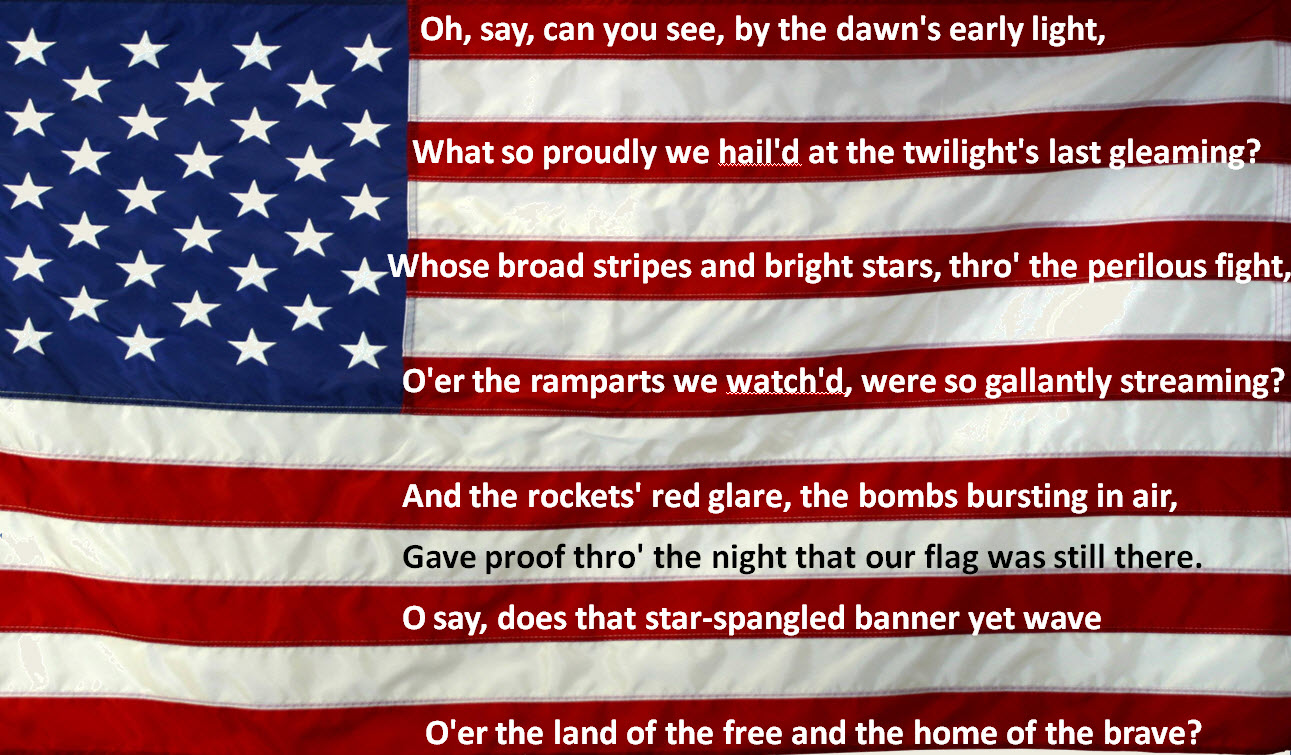
The visual design of the flag itself – the 50 stars and 13 stripes – carries significant symbolic weight, contributing to its potent brand identity. The 13 stripes represent the original thirteen colonies that declared independence from Great Britain, forming the bedrock of the nation. These stripes are a constant reminder of the nation’s origins and the sacrifices made to establish it.
The stars, now 50 in number, represent each of the individual states that comprise the United States. Their arrangement, often in rows on a blue field, signifies unity within diversity. Each star is distinct, yet together they form a constellation, symbolizing how individual states, with their unique identities and populations, coalesce to form a single, unified nation. This visual narrative of origin and unity is a powerful branding element, communicating a core message of inclusion and shared destiny.
Beyond Patriotism: Diverse Interpretations and the National Discourse
While undeniably a symbol of patriotism, the Star-Spangled Banner’s representation has also become a site of ongoing national dialogue, reflecting the diverse and sometimes contested nature of American identity.
A Symbol of Freedom and Democratic Ideals
At its heart, the Star-Spangled Banner represents the ideals that the United States strives to embody: freedom, liberty, and justice for all. The flag’s endurance, as depicted in Key’s poem, signifies the survival and persistence of these ideals. For many, it is a powerful reminder of the principles upon which the nation was founded, serving as a beacon of hope for those seeking freedom and opportunity worldwide. This aspirational aspect is a crucial part of the American brand narrative, attracting immigrants and influencing international perception.
Contested Meanings and the Evolving Brand Narrative
However, the representation of the Star-Spangled Banner is not monolithic. For some, particularly those who have experienced systemic injustice or marginalization, the flag can evoke different, and at times, painful emotions. Protests and displays of dissent, such as kneeling during the national anthem, have highlighted the ongoing struggle to reconcile the nation’s founding ideals with its lived realities for all citizens. These discussions, while sometimes divisive, are an integral part of how a national brand evolves. They force a re-examination of what the brand truly stands for and whether its promises are being fulfilled for all members of the collective. This dynamic process of questioning and reinterpretation is essential for maintaining the relevance and authenticity of any enduring brand.
The Flag as a Brand Touchstone in a Globalized World
In an increasingly interconnected world, the Star-Spangled Banner serves as a primary brand identifier for the United States on the global stage. It is recognized instantly, evoking associations with American culture, politics, and economic power. This global recognition is a testament to the enduring power of the symbol. It is a visual shorthand that communicates a complex set of ideas and values to an international audience. The way the United States presents itself internationally, often through imagery associated with the flag, plays a significant role in shaping global perceptions and influencing diplomatic and economic relationships. Understanding these representations is key to comprehending how the American brand is perceived and interacts within the global community.
Conclusion: An Enduring Brand in a Dynamic Landscape
The Star-Spangled Banner represents a powerful and dynamic national brand. Born from the fires of conflict, it has evolved from a battlefield emblem into a multifaceted symbol of American identity, ideals, and aspirations. Its enduring presence in national ceremonies, cultural discourse, and global recognition underscores its significance as a cornerstone of the United States’ brand. While the interpretation of its meaning may continue to evolve, reflecting the nation’s ongoing journey and internal dialogues, the Star-Spangled Banner remains an indelible mark of American resilience, freedom, and the complex, ongoing narrative of the nation itself. It is a testament to the power of a well-defined, albeit evolving, national brand.
aViewFromTheCave is a participant in the Amazon Services LLC Associates Program, an affiliate advertising program designed to provide a means for sites to earn advertising fees by advertising and linking to Amazon.com. Amazon, the Amazon logo, AmazonSupply, and the AmazonSupply logo are trademarks of Amazon.com, Inc. or its affiliates. As an Amazon Associate we earn affiliate commissions from qualifying purchases.