
The humble dollar bill, a ubiquitous symbol of commerce and a tangible representation of wealth, often carries subtle details that most of us overlook in our daily transactions. Among these, a small star, typically appearing at the end of a bill’s serial number, holds a specific and often misunderstood significance. Far from being a mere decorative embellishment, this star serves a crucial purpose within the intricate machinery of currency production and management. Understanding its meaning sheds light on the careful processes that ensure the integrity and authenticity of the U.S. dollar.
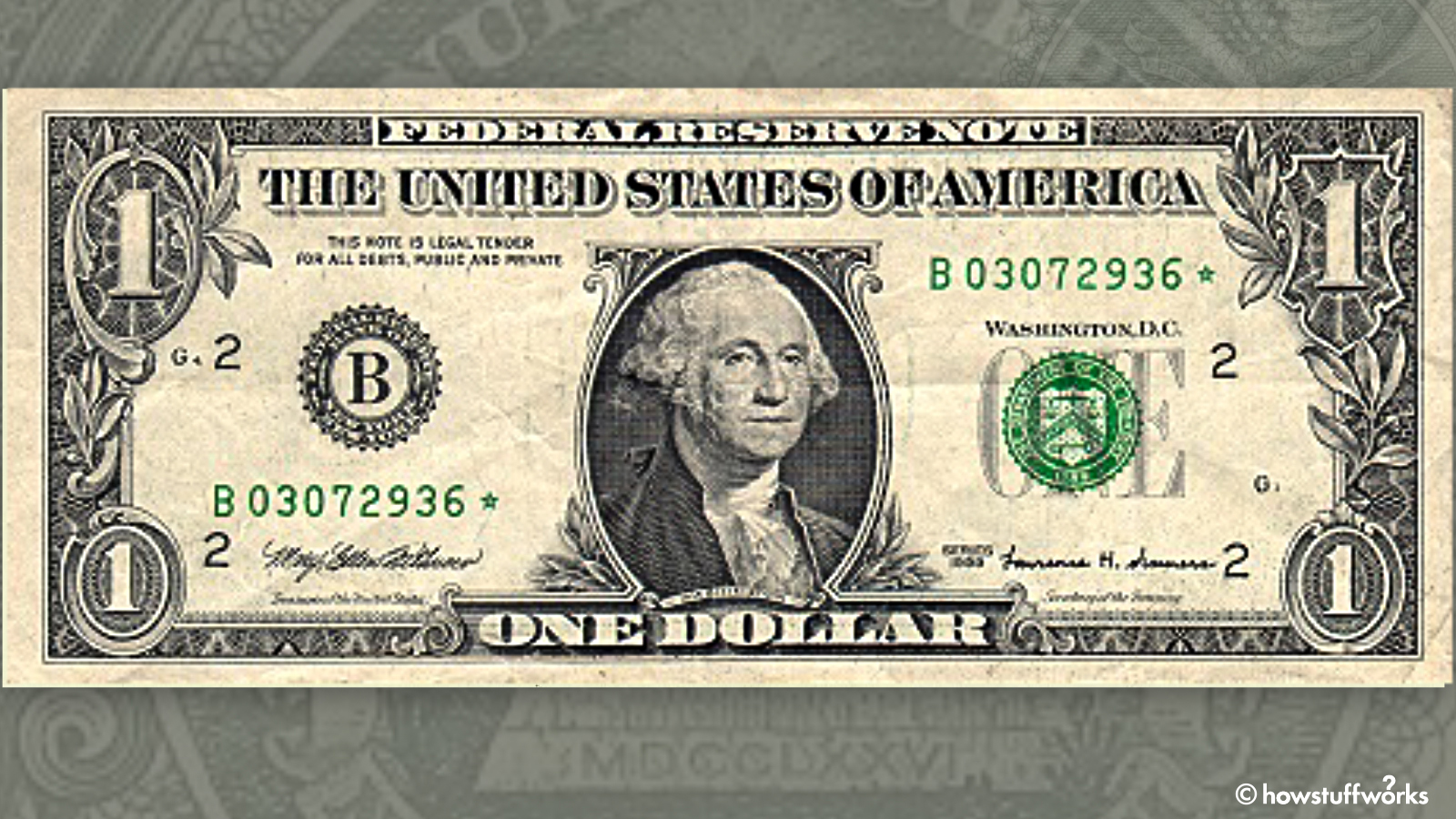
This article delves into the financial and practical implications of the star symbol on U.S. currency, exploring its origins, its function within the Bureau of Engraving and Printing (BEP) system, and its role in maintaining the stability and trustworthiness of our monetary system. We will explore how this seemingly small mark contributes to the larger financial ecosystem.
The Genesis of the Star Note: Ensuring Currency Integrity
The introduction of the star symbol on dollar bills is directly linked to the necessity of maintaining a flawless supply of currency. When the Bureau of Engraving and Printing (BEP) produces new money, rigorous quality control checks are in place. However, even with advanced technology and dedicated staff, occasional errors can occur during the printing process. These errors might range from minor imperfections to more significant flaws that render a bill unsuitable for circulation. The star note system was developed as a direct response to this challenge, providing a systematic method for replacing defective currency.
The BEP’s Quality Control Imperative
The BEP is responsible for printing billions of dollars in currency each year, a task that demands an exceptionally high standard of precision. The process involves multiple stages, from the design and engraving of the plates to the actual printing, cutting, and inspection of the individual notes. Despite sophisticated machinery and stringent protocols, the sheer volume of production means that a small percentage of bills might exhibit defects. These defects could include smudged ink, misaligned printing, or even minor tears in the paper. The economic implications of circulating flawed currency are considerable. Such notes can be mistaken for counterfeits, lead to confusion in transactions, and ultimately undermine public confidence in the currency. Therefore, the BEP has a vested interest in ensuring that only pristine bills enter circulation.
The “Defective Note” Dilemma and Its Solution
When a bill is identified as defective during the production process, it cannot simply be discarded. Each serial number is unique and recorded. If a bill with a specific serial number is found to be flawed, the BEP cannot simply reprint another bill with that exact same serial number, as this would create duplicate serial numbers in circulation, a cardinal sin in currency management. This is where the star note comes into play. Instead of reprinting a bill with the original serial number, the BEP prints a replacement bill with the same serial number but appended with a star (*). This star acts as a clear indicator to both the BEP and the public that this particular note is a replacement for an original, potentially defective bill.
The Functional Significance of the Star: A Marker of Replacement
The star on the dollar bill is not a random symbol; it is a functional indicator with a direct impact on how currency is managed and accounted for. It signifies that the bill is a replacement note, a critical detail for the Federal Reserve’s tracking and management of the money supply.
Serial Numbers and Their Role in Currency Tracking
Every U.S. currency note, with the exception of certain older denominations, is assigned a unique serial number. These numbers are crucial for a variety of reasons. They help the BEP track the production of currency, identify potential counterfeiting patterns, and manage the overall money supply. When a note is removed from circulation due to damage or defect, its serial number is accounted for. The star note system ensures that the replacement note maintains the original serial number’s integrity within the system, while simultaneously signaling its status as a substitute. This prevents any disruption in the accounting of currency in circulation and avoids the creation of duplicate serial numbers, which would be a significant security risk.
The “Star Note” as a Substitute Bill
Essentially, a star note is a direct substitute for a damaged or imperfect note that was identified before it reached the public. If, for instance, a sheet of 32 bills is printed, and one of those bills is found to be flawed, a star note with that same serial number (e.g., “ABC12345678*”) is produced and inserted into the pack of bills to replace the defective one. The original defective bill is destroyed, and the star note takes its place in the sequence. This process ensures that the total number of bills with a particular serial number sequence remains consistent, even if individual notes are replaced. This meticulous approach is fundamental to maintaining the integrity of the U.S. dollar as a reliable medium of exchange.
Beyond the BEP: Public Perception and Economic Impact
While the primary purpose of the star on a dollar bill is internal to the currency production system, it has also generated interest and discussion among the public. Understanding these aspects provides a more complete picture of the star note phenomenon.
The Collector’s Interest and the “Rarity” Factor
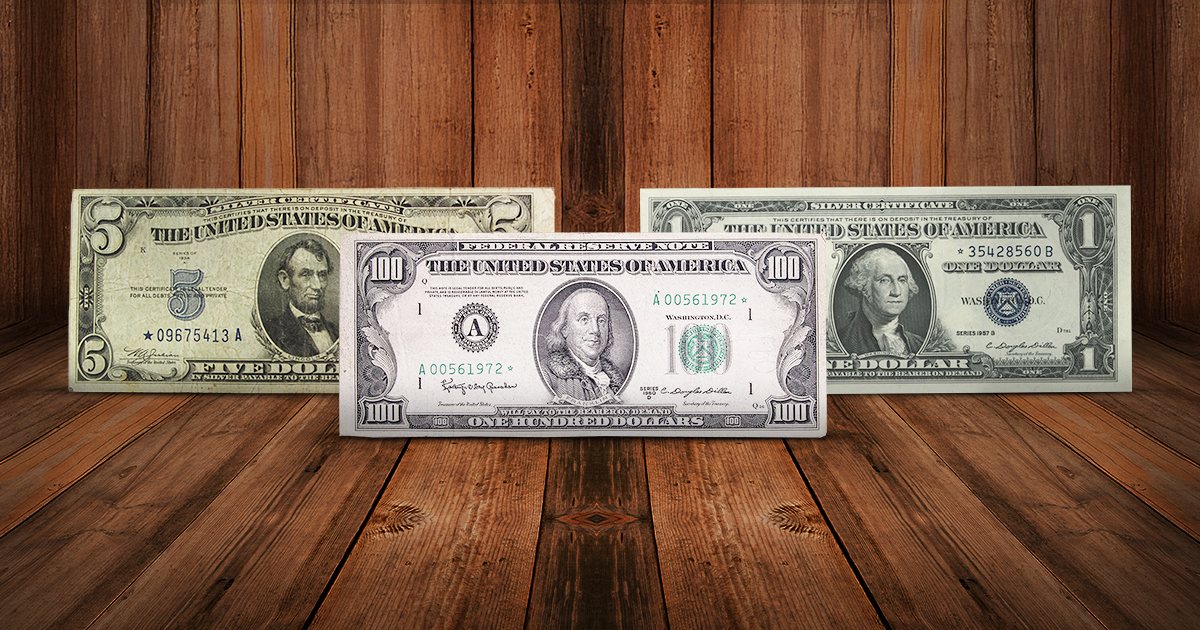
For numismatists (currency collectors), star notes can hold a special appeal. Because they are replacements for imperfect bills, they are often printed in smaller quantities than regular notes. This scarcity can make them more desirable to collectors. The perceived rarity of certain star notes, particularly those from specific print runs or denominations, can lead to them being valued at more than their face value. While the average person might not notice or care about the star, collectors actively seek out these notes, contributing to a small but active niche within the collectibles market. This interest, while not the intended function, is a fascinating byproduct of the star note system.
Maintaining Confidence in the U.S. Dollar
The existence of the star note system, though largely invisible to the general public, is a testament to the robust systems in place to ensure the quality and authenticity of U.S. currency. This underlying integrity is crucial for maintaining public confidence in the dollar, both domestically and internationally. When people trust that the currency they handle is genuine and reliable, it facilitates smooth economic transactions and contributes to overall financial stability. The meticulous processes, including the use of star notes, underscore the commitment to producing a currency that is not only a medium of exchange but also a symbol of a strong and stable economy. The star, in its quiet way, contributes to this larger narrative of financial security and trustworthiness.
In conclusion, the star on the dollar bill is a pragmatic innovation by the Bureau of Engraving and Printing, designed to address the inevitable challenges of large-scale currency production. It signifies a replacement note, ensuring that the Federal Reserve’s accounting of the money supply remains accurate and that only high-quality currency enters circulation. While its primary function is operational, the star note has also garnered attention from collectors, adding a layer of intrigue to this subtle but significant feature of U.S. currency. Ultimately, its presence reinforces the commitment to maintaining the integrity and trustworthiness of the dollar, a cornerstone of the global financial system.
aViewFromTheCave is a participant in the Amazon Services LLC Associates Program, an affiliate advertising program designed to provide a means for sites to earn advertising fees by advertising and linking to Amazon.com. Amazon, the Amazon logo, AmazonSupply, and the AmazonSupply logo are trademarks of Amazon.com, Inc. or its affiliates. As an Amazon Associate we earn affiliate commissions from qualifying purchases.