
In the rapidly evolving landscape of digital communication, emojis have transcended their initial role as simple graphical adornments to become integral components of our expressive lexicon. Among the vast array of these digital pictograms, the “side eye” emoji (officially “Face with Rolling Eyes” or similar variations across platforms, often represented as or more commonly as a face looking to the side with an air of skepticism) holds a particularly nuanced and often potent position. Understanding its meaning is not just about decoding a single image, but about grasping the intricate interplay between technology, social dynamics, and the constant evolution of digital language.
This article delves into the technological underpinnings of emojis, unpacks the specific semantics of the side eye, explores its strategic deployment in digital interactions, and considers its broader implications for the future of online communication. For anyone navigating the complexities of instant messaging, social media, and professional digital correspondence, mastering the subtleties of such tools is paramount.
The Technological Foundation of Expressive Communication
The ubiquity of emojis in our daily digital lives often belies the sophisticated technological infrastructure that supports their existence and seamless cross-platform functionality. Far from being mere images, emojis are a triumph of standardization and universal digital encoding.
From ASCII to Unicode: Standardizing Digital Emotion
The journey from rudimentary text-based emoticons like :-) to the rich visual diversity of modern emojis is deeply rooted in the evolution of character encoding. Early digital communication relied on limited character sets like ASCII, which could only represent a small number of Latin characters and symbols. The breakthrough came with Unicode, a universal character encoding standard that assigns a unique number to every character across all languages and platforms. This means that whether you send a side eye emoji from an iPhone, an Android device, or a desktop computer, the underlying Unicode character value remains the same. The side eye emoji, for instance, has a specific Unicode codepoint (e.g., U+1F644 for “Face With Rolling Eyes”). This standardization is critical, as it allows for consistent recognition and interpretation of emojis globally, facilitating a truly universal digital language. Without Unicode, emojis would be fragmented, appearing as broken characters or different symbols across various devices and software environments, hindering their ability to convey consistent meaning.
The Role of Apps and Operating Systems in Emoji Rendering
While Unicode provides the foundational blueprint, the actual visual representation of an emoji – how it looks – is handled by the operating system (OS) and individual applications. Each OS (iOS, Android, Windows, macOS) and even major apps (WhatsApp, Twitter, Slack) maintains its own proprietary set of emoji fonts and graphics. This is why the same side eye emoji might have subtle design differences when viewed on an Apple device versus a Samsung device, or even within different messaging apps on the same device. For example, Apple’s side eye might appear with a slightly different eye angle or mouth expression than Google’s or Microsoft’s.
These rendering variations, while generally minor, can occasionally influence the perceived intensity or nuance of an emoji’s meaning. Developers of these platforms meticulously design their emoji sets to reflect contemporary aesthetic trends and, ideally, to convey the intended emotion as clearly as possible within their ecosystem. Ensuring compatibility and a consistent user experience despite these variations is a constant challenge for software engineers, requiring continuous updates to support new emojis and refine existing ones.
The Evolution of Visual Cues in Digital Interfaces
Emojis are a prime example of how digital interfaces have evolved to incorporate more nuanced visual cues. Early graphical user interfaces (GUIs) focused on functionality and utility. However, as digital interactions became more prevalent and personal, there was a growing need to inject human elements and emotional depth into text-based communication. Emojis address this by providing a shorthand for non-verbal communication, mirroring facial expressions, gestures, and even objects from the real world.
From a user experience (UX) perspective, emojis enhance the intuitiveness and richness of digital dialogues. They reduce ambiguity, add personality, and can even soften the tone of potentially harsh messages. The side eye emoji, in particular, illustrates this evolution by offering a quick, universally recognizable way to convey a complex sentiment that would otherwise require multiple words, thereby streamlining communication and enriching the user’s interaction experience.
Deconstructing the Side Eye Emoji: A Deep Dive into Its Digital Semantics
The side eye emoji is more than just a pair of rolling eyes; it’s a sophisticated tool for conveying complex social feedback in a concise digital format. Its meaning is rarely singular, instead drawing from a spectrum of interpretations influenced by visual cues, common usage, and contextual factors.
Visual Cues and Intent: Squint, Glare, and Subtle Scrutiny
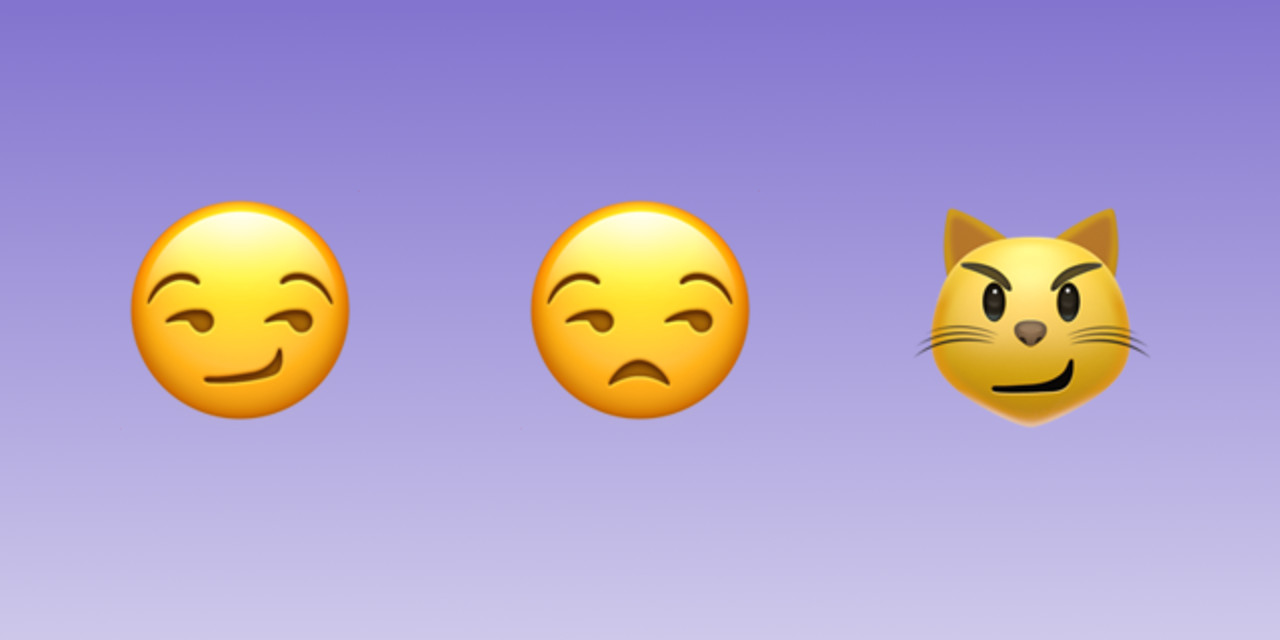
The visual design of the side eye emoji is critical to its interpretation. Typically, it features a face with eyes directed sharply to one side, often with slightly narrowed eyelids and sometimes a subtle downturned mouth or a neutral expression. This specific configuration subtly mimics a human gesture associated with:
- Skepticism or disbelief: The eyes look away, suggesting a lack of conviction or a questioning of the truthfulness of a statement.
- Judgment or disapproval: The gaze to the side can imply that the speaker is unimpressed or critical of the preceding comment or action.
- Sarcasm or irony: The side eye can be used to underscore a sarcastic remark, indicating that the literal meaning of the words should not be taken at face value.
- Exasperation or annoyance: The rolling motion (implied by the side glance) often signifies a feeling of being fed up or irritated.
Unlike a straightforward happy or sad face, the side eye emoji’s ambiguity is its strength. It allows users to express a range of subtle negative or questioning emotions without resorting to overt anger or sadness, providing a delicate balance in digital social dynamics.
Common Interpretations: Skepticism, Judgment, and Disbelief
In popular usage across various social media platforms and messaging apps, the side eye emoji is predominantly employed to convey:
- “Seriously?” / “Are you kidding me?”: Often used in response to something unbelievable, outrageous, or obviously false.
- “I’m judging you”: Applied when someone has said or done something perceived as foolish, inappropriate, or socially awkward.
- “I don’t believe you”: A direct expression of doubt regarding the veracity of a statement.
- “Here we go again”: Indicating exasperation with a recurring pattern of behavior or a predictable, annoying statement.
Its power lies in its ability to deliver a punchy, non-verbal retort that can be both humorous and cutting, depending on the context. It’s a passive-aggressive digital gesture, capable of conveying a strong opinion without typing out a lengthy explanation.
The Digital Context: How Platform, Audience, and Dialogue Shape Meaning

While general interpretations exist, the precise meaning of the side eye emoji is heavily influenced by its context.
- Platform: On a platform like Twitter, where brevity is key, a side eye emoji might carry more weight and be used for sharp, public commentary. In a private WhatsApp chat, it might be used more casually among friends to express playful teasing.
- Audience: When used among close friends, the side eye might signify shared inside jokes or lighthearted disapproval. In a more formal or professional setting (though generally less common), its use could be perceived as disrespectful or flippant.
- Dialogue History: The preceding messages significantly shape the emoji’s meaning. If someone has just made an outlandish claim, a side eye clearly signals disbelief. If someone has been consistently complaining, it might signal exasperation.
Understanding these contextual layers is crucial for both sender and receiver. Misinterpreting the side eye can lead to misunderstandings, strained relationships, or even unintended offense, highlighting the importance of digital literacy in emoji usage.
Leveraging the Side Eye: Strategic Use in Modern Digital Interactions
The side eye emoji, given its versatility, has become a valuable tool for navigating the often-complex social dynamics of digital communication. Its strategic deployment can enhance clarity, inject personality, and convey nuanced reactions that plain text might miss.
Navigating Social Dynamics: Expressing Subtlety Without Words
In the absence of body language, facial expressions, and vocal inflections, emojis bridge a significant gap in digital communication. The side eye is particularly adept at expressing subtle social feedback without the directness that words often carry.
- Playful teasing: Among friends, it can be a lighthearted way to poke fun or express mild disapproval of a silly comment.
- Shared understanding: It can signal a shared moment of judgment or skepticism between two people observing a third party’s comment, creating a sense of camaraderie.
- Softening a critique: Instead of outright saying “That’s a ridiculous idea,” a side eye emoji after a suggestion can gently imply skepticism without being overtly confrontational.
This ability to convey subtlety makes the side eye a powerful instrument for managing social interactions, allowing individuals to express complex feelings in a way that often feels less aggressive than textual equivalents.
Best Practices for Clarity: Avoiding Misinterpretation in Digital Chats
Despite its utility, the side eye emoji, like any nuanced communication tool, carries a risk of misinterpretation. To ensure clarity and avoid unintended offense, users should adopt certain best practices:
- Know your audience: Consider the recipient’s familiarity with emojis and your relationship with them. A close friend might understand playful side eye, while a casual acquaintance might misinterpret it.
- Context is paramount: Always ensure the emoji’s meaning is clear from the surrounding text. If there’s ambiguity, it’s better to use words to clarify your intent.
- Avoid in formal settings: Generally, emojis like the side eye are inappropriate in professional emails, official reports, or formal business communications, where clarity and decorum are paramount.
- Pair with clarifying text: If you’re using the side eye to convey sarcasm or judgment, consider adding a brief textual qualifier (e.g., “Lol ,” “Can you believe it? “) to guide interpretation.
- Be mindful of platform differences: Remember that rendering variations across devices can subtly alter the emoji’s appearance, potentially affecting how it’s perceived.
By exercising caution and thoughtful consideration, users can harness the side eye’s expressive power while mitigating the risk of digital miscommunication.
The Side Eye in Content Creation: Enhancing Digital Storytelling
Beyond personal chats, the side eye emoji has found a significant role in content creation across social media, blogs, and online articles. Content creators leverage its instantly recognizable meaning to enhance narratives, add humor, and engage audiences.
- Meme culture: The side eye emoji is frequently incorporated into memes to convey a sense of relatable exasperation, judgment, or disbelief towards common scenarios.
- Social media commentary: Influencers and commentators often use it to react to trending news, celebrity antics, or controversial statements, adding a quick, impactful layer of opinion.
- Brand communication (cautiously): Some brands, particularly those targeting younger demographics, might sparingly use the side eye emoji in playful social media posts to show personality or react to customer comments in an informal, relatable way. This must be done with extreme care to avoid appearing unprofessional.
- Adding editorial flavor: In online articles or blog posts (especially those with an informal tone), the side eye can punctuate a statement with an editorial “wink,” signaling a moment of shared skepticism with the reader.
As digital storytelling continues to evolve, emojis like the side eye provide a valuable shorthand for injecting emotion, personality, and immediate reader engagement into a wide array of content formats.
The Broader Impact: Emojis and the Future of Digital Language
The prominence of the side eye emoji is but one facet of a larger trend: the increasing integration and sophistication of emojis within our digital language. Their evolution continues to shape how we interact with technology and with each other.
AI-Driven Emoji Suggestions and Predictive Text
The technological advancement of artificial intelligence and machine learning is profoundly impacting emoji usage. Predictive text algorithms in keyboards and messaging apps now analyze the context of your written words and suggest relevant emojis. If you type “that’s unbelievable,” your phone might suggest the side eye emoji. This AI-driven integration not only makes emoji usage more convenient but also subtly influences patterns of communication, making emojis an even more organic part of our digital expression. As AI models become more sophisticated, they may even begin to understand the nuanced emotional valence of entire conversations, offering emoji suggestions that enhance the sentiment and tone of the message.
Cultural Adaptation and the Global Language of Emojis
While Unicode provides a universal standard, the cultural interpretation and frequency of emoji use vary significantly across different regions and demographics. The side eye emoji, while widely understood in Western digital culture, might have different connotations or be used less frequently in cultures where indirect communication is more prevalent or where the visual gesture itself carries different weight. This ongoing cultural adaptation means that the “global language” of emojis is continuously evolving, with new meanings emerging and old ones shifting. Unicode Consortium, the body responsible for emoji standards, constantly works to incorporate diverse cultural representations and new concepts into its emoji sets, reflecting the dynamism of global communication.
Enhancing Accessibility: Emojis as a Universal Communicator
Beyond their expressive power, emojis also play a crucial role in enhancing accessibility in digital communication. For individuals with certain learning disabilities, language barriers, or those who simply prefer visual communication, emojis can serve as powerful, intuitive communicators. The clear visual representation of concepts and emotions can make digital messages more understandable and engaging, bridging gaps that purely textual communication might create. The side eye emoji, by instantly conveying complex emotions like skepticism or judgment, contributes to this accessibility by offering a quick, visual shorthand that can be universally recognized, regardless of one’s native language or literary proficiency.
In conclusion, the side eye emoji is far more than a simple graphic; it is a sophisticated digital tool that exemplifies the convergence of technology, culture, and human emotion in the 21st century. Its meaning, rooted in visual cues and refined by digital context, allows for nuanced expression in an otherwise flattened text-based world. As technology continues to advance, emojis like the side eye will undoubtedly continue to evolve, enriching our digital dialogues and shaping the future of how we connect and communicate online.