
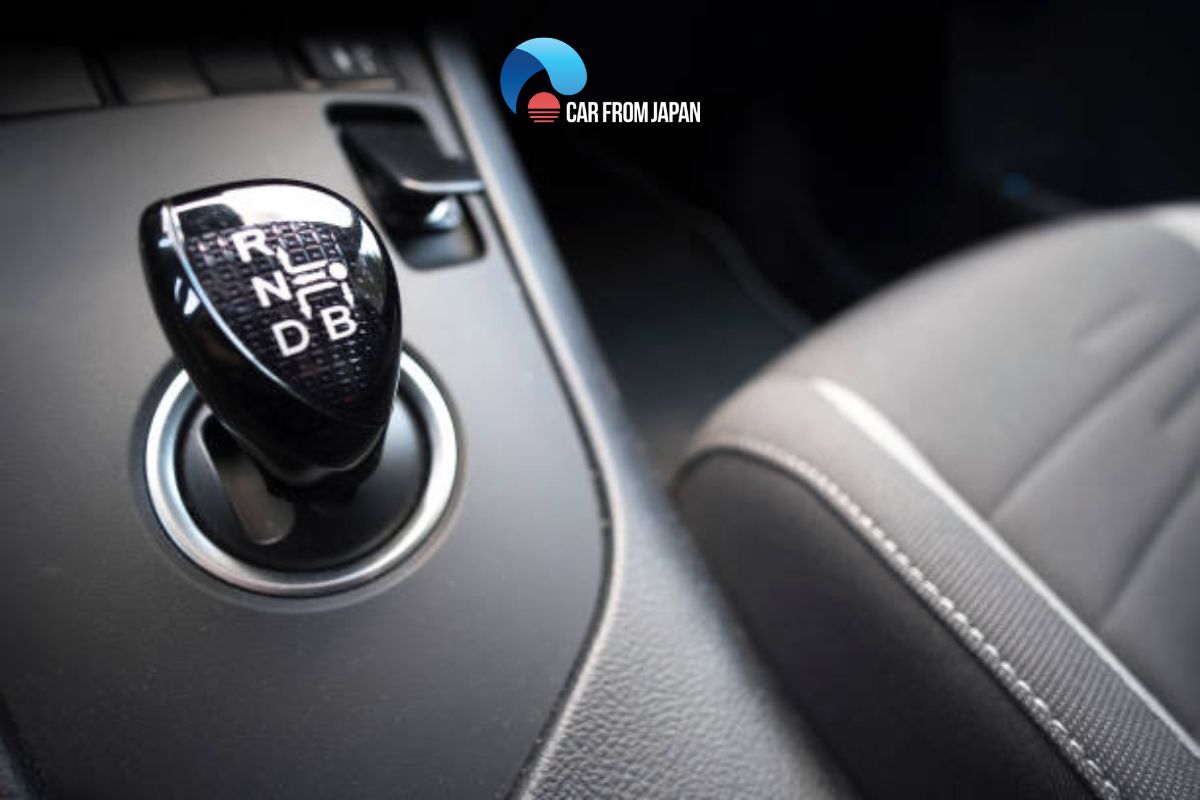
The familiar P, R, N, and D are staples of almost every automatic transmission. But what about that mysterious “S” that sometimes appears, nestled between “D” and perhaps a manual shift option? This often overlooked letter signifies “Sport” mode, a feature designed to inject a dose of performance and responsiveness into your everyday driving experience. While your car’s automatic transmission is primarily engineered for smooth, efficient cruising, engaging Sport mode transforms its behavior, offering a more engaging and dynamic drive.
This article will delve into the intricacies of Sport mode, exploring its purpose, how it works under the hood, the benefits it offers, and when you might want to engage it. We’ll also touch upon its relationship with technology and how modern automotive advancements are continuously refining this driving enhancement.

Understanding the Mechanics of Sport Mode
At its core, Sport mode is a recalibration of your automatic transmission’s shift logic. It doesn’t fundamentally change the hardware of your gearbox, but rather alters the software that dictates when and how it shifts gears. This subtle yet significant adjustment is aimed at optimizing for performance rather than fuel economy or the smoothest possible ride.
How Sport Mode Changes Gear Shifting Behavior
When you shift your automatic transmission into “S” for Sport, the vehicle’s Engine Control Unit (ECU) receives a new set of instructions. This triggers a cascade of changes within the transmission’s operation:
- Higher Shift Points: In normal “D” (Drive) mode, the transmission aims to upshift to the highest possible gear as quickly as possible to conserve fuel and reduce engine noise. In Sport mode, the transmission holds onto gears for longer. This means the engine will rev higher before shifting up, keeping it in its powerband more frequently. This leads to quicker acceleration and a more responsive throttle.
- Earlier Downshifts: Conversely, when you decelerate or take your foot off the accelerator in Sport mode, the transmission is programmed to downshift more readily. This serves multiple purposes. It provides engine braking, which can be useful when descending hills or approaching corners, and it ensures the engine is in a lower gear, ready to accelerate swiftly when you reapply throttle.
- More Aggressive Throttle Response: Often, Sport mode is paired with a recalibration of the throttle pedal’s sensitivity. This means a slight press of the accelerator will result in a more pronounced increase in engine speed and power delivery. The engine feels more eager to respond to your inputs, giving the impression of a more potent machine.
- Potentially Firmer Shifts: While not always the case, some vehicles may also adjust the transmission’s hydraulic pressure or clutch engagement timing to deliver slightly firmer, more noticeable gear changes. This can contribute to the feeling of a more direct and connected driving experience, akin to what you might find in a manual transmission.
The Technology Behind Sport Mode
The implementation of Sport mode is a testament to the advancements in automotive electronics and software engineering. The ECU, the brain of your car, plays a crucial role. It constantly receives data from various sensors throughout the vehicle, including:
- Engine Speed (RPM): To determine when to shift.
- Vehicle Speed: To coordinate shifts with forward momentum.
- Throttle Position: To gauge driver demand for acceleration.
- Brake Pedal Position: To understand deceleration intentions.
- Steering Angle (in some advanced systems): To anticipate cornering and optimize gear selection for exiting the turn.
Based on this data, the ECU selects the most appropriate transmission shift map. In normal Drive, it prioritizes efficiency and comfort. In Sport mode, it switches to a performance-oriented map, utilizing the algorithms to achieve the behaviors described above.
Modern vehicles often go a step further. Some systems can adapt to your driving style. If you frequently engage Sport mode and drive aggressively, the system might learn and maintain a sportier bias even after you’ve returned to Drive. Conversely, if you drive very conservatively, the system might become more relaxed even in Sport mode over time.
When to Engage Sport Mode: Maximizing Your Driving Experience
Sport mode isn’t just a gimmick; it’s a tool designed to enhance specific driving scenarios. While leaving it in “D” for daily commuting is perfectly acceptable, engaging “S” at the right times can unlock a more exhilarating and capable driving experience.
Scenarios Where Sport Mode Shines

- Overtaking: When you need to quickly pass another vehicle on the highway or a two-lane road, Sport mode is your ally. The quicker downshifts and higher revs put the engine in its powerband, providing the immediate acceleration needed for a safe and efficient overtake.
- Entering a Highway or Merging into Traffic: Merging onto a busy highway often requires a burst of speed. Sport mode helps you get up to speed quickly and confidently, blending seamlessly with existing traffic.
- Driving on Winding Roads or in Mountainous Terrain: For those who enjoy spirited driving on twisty roads or navigating hilly landscapes, Sport mode offers a significant advantage. The transmission will hold gears longer through corners, providing better engine braking on descents and more immediate power on ascents. This allows for a more controlled and engaging drive, reducing the need for frequent manual gear selections if your car has that option.
- When You Want a More Engaged Drive: Sometimes, you just want to feel more connected to your car and enjoy the sensation of acceleration. On a clear stretch of road, engaging Sport mode can transform a mundane drive into something more dynamic and enjoyable, simply by sharpening the car’s responses.
Potential Downsides and Considerations
While Sport mode offers performance benefits, it’s important to be aware of its potential drawbacks and use it judiciously:
- Reduced Fuel Economy: By holding gears longer and revving the engine higher, Sport mode will almost invariably lead to increased fuel consumption. If fuel efficiency is your primary concern, sticking to “D” is the best option.
- Increased Engine Noise: Keeping the engine at higher RPMs naturally leads to more engine noise. While this can be part of the sporty feel for some, others might find it intrusive during longer drives.
- Not Ideal for All Conditions: In slippery conditions like rain or snow, the sharper throttle response and more aggressive downshifts of Sport mode can make it harder to maintain traction. In such situations, a gentler approach in “D” mode is usually safer.
- Potential for Increased Wear (Debatable): While modern transmissions are robust, consistently driving in Sport mode and pushing the engine to its limits could theoretically lead to increased wear over the very long term compared to a life spent primarily in “D.” However, for the vast majority of drivers, this is unlikely to be a significant concern.
Sport Mode vs. Manual Shifting and Other Driving Modes
The presence of “S” on your gear shift often sparks questions about its relationship to other transmission settings, particularly manual shifting and other selectable driving modes. Understanding these distinctions clarifies the purpose of each.
Sport Mode vs. Manual (M) or Paddle Shifters
Many automatic transmissions offer a manual mode, often denoted by “M” on the shifter or activated by paddle shifters behind the steering wheel. While both Sport mode and manual shifting aim for a more engaging driving experience, they differ in their approach:
- Sport Mode: This is an automatic setting. The transmission still shifts gears for you, but it does so according to a performance-oriented logic. You still don’t have direct control over when each gear is engaged.
- Manual Mode (M): In this mode, you, the driver, have direct control over gear selection. You can choose to shift up or down using the gear lever or paddle shifters. The transmission will generally obey your commands, although it might intervene to prevent engine damage (e.g., prevent over-revving or stalling). Manual mode offers the ultimate control for performance driving.
Often, a car might have Sport mode integrated into its automatic shifting, and then a separate manual mode. Some systems even allow you to activate Sport mode and then use paddle shifters to temporarily take control of gear selection, with the transmission reverting to Sport mode’s automatic logic after a short period.
Other Selectable Driving Modes (Eco, Comfort, etc.)
Modern vehicles are increasingly equipped with multi-mode driving systems that go beyond just Sport mode. These might include:
- Eco Mode: Designed for maximum fuel efficiency. This mode typically softens throttle response, prioritizes earlier upshifts, and can even adjust climate control settings to reduce energy consumption.
- Comfort Mode: A middle ground, aiming for a balance between smooth cruising and adequate responsiveness. It’s generally more refined and less engaging than Sport mode but more responsive than Eco mode.
- Individual/Custom Mode: Allows the driver to tailor various parameters, including throttle response, steering feel, and sometimes even suspension settings, to their preference.
In these multi-mode systems, Sport mode is specifically the setting that prioritizes performance and driver engagement by altering the transmission’s behavior, alongside other potential powertrain and chassis adjustments.
Conclusion: Unlocking Your Car’s Potential
The “S” on your automatic gear shift is an invitation to experience your car in a different light. It’s a technological feature that transforms your vehicle from a comfortable cruiser into a more responsive and exhilarating machine. By holding gears longer, downshifting more readily, and often sharpening throttle response, Sport mode allows you to harness more of your car’s performance potential when you need it.
While not intended for everyday use for the fuel-conscious or those seeking ultimate refinement, Sport mode is an invaluable tool for overtaking, merging, tackling winding roads, or simply for moments when you want to feel more connected to the driving experience. Understanding how it works, when to engage it, and how it differs from manual shifting will empower you to make the most of your vehicle’s capabilities and add an extra layer of enjoyment to your time behind the wheel. So, the next time the road ahead beckons for a more spirited drive, don’t hesitate to shift into “S” and feel the difference.
aViewFromTheCave is a participant in the Amazon Services LLC Associates Program, an affiliate advertising program designed to provide a means for sites to earn advertising fees by advertising and linking to Amazon.com. Amazon, the Amazon logo, AmazonSupply, and the AmazonSupply logo are trademarks of Amazon.com, Inc. or its affiliates. As an Amazon Associate we earn affiliate commissions from qualifying purchases.