
When one imagines the daily life of the Pope, images of quiet contemplation, prayer, and perhaps grand ceremonies often come to mind. While these spiritual cornerstones undoubtedly form the bedrock of his existence, the reality of leading the world’s 1.3 billion Catholics, managing the smallest independent state, and acting as a global moral compass in the 21st century is far more complex and multifaceted. Far from being confined to ancient rituals, the Pope’s day is a masterclass in global leadership, strategic communication, financial stewardship, and the nuanced adoption of modern technology, all viewed through the unique lens of his sacred office.
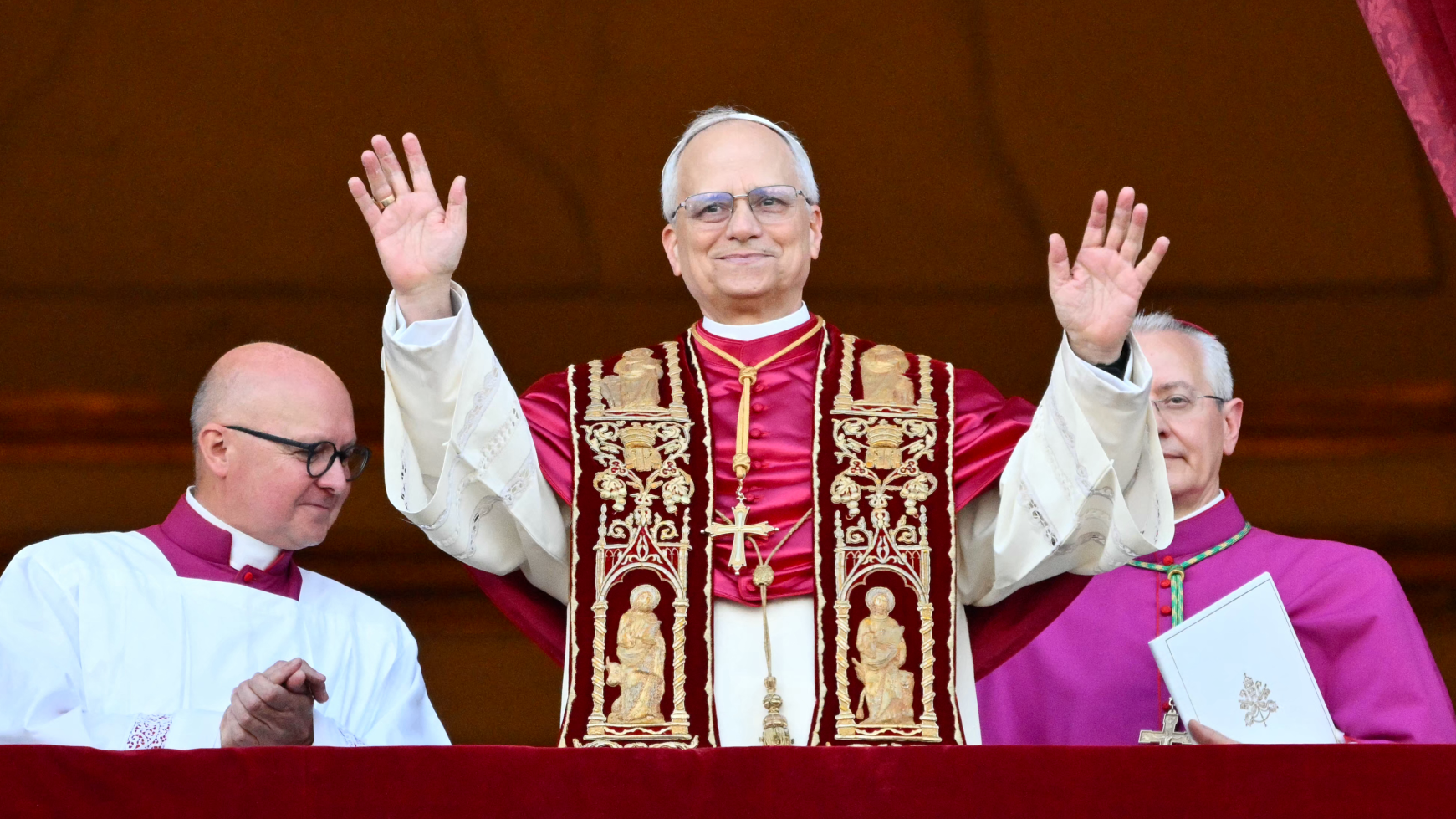
This article delves beyond the traditional perceptions to explore how the Pope’s daily activities, though deeply rooted in tradition, resonate with the contemporary challenges and opportunities faced by global organizations and leaders today. We will examine the Papacy not just as a religious institution, but as a dynamic entity that navigates the intricate worlds of technology, branding, and finance, echoing the very topics that drive modern success and influence.
Beyond the Papal Audience: A Day Shaped by Ancient Traditions and Modern Demands
The Pope’s day is a carefully orchestrated blend of the spiritual and the administrative, the personal and the public. It begins early, often before dawn, with personal prayer, meditation, and the celebration of Mass. These moments of spiritual grounding are crucial, providing the internal fortitude for the demanding schedule that follows. Yet, even these personal acts have global implications, as the Pope embodies the spiritual leader for millions worldwide.
The Rhythms of Spiritual Leadership and Administrative Oversight
Following his spiritual duties, the Pope typically moves into a series of private and public engagements that define his administrative and pastoral roles. Mornings are often dedicated to audiences with various individuals and groups. These can include heads of state, ambassadors, bishops from around the world reporting on their dioceses, religious leaders, and delegations from a vast array of organizations and charities. Each meeting requires not only diplomatic skill but also a profound understanding of global socio-political, economic, and cultural landscapes. He listens, advises, encourages, and sometimes admonishes, acting as a spiritual guide and a seasoned diplomat simultaneously.
Beyond these formal audiences, the Pope is immersed in the daily governance of the Holy See. This involves reviewing documents, approving appointments, signing decrees, and overseeing the myriad departments and dicasteries that comprise the Vatican City State and the Roman Curia. From the Congregation for the Doctrine of the Faith to the Pontifical Academy of Sciences, each entity plays a role in the global mission of the Church, requiring the Pope’s ultimate oversight and direction. This administrative work is akin to running a vast international corporation, albeit one focused on spiritual and humanitarian objectives, demanding strategic vision, meticulous attention to detail, and a deep understanding of complex organizational structures.
Bridging the Sacred and the Secular
Afternoons often involve more private study, writing, and continued meetings, leading up to further prayer and reflection in the evening. Public appearances, such as the weekly General Audience on Wednesdays or the Sunday Angelus, are meticulously prepared events where the Pope delivers messages that are broadcast globally. These addresses are not merely sermons; they are carefully crafted policy statements, moral exhortations, and calls to action that influence global discourse on issues ranging from peace and poverty to environmental stewardship and human rights.
The Pope’s schedule is not static; it is fluid, adapting to crises, global events, and pastoral needs. A sudden humanitarian disaster might necessitate a special address or a specific papal initiative. A critical international summit might demand a carefully worded statement on ethical governance or climate change. This responsiveness underscores the dynamic nature of the Papacy, constantly balancing timeless truths with the ever-evolving demands of a complex, interconnected world. The ability to pivot, communicate effectively, and maintain a consistent message amidst such diversity is a hallmark of truly impactful leadership.
The Pope as a Global Brand: Shaping Narrative and Projecting Influence
In the realm of global influence, the Papacy stands as one of the oldest, most recognized, and most enduring “brands” in human history. It transcends cultures, languages, and political systems. The Pope himself, as its living embodiment, is a personal brand of unparalleled reach, his actions and words resonating with billions. Understanding the Pope’s daily work from a “brand” perspective reveals a sophisticated operation in narrative crafting, reputation management, and global identity projection.
Crafting a Message for a Digital Age: Papal Communications and Reputation Management
Every papal document, every homily, every tweet from the @Pontifex account is a carefully considered piece of communication. The Vatican’s communication apparatus, led by the Dicastery for Communication, is tasked with ensuring the Pope’s message is clear, consistent, and impactful across diverse audiences and media platforms. This involves translating complex theological and ethical teachings into accessible language, disseminating news in dozens of languages, and strategically engaging with traditional and digital media outlets.
Reputation management is central to this effort. In an era of instant news cycles and social media scrutiny, the Vatican must actively manage perceptions, address controversies, and proactively communicate its values and initiatives. This often means responding to challenges with transparency, reinforcing core principles, and ensuring that the Pope’s personal integrity and the institution’s moral authority remain intact. The Pope’s daily interactions, from warm greetings to diplomatic pronouncements, all contribute to this overarching brand narrative, reinforcing an image of compassion, wisdom, and steadfast leadership.
Visual Identity and Symbolic Power: The Enduring Papal Brand
While modern branding often emphasizes logos and sleek designs, the Papal brand relies on deeply ingrained symbols, rituals, and traditions that have evolved over millennia. The white cassock, the zucchetto, the Fisherman’s Ring – these are not merely garments or accessories; they are powerful visual cues that instantly convey identity, authority, and continuity. The Papal Coat of Arms, incorporating specific heraldic elements, serves as a consistent visual identifier across all official communications.
The very architecture and artistry of the Vatican, from St. Peter’s Basilica to the Sistine Chapel, contribute to an immersive brand experience, conveying majesty, history, and spiritual depth. These symbolic elements are meticulously maintained and presented, ensuring that the visual identity of the Papacy remains distinct, recognizable, and deeply resonant with its global audience. The Pope’s daily presence within this symbolic landscape reinforces the brand’s authenticity and historical weight.
Case Study in Global Influence: The Pope’s Personal Brand
Each Pope brings his unique personality and background to the role, subtly shaping the overall Papal brand while remaining true to its core tenets. Pope Francis, for example, has cultivated a personal brand characterized by humility, simplicity, and a direct focus on the poor and marginalized. His decision to live in the Domus Sanctae Marthae rather than the Apostolic Palace, his use of an older car, and his unscripted moments of compassion have all amplified a message of approachability and pastoral care.
This personal branding strategy has significantly expanded the Papacy’s reach, attracting attention from non-Catholics and secular media alike. His daily interactions, whether with refugees, prisoners, or world leaders, are carefully documented and shared, becoming powerful narratives that reinforce his message and the Church’s mission. The Pope’s ability to connect with people on an emotional level, to inspire and challenge, is a testament to the power of a well-articulated and authentically lived personal brand on a global stage.
The Digital Pontiff: Leveraging Technology for Outreach and Governance
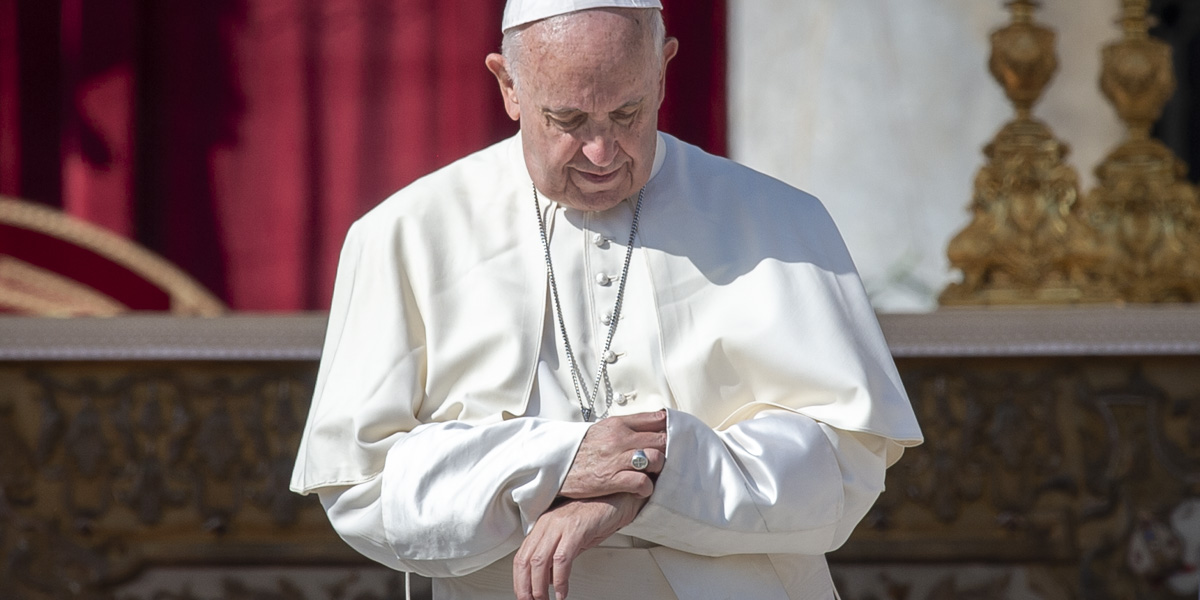
The image of the Pope might seem antithetical to cutting-edge technology, but the reality is that the Vatican, under the Pope’s direction, has embraced digital tools to enhance its mission, improve governance, and expand its global reach. From social media to advanced cybersecurity, technology plays an increasingly vital role in the Pope’s daily operations and the broader functioning of the Holy See.
From Papal Bulls to Twitter Feeds: Digital Evangelization and Social Media Strategy
Perhaps the most visible sign of the Papacy’s engagement with technology is its robust social media presence. Pope Francis’s @Pontifex Twitter account boasts tens of millions of followers across multiple languages, making him one of the most followed world leaders. His daily tweets, often short, inspirational messages or calls to prayer, directly reach a global audience, bypassing traditional media gatekeepers. This strategy of “digital evangelization” allows the Pope to engage directly with the faithful and the wider world, sharing his thoughts and spreading his message instantaneously.
Beyond Twitter, the Vatican actively utilizes YouTube for live streams of papal events, Instagram for visual storytelling, and its multi-platform Vatican News portal (which includes websites, radio, and television) for comprehensive news dissemination in dozens of languages. This integrated digital strategy ensures that the Pope’s words and actions are accessible to anyone with an internet connection, fulfilling the Church’s mission to spread the Gospel to the ends of the earth through modern means.
Behind the Scenes: Technology Powering Vatican Operations and Security
While social media captures public attention, a significant portion of technology’s role in the Vatican operates behind the scenes, supporting the complex administrative machinery. High-speed networks, secure databases, and modern software systems are essential for managing vast archives, coordinating global charitable efforts, and facilitating communication among thousands of dioceses, religious orders, and diplomatic missions worldwide.
Digital security is paramount. Given its symbolic importance and wealth of historical data, the Vatican is a high-value target for cyber threats. Robust cybersecurity measures, including encrypted communications, advanced firewalls, and regular security audits, are crucial to protect sensitive information, ensure operational continuity, and safeguard the integrity of its digital infrastructure. The Pope’s daily directives and communications rely on these secure technological backbones, ensuring that the governance of the Church can proceed unhindered.
AI and the Future of Faith? The Vatican’s Perspective on Emerging Tech
The Vatican doesn’t just adopt existing technologies; it also actively engages with the ethical implications of emerging ones, particularly Artificial Intelligence. Under Pope Francis’s leadership, the Holy See has hosted conferences and issued statements on the ethical use of AI, advocating for an “algor-ethics” that prioritizes human dignity, transparency, and social good. The “Rome Call for AI Ethics,” endorsed by major tech companies, is a testament to the Vatican’s proactive role in shaping the moral landscape of future technologies.
This engagement shows that the Pope’s daily activities are not just about administering the present, but also about foresight and guiding humanity through the ethical challenges posed by rapid technological advancement. His involvement ensures that the Church’s voice is heard in crucial discussions about how technology shapes our world, promoting a vision where innovation serves humanity rather than dehumanizing it.
Stewardship, Ethics, and Global Impact: The Financial Dimensions of the Papacy
While the Pope lives a life of simplicity, the institution he leads, the Holy See, is a complex financial entity. Its daily operations, global charitable endeavors, and vast cultural heritage require careful financial stewardship. Far from being a mere repository of wealth, the Vatican’s finances, under the Pope’s ultimate authority, are increasingly managed with an eye towards transparency, ethical investment, and the profound social impact of its resources.
Managing the Vatican’s Finances: Transparency, Charity, and Sustainable Operations
The Pope’s role includes overseeing the financial administration of the Holy See, a task that has seen significant reforms under Pope Francis aimed at increasing transparency and accountability. This involves managing budgets for various dicasteries, overseeing the Institute for the Works of Religion (commonly known as the Vatican Bank), and ensuring that funds are allocated efficiently to support the Church’s pastoral and charitable missions globally.
A substantial portion of the Vatican’s financial resources is dedicated to charity and evangelization. The Pope directly oversees initiatives like Peter’s Pence, an annual collection used to support the Pope’s charitable works and the operational costs of the Roman Curia. These funds are distributed worldwide, aiding communities affected by war, natural disasters, poverty, and persecution. Thus, the Pope’s financial oversight is directly linked to real-world impact, ensuring that monetary resources are translated into tangible assistance and spiritual support for those in need.
The Pope’s Moral Voice on Global Economics: Advocating for Social Justice
Beyond internal financial management, the Pope serves as a leading moral voice on global economic issues. In his daily pronouncements and encyclicals, he frequently addresses topics such as economic inequality, the ethics of capitalism, the impact of globalization on the poor, and the imperative for sustainable development. Pope Francis’s critiques of “throwaway culture” and his advocacy for “integral ecology” in Laudato Si’ have significantly influenced international discussions on economics and environmental justice.
His daily interactions with world leaders, economists, and social justice advocates often include strong messages on the ethical responsibilities of financial institutions and governments. The Pope consistently calls for economic systems that prioritize human dignity over profit, advocate for fair labor practices, and ensure equitable access to resources for all. This advocacy demonstrates that the “Money” aspect of the Papacy is not just about managing assets, but about shaping a global economic conscience.
Investing in Humanity: The Vatican’s Charitable Endeavors and Economic Philosophy
The Vatican’s approach to money is ultimately rooted in a philosophy of “investing in humanity.” Its extensive network of charitable organizations, hospitals, schools, and aid agencies worldwide represents a massive, sustained financial commitment to social welfare and human development. Funds are directed towards education in developing countries, healthcare for the vulnerable, emergency relief, and programs that promote peace and reconciliation.
The Pope’s economic philosophy emphasizes stewardship – viewing resources not as belonging solely to individuals or institutions, but as gifts to be managed responsibly for the common good. This daily practice of allocating resources, advocating for the marginalized, and promoting ethical economic principles underpins the financial dimension of the Papacy, aligning it with a broader vision of human flourishing rather than mere accumulation of wealth.
A Modern Shepherd in a Complex World
The daily life of the Pope is far more dynamic and demanding than commonly perceived. It is a profound demonstration of leadership that seamlessly integrates ancient tradition with modern exigencies. From meticulous administrative duties and strategic global branding to leveraging cutting-edge technology for communication and stewarding immense financial resources for humanitarian ends, the Pope’s day reflects a unique fusion of spiritual authority and contemporary global management.
He is not just a spiritual leader but also a diplomat, a CEO of a global institution, a master communicator, and a moral voice shaping the future of technology and finance. The daily rhythm of prayer, audiences, study, and travel is meticulously designed to sustain a global mission that impacts billions. In understanding “what the Pope does each day,” we gain insight not just into the life of a remarkable individual, but into a strategic and adaptive leadership model that navigates the complexities of the 21st century with purpose, influence, and profound relevance.
aViewFromTheCave is a participant in the Amazon Services LLC Associates Program, an affiliate advertising program designed to provide a means for sites to earn advertising fees by advertising and linking to Amazon.com. Amazon, the Amazon logo, AmazonSupply, and the AmazonSupply logo are trademarks of Amazon.com, Inc. or its affiliates. As an Amazon Associate we earn affiliate commissions from qualifying purchases.