
In the contemporary landscape of digital communication, emojis have evolved from simple decorative icons into a sophisticated visual language. Among the spectrum of chromatic symbols available to users, the orange heart ( ) stands as a relatively recent addition to the Unicode Standard, yet it has quickly become a pivotal tool in the nuanced world of digital social dynamics. While a red heart carries the weight of intense romance and a yellow heart signifies friendship, the orange heart occupies a unique technical and sociological space. Understanding what the orange heart means requires an exploration of digital etiquette, platform-specific rendering, and the technological frameworks that govern how we express emotion in the 21st century.
The Evolution of Visual Language: The Orange Heart in the Unicode Ecosystem
To understand the orange heart from a technical perspective, one must look toward the Unicode Consortium, the non-profit organization responsible for the digitization and standardization of characters across all modern software and devices. The orange heart was officially approved as part of Unicode 10.0 in 2017 and added to Emoji 5.0 in the same year. Its introduction filled a long-standing “chromatic gap” in the heart emoji sequence, completing the rainbow spectrum (ROYGBIV) that users had requested for years.
From Unicode 10.0 to Global Adoption
The journey of an emoji from a proposal to a standard feature on your smartphone keyboard is a rigorous technical process. Before 2017, users were forced to choose between the yellow heart (often associated with deep friendship) and the red heart (reserved for love). The orange heart was introduced to provide a middle ground—a technical solution for users seeking a “warm” but not “heavy” emotional signifier. Its implementation required developers at Apple, Google, and Microsoft to design specific glyphs that remained consistent with their proprietary design languages while adhering to the universal hex code U+1F9E1.
Cross-Platform Discrepancies: Rendering on iOS, Android, and Desktop
While the Unicode code point remains the same, the visual interpretation of the orange heart varies across hardware and software ecosystems. On Apple’s iOS, the orange heart is rendered with a distinct 3D gloss and a vibrant, citrus-like saturation. In contrast, Google’s Android version often appears flatter, following Material Design principles, sometimes leaning toward a more burnt-orange hue. These subtle technical differences can influence user perception; a “vibrant” orange may convey high energy, while a “muted” orange might feel more casual. Understanding these rendering differences is essential for UI/UX designers and digital communicators who aim for cross-platform clarity.
Digital Etiquette and the Social Dynamics of the Orange Heart
In the realm of social technology, the meaning of a symbol is often defined by its usage within the community rather than its technical definition. The orange heart has carved out a niche as the “safe” emoji. It serves as a versatile tool in the digital toolkit, allowing users to navigate complex social hierarchies without the risks associated with more “loaded” symbols.
The “In-Between” Status: Balancing Platonic and Romantic Tones
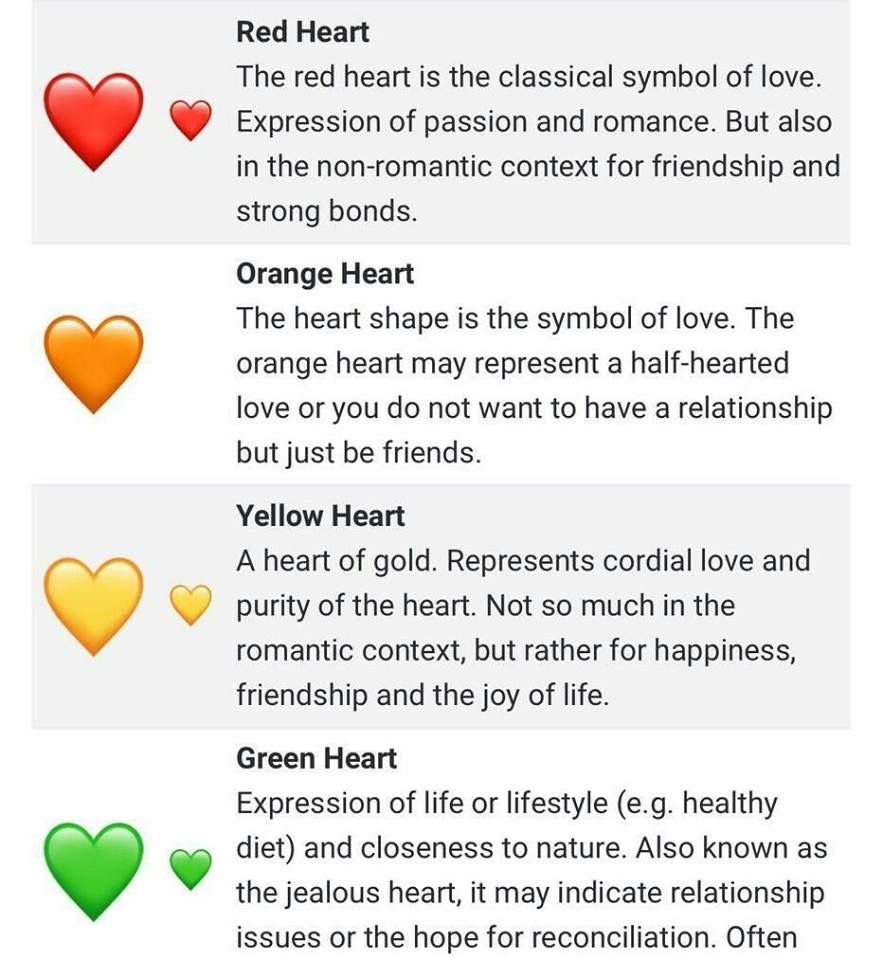
In the hierarchy of digital affection, the orange heart is frequently categorized as the “friendzone” emoji or the “semi-romantic” indicator. Technically, it functions as a bridge. For users who find the red heart too forward for a burgeoning relationship, or the yellow heart too strictly platonic, the orange heart offers a middle-of-the-road alternative. It signifies warmth, care, and support without the permanence or intensity of its red counterpart. This makes it a preferred choice in the early stages of digital dating or in professional-adjacent relationships where a degree of warmth is required but boundaries must be maintained.
Algorithmic Engagement: Emojis and Social Media Feed Logic
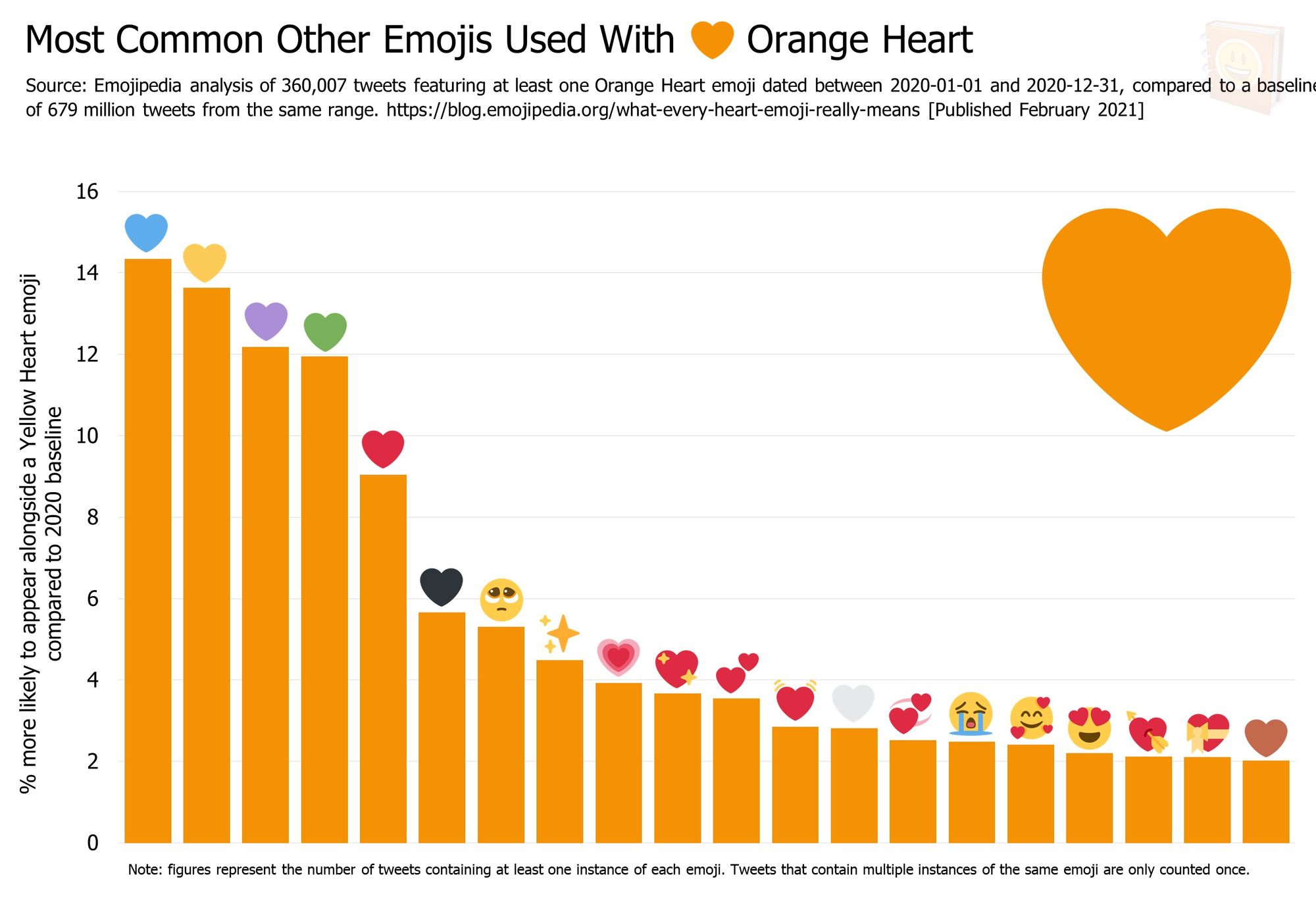
From a tech-growth perspective, emojis like the orange heart are more than just expressions; they are data points. Social media platforms—specifically Instagram and TikTok—use emoji interactions to gauge sentiment and engagement. When a user reacts to a post with an orange heart, the platform’s algorithm categorizes this as “positive sentiment.” Interestingly, the orange heart is often used in aesthetic-driven niches (such as autumn-themed content or sunset photography). Because users frequently use this emoji in clusters, it helps algorithms identify and categorize visual content, ultimately influencing what appears in a user’s “For You” page or “Explore” feed.

Technical Implementations and Integration in Modern Communication Apps
The functionality of the orange heart extends beyond simple text. Modern messaging applications have integrated emojis into their core architecture, using them for features like “Tapback” reactions, status updates, and even encrypted communication identifiers.
WhatsApp, Snapchat, and Instagram: Platform-Specific Interpretations
Different apps leverage the orange heart in various functional ways. On Snapchat, emojis next to a user’s name represent specific relationship “streaks” or levels of interaction. While the orange heart isn’t currently a standard “friendship level” icon like the yellow or red heart, its use in chats often signifies a “warm” but casual frequency of communication. On WhatsApp, the orange heart can be scaled up in size when sent alone, a technical feature that emphasizes the emoji’s visual impact. These platform-specific implementations dictate how the user interacts with the symbol, turning a simple glyph into a functional UI element.
Semantic Search and Emoji-Based Navigation
As search engines and app databases become more sophisticated, they have begun to index emojis. Today, you can search for “orange heart” or even paste the emoji into a search bar on platforms like Pinterest or YouTube to find content that matches that specific mood or aesthetic. This is a significant leap in Natural Language Processing (NLP). The tech behind this involves mapping the emoji to specific metadata keywords such as “warmth,” “care,” “friendship,” and “orange.” This allows for a non-verbal search methodology that is particularly effective in global markets where language barriers might otherwise exist.
The Future of Expressive Technology: Beyond Static Emojis
As we move toward more immersive digital environments, such as the Metaverse and augmented reality (AR), the orange heart is likely to evolve from a static 2D image into a dynamic, multi-sensory experience. The technology behind our digital expressions is moving toward a future where “meaning” is conveyed through more than just pixels.
Animated Emojis and Haptic Feedback
We are already seeing the rise of “Live Emojis” and animated stickers. In the near future, sending an orange heart could trigger haptic feedback—a specific vibration pattern on the receiver’s smartphone or wearable device that mimics a “warm” sensation. This integration of hardware and software aims to close the gap between digital and physical intimacy. By assigning a tactile sensation to the orange heart, tech companies can enhance the emotional resonance of the symbol, making the “warmth” it represents a literal experience for the user.
AI and Natural Language Processing (NLP) in Emoji Prediction
Artificial Intelligence is playing an increasingly large role in how we use emojis. Modern mobile keyboards use predictive text models to suggest emojis based on the sentiment of the typed text. If a user types, “I’m so proud of you,” the AI might suggest the orange heart as a supportive, non-romantic option. These LLMs (Large Language Models) are trained on billions of lines of conversation, effectively “learning” that the orange heart is a tool for encouragement. As AI continues to refine its understanding of human nuance, the orange heart will be suggested in increasingly specific contexts, further solidifying its role as the digital symbol for “warm support.”
Conclusion: The Technical Resonance of the Orange Heart
The orange heart ( ) is far more than a colorful icon. In the tech world, it represents a successful implementation of Unicode standards, a crucial data point for social media algorithms, and a versatile tool for digital etiquette. It bridges the gap between the platonic and the romantic, providing a nuanced solution for the complexities of human interaction in a digital-first world.
As software continues to evolve and AI becomes more integrated into our daily conversations, the orange heart will remain a vital component of our visual vocabulary. Whether it is used to bypass the intensity of a red heart, to categorize content in an algorithm, or to trigger a haptic response in a wearable device, the orange heart demonstrates how technology can capture the subtle shades of human emotion and translate them into a universal, digital format. In the grand architecture of digital communication, the orange heart is the technician’s choice for warmth, balance, and sophisticated expression.
aViewFromTheCave is a participant in the Amazon Services LLC Associates Program, an affiliate advertising program designed to provide a means for sites to earn advertising fees by advertising and linking to Amazon.com. Amazon, the Amazon logo, AmazonSupply, and the AmazonSupply logo are trademarks of Amazon.com, Inc. or its affiliates. As an Amazon Associate we earn affiliate commissions from qualifying purchases.