
The Olympic Games, a quadrennial celebration of human athletic prowess, culminates in one of the most coveted symbols of victory: the gold medal. But beyond the fleeting glint of metal and the roar of the crowd, what truly constitutes this iconic award? This article delves into the multifaceted nature of the Olympic gold medal, exploring its physical attributes, the intricate design process behind its creation, and the profound branding and financial implications it carries for athletes and the Olympic movement itself. While the immediate association is with monetary value, a deeper examination reveals how the medal’s design, its historical context, and the technological advancements in its creation all contribute to its unparalleled prestige.
The Tangible Symbol of Unmatched Achievement
The immediate, and perhaps most obvious, aspect of an Olympic gold medal is its physical appearance. For spectators and athletes alike, it’s the tangible representation of years of dedication, sacrifice, and extraordinary performance. But what exactly are these medals made of, and what are their dimensions?
The Composition of “Gold”
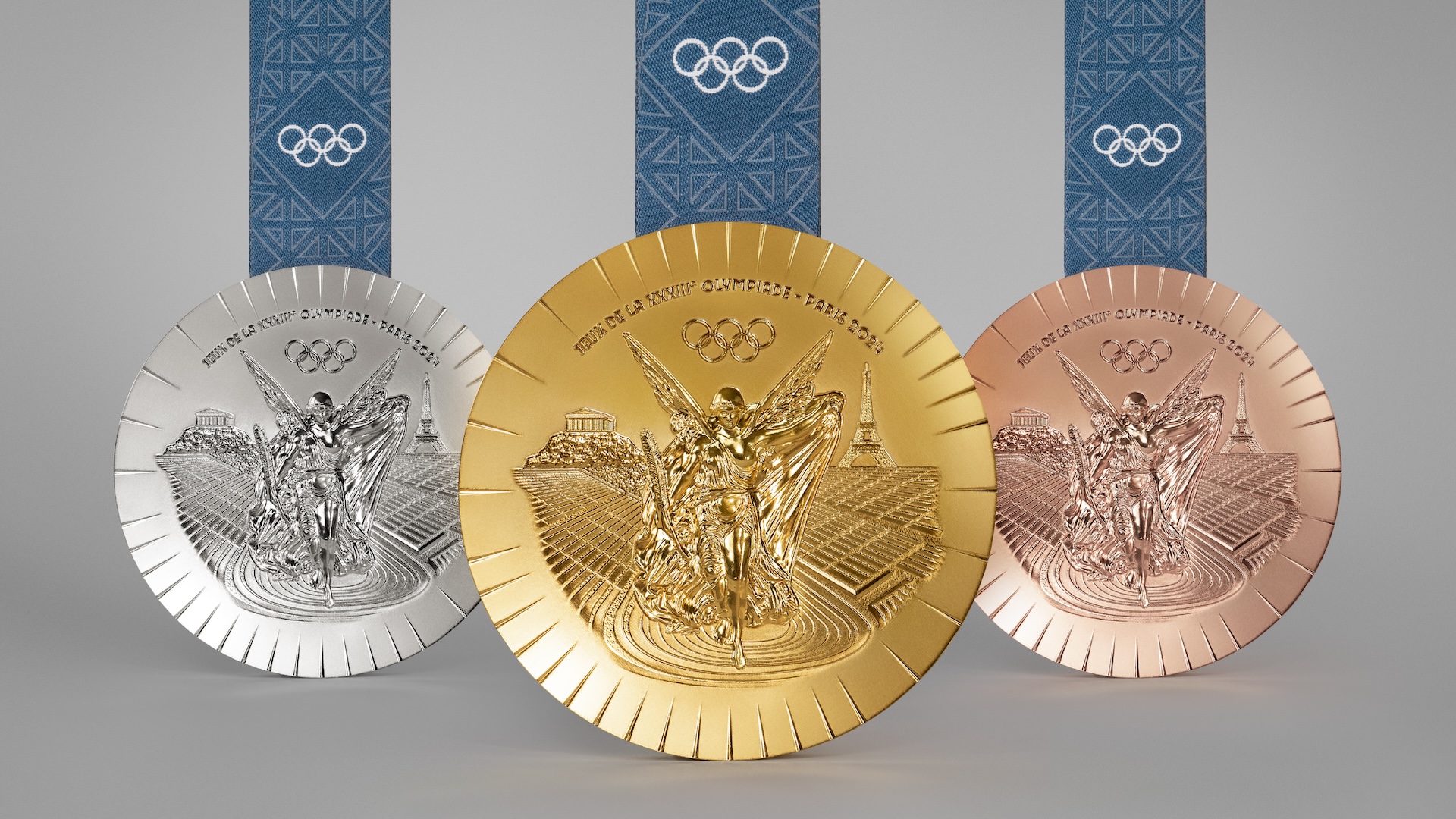
Contrary to popular belief, an Olympic gold medal is not made of solid gold. This is a common misconception that perhaps stems from the term itself. Instead, the modern Olympic gold medal is primarily made of sterling silver, approximately 92.5% silver and 7.5% copper. It is then plated with a significant amount of gold, typically at least 6 grams. This ensures that the medal possesses the characteristic golden sheen that has become synonymous with Olympic victory.
The reasoning behind this composition is multi-faceted. Firstly, solid gold medals would be prohibitively expensive and heavy. The sheer weight and cost would make them impractical to produce in the numbers required for the Games. Secondly, the silver-gold alloy provides a durable and lustrous finish that can withstand the rigors of being handled and displayed, while still conveying the sense of immense value. The specific thickness of the gold plating can vary between Olympic Games and organizing committees, often reflecting a desire to balance tradition with cost-effectiveness and aesthetic appeal.
Dimensions and Design Evolution
The size and design of Olympic medals are not standardized across all Games. Each host city and organizing committee has the unique opportunity to commission a new design for their specific event, often incorporating local motifs, historical significance, or thematic elements relevant to the host nation or the spirit of the Games. However, there are some general guidelines and traditions that are followed.
The diameter of an Olympic medal typically ranges from 85 to 100 millimeters (approximately 3.3 to 3.9 inches), with a thickness of around 7 to 10 millimeters (approximately 0.3 to 0.4 inches). This substantial size contributes to the medal’s impressive feel and presence.
The obverse (front) of the medal, for the Summer Olympics, traditionally features the iconic imagery of Nike, the Greek goddess of victory, with a laurel wreath in her hand. The reverse (back) side is where the host city and organizing committee have the most creative freedom. This is where the unique identity of the Games is most prominently displayed. Designs can include:
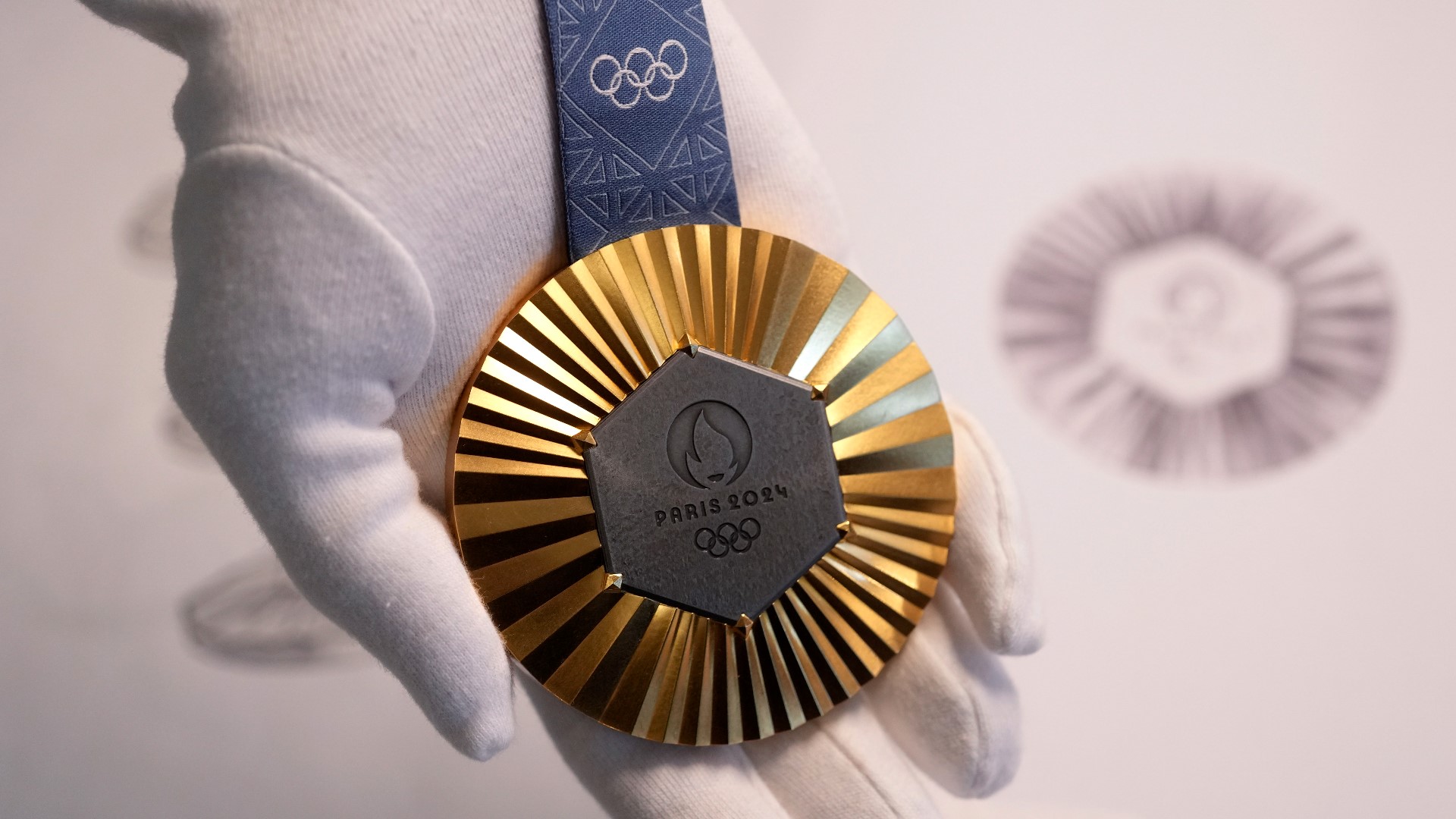
- The Olympic Rings: Always present, these five interlocking rings symbolize the unity of the five inhabited continents and the meeting of athletes from around the world.
- Host City/Country Emblem: A distinct symbol representing the host nation or city is often incorporated.
- The Name of the Sport: The specific sport for which the medal is awarded is usually inscribed.
- The Official Name of the Games: For example, “Tokyo 2020 Olympic Games.”
- Artistic Depictions: These can range from abstract patterns to detailed illustrations reflecting the culture and heritage of the host country. For instance, the Tokyo 2020 medals featured a design inspired by the fan motif, symbolizing the athletes’ journey and the support they receive, created from recycled electronic waste, highlighting a commitment to sustainability.
The evolution of medal design is a fascinating aspect of Olympic history. Early medals were often simpler, with less elaborate designs and materials. As technology advanced and the Games grew in scale and prestige, so too did the complexity and artistry of the medals. The introduction of digital design tools and advanced manufacturing techniques has allowed for greater detail, intricate textures, and more innovative use of materials.
The Branding and Marketing of Olympic Glory
While the physical medal is a tangible reward, its true value extends far beyond its material composition. The Olympic gold medal is a powerful brand in itself, intricately woven into the fabric of the Olympic movement’s global identity and marketing strategy.
The Olympic Brand: A Symbol of Excellence
The Olympic Rings are arguably one of the most recognizable brand logos in the world, and the gold medal is inextricably linked to this powerful emblem. The brand association with the Olympics signifies:
- Global Reach and Unity: The Games bring together athletes from virtually every nation, promoting a message of international understanding and cooperation.
- Peak Human Performance: The medal represents the pinnacle of athletic achievement, a testament to dedication, talent, and relentless training.
- Inspiration and Aspiration: For aspiring athletes and fans alike, the gold medal serves as a potent source of motivation and a symbol of what can be achieved through hard work and perseverance.
The International Olympic Committee (IOC) meticulously guards the Olympic brand, ensuring its consistent and positive representation across all facets of the Games, including the design and presentation of the medals. The design of each medal is a deliberate act of branding, aiming to capture the unique spirit of that particular Olympic edition while upholding the overarching values of the Olympic movement.
Personal Branding for Olympians
For an individual athlete, winning an Olympic gold medal is a transformative career event. It instantly elevates their personal brand to a global stage. The medal becomes a shorthand for excellence, success, and national pride. This enhanced personal brand can lead to:
- Sponsorship Opportunities: Companies are eager to associate their products and services with the prestige and positive connotations of an Olympic champion. This can translate into lucrative endorsement deals, advertising campaigns, and long-term partnerships.
- Increased Media Attention: Gold medalists become household names, attracting significant media coverage that further amplifies their personal brand and influence.
- Speaking Engagements and Public Appearances: The recognition and respect afforded to Olympic champions open doors to paid speaking engagements, motivational speeches, and participation in various public events.
- Career Beyond Athletics: The momentum generated by an Olympic victory can pave the way for successful careers in coaching, sports commentary, business, or even politics.
The design of the medal itself plays a role in this personal branding. A unique and aesthetically pleasing medal can become a conversation starter and a memorable artifact for the athlete, further solidifying their achievements in the public consciousness. The narrative surrounding the medal – how it was won, its design inspiration, and its significance to the athlete – all contribute to their personal brand story.
The Financial Implications: More Than Just Metal
While the material value of an Olympic gold medal is relatively modest compared to its symbolic worth, the financial implications for an athlete are anything but. The financial return on investment for winning an Olympic gold medal can be substantial, albeit highly variable and dependent on numerous factors.
Material Value vs. Symbolic Value
As previously established, the “gold” medal is primarily silver plated with gold. The intrinsic material value of a typical Olympic gold medal, based on current market prices for silver and gold, might range from a few hundred to a couple of thousand US dollars. This is a stark contrast to the immense symbolic value it holds.
The true financial windfall comes not from the metal itself, but from the opportunities and recognition that the medal unlocks. This is where the intersection of personal branding and financial gain becomes most apparent.

The Economic Impact of a Gold Medal
The financial benefits an Olympian can reap from winning a gold medal are diverse:
- Prize Money from National Olympic Committees: Many countries offer direct financial rewards to their medalists. These sums can vary significantly from nation to nation, with some offering substantial bonuses for gold medal performances, while others offer more modest amounts.
- Sponsorships and Endorsements: This is often the largest source of financial gain. Athletes can command significant endorsement fees from global brands looking to leverage their winning image. The duration and value of these contracts can range from short-term campaigns to multi-year, high-value agreements.
- Appearance Fees: Demand for a gold medalist’s appearance at events, product launches, or corporate functions can lead to significant appearance fees.
- Merchandise and Licensing: Some athletes may have their image or signature featured on merchandise, further contributing to their income.
- Career Longevity and Post-Olympic Earnings: A gold medal can open doors to long and prosperous careers in fields beyond competitive sports, leveraging the brand recognition and discipline honed through athletic pursuits.
The design and collectibility of medals can also have a secondary financial impact. While not typically sold by athletes due to their immense sentimental value, rare or historically significant Olympic medals can fetch extremely high prices at auction. However, this is a rare occurrence, and the primary financial impact is derived from the opportunities the win creates.
The financial journey of an Olympian is a complex interplay of athletic achievement, strategic personal branding, and market demand. The Olympic gold medal, while appearing as a simple object of victory, is in fact a powerful catalyst that can significantly alter an athlete’s financial trajectory and legacy.
In conclusion, the Olympic gold medal is far more than just a shiny piece of metal. It is a meticulously crafted symbol of human endeavor, a powerful branding tool for both the Olympic movement and individual athletes, and a significant catalyst for financial reward. From its material composition and evolving design to its profound impact on personal brands and economic opportunities, the gold medal encapsulates the enduring allure and multifaceted significance of the Olympic Games. It stands as a testament to the fact that true value often lies not just in what something is made of, but in what it represents and the doors it opens.
aViewFromTheCave is a participant in the Amazon Services LLC Associates Program, an affiliate advertising program designed to provide a means for sites to earn advertising fees by advertising and linking to Amazon.com. Amazon, the Amazon logo, AmazonSupply, and the AmazonSupply logo are trademarks of Amazon.com, Inc. or its affiliates. As an Amazon Associate we earn affiliate commissions from qualifying purchases.