
Roses. They are more than just a beautiful bloom gracing gardens and filling vases. For centuries, these iconic flowers have carried a rich tapestry of symbolic meaning, with their vibrant hues communicating specific emotions, desires, and sentiments. While the language of flowers, or floriography, might seem like a charming relic of the past, its influence persists, particularly in the gifting of roses. Understanding these nuanced meanings can elevate a simple bouquet into a powerful message, whether you’re expressing love, offering sympathy, or celebrating a milestone.
This exploration will delve into the diverse meanings attributed to various rose colors. But to truly appreciate the depth of this floral language, we must also consider how this symbolism can be applied in contexts beyond personal relationships. How can understanding symbolic meaning inform branding strategies? How can the art of conveying messages through symbols be leveraged in marketing campaigns? And how can a deeper understanding of perceived value, much like the inherent symbolism of a rose, influence financial decisions and the perception of wealth? Let’s uncover the rich meanings of rose colors and then expand our understanding to these broader, interconnected themes.
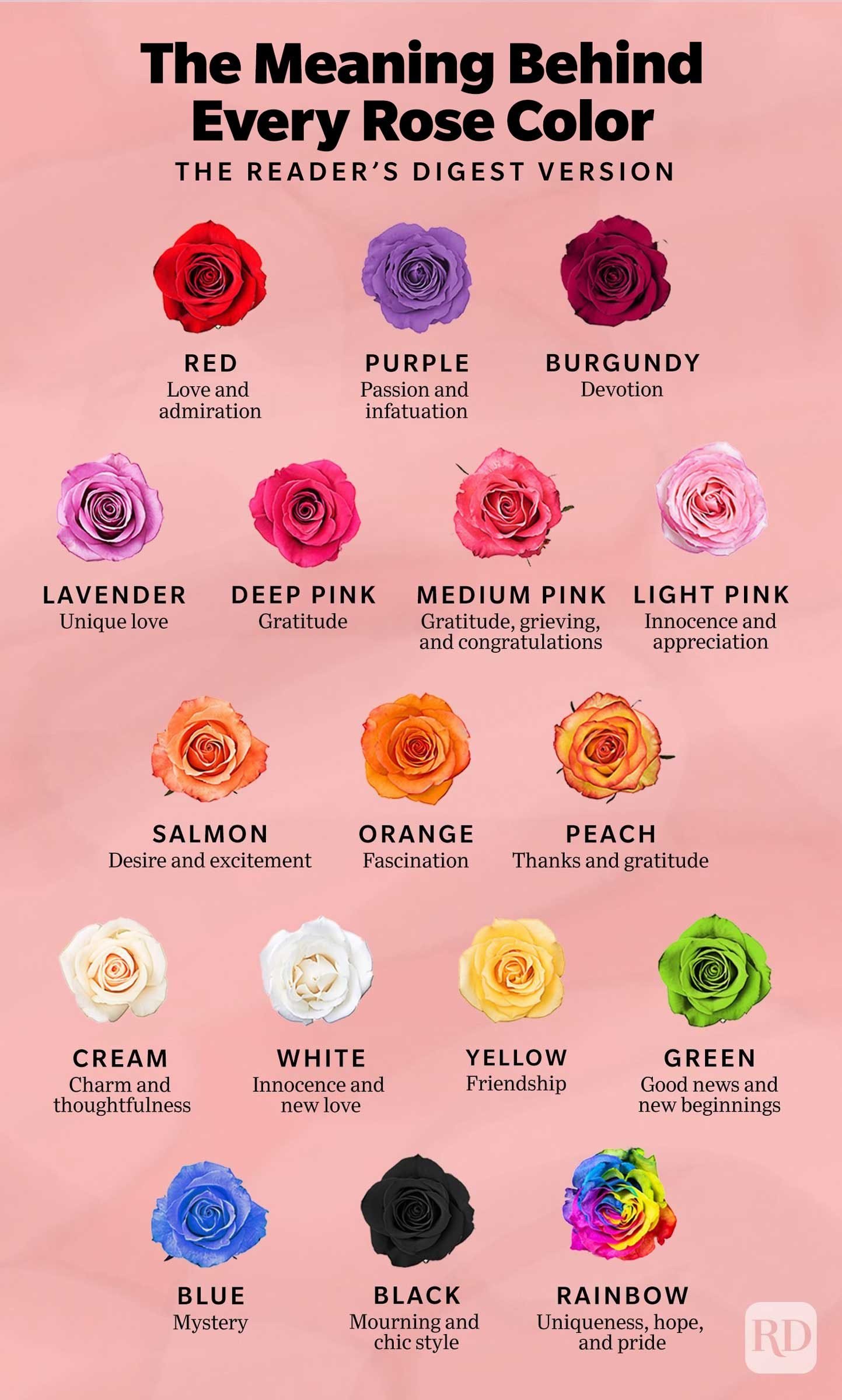
The Classic & The Bold: Red, Pink, and Yellow Roses
The most iconic and widely recognized rose color is undoubtedly red. Its symbolism is deeply ingrained in our collective consciousness, representing passion, love, desire, and romance. A red rose is the quintessential declaration of deep affection, often reserved for significant romantic gestures. It speaks of an intense, burning love, a desire that cannot be contained. In history, red roses have been associated with Aphrodite, the Greek goddess of love, further solidifying their romantic connotations.
When it comes to red roses, the intensity of the shade can subtly alter the message. A deep, velvety crimson might suggest a more mature, profound love, while a brighter, more vibrant red can convey youthful infatuation and excitement. This is why a single red rose is often given as a potent symbol of “I love you,” while a dozen red roses is a classic expression of unwavering devotion.
Moving to softer hues, pink roses offer a spectrum of gentler, yet equally meaningful, expressions. Pink is generally associated with grace, admiration, joy, and gratitude. It’s a color that speaks of sweetness, elegance, and often, a burgeoning affection. Unlike the fiery passion of red, pink roses convey a more tender and delicate form of love, making them suitable for a wider range of relationships – from romantic partners to close friends and family members.
Within the realm of pink roses, different shades carry distinct nuances:
- Light Pink Roses: These are often interpreted as representing gentleness, admiration, and sympathy. They can convey a sense of warmth and innocence, making them a thoughtful choice for expressing appreciation or offering comfort.
- Medium Pink Roses: These shades often symbolize gratitude and appreciation. They are a beautiful way to say “thank you” to someone who has made a difference in your life.
- Deep Pink Roses: These can convey a stronger sense of admiration and gratitude, bordering on a more profound appreciation for someone’s qualities.
Yellow roses, once symbolizing jealousy and a faded love in some historical interpretations, have undergone a significant shift in meaning. Today, yellow roses are overwhelmingly associated with friendship, joy, happiness, and warmth. They are a perfect choice for celebrating platonic bonds, expressing cheerful greetings, or simply brightening someone’s day. The vibrant hue evokes the sunshine and optimism, making them a symbol of new beginnings and lively energy. They can also represent intellect and wisdom, making them suitable for academic achievements or to encourage someone embarking on a new intellectual pursuit.
The evolution of the yellow rose’s meaning is a fascinating case study in how cultural perceptions and shared understanding can reshape symbolism over time. What was once seen as negative is now a beacon of positivity.
The Purity and The Mystery: White and Orange Roses
White roses are universally recognized as a symbol of purity, innocence, spirituality, and new beginnings. They are often chosen for weddings, christenings, and other ceremonies that celebrate purity and a fresh start. Their pristine color evokes a sense of peace, reverence, and untainted beauty. A white rose can also represent remembrance, particularly when offered at funerals or memorial services, signifying a pure and eternal memory of the departed.
Beyond their association with purity, white roses can also signify a silent understanding or a secret admiration. They can be a way to convey a message of hope and new possibilities. In some contexts, a white rose can also be a symbol of humility and sincerity.
Orange roses are a less common but equally vibrant choice, carrying a dynamic and energetic symbolism. They represent enthusiasm, passion, and desire, but with a more outgoing and adventurous spirit than red roses. Orange roses convey a sense of excitement, fascination, and a bold declaration of interest. They can signify a fiery attraction, a burning ambition, or a vibrant creative spark.
The shades of orange can also add subtle layers to their meaning:
- Coral Roses: These can symbolize warmth, desire, and even enchantment. They possess a captivating allure.
- Peach Roses: Peach roses evoke warmth, sincerity, and gratitude. They are softer than a vibrant orange and convey a gentle, appreciative sentiment.
Orange roses are an excellent choice for expressing enthusiasm for a new venture, celebrating a courageous act, or conveying a sense of playful flirtation. They are a testament to zest for life and a spirited outlook.
The Unique and The Uncommon: Other Rose Colors
Beyond the most popular hues, a variety of other rose colors offer unique and specific symbolic meanings. These less conventional choices can add a distinct and personalized touch to a floral message.
-
Lavender/Purple Roses: These roses symbolize enchantment, love at first sight, and a sense of mystery. They can convey a sense of regal beauty and an alluring, almost magical, attraction. A deeper purple can also represent royalty and timeless elegance. They are often chosen to express a sense of wonder and captivated admiration.
-
Black Roses: While true black roses are extremely rare in nature and often achieved through dyeing, they are widely believed to symbolize death, farewell, and rebirth. They can represent the end of something and the beginning of something new, or a solemn and profound sense of loss and remembrance. Due to their dramatic and somber association, they are less commonly used in everyday gifting and more often reserved for specific, symbolic occasions.
-
Green Roses: These are a less traditional choice but carry meanings of renewal, hope, nature, and fertility. They can also symbolize harmony and balance. Green roses can be a refreshing choice for expressing well wishes for growth and prosperity.

- Multicolor/Striped Roses: Roses with multiple colors or stripes can represent a blend of the meanings associated with their individual colors, or signify a complex emotional state or a diverse range of feelings. They can also symbolize duality and the beauty found in complexity.
The Language of Roses: Applications Beyond Personal Gifting
The rich symbolism of rose colors, while deeply rooted in personal expression and romantic gestures, offers a fascinating parallel to concepts within the realms of Brand and Money. Understanding how colors evoke emotions and communicate messages is not limited to the floral world; it is a powerful tool in how we build identities, market products, and even perceive value.
Branding Through Color: Crafting a Visual Identity
Just as a red rose boldly declares passion, brands utilize color to instantly communicate their core values, personality, and aspirations. Brand strategy relies heavily on the psychological impact of color.
-
Red: In branding, red is often used to convey excitement, energy, urgency, and passion. Think of iconic brands like Coca-Cola or Netflix, which use red to evoke a sense of dynamism and consumer engagement. This aligns with the rose’s message of intense love and desire, drawing attention and creating a powerful emotional response.
-
Pink: Pink in branding evokes feelings of softness, femininity, compassion, and playfulness. Brands targeting a younger demographic or promoting products related to wellness and self-care often employ pink. This resonates with the rose’s message of grace, admiration, and gentle affection.
-
Yellow: Yellow is a color of optimism, happiness, and creativity in branding. It’s used by companies aiming to project friendliness and approachability, or to highlight innovation and bright ideas. This mirrors the yellow rose’s symbolism of joy, friendship, and intellectual stimulation.
-
White: White signifies purity, simplicity, and clarity in branding. Luxury brands often use white to convey sophistication and elegance, while technology companies might use it to emphasize a clean, user-friendly interface. This echoes the white rose’s association with innocence, new beginnings, and a clear, unadulterated message.
-
Orange: Orange in branding suggests enthusiasm, creativity, and affordability. It’s a color that can create a sense of fun and approachability, often used by brands in the entertainment or food industries. This aligns with the rose’s message of vibrant energy and adventurous spirit.
The selection of a brand’s color palette is a strategic decision, meticulously chosen to resonate with the target audience and differentiate itself from competitors. A brand’s corporate identity is intrinsically linked to its visual language, and color is a foundational element in crafting that identity. Much like a carefully chosen rose speaks volumes, a well-defined brand color speaks to its essence.
Marketing with Symbolism: Evoking Emotion and Driving Action
The principles of floriography can be seen in effective marketing campaigns. Marketers leverage color and symbolism to evoke specific emotions and drive consumer behavior. A campaign using vibrant reds might aim to create a sense of urgency or excitement for a limited-time offer, mirroring the passionate appeal of a red rose. A campaign featuring soft pinks might focus on nurturing, care, or a sense of community.
Case studies in marketing often highlight how a shift in color palette or the introduction of symbolic imagery can dramatically alter consumer perception and brand performance. For instance, a brand looking to pivot its image from a traditional, perhaps “faded” feel (akin to an old perception of yellow roses) to one of innovation and freshness might adopt a brighter, more dynamic color scheme.
The reputation of a brand is built over time, and consistent use of color and symbolism plays a crucial role in shaping that perception. When consumers see a particular color, they associate it with the feelings and experiences they’ve had with that brand. This creates a powerful subconscious connection, much like the immediate recognition of a rose’s meaning based on its hue.

The Perceived Value of Color: Financial and Investment Insights
The connection between color and perception extends into the realm of Money. While not as direct as the symbolism of roses, the way we perceive value and make financial decisions can be influenced by the colors we associate with wealth, security, and opportunity.
-
Gold and Silver: These colors are universally associated with precious metals and therefore, wealth and prosperity. Brands utilizing gold and silver in their packaging or logos often aim to convey luxury and high value. This is akin to the inherent desirability of a rare or particularly perfect bloom.
-
Green: In many cultures, green is associated with money and financial growth, perhaps due to the color of currency. Personal finance advice often emphasizes growth and savings, concepts that can be visually represented by green. In investing, green can signify a positive market trend.
-
Blue: Blue often conveys trust, stability, and reliability. Financial institutions frequently use blue in their branding to instill confidence in their customers. This resonates with the dependable and enduring nature of certain rose colors that symbolize steadfastness.
Personal branding also benefits from an understanding of color. Just as you might choose a specific rose to convey a particular sentiment, you can choose colors in your professional presentation – from your website to your social media – to communicate your personal brand’s core attributes. Are you aiming for a bold, innovative image (perhaps with hints of orange)? Or a more trustworthy and grounded persona (potentially incorporating blues and whites)?
The concept of online income and side hustles can also be approached with a strategic understanding of visual presentation. How do you make your online presence appealing and trustworthy? The colors you choose can play a significant role in this. For example, a finance blog might use a combination of green for growth, blue for trust, and perhaps yellow for optimism and opportunity.
Ultimately, the meaning of rose colors is a beautiful testament to the power of symbolism. From the passionate declaration of a red rose to the joyous greeting of a yellow one, each hue tells a story. This same power of communication through visual cues is fundamental to building strong brands, crafting effective marketing strategies, and even subtly influencing our perceptions of value in the financial world. By understanding the language of roses, we gain a deeper appreciation for how colors and symbols weave through our lives, shaping our emotions, decisions, and connections.
aViewFromTheCave is a participant in the Amazon Services LLC Associates Program, an affiliate advertising program designed to provide a means for sites to earn advertising fees by advertising and linking to Amazon.com. Amazon, the Amazon logo, AmazonSupply, and the AmazonSupply logo are trademarks of Amazon.com, Inc. or its affiliates. As an Amazon Associate we earn affiliate commissions from qualifying purchases.