
In the vibrant world of marketing, where brands often compete for attention through neon hues and high-contrast palettes, the color grey is frequently misunderstood. Often dismissed as “boring,” “dull,” or “uninspired,” grey is, in reality, one of the most strategic and versatile tools in a brand strategist’s arsenal. When utilized correctly, grey represents a sophisticated balance of neutrality, professionalism, and timelessness.
From the sleek brushed aluminum of high-end technology to the prestigious silver emblems of luxury automotive brands, grey serves as a powerful communicator of corporate identity. This article explores the nuanced symbolism of grey in the world of branding, analyzing how it shapes consumer perception and why it remains a staple for some of the world’s most successful organizations.
The Psychology of Neutrality: Why Brands Choose Grey
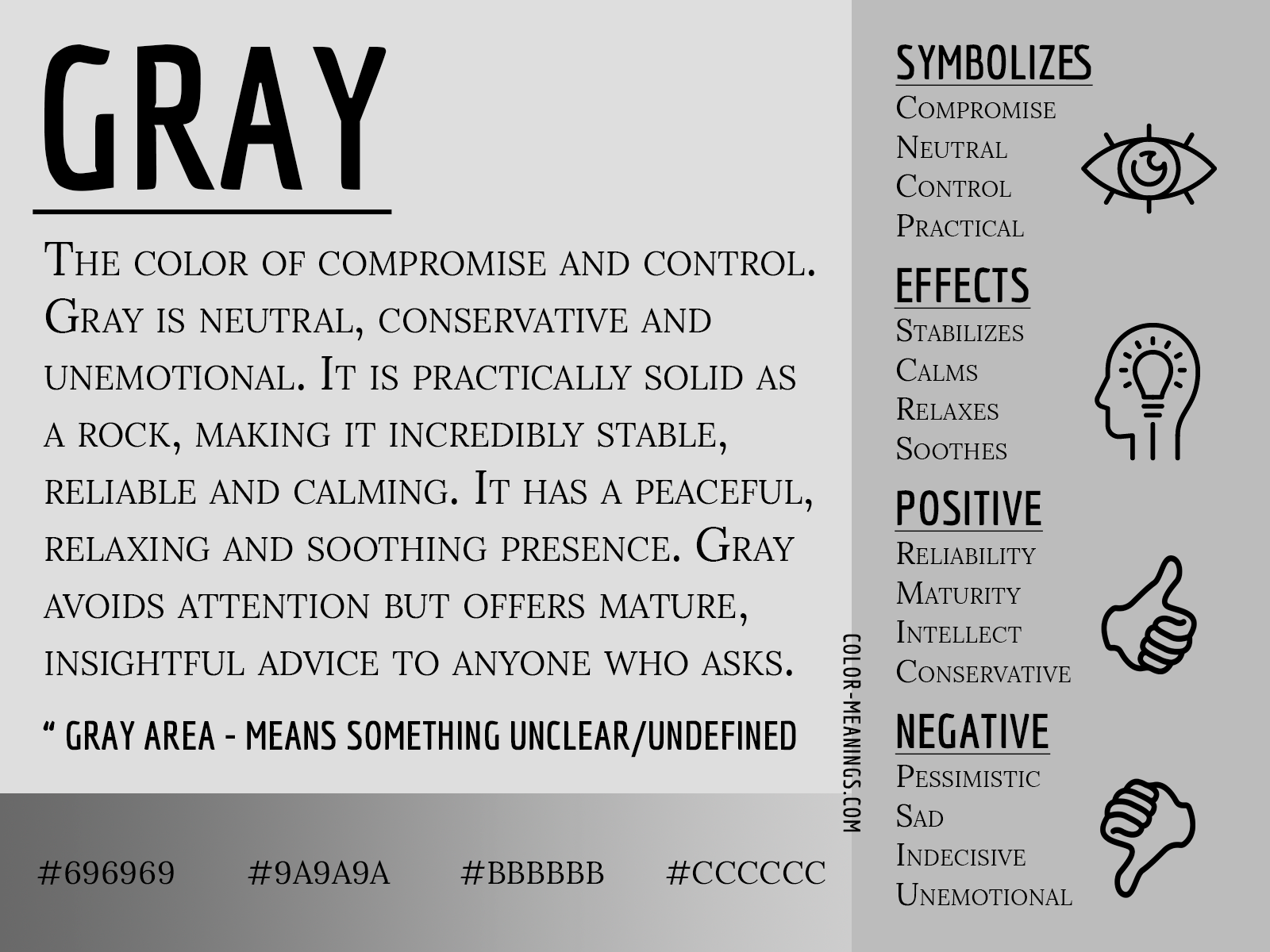
Color psychology is a fundamental pillar of brand strategy. While red evokes passion and blue signals trust, grey occupies a unique psychological space: the middle ground. It is the literal and figurative bridge between the absolute clarity of white and the intense authority of black. This neutrality makes it an indispensable choice for brands that wish to project stability and objectivity.
Balance and Professionalism
Grey is fundamentally a color of equilibrium. In corporate identity, it represents a brand that is composed, reliable, and emotionally controlled. Unlike “loud” colors that demand an immediate visceral reaction, grey invites a more cerebral engagement. It suggests that a company is established and operates with a level of professional maturity. This is why grey is a dominant color in the financial, legal, and consulting sectors. It tells the client: “We are the calm in the storm; we are the stable foundation you can rely on.”
The Sophistication of Silence
There is a concept in design known as “the sophistication of silence.” Grey embodies this perfectly. By choosing a grey-based palette, a brand signals that it does not need to shout to be heard. It suggests an inherent value that speaks for itself. This quiet confidence is often associated with high-end luxury and “quiet luxury” movements. In these contexts, grey represents exclusivity and understated elegance, appealing to a demographic that values substance over flashiness.
Grey as a Symbol of Innovation and Modernity
While traditional associations of grey might include stone or overcast skies, the modern brand landscape has redefined the color through the lens of industrialization and technology. Today, grey is synonymous with innovation, sleek engineering, and the cutting edge of human progress.
The “Apple Effect” and Industrial Minimalism
Perhaps no company has done more to elevate the status of grey than Apple. Through their “Space Grey” and “Silver” product lines, they transformed grey from a utilitarian industrial color into a symbol of premium craftsmanship. In branding, this use of grey represents a commitment to minimalism. It strips away the unnecessary, focusing the consumer’s attention on the form, function, and material quality of the product. This industrial aesthetic suggests that the brand is forward-thinking and technically superior.
Establishing Authority in High-Tech Markets
In the tech and software sectors, grey is often used to signify “the machine.” It represents hardware, logic, and the digital infrastructure that powers the modern world. When a brand uses metallic greys or deep charcoals, it taps into the collective perception of strength and durability. For a brand, this translates to authority. A grey logo or interface suggests that the technology is robust, secure, and built to last. It moves the brand identity away from the “playfulness” of primary colors and toward the “seriousness” of high-performance tools.
The Versatility of Grey in Visual Identity Systems
One of the primary reasons brand designers gravitate toward grey is its functional versatility. It acts as the ultimate “anchor,” providing a framework that allows other elements of a visual identity to shine without creating visual fatigue.
Supporting Primary Brand Colors
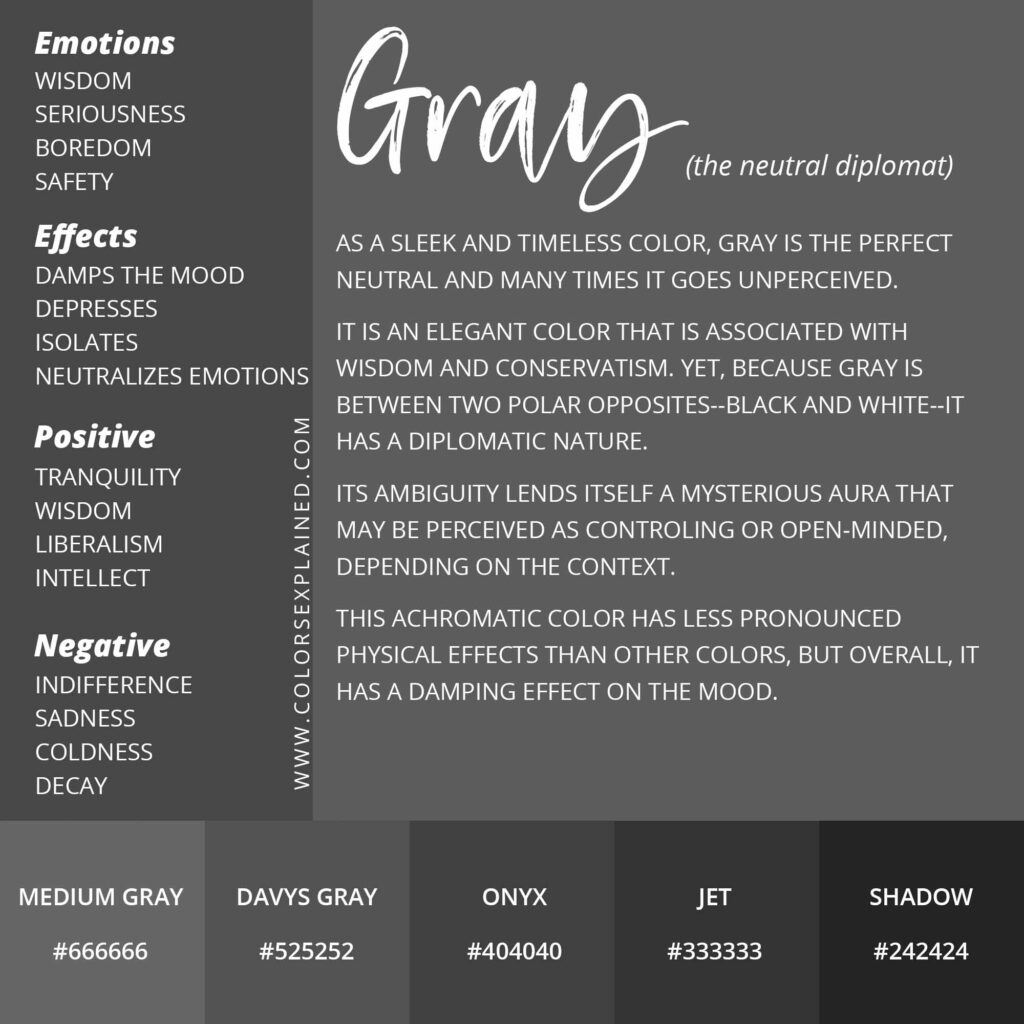
Grey is rarely used in isolation; its power is often realized in its relationship with other colors. In a brand’s color system, grey serves as a sophisticated secondary or tertiary color that provides “breathing room.” When paired with a vibrant accent color—such as a bright orange or a vivid teal—grey provides a neutral backdrop that makes the accent color pop with even more intensity. This contrast is vital for brand recognition, as it allows for a clear hierarchy of information while maintaining an overall professional aesthetic.
Strategic Applications in Typography and UI
In the digital age, the role of grey in User Interface (UI) and typography cannot be overstated. Pure black text on a pure white background can cause eye strain; therefore, many of the world’s leading digital brands utilize various shades of dark grey for their primary text. This subtle shift represents a brand’s commitment to user experience and accessibility. Furthermore, grey is used strategically to indicate hierarchy—using lighter greys for secondary information and darker greys for primary calls to action. In this context, grey represents a brand that is thoughtful, user-centric, and meticulous about detail.
Case Studies: Iconic Brands That Own the Grey Palette
To understand the impact of grey, one must look at the organizations that have successfully integrated it into their core identity. These brands demonstrate that grey is far from invisible—it is a cornerstone of their market positioning.
Mercedes-Benz: Silver and the Heritage of Excellence
The Mercedes-Benz “Three-Pointed Star” is almost always rendered in a metallic silver-grey. This choice is deeply rooted in the brand’s history with the “Silver Arrows” racing cars. In this context, grey represents speed, heritage, and German engineering precision. By maintaining a silver/grey palette, Mercedes-Benz reinforces its identity as a leader in the luxury automotive space, signaling a level of prestige that transcends fleeting design trends.
Wikipedia: The Neutral Arbiter of Information
The Wikipedia logo, a globe composed of puzzle pieces, is primarily rendered in shades of grey. This is a deliberate strategic choice. As a global repository of knowledge, Wikipedia must remain—and appear—entirely neutral. If the logo were blue or red, it might unconsciously signal a specific political or cultural bias. Grey represents the brand’s mission: to be an objective, unbiased, and encyclopedic source of information. It represents the “grey area” of nuance and the objective recording of facts.
Strategic Considerations: Avoiding the Pitfalls of Grey
While grey offers numerous benefits, it is not without its risks. If used incorrectly, it can inadvertently convey negative traits that can damage a brand’s reputation.
Combating “Blandness” and Lack of Emotion
The most significant risk of a grey-heavy brand identity is appearing “soulless” or “corporate” in a pejorative sense. Because grey is emotionally detached, a brand may struggle to build an emotional connection with its audience if the palette is too sterile. To counter this, brand strategists often introduce texture (such as brushed metal or matte finishes) or pair grey with “warm” neutrals like taupe or beige to add a sense of approachability. The goal is to ensure the grey represents “precision” rather than “indifference.”
Cultural Context and Global Perception
Like all colors, the meaning of grey can shift depending on cultural context. In some Western cultures, it is associated with aging and wisdom (the “grey-haired” expert), while in others, it may be associated with mourning or austerity. When building a global brand identity, it is crucial to ensure that the chosen shade of grey resonates correctly across different markets. A deep, charcoal grey may feel luxurious in New York or London but could feel overly somber in markets that favor high-energy color palettes.
Conclusion
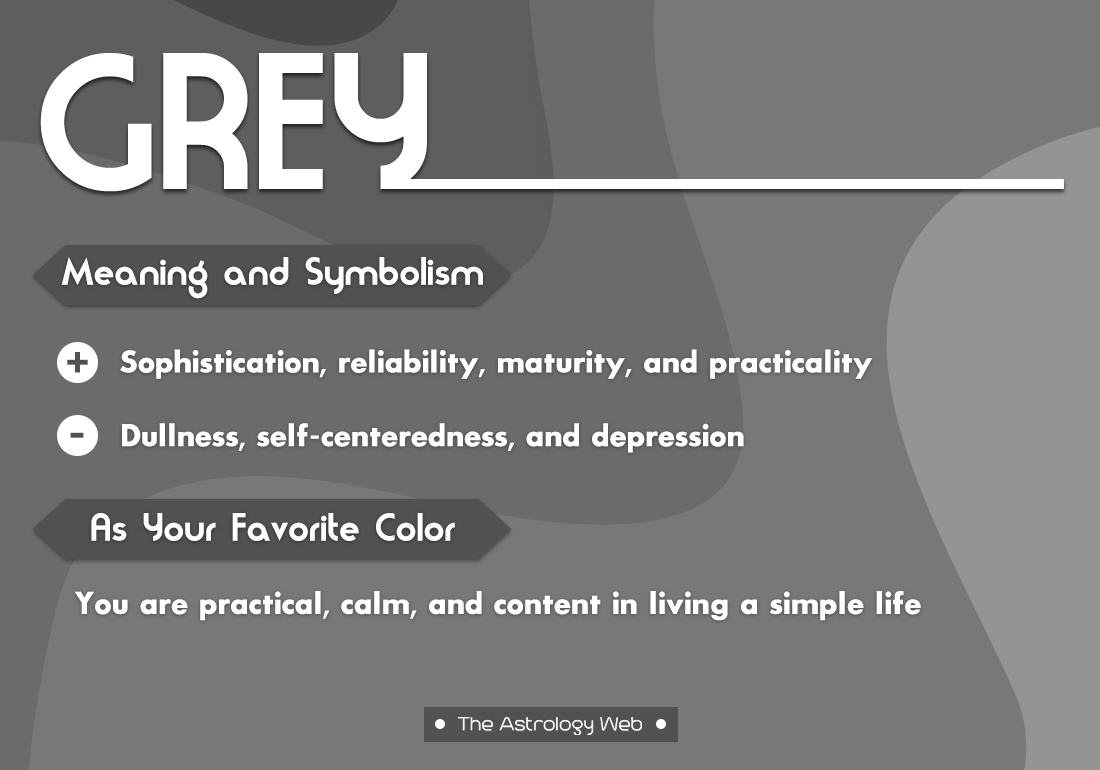
In the strategic world of branding and corporate identity, the color grey represents far more than a simple lack of color. It is a sophisticated tool that communicates stability, professionalism, and modern innovation. Whether it is used to anchor a vibrant visual system or to define the sleek aesthetic of a high-tech product, grey provides a sense of timelessness that few other colors can match.
For a brand, choosing grey is a statement of confidence. It tells the world that the company is established, its products are well-engineered, and its values are grounded in reality. By mastering the nuances of grey—its shades, its textures, and its psychological associations—brand strategists can create an identity that is not only visually compelling but also deeply resonant with a sophisticated global audience. Grey is not just a color; in the world of business, it is the color of authority.
aViewFromTheCave is a participant in the Amazon Services LLC Associates Program, an affiliate advertising program designed to provide a means for sites to earn advertising fees by advertising and linking to Amazon.com. Amazon, the Amazon logo, AmazonSupply, and the AmazonSupply logo are trademarks of Amazon.com, Inc. or its affiliates. As an Amazon Associate we earn affiliate commissions from qualifying purchases.