
Histamine. The word itself often conjures images of itchy rashes, sneezing fits, and the discomfort of allergies. While these are certainly prominent roles histamine plays in our bodies, its true impact is far more nuanced and vital than just being a troublemaker. Understanding histamine is crucial for anyone interested in health, wellness, and even how certain technological advancements in medicine and diagnostics are improving our ability to manage its effects. For those exploring avenues in personal finance and business, understanding the economic impact of conditions related to histamine, like allergies, also presents a significant area of consideration.
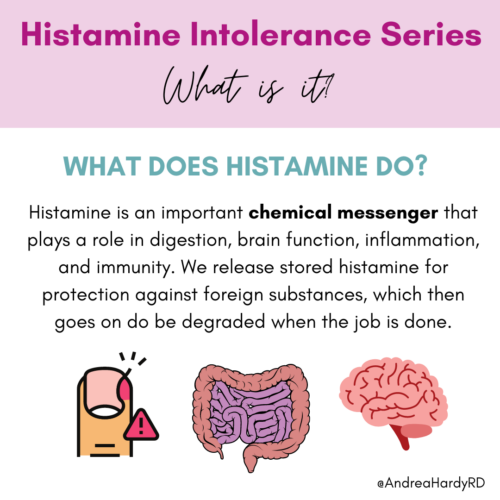
Histamine is a fascinating biomolecule, a chemical compound produced by our own bodies and also found in certain foods. It’s a key player in a wide array of physiological processes, acting as a neurotransmitter, a mediator of immune responses, and even influencing digestion. While often associated with negative reactions, histamine is fundamentally a signaling molecule, essential for normal bodily function. Its presence and function are intricately linked to our health, and disruptions in its regulation can lead to a spectrum of issues, from mild discomfort to severe anaphylaxis.
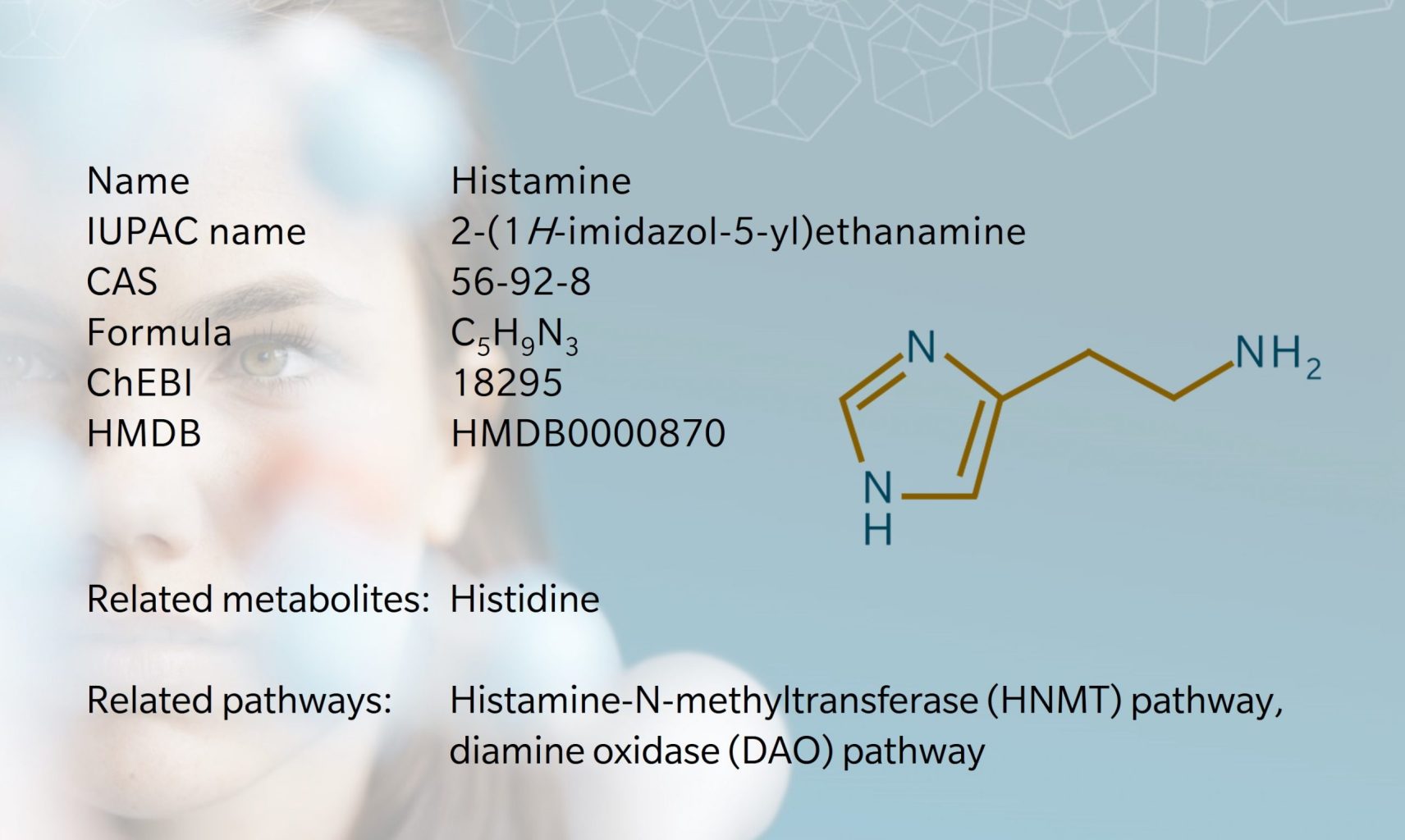
The Many Roles of Histamine: Beyond Allergies
While the public perception of histamine is heavily skewed towards its role in allergic reactions, this is only one facet of its complex functionality. Histamine is a biogenic amine, meaning it’s derived from an amino acid, specifically histidine. Its production within the body is primarily carried out by specialized cells called mast cells and basophils, which are key components of our immune system. However, other cells, including neurons in the brain and cells in the stomach lining, also produce and utilize histamine.
The ubiquity of histamine across different cellular populations highlights its diverse responsibilities. Its actions are mediated by specific receptors, known as histamine receptors (H1, H2, H3, and H4), located on the surface of various cells. The binding of histamine to these receptors triggers a cascade of intracellular events, leading to specific cellular responses. The type of receptor activated, and the cell it’s on, dictates the ultimate outcome. This intricate system of signaling is essential for maintaining homeostasis and responding to both internal and external stimuli.
Histamine in the Immune System: The Allergy Connection
The most commonly understood role of histamine is its involvement in allergic reactions. When the immune system encounters an allergen – a typically harmless substance like pollen, dust mites, or certain foods – it can mistakenly identify it as a threat. In response, mast cells and basophils release a significant amount of histamine.
This sudden surge of histamine triggers the characteristic symptoms of an allergic reaction:
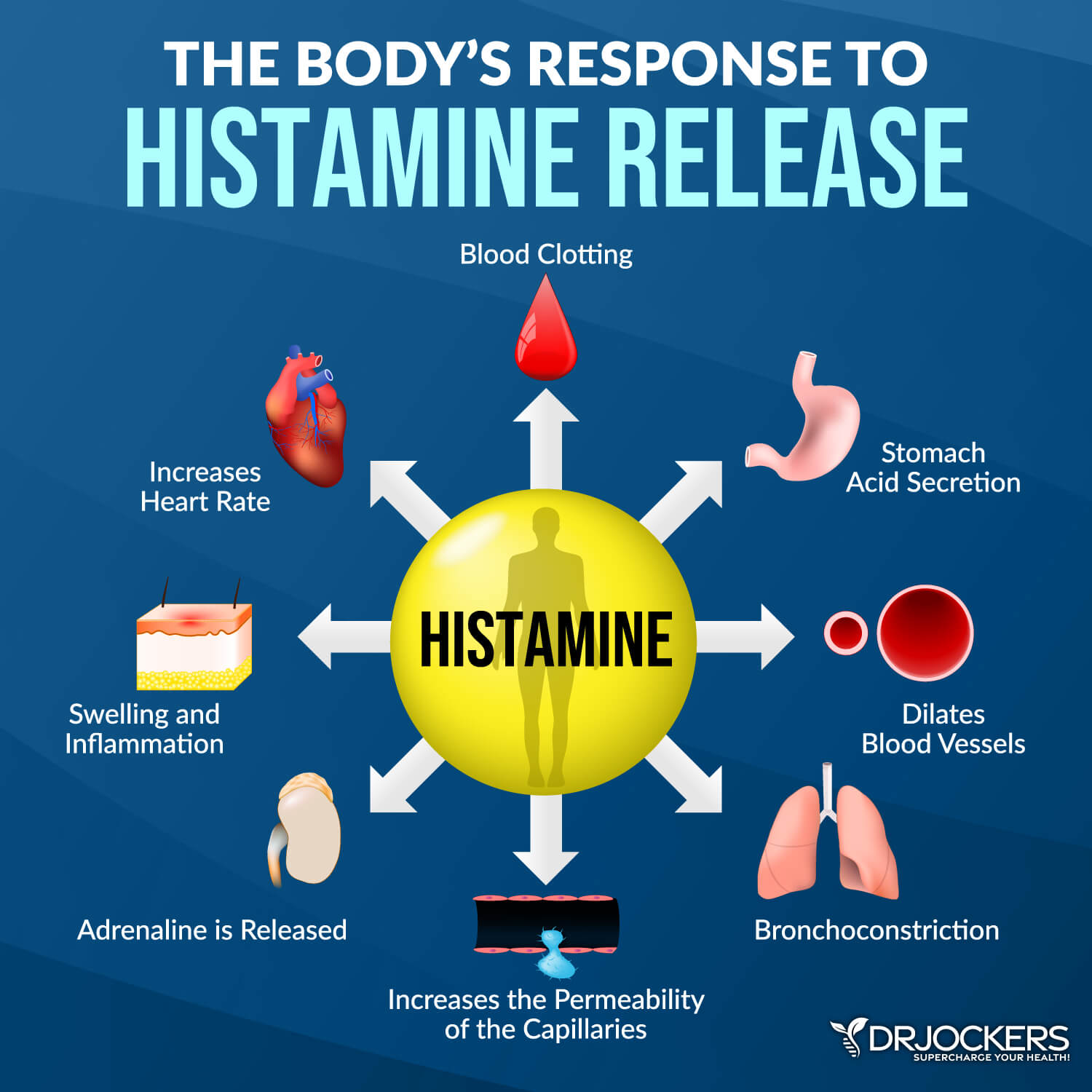
- Vasodilation: Histamine causes blood vessels to widen, leading to increased blood flow to the affected area. This contributes to redness and swelling.
- Increased Vascular Permeability: It makes blood vessel walls more porous, allowing fluid and immune cells to leak into the surrounding tissues. This is responsible for swelling (edema) and can lead to hives.
- Smooth Muscle Contraction: In the airways, histamine can cause the smooth muscles to constrict, leading to bronchoconstriction – a narrowing of the airways that makes breathing difficult, a hallmark of asthma exacerbations.
- Stimulation of Nerves: Histamine can irritate nerve endings, causing itching and pain.
- Mucus Production: It can stimulate goblet cells to produce more mucus, contributing to a runny nose and congestion.
This immediate hypersensitivity reaction, while uncomfortable, is the body’s attempt to expel the perceived threat. However, in many cases, this response is disproportionate to the actual danger posed by the allergen.
Histamine Beyond Allergies: Essential Bodily Functions
While allergies are a prominent manifestation, histamine’s contributions extend far beyond these immediate reactions:
1. Neurotransmitter in the Brain
In the central nervous system, histamine acts as a neurotransmitter, a chemical messenger that nerve cells use to communicate with each other. Here, it plays a crucial role in regulating several vital functions:
- Wakefulness and Sleep-Wake Cycles: Histamine is a key regulator of alertness and wakefulness. The release of histamine in the hypothalamus promotes arousal and vigilance. This is why antihistamines, which block histamine’s action, often cause drowsiness.
- Cognitive Functions: It is also implicated in learning, memory, and attention.
- Mood Regulation: Histamine has been linked to mood disorders, and its dysregulation may contribute to conditions like depression and anxiety.
- Appetite Control: It influences feelings of satiety and hunger.
The intricate network of histaminergic neurons in the brain underscores its importance in maintaining our mental state and cognitive abilities. Understanding these pathways is also crucial for the development of neurological drugs and treatments.
2. Digestion and Stomach Acid Production
In the stomach, histamine plays a pivotal role in digestion. Enterochromaffin-like (ECL) cells in the stomach lining produce histamine, which then stimulates parietal cells to release hydrochloric acid (HCl). This stomach acid is essential for:
- Breaking Down Food: HCl helps to break down complex food molecules, making them easier to digest and absorb.
- Killing Pathogens: The acidic environment of the stomach acts as a barrier against ingested bacteria and other harmful microorganisms.
The medications used to treat conditions like heartburn and peptic ulcers, known as proton pump inhibitors (PPIs) and H2 blockers (which specifically target histamine’s role in acid production), directly demonstrate the critical function of histamine in gastric physiology.
3. Local Tissue Responses and Inflammation
Beyond allergic reactions, histamine is involved in localized inflammatory responses that are part of the body’s healing process. When tissues are injured or infected, mast cells in the area can release histamine. This promotes:
- Increased Blood Flow: Bringing vital nutrients and immune cells to the site of injury.
- Leakage of Plasma: Allowing antibodies and other immune factors to reach the affected area.
- Chemotaxis: Attracting other immune cells, like neutrophils and macrophages, to clear debris and fight infection.
This controlled inflammatory response is a vital mechanism for tissue repair and defense against pathogens.
Managing Histamine: From Lifestyle to Medical Interventions
Given its multifaceted roles, managing histamine levels and mitigating its negative effects has become a significant area of focus in healthcare. This involves a combination of lifestyle adjustments, dietary considerations, and, when necessary, medical interventions.
Dietary Histamine and Intolerance
While our bodies produce histamine, it is also present in many foods, particularly those that are aged, fermented, or cured. For some individuals, consuming high-histamine foods can lead to symptoms even in the absence of a true allergic reaction. This condition is often referred to as histamine intolerance.
Foods known to be high in histamine include:
- Fermented Foods: Sauerkraut, kimchi, yogurt, kefir, kombucha.
- Aged Cheeses: Cheddar, Parmesan, Gouda.
- Cured Meats: Salami, pepperoni, bacon.
- Alcohol: Red wine, beer, champagne.
- Certain Fish: Tuna, mackerel, sardines (especially if not fresh).
- Certain Vegetables: Spinach, tomatoes, eggplant.
- Shellfish.
- Vinegar-based products.
Identifying and managing dietary histamine intake can be a game-changer for individuals experiencing symptoms like headaches, digestive issues, skin rashes, and fatigue that don’t fit the typical allergy profile. This often involves a temporary elimination diet followed by careful reintroduction of foods to pinpoint trigger items.
Pharmaceutical Interventions: Blocking the Effects
For individuals suffering from allergies or conditions where histamine plays a significant role, pharmaceutical interventions are often prescribed. These primarily focus on blocking histamine’s action or reducing its production:
- Antihistamines: These are the most common medications for allergy relief. They work by blocking histamine from binding to H1 receptors, thereby reducing symptoms like itching, sneezing, and runny nose. They are available over-the-counter and by prescription.
- H2 Blockers: As mentioned earlier, these medications (like famotidine and cimetidine) reduce the production of stomach acid by blocking histamine’s action on parietal cells via H2 receptors.
- Epinephrine (Adrenaline): In cases of severe anaphylaxis, epinephrine is a life-saving medication. It counteracts the effects of histamine and other mediators by constricting blood vessels, relaxing airway muscles, and increasing heart rate, rapidly reversing life-threatening symptoms.
The development of these targeted medications highlights how understanding the chemical pathways of histamine has directly translated into effective treatments, improving the quality of life for millions.
Histamine’s Impact on Business and Technology
The pervasive influence of histamine, particularly in relation to health and wellness, has significant implications for various industries.
The Economic Burden of Allergies and Histamine-Related Conditions
Allergic diseases, a primary manifestation of histamine release, represent a substantial global health burden. The cost associated with managing allergies, including doctor’s visits, medications, missed work or school days, and reduced productivity, is immense. For businesses, this translates into:
- Healthcare Costs: Increased insurance premiums and direct healthcare expenses for employees.
- Lost Productivity: Employees experiencing allergy symptoms may be less efficient or require time off.
- Product Development: The pharmaceutical industry thrives on developing and marketing antihistamines, allergy treatments, and related diagnostics.
- Consumer Goods: The market for hypoallergenic products, air purifiers, and specialized skincare is driven by the need to manage histamine-related sensitivities.
Understanding the economic drivers behind histamine-related health issues can inform business strategies, from marketing to product innovation.
Technological Advancements in Diagnosis and Treatment
The field of technology is continuously contributing to our ability to understand and manage histamine and its effects:
- AI in Drug Discovery: Artificial intelligence and machine learning are being employed to accelerate the discovery of new drugs that target histamine receptors or pathways involved in histamine release.
- Advanced Diagnostic Tools: Sophisticated allergy testing methods, including molecular diagnostics, can pinpoint specific allergens responsible for histamine release, leading to more personalized treatment plans.
- Wearable Health Trackers: While not directly measuring histamine, these devices can monitor physiological parameters like heart rate variability and sleep patterns, which can be indirectly affected by histamine-related inflammation or neurotransmitter activity. This data, when analyzed effectively, could offer insights into an individual’s response to histamine.
- Personalized Nutrition Apps: Apps that help users track food intake and potential allergens are increasingly sophisticated, leveraging user data to identify patterns related to histamine-rich foods and potential intolerances.
- Digital Health Platforms: Platforms facilitating telemedicine for allergy consultations and prescription management make accessing care for histamine-related conditions more convenient and efficient.
These technological advancements are not only improving patient outcomes but also creating new opportunities within the health-tech and biotech sectors.
In conclusion, histamine is a vital chemical that performs a multitude of essential functions within the human body. While its role in allergic reactions is well-known, its impact as a neurotransmitter, a regulator of digestion, and a participant in localized inflammation is equally significant. From informing personal health choices and dietary habits to driving innovation in the pharmaceutical and technology industries, understanding “what does the chemical histamine do” offers a fascinating glimpse into the intricate workings of our bodies and the ever-evolving landscape of health and wellness.
aViewFromTheCave is a participant in the Amazon Services LLC Associates Program, an affiliate advertising program designed to provide a means for sites to earn advertising fees by advertising and linking to Amazon.com. Amazon, the Amazon logo, AmazonSupply, and the AmazonSupply logo are trademarks of Amazon.com, Inc. or its affiliates. As an Amazon Associate we earn affiliate commissions from qualifying purchases.