
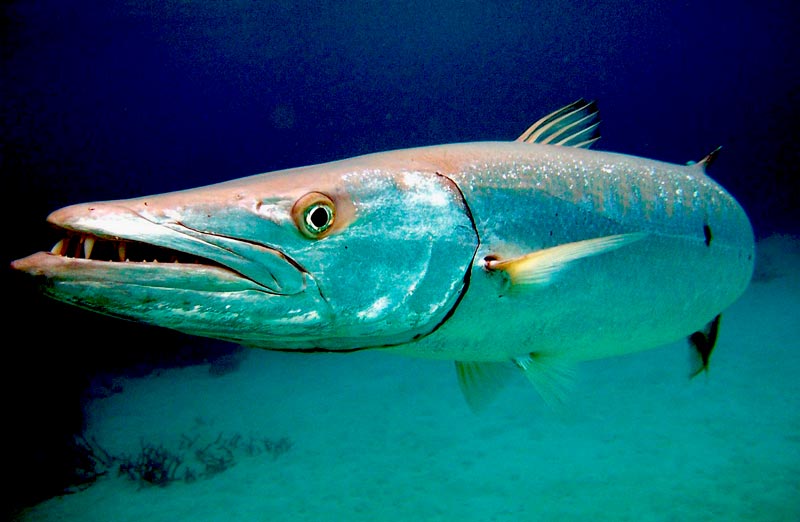
The barracuda, a formidable predator of the ocean, evokes images of sharp teeth and lightning-fast strikes. Its formidable reputation precedes it, but understanding its diet is crucial to appreciating its role within the marine ecosystem. Far from being a indiscriminate killer, the barracuda’s feeding habits are intricately linked to the health and balance of the aquatic environments it inhabits. This article will explore the barracuda’s dietary preferences, the factors influencing what it eats, and the broader implications of its predatory nature for other marine life.

The Barracuda’s Prey: A Spectrum of Marine Life
Barracudas are opportunistic carnivores, meaning their diet is varied and dependent on what is available in their habitat. While specific prey items can differ based on species, size, and location, a general understanding of their dietary staples reveals a diverse menu.
Primary Food Sources: Fish
The cornerstone of the barracuda’s diet is, overwhelmingly, fish. They are apex predators in many of the environments they occupy, and their speed, agility, and razor-sharp teeth are perfectly adapted for hunting piscine prey.
Smaller Pelagic Fish
Smaller, schooling fish often form a significant portion of a barracuda’s diet. These include species like sardines, anchovies, herring, and mackerel. Barracudas employ various hunting strategies to ambush these schools. They might use their speed to burst into a school, scattering the fish and picking off individuals that become disoriented. Alternatively, they can lie in wait, using their camouflage to blend into the surroundings before launching a surprise attack. The sheer numbers within these schools make them an efficient and readily available food source for barracudas, especially for younger or smaller individuals.
Reef Fish
In reef environments, barracudas will also target various reef-dwelling fish. This can include species like snapper, grunts, bream, and even smaller jacks. Their hunting grounds often extend from the open water surrounding reefs to the reef structures themselves. They are known to patrol the edges of reefs, waiting for unsuspecting fish to venture out or for those that are slower or injured to become vulnerable. The complexity of reef structures can provide both cover for the barracuda and escape routes for its prey, making these encounters dynamic battles of speed and strategy.
Other Fish Species
Beyond pelagic and reef fish, barracudas are not averse to consuming other fish species they encounter. This can include juvenile forms of larger predators, smaller groupers, and even other barracudas, particularly if the opportunity arises and cannibalism is on the menu. Their opportunistic nature means that if a wounded or slow-moving fish presents itself, regardless of its usual predatory status, it becomes a potential meal.
Secondary Food Sources: Beyond Fish
While fish are the primary sustenance, barracudas are not exclusively piscivorous. Their opportunistic feeding habits extend to other forms of marine life when the occasion calls for it.
Crustaceans
Certain species of barracuda, especially those found in shallower or more complex habitats, will supplement their diet with crustaceans. This can include shrimp, crabs, and even lobsters. While not as energy-dense as fish, these invertebrates provide essential nutrients and can be easier to catch in certain situations, particularly for smaller barracudas or when fish populations are temporarily scarce. They might hunt for these smaller prey items in crevices, among seaweed, or on the seafloor.
Cephalopods
Squid and octopuses can also fall prey to barracudas. These agile invertebrates often inhabit similar environments and can become targets, especially when barracudas are in pursuit of other prey and stumble upon them. The speed and surprise element of a barracuda’s attack can be effective against cephalopods, whose primary defenses involve camouflage and rapid escape.
Small Marine Reptiles and Mammals (Rare)
In exceptionally rare circumstances, and usually by larger barracuda species, very small marine reptiles like juvenile sea turtles or even very small marine mammals like young seals or dolphins might be attacked. These are not typical prey items and likely occur only when the barracuda is particularly large and desperate, or when the potential prey is very young, injured, or isolated. Such occurrences are anomalies rather than standard dietary components and highlight the extreme opportunistic nature of these predators.
Factors Influencing Barracuda Diet
The barracuda’s diet is not static; it is a dynamic reflection of various environmental and biological factors. Understanding these influences provides a deeper insight into the ecological pressures that shape their feeding behavior.

Species and Size of Barracuda
There are over 20 recognized species of barracuda, ranging in size from a few feet to over six feet in length. The species and its corresponding size are significant determinants of its diet. Smaller barracudas, like the Channel or Coastal barracuda, will primarily target smaller fish and invertebrates. Larger species, such as the Great Barracuda, have a broader dietary range and are capable of taking down larger fish. As a barracuda grows, its prey size often increases commensurately, reflecting its developing strength and predatory capabilities.
Habitat and Prey Availability
The environment in which a barracuda resides plays a pivotal role in shaping its diet.
Open Ocean vs. Reefs
Barracudas found in open ocean environments tend to focus on pelagic schooling fish. Their hunting grounds are vast, and they rely on speed and schooling behavior to locate and pursue their prey. Conversely, barracudas inhabiting coral reefs are more likely to diversify their diet, including reef fish, crustaceans, and cephalopods that are associated with these complex structures. The availability of hiding places and food sources dictates their hunting strategies.
Water Temperature and Seasonality
Water temperature can influence the distribution and abundance of prey species. Barracudas, as cold-blooded animals, are more active in warmer waters, which often correspond with higher prey availability. Seasonal shifts in prey populations, such as spawning migrations of certain fish species, can also create temporary abundance and influence barracuda feeding patterns. A barracuda’s diet may therefore shift seasonally to take advantage of these temporary food bonanzas.
Environmental Conditions and Competition
Beyond the inherent characteristics of the barracuda and its immediate habitat, external environmental conditions and the presence of competitors also play a role.
Water Clarity and Visibility
Water clarity can affect a barracuda’s ability to hunt. In murky waters, ambush predators like barracudas may struggle to locate prey visually, potentially relying more on detecting vibrations or scent. In clear waters, their speed and visual acuity become more pronounced advantages.
Competition from Other Predators
Barracudas do not hunt in a vacuum. They share their environment with other predators, such as sharks, groupers, and other large fish. The presence of these competitors can influence prey availability and force barracudas to adapt their hunting strategies or focus on prey that is less sought after by others. Competition can lead to niche partitioning, where different predators focus on slightly different food sources or hunting times to minimize direct conflict.
The Barracuda’s Ecological Significance
Understanding what barracudas eat is not merely an academic exercise in marine biology; it has profound implications for the health and stability of marine ecosystems. As apex predators, their dietary habits place them at a critical junction in the food web.
Role in Prey Population Control
By preying on a wide variety of fish, barracudas play a vital role in controlling the populations of their prey species. This predation helps to prevent any single species from becoming overly dominant, which could disrupt the balance of the ecosystem. For example, by keeping populations of smaller schooling fish in check, barracudas can indirectly benefit organisms that rely on those smaller fish for food.
Indicator Species for Ecosystem Health
The presence and abundance of barracudas, and the condition of their prey populations, can serve as indicators of the overall health of an ecosystem. A healthy barracuda population often suggests a robust and diverse prey base, indicating a balanced and functioning marine environment. Conversely, a decline in barracuda numbers or a shift towards less desirable prey might signal overfishing, habitat degradation, or other environmental stressors that are impacting the entire food web.
Impact on Food Web Dynamics
Barracudas exert top-down control on marine food webs. Their predatory pressure influences the behavior, distribution, and population dynamics of the species they consume. This, in turn, affects the organisms that feed on those prey species, cascading through the ecosystem. The removal or significant decline of barracudas could lead to an increase in their prey populations, potentially altering the structure and function of the entire marine community. For instance, an unchecked increase in smaller fish could lead to a decrease in the plankton they consume, ultimately impacting the entire pelagic environment.
In conclusion, the barracuda’s diet is a complex and fascinating aspect of its biology, reflecting its opportunistic nature and its crucial role in maintaining the delicate balance of marine ecosystems. From the small schooling fish that form the bulk of their meals to the occasional crustacean or cephalopod, the barracuda’s feeding habits are a testament to its adaptability and its position as a vital predator in the ocean’s intricate web of life. Their presence, and the choices they make at their feeding time, are significant indicators of the health and vitality of the underwater world they call home.
aViewFromTheCave is a participant in the Amazon Services LLC Associates Program, an affiliate advertising program designed to provide a means for sites to earn advertising fees by advertising and linking to Amazon.com. Amazon, the Amazon logo, AmazonSupply, and the AmazonSupply logo are trademarks of Amazon.com, Inc. or its affiliates. As an Amazon Associate we earn affiliate commissions from qualifying purchases.