
In today’s hyper-connected world, the concept of a “background check” has expanded far beyond traditional employment screenings. With the rise of digital footprints, online presences, and the pervasive nature of data collection, understanding what a background check can show has become crucial. This article, drawing from the core themes of technology, brand perception, and financial implications, will delve into the multifaceted nature of modern background checks, exploring how they are conducted, what information they can reveal, and why this information is so important in various aspects of our lives.
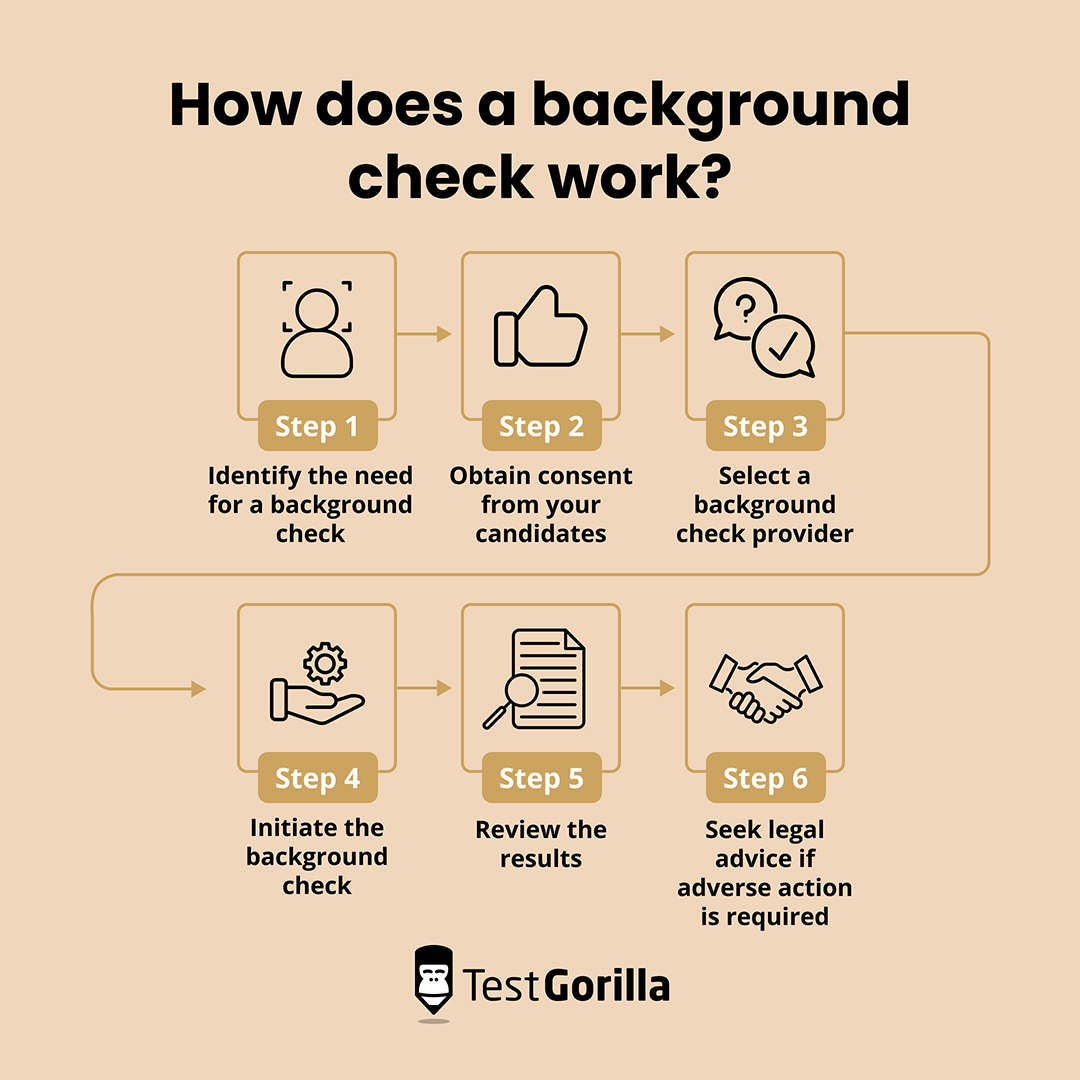
The Evolving Landscape of Background Checks: From Paper Trails to Digital Shadows
Historically, background checks were primarily associated with job applications. Employers would verify employment history, check criminal records, and sometimes conduct credit checks to assess an applicant’s suitability. However, the digital revolution has fundamentally reshaped this process. The internet, social media, and the proliferation of data brokers mean that a person’s background is no longer confined to official records. It exists as a complex, interconnected web of digital information, accessible through various means.
Technology’s Role in Modern Background Checks
The technological advancements of the past few decades have democratized and, in some ways, intensified background checks. Gone are the days of manual record searches and phone calls. Today, sophisticated algorithms, vast databases, and artificial intelligence (AI) play a significant role in gathering and analyzing information.
Data Aggregation and AI-Powered Analysis:
Numerous companies specialize in aggregating publicly available data from a multitude of sources. These include:
- Public Records: Court records (civil and criminal), property records, voter registration, business filings, and professional licenses are all digitized and accessible.
- Social Media Platforms: While privacy settings are a factor, posts, comments, likes, shares, and even connections on platforms like Facebook, LinkedIn, Twitter (now X), Instagram, and TikTok can be scraped and analyzed. This is particularly relevant for understanding personal branding and online reputation.
- Online News and Publications: Mentions in news articles, blogs, forums, and other online publications can contribute to a person’s digital narrative.
- Professional Networking Sites: Platforms like LinkedIn offer a curated professional background, but they can also reveal connections, endorsements, and recommendations that paint a broader picture.
- Data Brokers: These companies collect and sell vast amounts of personal data from various sources, including consumer purchases, online activity, and public records. This data can be pieced together to create detailed profiles.
AI plays a critical role in sifting through this enormous volume of data. Natural Language Processing (NLP) can analyze the sentiment of text, identify keywords, and even detect patterns in communication. Machine learning algorithms can then use this analyzed data to identify potential risks, assess suitability, or build comprehensive profiles. For instance, in brand management and marketing, understanding public perception through social media sentiment analysis is a common application of these technologies.
The Increasing Sophistication of Digital Forensics:
While not always part of a standard background check, the principles of digital forensics are increasingly being integrated. This involves the recovery and investigation of material found in digital devices and digital storage media. While this is more common in legal proceedings, the underlying ability to extract and analyze digital information highlights the depth of what can be uncovered.
What Information Can a Background Check Reveal?
The specific information revealed by a background check depends heavily on its purpose and the methods employed. However, a comprehensive check can potentially uncover a wide range of details, impacting not just your professional life but also your personal brand and financial standing.
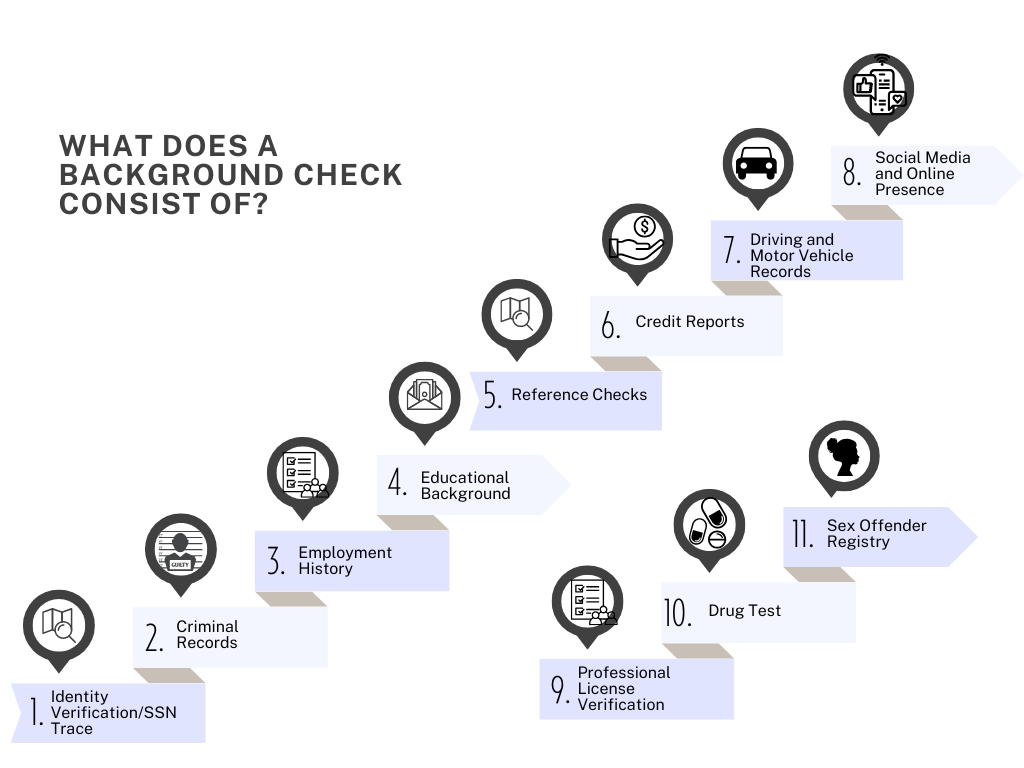
1. Criminal History:
This is arguably the most common and critical component of many background checks.
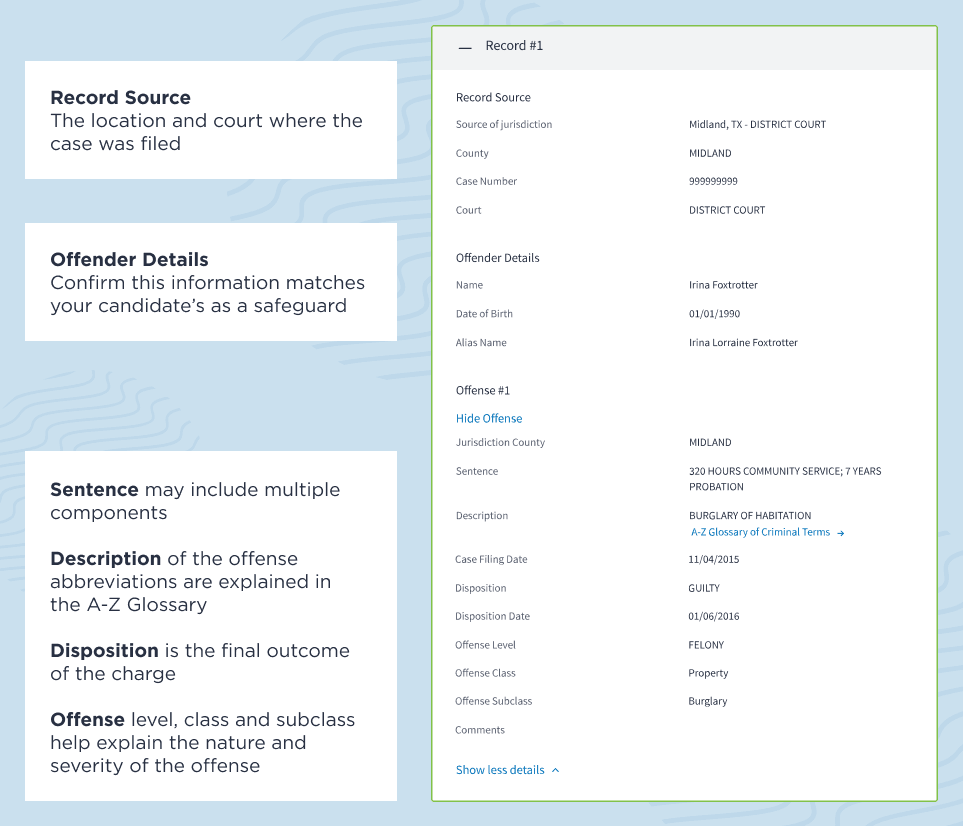
- Criminal Records: This includes convictions for felonies and misdemeanors, arrests (though often only convictions are reported after a certain period), and outstanding warrants. The types of offenses and their recency are crucial factors. For example, a conviction for fraud might be a significant red flag for a financial role, while a minor traffic violation from years ago might be less relevant.
- Sex Offender Registries: Access to these registries is standard for many types of roles, particularly those involving children or vulnerable populations.
2. Employment and Education Verification:
This aspect focuses on the accuracy of the information you’ve provided on your resume and application.
- Employment History: Previous employers are contacted to verify dates of employment, job titles, and sometimes reasons for leaving. Discrepancies can raise concerns about honesty and reliability.
- Educational Attainment: Degrees, certifications, and specific courses are verified with the educational institutions. This ensures that your claimed qualifications are legitimate.
3. Credit History and Financial Standing:
For roles involving financial responsibility, a credit check is often included.
- Credit Reports: These provide a snapshot of your creditworthiness, including payment history, outstanding debts, credit utilization, and any history of bankruptcy, foreclosures, or defaults. This is particularly relevant in the “Money” aspect of our website’s focus, impacting loan applications, insurance premiums, and even some employment opportunities.
- Financial Records: In more specialized cases, or during legal disputes, deeper financial inquiries might be made, though this is less common for standard background checks due to privacy regulations.
4. Driving Records:
If a job requires operating a vehicle, a driving record check is essential.
- Motor Vehicle Records (MVRs): This report details traffic violations, accidents, license suspensions, and revocations. A history of reckless driving or numerous citations can be a concern for employers in transportation-related roles.
5. Identity Verification and Public Records:
This is where the digital footprint becomes highly relevant.
- Social Security Number (SSN) Trace: This confirms the validity of your SSN and can help uncover aliases or previous addresses, providing a basis for further searches.
- Address History: A list of previous residential addresses helps to ensure thorough searches of public records.
- Civil Litigation Records: This includes civil lawsuits in which you may have been involved, such as personal injury claims, contract disputes, or landlord-tenant issues.
- Professional Licenses and Certifications: Verification of active and disciplinary actions related to professional licenses (e.g., medical, legal, financial) is crucial for regulated professions.
6. Online Presence and Reputation Management:
This is where technology and brand intersect most directly.
- Social Media Scrutiny: As mentioned, posts, comments, and online behavior can be reviewed. This can range from looking for discriminatory language, illegal activities, or content that contradicts the company’s values to assessing personal branding and communication skills. This is increasingly important for roles that involve public interaction or brand representation.
- Online Mentions: Any public mention of your name online can be surfaced. This could include positive reviews, negative comments, or even simple forum discussions.
Why Does It Matter? The Implications for Your Brand, Your Money, and Your Future
Understanding what a background check can reveal is not just an academic exercise; it has tangible consequences across personal branding, financial well-being, and career progression.
1. Shaping Your Personal and Professional Brand:
Your online presence is an extension of your brand. In an era where first impressions are often formed digitally, the information that surfaces in a background check can significantly impact how you are perceived.
- Reputation Management: Consistent, positive online activity and a clean record build a strong professional brand. Conversely, indiscretions, controversial posts, or even poorly managed online profiles can damage your reputation and create barriers to opportunities. The “Brand” aspect of our website’s focus highlights how crucial it is to actively manage this digital identity.
- Trust and Credibility: For employers, a clean background check signals trustworthiness and reliability. It reduces perceived risk. For potential clients or partners, it builds confidence in your integrity.
2. Impact on Financial Opportunities and Stability:
Your financial history, as revealed by credit checks, directly influences your access to various financial products and services.
- Access to Loans and Credit: A poor credit history can lead to higher interest rates or outright denial for mortgages, car loans, and credit cards.
- Insurance Premiums: In some regions and for certain types of insurance, credit history can influence premiums.
- Employment in Financial Sectors: Roles that involve handling money or financial data often require a clean financial background, making credit checks a standard part of the hiring process. This directly ties into the “Money” theme, emphasizing the interconnectedness of your past actions and your financial future.
3. Career Progression and Opportunities:
For many, background checks are a gatekeeper to employment and advancement.
- Job Prospects: Most employers conduct some form of background check. A negative finding can lead to a withdrawn job offer or even termination.
- Promotions and Transfers: Internal background checks may be conducted for promotions or transfers to positions of greater responsibility.
- Licensing and Certifications: Many professional licenses and certifications require a clean record, especially in regulated industries.
Navigating the Digital Age: Best Practices for a Transparent Present
Given the scope of what a background check can uncover, proactive management of your digital footprint is no longer optional; it’s essential.
1. Maintaining Digital Hygiene:
- Review Your Social Media: Regularly audit your social media profiles. Remove any content that could be perceived negatively, be unprofessional, or could be misinterpreted. Consider setting your profiles to private where appropriate.
- Secure Your Accounts: Use strong, unique passwords and enable two-factor authentication for all online accounts.
- Be Mindful of What You Share: Think twice before posting anything that could be controversial, discriminatory, or reflect poorly on your judgment.
2. Understanding Your Own Records:
- Obtain Your Credit Reports: You are entitled to a free credit report from each of the major credit bureaus annually. Review them for accuracy and dispute any errors. This proactive step can save you future headaches.
- Familiarize Yourself with Public Records: While not as common, you can perform basic searches of public records to understand what information is readily available.
3. Transparency and Honesty:
If you anticipate a potential issue surfacing (e.g., a past minor offense), it’s often better to address it proactively and honestly rather than letting it be discovered. If asked directly, be truthful.
In conclusion, what a background check shows has evolved dramatically. It’s no longer just about a paper trail; it’s a comprehensive digital dossier. By understanding the technologies involved, the types of information that can be revealed, and the significant implications for your brand, finances, and future, you can take proactive steps to manage your digital footprint and ensure that your past serves as a foundation for a successful future, rather than a stumbling block.
aViewFromTheCave is a participant in the Amazon Services LLC Associates Program, an affiliate advertising program designed to provide a means for sites to earn advertising fees by advertising and linking to Amazon.com. Amazon, the Amazon logo, AmazonSupply, and the AmazonSupply logo are trademarks of Amazon.com, Inc. or its affiliates. As an Amazon Associate we earn affiliate commissions from qualifying purchases.