
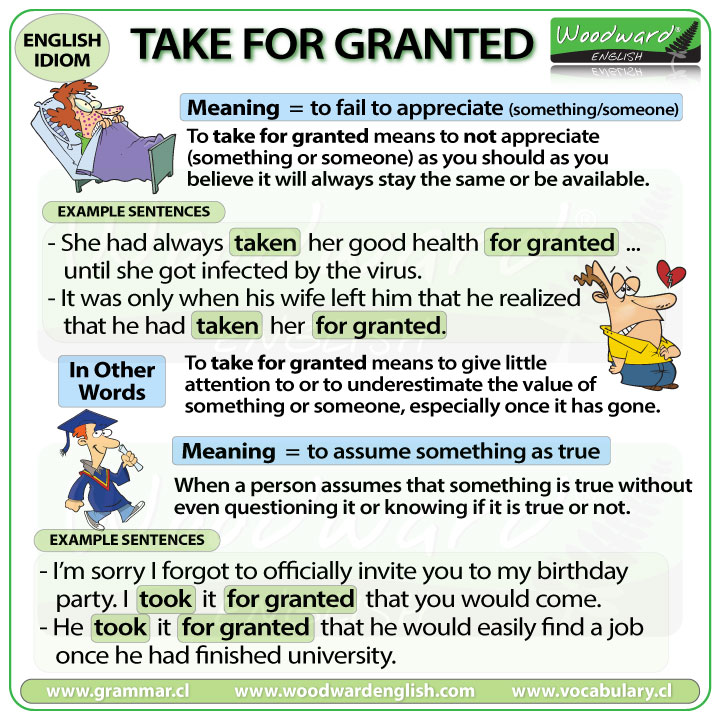
In the world of technology, the highest form of success is often silence. When a software application, a hardware component, or a digital ecosystem works so seamlessly that the user forgets it exists, it has achieved a state of being “taken for granted.” While in interpersonal relationships this phrase often carries a negative connotation of neglect, in the tech industry, it represents the pinnacle of user experience (UX) and engineering excellence.
To be taken for granted in a technological context means that a tool has transitioned from a “novelty” to a “utility.” It has become as essential and as invisible as electricity or running water. This article explores the evolution of this concept, the engineering required to achieve it, and the risks inherent in managing technologies that have become invisible to the public eye.

Defining the “Taken for Granted” Paradox in Modern Software
In the early days of computing, technology was loud, bulky, and temperamental. Users were acutely aware of the machine because they had to actively manage its limitations. Today, the goal of software development is the opposite: to minimize cognitive load until the interface disappears entirely.
From Innovation to Utility: The Lifecycle of Tech
Every transformative technology follows a predictable path. It begins as an experimental curiosity, moves into a luxury phase for early adopters, and eventually settles into a ubiquitous utility. Consider Global Positioning System (GPS) technology. Two decades ago, a dedicated GPS unit was a marvel of satellite engineering that users handled with care. Today, we “take for granted” that our smartphones can pinpoint our location within meters to help us find a coffee shop. We no longer marvel at the satellites; we only notice the technology when the signal drops in a tunnel. This shift from “magic” to “expectation” is the definition of being taken for granted in tech.
The Silent Success of Zero-Friction UX
For product designers and software engineers, being taken for granted is the ultimate KPI (Key Performance Indicator). A user interface is considered successful when the user achieves their goal without ever thinking about the buttons they are clicking or the code running in the background. This is often referred to as “Zero-Friction” design. When a payment gateway processes a transaction in milliseconds, or a cloud document autosaves without a prompt, the user takes that reliability for granted. The moment the user has to think about the tool, the friction has returned, and the “taken for granted” status is lost.
Infrastructure: The Foundations We Only Notice When They Fail
The “invisible” nature of technology is most prevalent in our digital infrastructure. We live in an era where the backend of the internet is so robust that we assume infinite availability. However, this expectation of 100% uptime creates a unique pressure on the engineers who maintain these systems.
Cloud Computing and the Illusion of Infinite Resources
Services like Amazon Web Services (AWS), Microsoft Azure, and Google Cloud have fundamentally changed how we perceive digital storage and processing power. Startups and global corporations alike take for granted that they can scale their server capacity with the click of a button. This “elasticity” is taken for granted because the physical reality of data centers—thousands of humming servers, cooling systems, and massive energy consumption—is hidden behind a clean web dashboard. We assume the “Cloud” is a nebulous, infinite resource, forgetting the massive physical engineering required to sustain that illusion.
Security Protocols: The Invisible Shield
Digital security is perhaps the most significant aspect of technology that is taken for granted. Every time we log into a banking app or send an encrypted message, complex cryptographic handshakes occur. Users take for granted that their data is secure, largely because the most effective security measures are those that do not interrupt the user journey. Multi-factor authentication (MFA) and biometric scans have become so integrated into our daily routines that we forget they are defending against millions of automated attacks every hour. In the niche of digital security, “taken for granted” means the system is working exactly as intended.
The Emotional Intelligence of AI and the New Normal
Artificial Intelligence has undergone the fastest transition from “science fiction” to “taken for granted” in technological history. What was considered groundbreaking three years ago is now a standard feature in our word processors and search engines.
Natural Language Processing and the Death of Wonder
When Large Language Models (LLMs) first entered the mainstream, there was a collective sense of awe. However, as these tools are integrated into IDEs (Integrated Development Environments) for programmers and email clients for office workers, that awe is quickly being replaced by utility. We now take for granted that an AI can summarize a 50-page PDF or debug a snippet of Python code in seconds. This rapid normalization shows that “taken for granted” is a moving target; as soon as a tech tool becomes reliable, our expectations reset to a higher baseline.
Why Reliability is the Ultimate Tech Metric
In the tech niche, reliability is the bridge to becoming a “taken for granted” tool. A tool that works 90% of the time is a frustration; a tool that works 99.999% of the time (the industry “five nines” standard) becomes an invisible part of the user’s workflow. AI tools are currently fighting this battle. Until generative AI can guarantee factual accuracy and consistency, it cannot be fully “taken for granted” in mission-critical environments. We are currently in the transition phase where we are learning what aspects of AI we can trust implicitly and which require manual oversight.
The Risks of Complacency in Product Development
While being taken for granted is a sign of a successful product, it poses a strategic risk for tech companies. If a tool is so invisible that users forget why they pay for it, or if developers stop innovating because the product is “finished,” the technology becomes vulnerable to disruption.
Feature Creep vs. Core Reliability
One of the greatest challenges in software maintenance is “feature creep”—the tendency to add unnecessary features to a product that is already perfectly functional. Often, developers feel the need to change the UI or add new tools simply to remind the user that the product is still being “improved.” However, this often disrupts the “taken for granted” status that users actually value. Understanding that “taken for granted” means “it works perfectly as it is” is a difficult but vital lesson for product managers.
Re-engaging the User: Breaking the Cycle of Invisibility
Occasionally, a brand must break the cycle of invisibility to demonstrate its value. This is common in digital security and antivirus software. If an antivirus program does its job perfectly, the user never sees a virus and might eventually think, “Why am I paying for this? I never have any viruses.” To counter this, these tools provide monthly reports or notifications of “blocked threats.” This is a strategic move to remind the user of the value of a service that they have—rightly—taken for granted.

Conclusion: The Ultimate Goal of Innovation
In the context of technology, “taken for granted” is not a sign of disrespect, but a testament to the seamless integration of complex systems into the human experience. It is the result of thousands of hours of coding, testing, and refining. Whether it is the instant connectivity of 5G, the predictive text on our keyboards, or the underlying security of the blockchain, we live in a world built on invisible triumphs.
As technology continues to evolve, the “taken for granted” threshold will continue to shift. Today’s miracles—self-driving algorithms, real-time language translation, and quantum computing—will eventually become the invisible utilities of tomorrow. For the tech professional, the goal remains the same: to build something so reliable, so intuitive, and so essential that the world eventually forgets it was ever “new.” In the end, technology reaches its highest potential when it stops being a “gadget” and starts being a part of life itself.
aViewFromTheCave is a participant in the Amazon Services LLC Associates Program, an affiliate advertising program designed to provide a means for sites to earn advertising fees by advertising and linking to Amazon.com. Amazon, the Amazon logo, AmazonSupply, and the AmazonSupply logo are trademarks of Amazon.com, Inc. or its affiliates. As an Amazon Associate we earn affiliate commissions from qualifying purchases.