
The term “subscript” might sound straightforward, but its application, particularly within the realm of technology, is nuanced and critically important for a vast array of digital functions. Far from being a mere stylistic flourish, a subscript is a fundamental character or symbol that appears slightly below the normal line of text. In the technological landscape, this seemingly minor detail plays a significant role in everything from scientific notation and programming languages to data representation and user interface design. Understanding the meaning and utility of subscripts is key to deciphering complex information, writing precise code, and appreciating the underlying structure of the digital world we interact with daily.
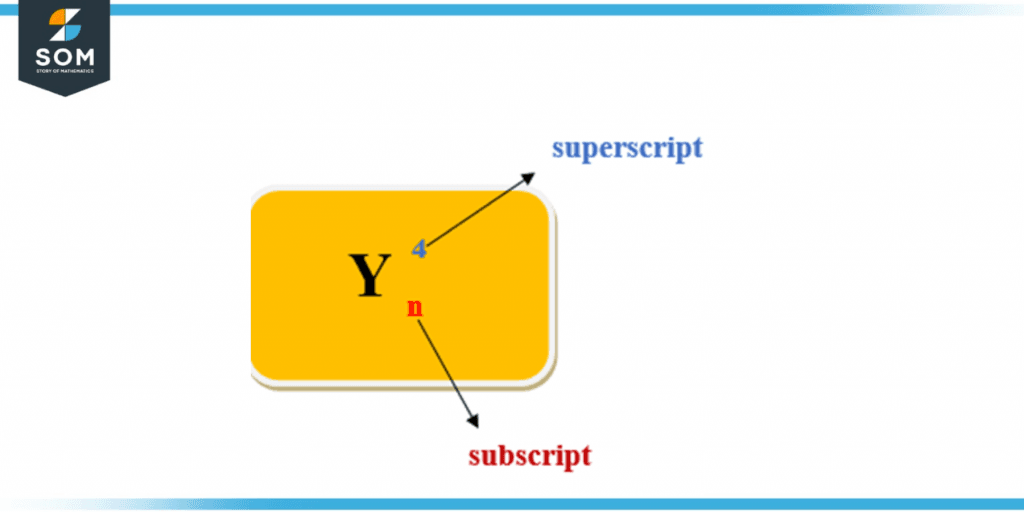
The core concept of a subscript lies in its visual distinction and its functional purpose. Visually, it’s differentiated by its position, making it immediately identifiable as a modifier or a specific identifier within a larger piece of data. Functionally, this positioning allows it to convey precise meaning without ambiguity. In technical contexts, this precision is paramount. Whether it’s denoting a chemical compound, indicating a variable’s index in a dataset, or representing a specific value in a formula, the subscript provides a compact and clear way to add crucial context. This article will delve into the multifaceted meanings and applications of subscripts within the technology sector, exploring their significance in various domains and the underlying principles that govern their use.
The Fundamental Role of Subscripts in Technical Notation
At its most basic, the meaning of a subscript in technology is to provide a secondary layer of information that modifies or clarifies a primary piece of data. This modification is often quantitative or identificatory, distinguishing one instance of a symbol or number from another, or representing a specific characteristic. Without subscripts, many technical notations would be cumbersome, ambiguous, or simply unrepresentable.
Chemical Formulas and Scientific Data
One of the most ubiquitous applications of subscripts is found in chemical formulas. For instance, in the formula for water, H₂O, the “2” is a subscript. It doesn’t mean “two hydrogen atoms” in the sense of separate words, but rather that there are two hydrogen atoms bonded to one oxygen atom. This simple subscript is the difference between correctly identifying a molecule and misrepresenting its composition entirely. The specificity provided by the subscript is non-negotiable for accurate scientific communication and computational modeling in fields like chemistry, physics, and biology.
Beyond chemical formulas, subscripts are vital for representing scientific data and measurements. Scientific notation, for example, often uses subscripts to denote orders of magnitude or specific units. While less common in direct user-facing scientific notation these days (often preferring superscript for exponents), the principle of using a modified character to convey precise meaning remains. Furthermore, in statistical analysis and data science, subscripts are frequently used to index data points or variables. For example, x₁ and x₂ might represent the first and second data points in a sample, or different measurements of the same variable under varying conditions. This indexing is crucial for organizing and referencing large datasets, enabling algorithms and analytical tools to process information accurately.
Programming and Data Structures
In the realm of software development and programming, subscripts are fundamental to accessing and manipulating data within arrays, lists, and other sequential data structures. When a programmer declares an array, such as myArray = [10, 20, 30], each element is assigned an index. In most programming languages, indexing starts at 0, so myArray[0] would refer to the value 10, myArray[1] to 20, and myArray[2] to 30. These indices, represented by numbers below the primary identifier (myArray), are effectively subscripts. They provide the exact address of a particular piece of data within a larger collection, enabling direct access and modification.
The importance of subscripts in programming extends to defining data types and representing complex structures. For instance, in some languages or when defining custom data structures, subscripts might be used to denote specific elements of a record or the position of a particular attribute. Consider a scenario where you have a data structure representing a user profile, and you need to access the “email address” attribute. If the structure is an array of key-value pairs, the index representing the email attribute would act as a subscript to retrieve that specific data. Without this ability to precisely reference individual components within a data structure, the efficient storage, retrieval, and processing of information in software applications would be impossible.
Mathematical Expressions and Logic
Mathematics forms the bedrock of many technological advancements, and subscripts play a critical role in its formal language. In algebra, subscripts are used to differentiate variables that share a common base but represent distinct quantities. For example, in a problem involving multiple forces, you might have F₁, F₂, and F₃, where each subscript denotes a different force. This allows for clear distinction and independent manipulation of these variables within equations. Similarly, in calculus, subscripts are used to denote specific points on a curve or specific terms in a sequence, such as x₀, x₁, x₂, etc.
Beyond basic algebra, subscripts are instrumental in more advanced mathematical concepts. In linear algebra, subscripts are used extensively to denote the elements of matrices and vectors. For instance, Aᵢⱼ refers to the element in the i-th row and j-th column of matrix A. This precise notation is essential for defining operations like matrix multiplication and inversion, which are fundamental to many computational algorithms, including those used in machine learning and graphics processing. In probability and statistics, subscripts are used to denote random variables, events, and their associated probabilities, such as P(Aᵢ) representing the probability of event Aᵢ occurring. This level of detail ensures the rigor and clarity required for mathematical proofs and the development of reliable algorithms.
The Technical Implementation and Display of Subscripts
While the conceptual meaning of a subscript is clear, its actual implementation and display within technological systems involve specific character encoding and rendering processes. The ability to render subscripts accurately is crucial for maintaining data integrity and ensuring clear communication across different platforms and devices.
Character Encoding Standards
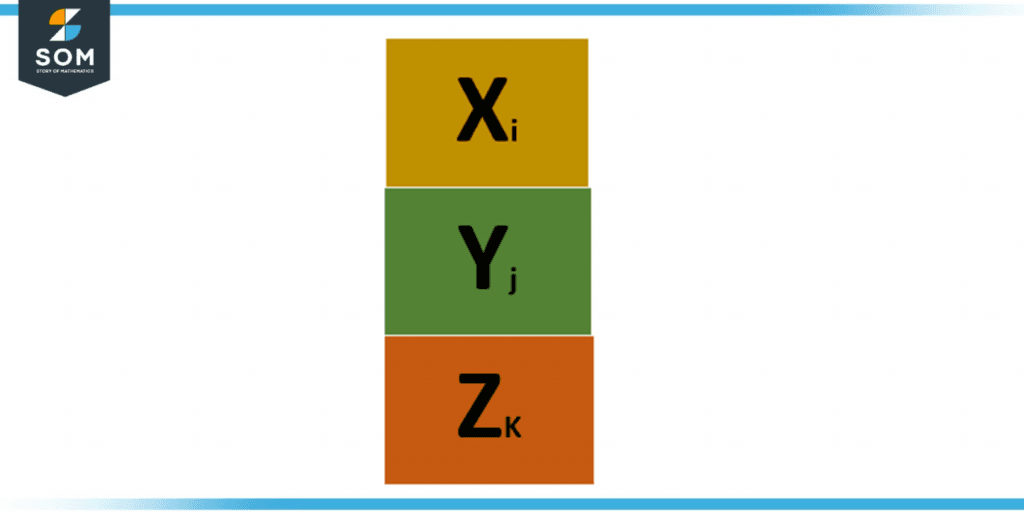
The representation of characters, including subscripts, is governed by character encoding standards. Early encoding schemes, like ASCII, had limited character sets and did not include subscript characters. This meant that subscripts had to be simulated, often by manually typing characters slightly lower than the baseline, which was prone to errors and inconsistent rendering.
Modern encoding standards, most notably Unicode, provide a comprehensive solution for representing a vast range of characters, including subscript digits and letters. Unicode assigns unique code points to each character, allowing for unambiguous identification and rendering. For example, the subscript “1” has a specific Unicode code point (U+2081), distinct from the normal “1” (U+0031). This standardization ensures that a subscript character entered on one system will be correctly interpreted and displayed on another, regardless of the operating system or application. This universality is vital for the global exchange of technical information and the seamless operation of software applications.
Markup Languages and Rich Text Formatting
In the context of web development and document creation, markup languages like HTML and rich text formatting tools play a key role in enabling the use of subscripts. HTML uses the <sub> tag to denote subscript text. For instance, the chemical formula for carbon dioxide, CO₂, would be written in HTML as CO<sub>2</sub>. When a web browser renders this HTML, it interprets the <sub> tag and displays the “2” slightly below the baseline, just as intended. This markup allows for the semantic meaning of subscript to be conveyed to the browser, ensuring correct visual representation.
Similarly, word processors and other document editing software provide features for subscript formatting. Users can typically select text and then apply a “subscript” formatting option, which internally translates to applying the appropriate character encoding and styling rules. The underlying mechanism still relies on character encoding, but the user interface abstracts away the complexity, making it accessible to a wider audience. The ability to easily embed subscripts in documents and web pages is crucial for academic publishing, scientific reporting, and any field that requires precise technical notation.
Subscripts in Advanced Technological Applications
The significance of subscripts extends beyond basic notation into more complex and specialized technological domains, impacting the functionality and accuracy of sophisticated systems.
Database Indexing and Data Management
In database systems, subscripts, or more broadly, index values, are critical for efficient data retrieval. While not always rendered visually as subscripts to the end-user, the underlying concept of indexing is directly analogous. Databases use various indexing techniques to speed up query operations. When you search for a specific record, the database system uses an index to quickly locate the relevant data without having to scan the entire table. These indices often function as numerical identifiers, conceptually similar to subscripts that point to specific elements within a larger dataset.
Furthermore, in relational databases, the concept of primary keys and foreign keys can be seen as a form of structured identification, where specific relationships are established through shared or unique identifiers. When referring to specific instances of data within a complex database schema, the underlying mechanisms often rely on unique identifiers that serve a purpose akin to subscripts – precisely identifying and distinguishing individual data points or relationships. The ability to efficiently access and manage vast amounts of data relies heavily on these underlying indexing and identification principles.
Machine Learning and Data Analysis Frameworks
Machine learning algorithms often process data represented as multi-dimensional arrays or tensors. Subscripts are heavily utilized in the mathematical formulations that underpin these algorithms, and consequently, in the software frameworks that implement them. For instance, a tensor might be represented as Tᵢⱼₖ, where each subscript denotes a dimension. Operations like matrix multiplication, convolution, and tensor contractions—all fundamental to deep learning—rely on precise indexing and manipulation of these multi-dimensional arrays, often expressed using subscript notation in their theoretical descriptions.
When working with libraries like NumPy or TensorFlow in Python, programmers frequently interact with array indices, which are the programmatic representation of subscripts. Accessing a specific element in a 3D tensor my_tensor might involve code like my_tensor[i, j, k], where i, j, and k are the indices (conceptually subscripts) pointing to a particular value within the tensor. The efficiency of these libraries in handling large-scale numerical computations is directly tied to their ability to manage and access data using these indexed structures. Therefore, understanding the role of subscripts is fundamental to grasping how these powerful AI tools operate.
User Interface Design and Accessibility
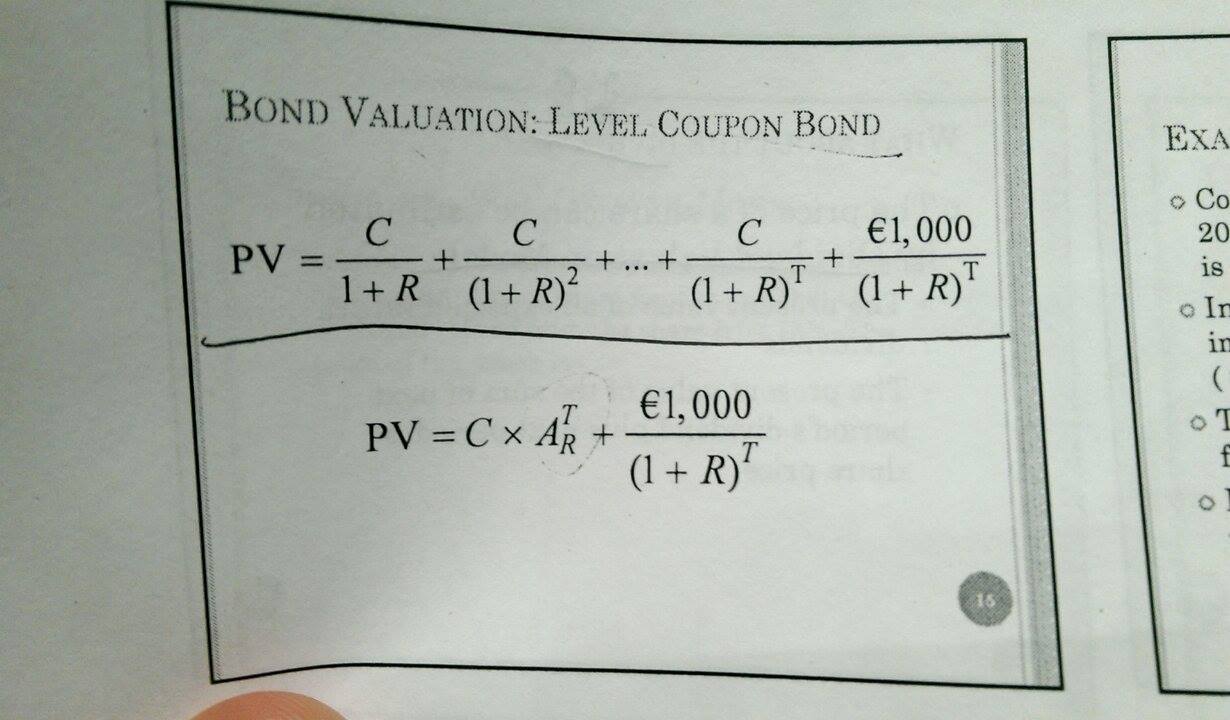
While not always directly visible as characters, the principle of subscripting also influences user interface design and accessibility considerations. In some specialized applications, particularly those dealing with scientific or mathematical content, the accurate rendering of subscripts is an accessibility requirement. Users with visual impairments or those who rely on screen readers need to be able to comprehend technical information correctly. Ensuring that subscript characters are properly encoded and interpreted by assistive technologies is crucial for inclusive design.
Moreover, in contexts where data needs to be presented compactly, developers might leverage visual cues that mimic the role of subscripts. For instance, in compact data visualizations or complex dashboards, abbreviations or short codes might be displayed, with a clear legend or tooltip explaining their meaning. While not strictly a character rendering, the underlying principle of using a secondary, often abbreviated, identifier to clarify a primary piece of information mirrors the functional purpose of subscripts. The goal is always to convey precise meaning in a clear and unambiguous manner, and subscripts are a powerful tool in achieving this.
In conclusion, the term “subscript” in the technology sector transcends its simple visual definition. It represents a fundamental mechanism for precision, clarity, and efficient data manipulation across a wide spectrum of applications. From the foundational notations of chemistry and mathematics to the complex algorithms powering artificial intelligence, subscripts are indispensable. Their accurate implementation through character encoding and markup languages ensures that technical information is conveyed reliably. As technology continues to evolve, the principles embodied by subscripts will undoubtedly remain a cornerstone of how we represent, process, and understand the digital world.
aViewFromTheCave is a participant in the Amazon Services LLC Associates Program, an affiliate advertising program designed to provide a means for sites to earn advertising fees by advertising and linking to Amazon.com. Amazon, the Amazon logo, AmazonSupply, and the AmazonSupply logo are trademarks of Amazon.com, Inc. or its affiliates. As an Amazon Associate we earn affiliate commissions from qualifying purchases.