
In the lexicon of personality traits, to be “sheepish” implies a certain level of embarrassment, a lack of confidence, or a tendency to follow the herd without question. In the world of brand strategy, a sheepish brand is one that exists in the shadows of its competitors, whispering when it should be shouting, and mimicking industry leaders rather than carving its own path. While “playing it safe” might seem like a prudent survival tactic in a volatile market, the reality is that sheepishness is a silent killer of corporate growth.
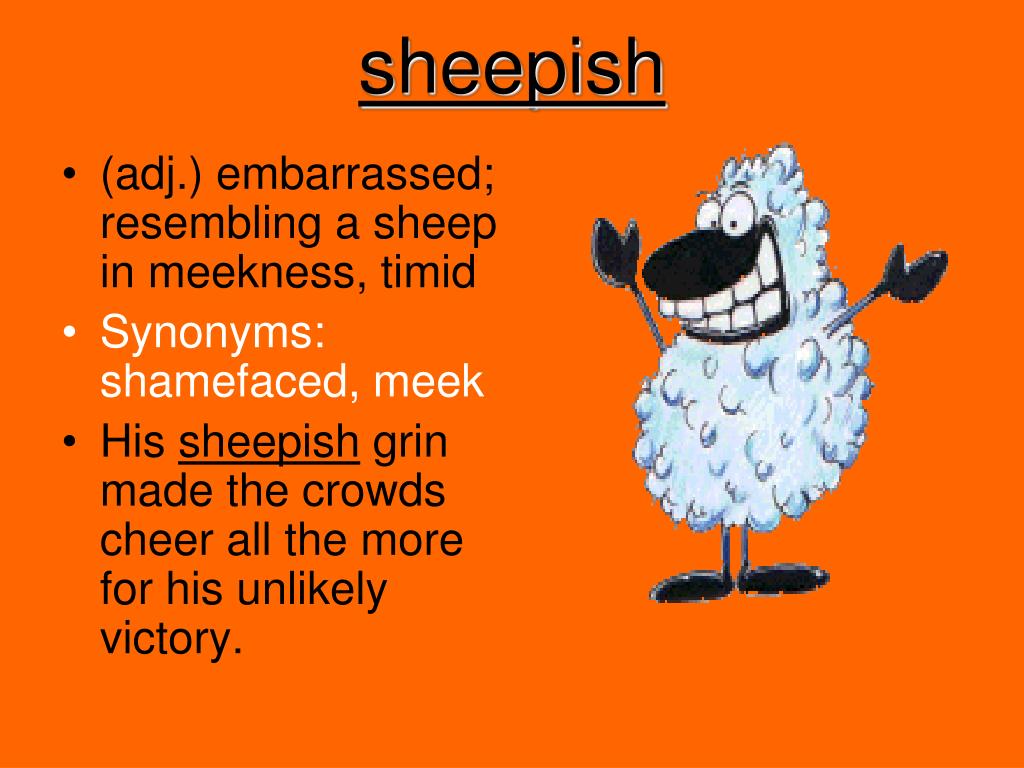
In today’s hyper-saturated marketplace, where consumers are bombarded with thousands of marketing messages daily, being sheepish isn’t just a personality flaw—it is a strategic failure. When a brand lacks the conviction to stand for something specific, it becomes invisible. This article explores the anatomy of a sheepish brand, the dangers of corporate mimicry, and the strategic pivots required to transform a timid identity into a market-leading powerhouse.
1. Defining the Sheepish Brand Identity: The Sea of Sameness
The first step in correcting a sheepish brand strategy is identifying it. A sheepish brand is characterized by a “follower” mentality. These companies do not innovate; they iterate on what others have already proven. They do not lead conversations; they join them late with generic contributions. This creates what brand strategists call the “Sea of Sameness.”
The Symptoms of Brand Timidity
A sheepish brand is often easy to spot if you know where to look. One of the primary symptoms is a reliance on industry clichés. Whether it is the same corporate blue color palette, the same stock photography of diverse teams shaking hands, or the same mission statements about “excellence” and “integrity,” these brands lack a unique visual or verbal thumbprint. When a brand is sheepish, its messaging is filtered through so many layers of corporate “safety” that any edge or personality is sanded down to a dull, uninspired nub.
The Psychology of Playing It Safe
Why do brands become sheepish? Usually, it is a byproduct of a culture of fear. Large organizations often prioritize risk mitigation over creative expression. When the primary goal of a marketing department is to “not offend anyone” or to “ensure we look as professional as our biggest competitor,” the result is a brand that has no soul. This psychological safety net provides a false sense of security; while the brand might not be mocked, it is also never remembered.
The Erosion of Value Proposition
When a brand is sheepish, its unique value proposition (UVP) begins to erode. If a company looks, acts, and talks exactly like its competitors, consumers have no choice but to make purchasing decisions based on one factor: price. By failing to project a confident, distinct identity, a sheepish brand commoditizes itself, entering a race to the bottom where profit margins are sacrificed for the sake of fitting in.
2. The Hazards of Corporate Mimicry and Herd Mentality
In branding, there is a fine line between “best practices” and “herd mentality.” Sheepish brands often confuse the two. They look at the market leader and assume that copying their aesthetic or tone of voice will yield the same results. However, this strategy ignores the fundamental law of branding: differentiation is the only path to premium positioning.
The “Me-Too” Marketing Trap
The “Me-Too” trap occurs when a brand waits for a competitor to launch a successful campaign or product feature before rushing to do the same. This reactive stance signals to the market that the brand is a follower. Instead of being seen as an innovator, the sheepish brand is viewed as a budget alternative or a latecomer. In the digital age, where brand loyalty is increasingly driven by authenticity and “first-to-market” prestige, being a “me-too” brand is a recipe for irrelevance.
Loss of Emotional Connection
Branding is, at its core, an emotional exercise. We buy from brands that make us feel something—whether it is empowered, safe, excited, or sophisticated. Sheepish brands fail to evoke any emotion because they are too afraid to take a stand. By trying to appeal to everyone, they end up appealing to no one. A brand that is “fine” or “okay” will always lose to a brand that is “polarizing.” In modern brand strategy, having 10% of the market love you and 10% hate you is often more profitable than having 100% of the market feel indifferent toward you.
Vulnerability to Disruptors
Sheepish brands are the most vulnerable to market disruptors. Because they are anchored to the status quo, they are slow to react when a bold, agile startup enters the space with a disruptive identity. Disruptive brands thrive on the sheepishness of incumbents. They take the risks that the “sheep” are too afraid to take, capturing the imagination of the public and shifting the market landscape before the timid brands even realize the ground has moved beneath them.
3. Breaking the Cycle: Strategies for Brand Audacity
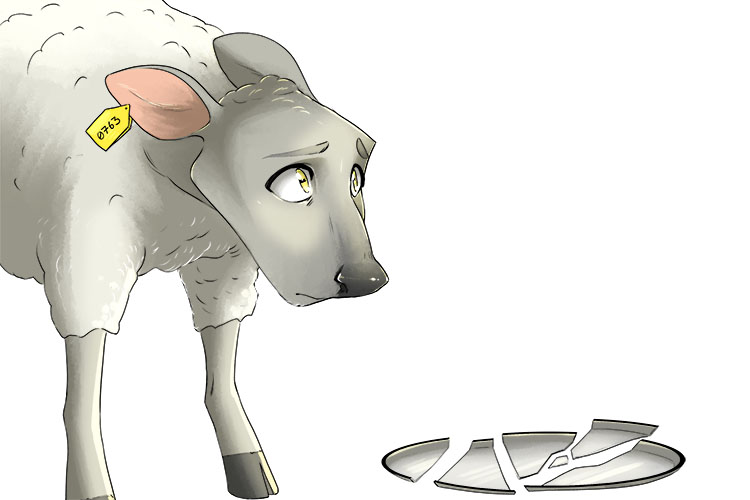
Moving from a sheepish identity to a bold one requires more than just a new logo or a catchy slogan. It requires a fundamental shift in how the organization views its place in the world. It requires “brand audacity”—the willingness to be distinct, even at the risk of being misunderstood by some.
Finding Your “Edge”
Every brand has an edge—a unique perspective, a specific history, or a radical way of solving a problem. To overcome sheepishness, a company must perform a deep-dive brand audit to uncover this edge. This involves asking difficult questions: What do we believe that our competitors don’t? What would our customers miss if we vanished tomorrow? If we were a person, what would be our most controversial opinion? Identifying these points of friction is the first step toward building a brand that stands out.
Developing a Sovereign Voice
A bold brand has a sovereign voice—one that doesn’t wait for permission to speak. This voice should be consistent across all touchpoints, from high-level whitepapers to social media interactions. If the industry is formal and stiff, a bold brand might choose to be irreverent and accessible. If the market is loud and chaotic, a bold brand might find strength in minimalism and silence. The goal is to create a “pattern interrupt” that forces the consumer to stop and pay attention.
The Power of Visual Provocation
In a sheepish brand strategy, design is used to blend in. In an audacious brand strategy, design is used to provoke. This doesn’t mean being “ugly” or “shocking” for the sake of it; rather, it means using visual language—typography, color theory, and layout—to signal a different way of thinking. A bold brand uses its visual identity to tell the story of its confidence. It isn’t afraid of white space, it isn’t afraid of clashing colors, and it isn’t afraid to break the “rules” of its industry’s design standards.
4. Case Studies: The High Price of Hiding vs. The Rewards of Boldness
To understand the impact of sheepishness, one must look at the brands that have successfully transitioned from followers to leaders by embracing a more assertive identity.
The Transformation of Legacy Brands
Consider the evolution of legacy automotive or tech brands. Those that remained sheepish—clinging to the “reliable but boring” identity—have often struggled to maintain market share against aggressive new entrants. Conversely, brands that pivoted toward a bold, future-facing identity (often through a total rebrand) have seen a resurgence in brand equity. By stopping the “me-too” messaging and leaning into a specific niche—be it extreme luxury, rugged sustainability, or radical transparency—they moved from being sheep to being shepherds of their industry.
The “Challenger Brand” Advantage
Challenger brands are the antithesis of sheepishness. They operate on the principle that they cannot outspend the market leader, so they must out-think them. By adopting a “David vs. Goliath” narrative, these brands use their perceived weaknesses as strengths. They are vocal about their values, they are transparent about their processes, and they are unafraid to call out the shortcomings of the industry status quo. This lack of sheepishness creates a tribe of loyal advocates who feel that the brand represents their own values.
The Digital Identity Shift
In the realm of personal branding and corporate social media, sheepishness is particularly damaging. Accounts that only post PR-approved, sanitized content see minimal engagement. However, brands that allow for a “human” element—including humor, admissions of mistakes, and strong opinions—see their metrics soar. The digital landscape rewards the bold and ignores the sheepish.
5. Building a Fearless Brand Strategy for the Future
As we look toward the future of marketing and corporate identity, the “sheepish” approach will only become more dangerous. With the rise of AI-generated content and the democratization of design, the “average” brand will be able to produce “average” content at an infinite scale. In this environment, the only way to survive is to be extraordinary.
Auditing for Authenticity
Future-proofing your brand starts with an authenticity audit. Are you saying things because you believe them, or because you think that’s what a company in your position “should” say? Authenticity is the antidote to sheepishness. When a brand is rooted in its true purpose, it naturally becomes more confident and less concerned with following the herd.
Empowering the Brand Guardians
A brand is only as bold as the people who manage it. To move away from sheepishness, leadership must empower marketing and design teams to take calculated risks. This means creating a culture where “safe” is seen as a risk, and “different” is seen as a requirement. It means protecting the brand’s unique voice from being “committee-ed” to death.
Conclusion: Leading the Flock
In the end, what does “sheepish” mean in the context of business? It means being a bystander in your own industry. It means settling for the crumbs left behind by those who were brave enough to lead. To build a brand that lasts, you must shed the sheepishness that keeps you anchored to the middle of the pack. By embracing a distinct identity, a sovereign voice, and a provocative strategy, you move from being part of the herd to leading the flock. In the world of branding, the bold don’t just survive—they define the future.
aViewFromTheCave is a participant in the Amazon Services LLC Associates Program, an affiliate advertising program designed to provide a means for sites to earn advertising fees by advertising and linking to Amazon.com. Amazon, the Amazon logo, AmazonSupply, and the AmazonSupply logo are trademarks of Amazon.com, Inc. or its affiliates. As an Amazon Associate we earn affiliate commissions from qualifying purchases.