
In the world of corporate identity and global industry associations, few acronyms carry as much weight, prestige, and historical significance as SEMA. To the casual observer, it is often associated with the glitz and glamour of the world’s most extravagant car show in Las Vegas. However, from a brand strategy and corporate identity perspective, SEMA represents a masterclass in how an organization can evolve, protect its niche, and maintain market dominance for over half a century.
To answer the fundamental question—what does SEMA stand for?—one must look beyond the literal acronym to the strategic pillars that define its existence. Literally, SEMA stands for the Specialty Equipment Market Association. But as a brand, it stands for innovation, advocacy, and the multi-billion-dollar global ecosystem of the automotive aftermarket.

The Core Identity: Decoding the Specialty Equipment Market Association
The history of SEMA is a study in successful rebranding. When the organization was first founded in 1963, the acronym stood for something slightly different: the Speed Equipment Manufacturers Association. At that time, the brand was hyper-focused on the burgeoning “hot rod” culture of post-war America. It was a niche group of performance enthusiasts and small-scale manufacturers.
The Transition from Speed to Specialty
By 1970, the leadership recognized a fundamental shift in the marketplace. The term “speed” was becoming too narrow and, in some regulatory circles, carried negative connotations regarding safety. To future-proof the brand, the association pivoted. They kept the acronym but changed the “S” to “Specialty.”
This rebranding was a stroke of genius in corporate identity. By adopting “Specialty,” the brand immediately widened its umbrella to include not just racing parts, but also styling accessories, off-road equipment, comfort upgrades, and restoration components. It transformed SEMA from a racing club into a comprehensive industry authority. This strategic shift allowed the brand to remain relevant as the automotive market diversified into trucks, SUVs, and luxury imports.
Mission Statement and Core Values
Today, the SEMA brand identity is built on the mission of helping businesses within the automotive aftermarket succeed. Its core values center on the “freedom to customize.” In the world of brand strategy, SEMA has positioned itself as the guardian of personalization. They don’t just represent products; they represent the consumer’s right to modify their vehicle, creating a powerful emotional connection between the brand and the end-user.
SEMA as a Global Marketing Powerhouse
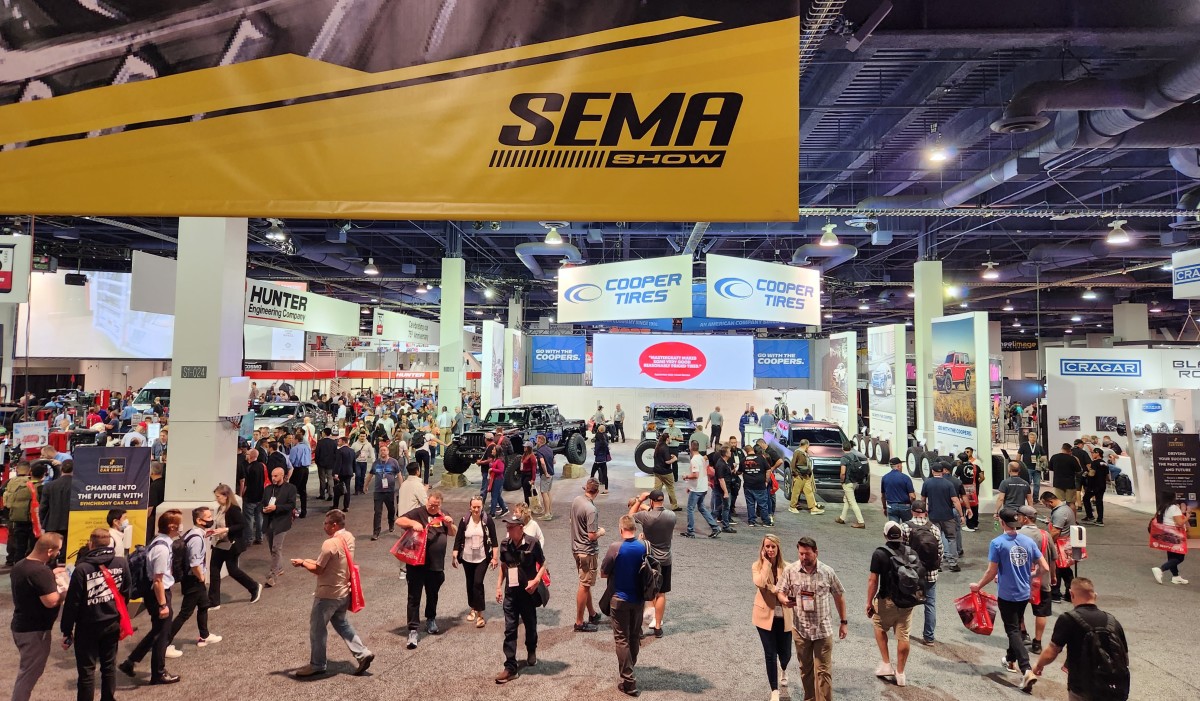
One cannot discuss SEMA without analyzing its most significant brand asset: The SEMA Show. Held annually at the Las Vegas Convention Center, this event is not a consumer car show; it is a trade-only event that serves as the ultimate expression of the brand’s B2B (business-to-business) strategy.
The SEMA Show: A Case Study in B2B Brand Experience
The SEMA Show is a physical manifestation of the brand’s reach. By strictly limiting attendance to industry professionals, SEMA maintains an aura of exclusivity and professional necessity. From a marketing perspective, the show creates a concentrated “center of gravity” for the industry.
The brand strategy here is to provide a platform where small manufacturers can stand on equal footing with global giants like Ford, Toyota, and Stellantis. This democratization of the marketplace strengthens the SEMA brand, as it positions the association as the indispensable bridge between the original equipment manufacturers (OEMs) and the independent aftermarket.
Establishing Authority Through Industry Standards
A key component of SEMA’s corporate identity is its role as a standard-bearer. Through initiatives like the SEMA Data Co-op and SEMA Garage, the brand has moved into the realm of technical infrastructure. By providing members with standardized product data and state-of-the-art testing facilities, SEMA has moved from being a mere “trade group” to an essential “tech partner.”
This transition is vital for brand longevity. When an association becomes part of the daily workflow and technical success of its members, it creates a “sticky” brand identity that is nearly impossible to displace.
Brand Evolution in the Face of Changing Markets
In the current era of rapid technological disruption, the SEMA brand faces its greatest challenge: the shift toward electrification and autonomous driving. How a legacy brand handles such a massive industry pivot is a fascinating case study in brand management.
Embracing the Digital and Electric Shift
Rather than resisting change, SEMA has integrated “SEMA Electrified” into its brand architecture. By dedicating massive floor space to EV conversions and digital software integrations, the brand is signaling to the market that “Specialty” now includes “Sustainable” and “Smart.”
This proactive brand evolution prevents the association from becoming a “dinosaur” brand associated only with internal combustion engines. SEMA’s strategy is to define the future of the car enthusiast culture, ensuring that as long as people want to make their vehicles “theirs,” SEMA will be the brand that facilitates that desire—regardless of what powers the vehicle.
Advocacy as a Brand Pillar
Perhaps the most “invisible” yet critical part of what SEMA stands for is its role in government affairs. SEMA is a political brand as much as a marketing one. Through its Washington D.C. office and the SEMA Political Action Committee (PAC), the brand fights for legislation like the RPM Act (Recognizing the Protection of Motorsports).
This advocacy creates a “defender” persona for the brand. For member companies, SEMA is the “shield” that protects their business interests against overreaching regulations. This adds a layer of “utilitarian trust” to the brand identity; members don’t just join because they want to go to a show, they join because they need SEMA’s political muscle to survive.
The Influence of SEMA on Consumer Perception
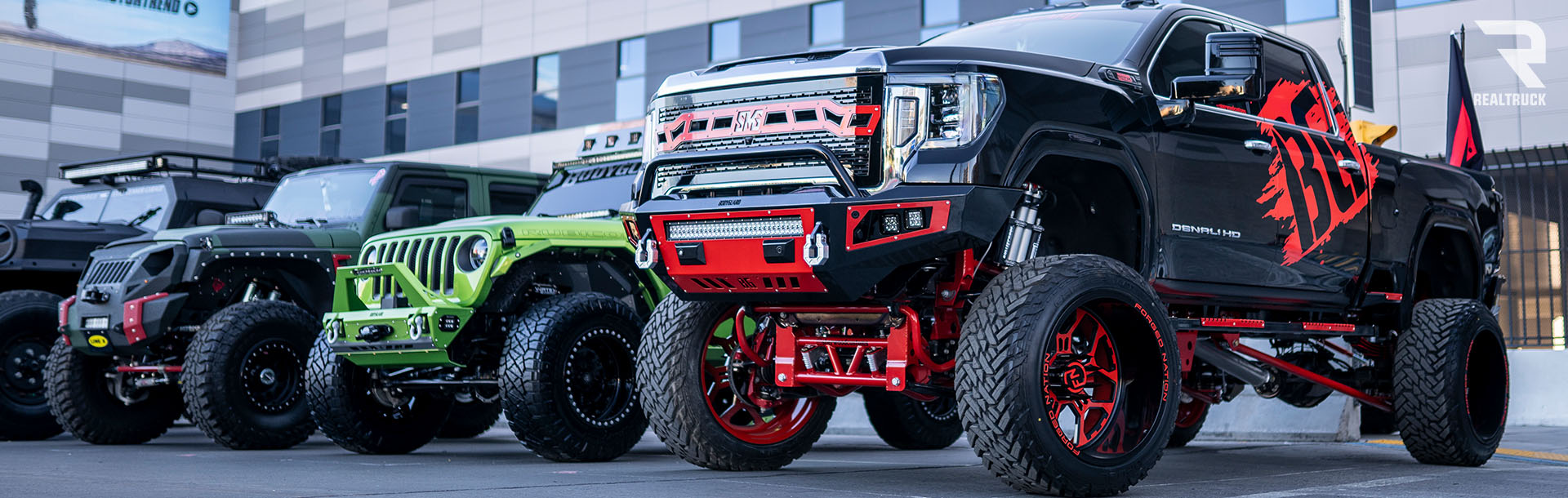
While SEMA is a B2B organization, its brand influence spills over heavily into the B2C (business-to-consumer) space. The “SEMA Build” has become a recognizable term in the lexicon of car culture, representing the pinnacle of automotive craftsmanship.
Moving Beyond the “Hobbyist” Label
For decades, the automotive aftermarket was viewed by the general public as a collection of hobbyists and “grease monkeys.” SEMA’s brand strategy has been to professionalize this image. Through high-production-value media, professional education programs, and a focus on “modernizing” the craft, SEMA has rebranded an entire industry as a sophisticated sector of the global economy.
By elevating the status of the industry, SEMA helps its members charge premium prices and attract top-tier talent. The “SEMA” brand name acts as a seal of approval; if a product is “SEMA-certified” or debuted at the SEMA show, it carries an immediate sense of market validation and quality.
The Symbol of Quality and Innovation
The SEMA logo is more than just an emblem; in the aftermarket world, it is a symbol of innovation. The “New Product Awards” presented by SEMA annually are the industry’s equivalent of the Oscars. This creates a competitive branding environment where companies strive to align themselves with SEMA’s standards of excellence. For a brand to successfully position its own awards as the ultimate metric of success in a $50 billion industry is a testament to its supreme market authority.
Conclusion: The Future of the SEMA Brand
So, what does SEMA stand for? On paper, it is the Specialty Equipment Market Association. In practice, it is the strategic backbone of the global automotive aftermarket.
Through careful rebranding in the 1970s, the creation of a world-class trade experience, and a relentless focus on advocacy and technical standards, SEMA has built a brand that is synonymous with automotive freedom. Its corporate identity is defined by a unique paradox: it is a legacy brand that remains at the cutting edge of innovation.
As we move into a new era of mobility defined by software-defined vehicles and carbon neutrality, SEMA’s brand strategy will likely continue to evolve. However, its core “reason for being”—to represent the passion, business, and innovation of vehicle personalization—will remain the same. For any business professional looking to understand how to build a resilient, authoritative, and indispensable brand in a changing world, the story of SEMA provides a definitive roadmap. SEMA doesn’t just stand for a group of companies; it stands for an entire culture’s right to innovate.
aViewFromTheCave is a participant in the Amazon Services LLC Associates Program, an affiliate advertising program designed to provide a means for sites to earn advertising fees by advertising and linking to Amazon.com. Amazon, the Amazon logo, AmazonSupply, and the AmazonSupply logo are trademarks of Amazon.com, Inc. or its affiliates. As an Amazon Associate we earn affiliate commissions from qualifying purchases.