
In the rapidly evolving landscape of social media, Snapchat remains a pioneer of ephemeral communication. Since its inception, the platform has integrated various symbols and UI elements designed to drive user engagement and gamify the messaging experience. One of the most recognizable, yet often stressful, icons within the application is the “sand glass”—commonly referred to by users as the hourglass emoji.
To the casual observer, an emoji next to a username might seem like a minor aesthetic choice. However, within the technical framework of Snapchat’s user experience (UX) design, the sand glass serves as a critical notification tool. It is a visual representation of a ticking clock, signaling that a specific digital bond—the Snapstreak—is on the verge of expiring. Understanding the mechanics of the sand glass is essential for power users and those interested in the psychological and technical strategies apps use to maintain high daily active user (DAU) counts.
The Mechanics of the Hourglass Icon: Understanding the 24-Hour Cycle
Snapchat’s ecosystem is built on the principle of “now or never.” Unlike traditional social networks where content is archived indefinitely, Snapchat emphasizes the moment. This philosophy is most evident in the “Snapstreak” feature. A Snapstreak is established when two users send direct “Snaps” (photos or videos) to each other for at least three consecutive days. Once a streak is active, a fire emoji ( ) appears next to the friend’s name, accompanied by a number representing the days the streak has lasted.
The 24-Hour Window and Server Synchronization
The fundamental technical rule of a Snapstreak is the 24-hour window. Both users in the conversation must send a Snap to each other at least once every 24 hours to keep the fire burning. If the server does not register a two-way exchange within this timeframe, the streak is programmed to reset to zero.
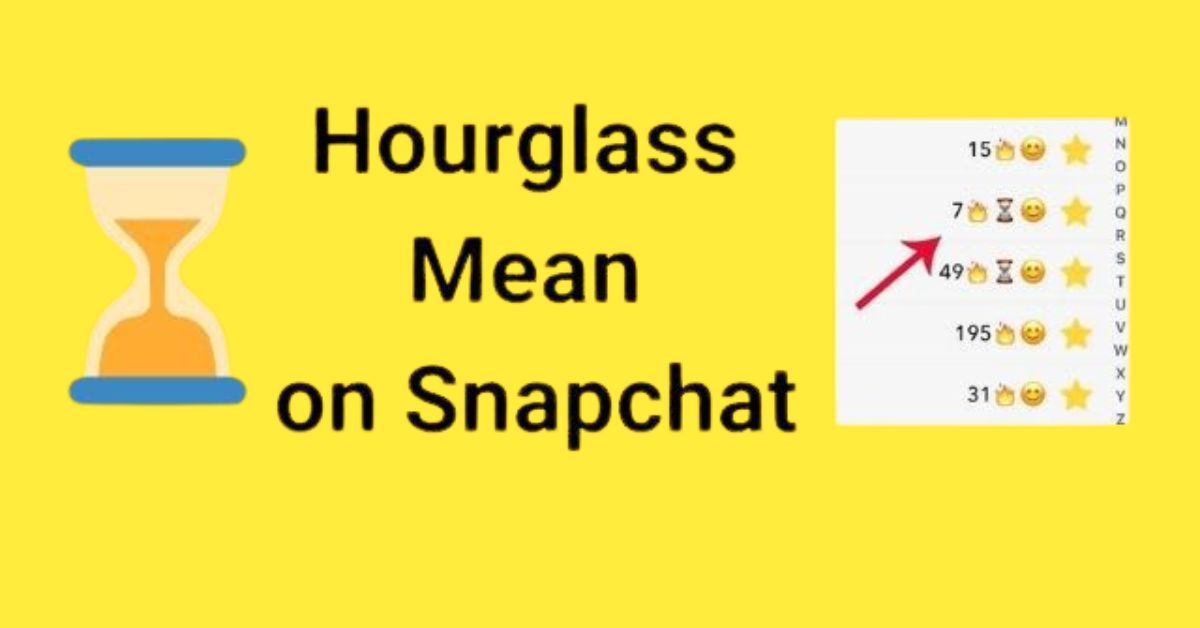
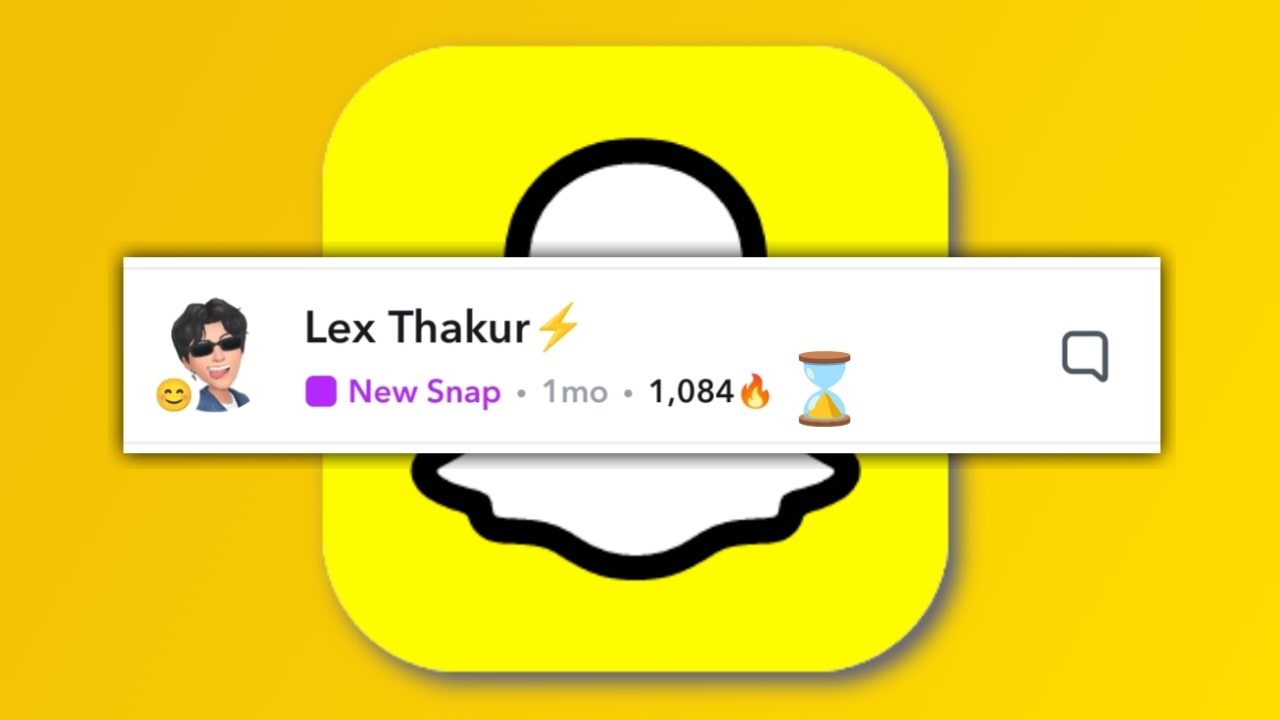
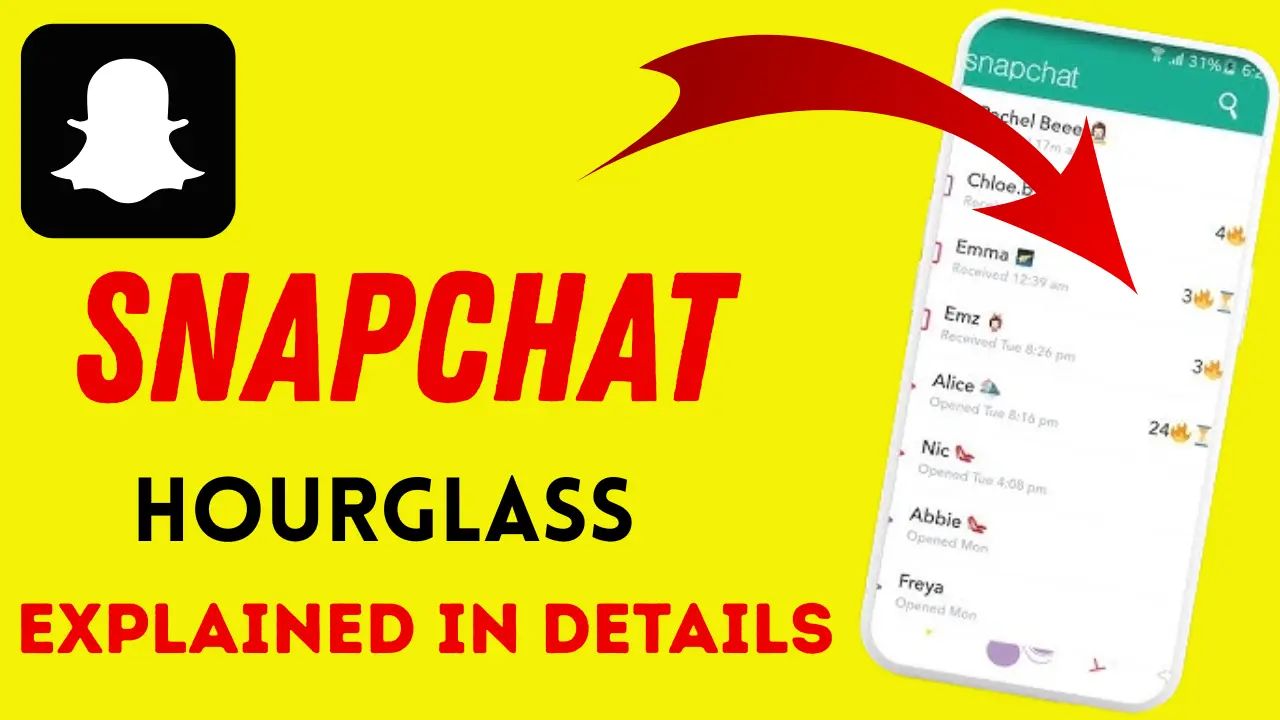
The sand glass (⌛) is the system’s “warning” state. It does not appear immediately after a Snap is sent. Instead, it usually triggers around the 20-hour mark of inactivity. This creates a four-hour “grace period” or “urgency window.” From a software architecture perspective, this is a calculated trigger. The app’s backend tracks the timestamp of the last Snap sent by both parties; when the delta between the current time and the last interaction reaches the threshold (approx. 20 hours), the UI is updated to display the sand glass emoji to both users.
The Exclusion of Text-Based Chat
A common technical point of confusion for new users is what constitutes a “valid interaction.” Snapchat’s algorithm distinguishes between “Snaps” (media) and “Chats” (text). While you can communicate via text indefinitely, text-based messages do not contribute to the Snapstreak counter. Consequently, the sand glass will appear even if you have been chatting via text for hours, as long as no photo or video Snap has been exchanged. This distinction highlights Snapchat’s focus on its primary value proposition: visual communication.
Snapstreaks and the Digital Reward System: The Psychology of Engagement
The sand glass is more than just a timer; it is a sophisticated engagement tool designed to prevent user churn. In the tech industry, “gamification” refers to the use of game-design elements in non-game contexts. Snapchat’s use of emojis like the fire and the sand glass is a textbook example of using visual rewards to influence user behavior.
The Fire Emoji and Positive Reinforcement
The fire emoji serves as a badge of honor, a digital representation of consistency and social closeness. As the number next to the fire grows, the “sunk cost” associated with the streak increases. Users become emotionally invested in maintaining the number, leading to habitual app usage. This is a primary metric for Snapchat’s success, as high streaks correlate directly with higher time-spent-in-app, which is a key selling point for advertisers.
The Sand Glass as a Loss Aversion Trigger
If the fire emoji is the “carrot,” the sand glass is the “stick.” In behavioral economics, loss aversion refers to the tendency of individuals to prefer avoiding losses to acquiring equivalent gains. Seeing the sand glass triggers a sense of urgency. The user is no longer focused on the joy of sending a Snap; they are focused on the “threat” of losing their progress. This shift in motivation is highly effective in ensuring that users return to the app at least once a day, maintaining the platform’s high retention rates.
The Impact on UI/UX Design
Snapchat’s UI is notoriously minimalist and gesture-heavy. By placing the sand glass directly on the main chat feed, the developers ensure it is one of the first things a user sees upon opening the app. The choice of the hourglass emoji is also deliberate. Unlike a numeric countdown, which might feel overly clinical or stressful, the emoji feels integrated into the social language of the platform while still conveying a clear message of “time is running out.”
Managing Your Snapchat Experience: Technical Strategies and Maintenance
For users who prioritize their digital connections, managing the appearance of the sand glass is a daily task. While the system is automated, there are specific behaviors and technical nuances that users should understand to ensure their streaks remain intact.
Keeping the Streak Alive
The only way to remove the sand glass and restore the fire emoji is for both parties to send a Snap. It is important to note that sending a Snap to a group does not count toward an individual streak. The interaction must be a direct, one-on-one communication. Once the server processes the incoming media, the sand glass is replaced by the fire emoji, and the 24-hour timer is reset.
What to Do If the Icon Disappears Prematurely
There are instances where the sand glass may seem to function incorrectly. Because the app relies on real-time server communication, issues can arise due to:
- Latency and Synchronization: If a user sends a Snap in an area with a poor internet connection, the “sent” status might be delayed on the server side. If the 24-hour window closes before the server registers the Snap, the streak will break even if the user “sent” the media on their device.
- Time Zone Shifts: When users travel across time zones, the local time on their device changes, but the Snapchat servers operate on a standardized global clock. This can occasionally lead to confusion regarding when the 24-hour window actually expires.
- App Cache and Glitches: Like all software, Snapchat can experience bugs. Sometimes the sand glass may persist even after a Snap has been sent, or it may fail to appear entirely before a streak breaks. Regularly clearing the app’s cache in the settings menu can resolve some of these visual synchronization issues.
Technical Troubleshooting and Support: Restoring a Lost Streak
Despite a user’s best efforts, streaks are sometimes lost due to technical errors rather than a lack of communication. Snapchat acknowledges this and has built a specific support infrastructure to handle “Streak Restoration.”
The “I Lost My Snapstreak” Support Channel
Snapchat offers a dedicated section within its “Support” portal for users to report a lost streak. To use this feature, users must provide their username, the friend’s username, and details about the situation. If the system confirms that a streak was lost due to a technical glitch (such as a server outage), they may restore the streak as a one-time courtesy.
Automated Restoration Features
In recent software updates, Snapchat has experimented with “Restore” buttons within the UI. If a streak breaks, users may sometimes see an option to “Restore” the streak for a fee or by watching an advertisement. This represents a significant shift in the platform’s monetization strategy, turning a social engagement metric into a revenue-generating feature. From a tech standpoint, this requires complex database management to store “expired” streak data for a set period, allowing it to be reactivated upon payment or action.
The Future of Ephemeral Communication and App Engagement
The sand glass on Snapchat is a small but powerful component of a massive digital engine. It represents the intersection of software engineering, behavioral psychology, and user interface design. As Snapchat continues to compete with platforms like Instagram and TikTok, the mechanics of features like the sand glass will likely evolve.
Evolution of UI Indicators
We may see more granular indicators in the future. Instead of a binary sand glass, the app could implement color-coded timers or progress bars that provide more specific feedback on how much time remains. However, there is a delicate balance to strike; too much data can make a social app feel like a chore or a job, whereas the current emoji system maintains a level of “fun” and informality.
AI and Predictive Engagement
With the integration of AI tools (like My AI) into Snapchat, the platform could theoretically use predictive analytics to warn users about the sand glass before it even appears. If the algorithm detects a change in a user’s typical communication pattern, it could send a proactive notification to prevent the streak from reaching the critical 20-hour mark.
In conclusion, the sand glass on Snapchat is far more than an icon. It is a sophisticated piece of “Tech” that governs user behavior, ensures platform loyalty, and serves as a vital indicator within the app’s digital ecosystem. Whether you view it as a helpful reminder or a source of digital anxiety, its presence is a testament to the power of well-designed UI elements in the modern age of mobile software.
aViewFromTheCave is a participant in the Amazon Services LLC Associates Program, an affiliate advertising program designed to provide a means for sites to earn advertising fees by advertising and linking to Amazon.com. Amazon, the Amazon logo, AmazonSupply, and the AmazonSupply logo are trademarks of Amazon.com, Inc. or its affiliates. As an Amazon Associate we earn affiliate commissions from qualifying purchases.