
The question of “what does rye whiskey taste like?” might seem purely sensory, a matter of palate and preference. However, within the dynamic world of investment, understanding the nuances of consumer taste, particularly in a growing market like spirits, can be a surprisingly potent indicator of financial opportunity. For those with an eye on the burgeoning craft beverage sector, or even those looking to diversify their portfolios, grasping the distinct characteristics and evolving perception of rye whiskey offers a lens through which to analyze market trends, identify emerging brands, and ultimately, make more informed investment decisions. This exploration delves beyond the dram, examining rye whiskey’s flavor profile not as a mere gustatory experience, but as a key determinant of its market appeal, brand differentiation, and potential for capital appreciation.

The Flavor Profile: A Foundation for Market Appeal
The distinctive taste of rye whiskey is the bedrock upon which its market position is built. Understanding these inherent qualities is crucial for anyone seeking to invest in the spirits industry, as flavor dictates consumer demand, brand identity, and pricing strategies.
The Spicy Heart: Defining Rye’s Signature
At its core, rye whiskey is defined by its signature spice. Unlike bourbon, which is primarily corn-based and often characterized by sweetness and vanilla notes, rye whiskey’s mash bill must contain at least 51% rye grain. This high rye content imparts a distinctly peppery, often clove-like or cinnamon-like spiciness that is its most immediate and recognizable characteristic. This is not a subtle warmth; it is a bold, assertive flavor that sets it apart and appeals to a specific segment of the whiskey-drinking population.
Beyond Spice: Nuance and Complexity
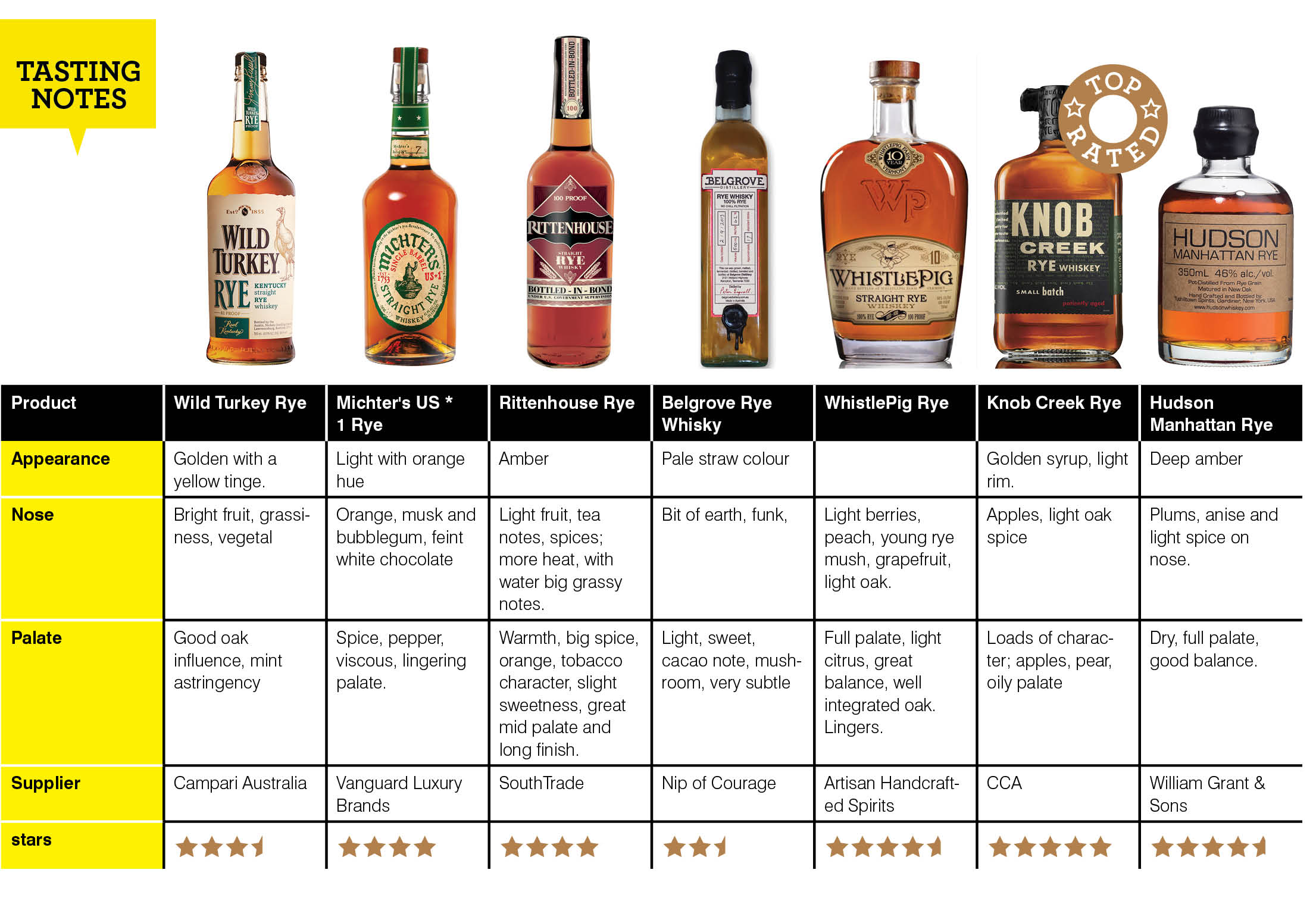
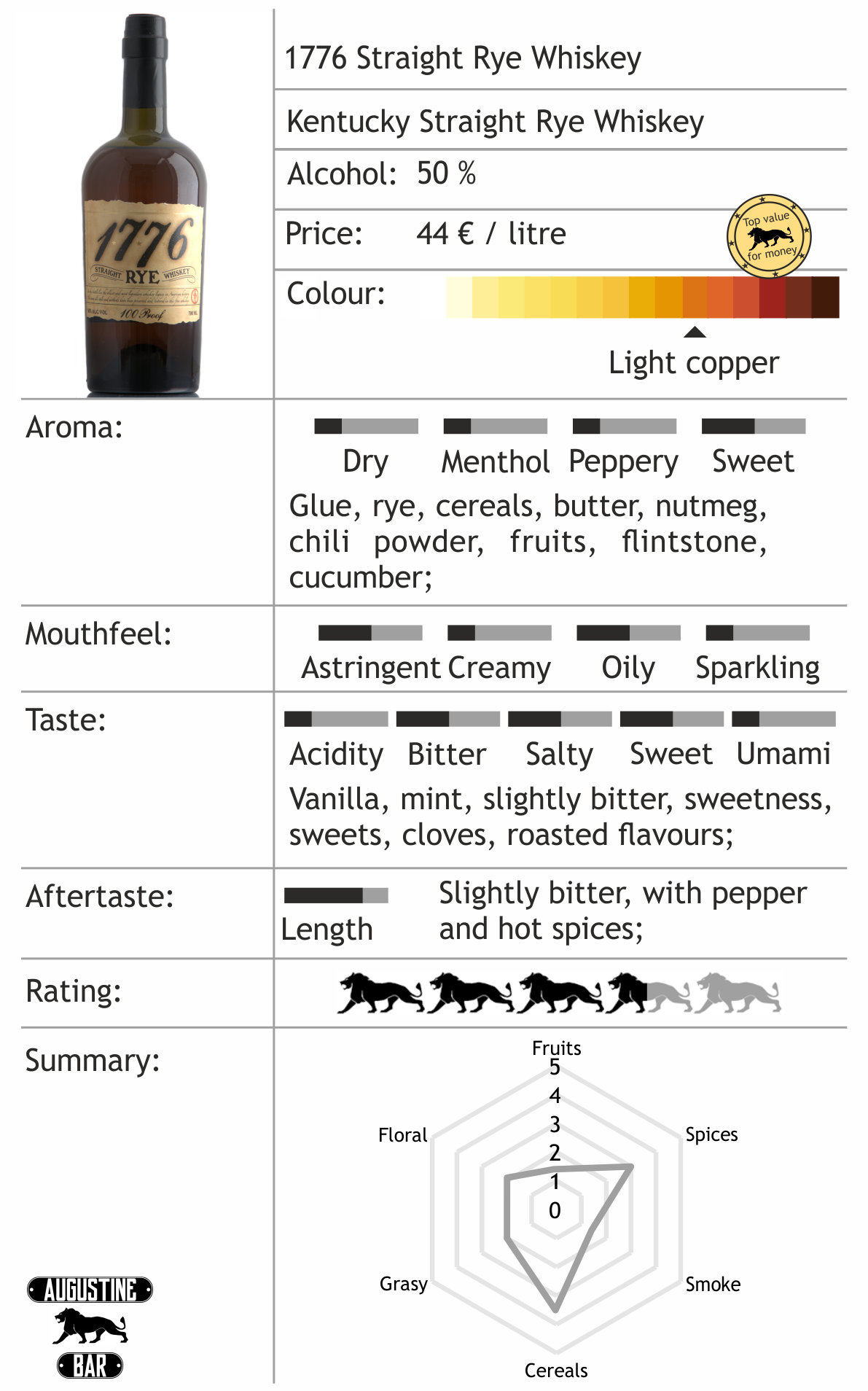
While spice is paramount, the taste of rye whiskey is far from one-dimensional. Depending on the distiller, the aging process, and other grains in the mash bill (such as corn and malted barley), a complex array of secondary and tertiary flavors can emerge. These can include:
- Fruity Undertones: Notes of red fruit like cherry or raspberry, or sometimes citrus zest, can add brightness and balance to the spicy backbone.
- Earthy and Herbal Qualities: Hints of dill, mint, or even a slight vegetal character can contribute to the whiskey’s complexity, offering a sophisticated edge.
- Oak Influence: Like all aged spirits, rye whiskey interacts with the oak barrels it matures in. This imparts flavors of vanilla, caramel, toffee, and a pleasing tannic structure, which can range from subtle hints to more pronounced sweetness depending on the age and type of oak used.
- Finishing Notes: The finish of rye whiskey is often described as dry and lingering, with the spice continuing to play on the palate. Some ryes offer a smooth, warm finish, while others can be more robust and demanding.
The interplay of these elements creates a diverse spectrum of rye whiskey experiences. From lighter, more approachable bottlings to robust, barrel-proof expressions, the ability of a rye whiskey to deliver a captivating and memorable flavor profile directly impacts its appeal to consumers and, consequently, its market valuation.
Market Dynamics: From Niche to Mainstream Potential
The journey of rye whiskey from a somewhat niche category to a significant player in the global spirits market is a compelling narrative of evolving consumer preferences and strategic marketing. Understanding this trajectory is key to identifying investment opportunities.
The Resurgence of Rye: A Historical Context
Rye whiskey has a rich history in America, predating bourbon in many regions. However, Prohibition and shifting consumer tastes led to its decline for much of the 20th century. Its resurgence in the late 20th and early 21st centuries is often attributed to a few key factors:
- The Craft Cocktail Boom: As bartenders and cocktail enthusiasts sought more complex and characterful spirits, rye whiskey’s bold flavor profile made it an ideal ingredient for classic cocktails like the Old Fashioned and the Manhattan. Its spice stood up well to other ingredients, offering a more assertive and interesting base than many bourbons.
- A Desire for Differentiation: Consumers, particularly younger demographics, began to explore beyond the established norms, seeking out unique and artisanal products. Rye offered a distinct alternative to the ubiquitous bourbon.
- Distillery Innovation: A new generation of distillers embraced rye, experimenting with different mash bills, aging techniques, and marketing strategies. This led to a proliferation of high-quality, innovative rye whiskeys entering the market.
This resurgence has transformed rye from a historical footnote to a significant category, driving demand and attracting both new drinkers and seasoned whiskey aficionados. This growing demand is a tangible indicator of potential market growth and investment viability.
Analyzing Consumer Preferences: A Financial Indicator
The ability of a rye whiskey to capture consumer attention and loyalty is directly linked to its flavor profile and the story it tells. For investors, this translates into analyzing what drives preference:
- The “Craft” Appeal: Consumers are often willing to pay a premium for spirits that are perceived as artisanal, small-batch, or carrying a strong narrative of heritage and craftsmanship. Brands that effectively communicate these values, supported by a superior product, can command higher price points and command brand loyalty.
- The “Spice Forward” Preference: The inherent spiciness of rye is a primary draw. Distillers who can masterfully balance this spice with other complex flavors, creating a well-rounded and enjoyable drinking experience, are more likely to succeed. This includes understanding the nuances of oak influence and the impact of barrel selection.
- The “Cocktail Ready” Factor: While sipping rye is popular, its enduring strength in cocktails means brands that are recognized for their cocktail versatility can maintain a broad appeal. This can influence purchasing decisions across both home consumers and professional bartenders.
- The “Exploration” Consumer: A growing segment of consumers is actively seeking new and interesting whiskeys to try. Brands that offer unique mash bills, innovative aging processes, or limited-edition releases can tap into this desire for discovery, driving sales and creating buzz.
By understanding which flavor characteristics resonate most strongly with different consumer segments, investors can better assess the long-term viability of brands and the overall health of the rye whiskey market. This involves staying abreast of tasting notes in reviews, observing trends in mixology, and monitoring the marketing efforts of key players.
Brand Valuation and Investment Opportunities
The intrinsic value of a rye whiskey brand is inextricably linked to its product quality, market perception, and the financial performance it generates. For astute investors, understanding the factors that contribute to a brand’s valuation is paramount to identifying lucrative opportunities.
From Flavor to Brand Equity: Building Value
A compelling rye whiskey flavor profile is the foundation, but building a valuable brand requires more. Brand equity is cultivated through a combination of factors that resonate with consumers and investors alike:
- Authenticity and Storytelling: Brands that can weave a compelling narrative around their history, their distilling process, or their commitment to quality often resonate more deeply. This could be a story of family heritage, a pioneering approach to rye distillation, or a dedication to sourcing specific grains. Authenticity builds trust and a connection that transcends mere taste.
- Consistent Quality: A brand’s reputation is built on consistent product quality. For rye whiskey, this means delivering a reliable and enjoyable flavor profile across batches and over time. A brand known for producing consistently excellent rye can command premium pricing and build lasting customer loyalty.
- Packaging and Presentation: The visual appeal of a bottle, from its label design to the glass it’s housed in, plays a significant role in consumer perception and shelf presence. High-quality packaging communicates a premium product and can enhance a brand’s perceived value.
- Distribution and Accessibility: While niche appeal can be valuable, broad distribution and accessibility are crucial for scaling a brand and driving significant revenue. Brands that can secure placements in major retail chains, bars, and restaurants have a distinct advantage.
- Marketing and Community Building: Effective marketing campaigns that reach target audiences, coupled with efforts to build a loyal community of brand advocates (through social media, tasting events, or loyalty programs), can significantly boost brand recognition and demand.
Identifying Investment Avenues
The growth and evolving landscape of the rye whiskey market present several avenues for investors:
- Publicly Traded Spirits Companies: Large, established spirits conglomerates often have diversified portfolios that include successful rye whiskey brands. Investing in these companies can offer exposure to the overall spirits market with a degree of stability. However, the performance of individual rye brands within these larger entities may be less transparent.
- Independent Distilleries and Brands: The rise of craft distilling has led to numerous independent rye whiskey producers. Some of these may be privately held and seeking investment, while others may be nearing the point of an Initial Public Offering (IPO) or acquisition. Due diligence is critical here, requiring a deep dive into their business plan, financials, and market traction.
- Specialty Spirits Funds and ETFs: As the spirits industry matures as an investment class, specialized funds and Exchange Traded Funds (ETFs) focusing on alcoholic beverages may emerge or already exist. These can offer diversified exposure to the sector, including exposure to successful rye whiskey brands without the need for individual stock picking.
- Venture Capital and Angel Investment: For those with a higher risk tolerance and a desire for direct involvement, investing in early-stage craft distilleries and emerging rye brands through venture capital or angel investment networks can offer significant upside potential, albeit with higher risk. This often involves a deeper understanding of the operational aspects of the business, in addition to market trends.
Understanding the “taste” of rye whiskey, in its broadest sense – its complex flavor profile, its appeal to consumers, and its historical and market trajectory – is not just about appreciating a beverage. It is about deciphering the underlying economic forces that drive demand, build brand value, and ultimately, create compelling investment opportunities in a vibrant and growing sector. For the financially astute, the intricate world of rye whiskey offers a rich and spicy landscape to explore.
aViewFromTheCave is a participant in the Amazon Services LLC Associates Program, an affiliate advertising program designed to provide a means for sites to earn advertising fees by advertising and linking to Amazon.com. Amazon, the Amazon logo, AmazonSupply, and the AmazonSupply logo are trademarks of Amazon.com, Inc. or its affiliates. As an Amazon Associate we earn affiliate commissions from qualifying purchases.