
In the intricate world of global commerce and logistics, a seamless customer experience often hinges on efficient backend operations, particularly when things don’t go as planned. One acronym frequently encountered in the context of product returns and post-sale service is RMA. So, what exactly does RMA stand for in shipping, and why is its technological underpinning so crucial for businesses today?
RMA stands for Return Merchandise Authorization. At its core, an RMA is a part of the process of returning a product to the manufacturer or seller for a refund, replacement, or repair. It’s a systemized approach to manage product returns, ensuring that items are returned correctly, processed efficiently, and accounted for within a company’s inventory and financial systems. In the shipping context, RMA dictates the authorized movement of returned goods, often involving specific procedures for labeling, packaging, and carrier services.

Far from being a mere administrative chore, a well-implemented RMA process, powered by robust technology, is a cornerstone of customer satisfaction, operational efficiency, and even product development. It transforms a potentially chaotic and costly aspect of business into a structured, data-rich workflow that can drive significant value.
Unpacking Return Merchandise Authorization (RMA)
The concept of RMA has evolved significantly from simple paperwork to complex digital workflows, driven by the demands of e-commerce and global supply chains. Understanding its fundamental components is essential to grasp its technological implications.
The Core Definition and Purpose
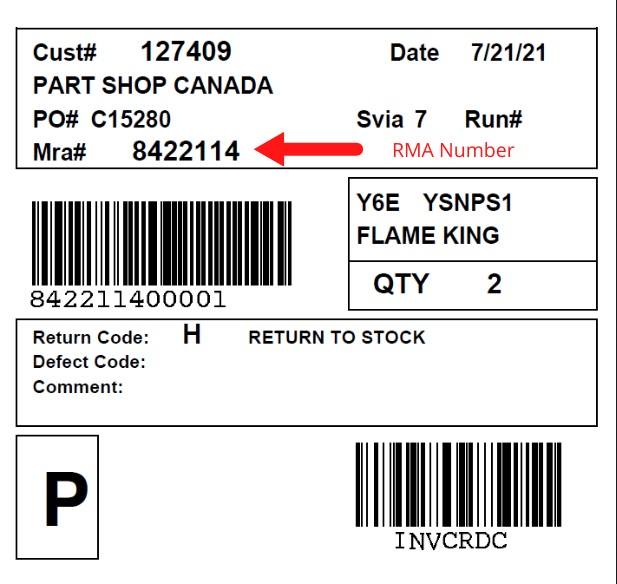
An RMA is essentially a gatekeeping mechanism. Before a customer can send back a faulty, unwanted, or incorrect item, they must first obtain an RMA number from the seller. This unique identifier is critical for several reasons:
- Authorization: It confirms that the seller is expecting the return and has approved it according to their return policy. This prevents unauthorized returns and potential fraud.
- Tracking: The RMA number allows both the customer and the seller to track the return’s progress through the shipping and processing stages.
- Identification: It helps the receiving department quickly identify the product, the customer, the reason for the return, and the requested resolution (refund, exchange, repair).
- Logistics Coordination: It informs the warehouse and shipping teams about the incoming return, allowing them to prepare for its receipt and subsequent processing.
Without an RMA system, businesses would face a deluge of unidentifiable packages, leading to delays, errors, increased costs, and ultimately, frustrated customers.
Why RMA is Critical in Modern Logistics
In today’s fast-paced e-commerce environment, where returns are an inevitable part of doing business, the importance of a streamlined RMA process cannot be overstated.
- Customer Experience: A clear and easy return process can significantly enhance customer loyalty. Consumers are more likely to purchase from a brand that offers a hassle-free return policy, knowing they have a safety net. A clunky, opaque, or slow RMA process, conversely, can irrevocably damage brand perception.
- Operational Efficiency: Returns are costly. They involve reverse logistics, inspection, repackaging, and potentially restocking or disposal. An efficient RMA process minimizes the time and resources spent on each return, reducing handling costs and ensuring that items that can be resold are quickly back in inventory.
- Inventory Management: Proper RMA procedures ensure that returned goods are accurately accounted for. This is vital for maintaining accurate inventory levels, preventing stockouts or overstock, and making informed purchasing decisions.
- Fraud Prevention: By requiring authorization and tracking returns, businesses can mitigate risks associated with return fraud, such as customers returning different items or used products.
- Data Collection: The RMA process generates valuable data about return reasons, product defects, and customer feedback, which can be leveraged for product improvement, supply chain optimization, and policy adjustments.
The Digital Backbone of RMA: Systems and Software
The true power of an RMA system is unleashed when it is fully integrated with a company’s technology infrastructure. Modern RMA is not a standalone process but a critical module within broader enterprise systems.
Enterprise Resource Planning (ERP) Integration
At the heart of many businesses’ operations is an ERP system (e.g., SAP, Oracle, Microsoft Dynamics). An effective RMA process is deeply integrated with the ERP, allowing for:
- Order Lookup: Automatically linking the return request to the original sales order, pulling customer details, purchase history, and product specifications.
- Inventory Updates: Once a returned item is received and processed (e.g., deemed resellable, defective, or scrapped), the ERP system updates inventory levels in real-time.
- Financial Transactions: Triggering refunds, credit memos, or billing for repairs directly within the financial modules of the ERP.
- Reporting: Generating comprehensive reports on return rates, reasons, costs, and customer service performance, which are crucial for strategic decision-making.
This seamless data flow ensures consistency and accuracy across all business functions impacted by returns.
Warehouse Management Systems (WMS) and Returns
For businesses with physical inventory, the WMS (Warehouse Management System) plays a pivotal role in the physical handling of returned merchandise.
- Directed Putaway: The WMS guides warehouse staff on where to receive and store returned items, often directing them to a dedicated “returns processing” area or directly to specific quality control stations.
- Inspection Workflows: Integrating inspection checklists and quality control procedures into the WMS, allowing for systematic evaluation of returned products.
- Restocking Efficiency: For items deemed resellable, the WMS optimizes their placement back into active inventory locations.
- Reverse Logistics Optimization: The WMS can manage the movement of defective items for repair, refurbishment, or disposal, streamlining the entire reverse logistics chain.
Dedicated RMA Software Solutions
While ERPs and WMS provide foundational capabilities, many businesses, especially those with high return volumes or complex return policies, opt for dedicated RMA software solutions. These specialized platforms offer enhanced features:
- Customer Self-Service Portals: Allowing customers to initiate returns online, print shipping labels, and track their return status independently, reducing the burden on customer service.
- Automated Workflow Rules: Configuring business rules for automatic approval or rejection of returns based on criteria like purchase date, product type, or return reason.
- Advanced Analytics: Providing deeper insights into return trends, product failure rates, and customer behavior, often with customizable dashboards.
- Integration with Carriers: Direct integration with shipping carriers (e.g., UPS, FedEx, DHL) to generate return shipping labels and track inbound shipments automatically.
Customer Relationship Management (CRM) in the Loop
The CRM system (e.g., Salesforce, HubSpot) is another critical piece of the technological puzzle. When a customer initiates an RMA, the CRM updates their service history, providing a complete view of their interactions with the company. This helps customer service agents:
- Personalize Interactions: Understand the customer’s history and previous issues, leading to more empathetic and efficient service.
- Track Support Tickets: Link RMA requests directly to customer support tickets, ensuring all related communications are centralized.
- Identify VIP Customers: Prioritize returns for high-value customers or those with recurring issues, further enhancing their experience.
Navigating the Technology-Driven RMA Workflow
The typical RMA workflow is a multi-step journey, each phase significantly enhanced by technological integration and automation.
Initiating the Digital Request
The process usually begins with the customer. Instead of a phone call, modern systems offer:
- Online Portals: Customers log into their account on the seller’s website, navigate to their order history, and select the item(s) they wish to return.
- Guided Questionnaires: The system prompts the customer to select a reason for the return (e.g., “damaged,” “wrong item,” “changed mind”) and specify the desired resolution (refund, exchange, store credit).
- Automated Policy Check: The system instantly cross-references the request against the company’s return policy, flagging any non-compliant requests (e.g., outside return window).
Authorization and Tracking with Software
Once the request is submitted, the system takes over:

- Automated Approval/Denial: Based on pre-defined rules, the request might be automatically approved, denied, or flagged for manual review by a customer service agent.
- RMA Number Generation: Upon approval, a unique RMA number is generated and assigned to the return.
- Digital Instructions and Labels: The system sends the customer an email with the RMA number, detailed return instructions, and often a printable shipping label (pre-paid or requiring customer payment).
- Real-Time Tracking: Both the customer and the seller can track the return shipment using the RMA number, often via a dedicated portal or embedded tracking links.
Inbound Logistics and Quality Control
When the returned item arrives at the warehouse:
- Barcode Scanning: Warehouse staff scan the RMA number on the package, automatically pulling up all relevant information from the ERP/WMS.
- Directed Putaway: The WMS directs the item to the appropriate processing station (e.g., inspection, repair, restocking).
- Digital Inspection Checklists: Quality control personnel use handheld devices or computer terminals to follow digital inspection protocols, recording the item’s condition, verifying components, and confirming the reported return reason. This data is instantly updated in the system.
Resolution and Automated Notifications
After inspection, the final resolution is processed:
- System-Triggered Resolution: Based on the inspection outcome and the customer’s requested resolution, the system automatically triggers the next step – a refund is processed via the ERP, an exchange order is created, or a repair ticket is generated.
- Automated Communication: The customer receives automated notifications at each significant step: “Return Received,” “Inspection Complete,” “Refund Processed,” etc. This proactive communication reduces customer inquiries and builds trust.
- Inventory Adjustment: The ERP updates inventory levels based on whether the item is restocked, sent for repair, or disposed of.
Strategic Advantages of Tech-Enabled RMA Processes
Leveraging technology in RMA is not just about efficiency; it’s a strategic imperative that offers a multitude of competitive advantages.
Enhanced Customer Experience and Loyalty
A smooth, transparent, and quick return process significantly boosts customer satisfaction. When returns are easy, customers feel more confident in their purchases, knowing that issues can be resolved without hassle. This trust translates directly into repeat business and stronger brand loyalty. Automated communication keeps customers informed, reducing anxiety and the need for them to contact support.
Operational Efficiency and Cost Reduction
Manual RMA processes are labor-intensive, error-prone, and costly. Technology automates repetitive tasks, reduces data entry errors, and streamlines workflows, leading to:
- Reduced Labor Costs: Less time spent on manual processing, tracking, and customer inquiries.
- Faster Processing Times: Quicker turnaround for returns means faster refunds or replacements, improving cash flow and customer satisfaction.
- Optimized Inventory: Accurate and timely updates to inventory prevent overstocking or stockouts of returned goods.
- Lower Shipping Costs: Optimized reverse logistics can lead to more efficient shipping arrangements for returns.
Data-Driven Insights for Product Improvement
Every return is a data point. A robust RMA system captures granular data on:
- Return Reasons: Identifying common reasons (e.g., “item not as described,” “defective,” “too small”).
- Product Failure Rates: Pinpointing specific products or batches with high return rates due to quality issues.
- Geographic Trends: Understanding if returns are concentrated in certain regions.
This data is invaluable for product development teams to improve design and quality, for marketing to refine product descriptions, and for supply chain managers to optimize sourcing. It transforms returns from a cost center into an insight generator.
Compliance and Audit Trails
For businesses operating in regulated industries or across different geographies, compliance with consumer protection laws and financial regulations is paramount. Tech-enabled RMA systems:
- Maintain Detailed Records: Every step of the return process, every communication, and every financial transaction is logged and time-stamped, creating an indisputable audit trail.
- Enforce Policies Consistently: Automation ensures that return policies are applied uniformly, reducing the risk of discriminatory practices or errors.
- Facilitate Reporting: Generating reports for compliance audits or internal financial reconciliation is straightforward and accurate.
The Future of Returns: AI, Automation, and Advanced Tech
The evolution of RMA is far from over. Emerging technologies promise to further revolutionize how businesses handle returns, pushing towards even greater efficiency, personalization, and intelligence.
Predictive Analytics for Returns Management
Leveraging machine learning algorithms, businesses can analyze historical return data, purchase patterns, and even external factors (e.g., weather, economic trends) to predict future return volumes and reasons. This allows for:
- Proactive Staffing: Adjusting warehouse staff levels in anticipation of return spikes.
- Optimized Inventory Planning: Reducing over-ordering of products known to have high return rates.
- Targeted Interventions: Identifying customers or product categories at high risk of return and implementing proactive measures (e.g., enhanced product information, personalized recommendations).
AI-Powered Customer Support and Self-Service
AI chatbots and virtual assistants are increasingly being deployed to handle initial return inquiries, guide customers through the RMA process, and answer FAQs. This allows for:
- 24/7 Support: Customers can initiate returns or get information anytime, anywhere.
- Instant Resolutions: Simple queries can be resolved immediately without human intervention.
- Personalized Guidance: AI can tailor return instructions based on the customer’s specific product, purchase history, and location.
Robotics and Automation in Return Processing
In the warehouse, robotics and advanced automation are transforming the physical handling of returned goods:
- Automated Sorting: Robots can sort incoming returns based on RMA numbers, condition, and destination (e.g., restock, repair, dispose).
- Automated Inspection: Vision systems and sensors can conduct initial assessments of product condition, identifying obvious damage or inconsistencies, speeding up the quality control process.
- Robotic Putaway and Retrieval: Automated guided vehicles (AGVs) or robotic arms can move returned items to designated storage locations or retrieve them for further processing.
Blockchain for Transparency and Traceability
While still in nascent stages for RMA, blockchain technology holds promise for creating immutable and transparent records of product lifecycles, including returns. This could offer:
- Enhanced Authenticity Verification: Ensuring that returned items are genuine and not counterfeit.
- Improved Trust: Providing an unalterable record of a product’s journey from manufacturer to customer and back, which could be particularly valuable for high-value goods or in cases of warranty claims.
- Supply Chain Collaboration: Allowing all parties in the supply chain (manufacturers, retailers, carriers) to access a shared, secure ledger of return information.
In conclusion, “RMA” in shipping stands for Return Merchandise Authorization, a vital process governing product returns. Its effectiveness in the modern logistical landscape is intrinsically linked to sophisticated technology. From ERP and WMS integrations to specialized RMA software, AI, and automation, technology is not just supporting the RMA process but fundamentally redefining it. For businesses aiming to thrive in an era of demanding consumers and complex supply chains, mastering a technology-driven RMA system is no longer optional—it’s a strategic imperative for operational excellence, customer satisfaction, and sustained growth.
aViewFromTheCave is a participant in the Amazon Services LLC Associates Program, an affiliate advertising program designed to provide a means for sites to earn advertising fees by advertising and linking to Amazon.com. Amazon, the Amazon logo, AmazonSupply, and the AmazonSupply logo are trademarks of Amazon.com, Inc. or its affiliates. As an Amazon Associate we earn affiliate commissions from qualifying purchases.