
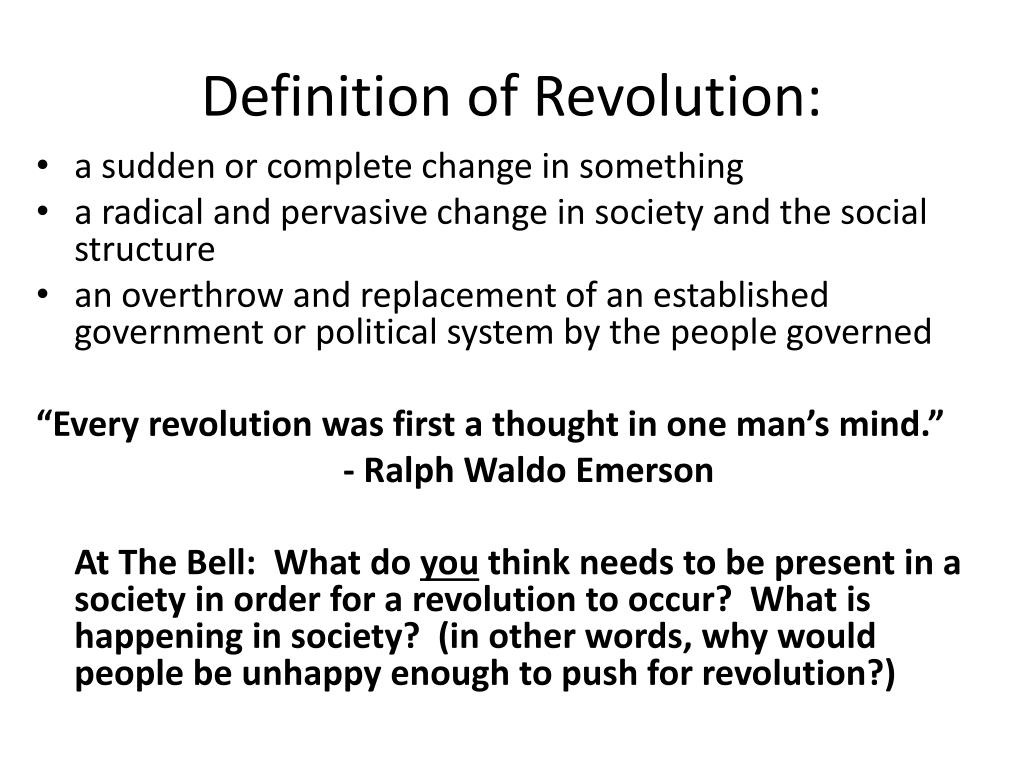
The word “revolution” is often bandied about in the technology sector, frequently accompanied by superlatives and promises of a paradigm shift. But beyond the marketing hype, what does a true technological revolution actually entail? It’s more than just a new gadget or a faster processor; it’s a fundamental transformation that reshapes industries, alters human behavior, and creates entirely new ways of interacting with the world. This isn’t about incremental improvement; it’s about a leap forward that renders previous methods obsolete and unlocks possibilities previously confined to the realm of science fiction.
The impact of a tech revolution is profound and far-reaching. It’s not limited to the early adopters or the tech elite; it trickles down, affecting how we work, communicate, learn, consume, and even think. Understanding the characteristics and implications of these seismic shifts is crucial for individuals, businesses, and policymakers alike, as it allows us to navigate the changes, capitalize on opportunities, and mitigate potential challenges.
The Anatomy of a Technological Revolution
A technological revolution isn’t born overnight. It typically follows a trajectory, building momentum through a confluence of factors. Identifying these core components helps us distinguish a genuine revolution from a mere trend.
The Genesis: Breakthrough Innovation and Enabling Technologies
At the heart of any revolution lies a fundamental breakthrough – a novel scientific discovery, an ingenious engineering feat, or a disruptive algorithmic advancement. This isn’t just an iteration; it’s a conceptual leap. For instance, the invention of the transistor didn’t just make radios smaller; it laid the groundwork for the entire digital age. Similarly, the development of deep learning algorithms unlocked the potential for artificial intelligence to move beyond theoretical discussions into practical applications.
This initial breakthrough often requires a constellation of enabling technologies to mature. A revolutionary idea might exist, but without the supporting infrastructure – be it cheap and abundant computing power, widespread high-speed internet, or advanced materials science – it remains a concept. The early days of personal computing were hampered by expensive hardware and limited software. It was the convergence of falling hardware costs, the development of user-friendly operating systems, and the emergence of the internet that truly catalyzed the personal computing revolution.
The Catalyst: Widespread Adoption and Network Effects
A groundbreaking technology only becomes revolutionary when it achieves widespread adoption. This adoption isn’t always immediate or uniform. It often starts with a niche group, the innovators and early adopters, who embrace the new technology and demonstrate its value. As the benefits become clearer and the technology becomes more accessible and user-friendly, it begins to permeate broader segments of society.
A key driver of this adoption is the phenomenon of network effects. The more people who use a technology, the more valuable it becomes for everyone. Think about social media platforms: their utility is directly proportional to the number of users. As more friends and colleagues join, the incentive to join grows, creating a virtuous cycle that can lead to exponential growth. This network effect is a powerful engine for entrenching a new technology and solidifying its revolutionary status. The internet, for example, became truly transformative only when it connected billions of people and devices, creating an unprecedented global network for information and communication.
The Transformation: Reshaping Industries and Human Behavior
The ultimate hallmark of a technological revolution is its transformative impact. It fundamentally alters the landscape of existing industries and creates new ones. The automobile revolution didn’t just change transportation; it gave rise to entire industries in manufacturing, infrastructure (roads, gas stations), and suburban development, while simultaneously diminishing the prominence of horse-drawn carriages.
Beyond industry, these revolutions reshape human behavior. The printing press democratized knowledge, the telegraph and telephone shrank distances, and the internet has revolutionized how we communicate, learn, shop, and entertain ourselves. These technologies don’t just offer new tools; they encourage new habits, new social structures, and new ways of thinking. Artificial intelligence, for instance, is poised to revolutionize work by automating tasks, augmenting human capabilities, and creating entirely new job categories, while potentially leading to significant shifts in employment landscapes.
Case Studies of Technological Revolutions
Examining past and present technological revolutions provides invaluable insights into the patterns and impacts of such transformative periods.
The Dawn of the Digital Age: From Mainframes to Personal Computers
The mid-20th century witnessed the nascent stages of the digital revolution, primarily centered around the development of the computer. Initially, these were massive, expensive mainframe machines accessible only to large institutions like governments and corporations. Their impact was significant in scientific research and complex calculations, but they were far from personal.

The advent of the integrated circuit and, subsequently, the microprocessor in the 1970s was a pivotal moment. This miniaturization and cost reduction paved the way for the personal computer (PC). Companies like Apple and IBM introduced machines that brought computing power into homes and small businesses. This shift democratized access to technology, enabling individuals to perform tasks previously requiring specialized equipment. Software development boomed, creating applications for word processing, spreadsheets, and early forms of digital art. The internet, initially a military and academic network, began to expand, laying the groundwork for the next phase of this revolution. The PC era fundamentally altered how information was processed, stored, and shared, marking a profound departure from the analog world.
The Internet Revolution: Connecting the World
The widespread adoption of the internet in the late 20th and early 21st centuries represents arguably the most impactful technological revolution of our time. Building upon the foundation of personal computing, the internet created a global network for instantaneous communication and unprecedented access to information.
The Rise of E-commerce and Digital Content
The internet shattered geographical barriers for commerce. Online marketplaces like Amazon and eBay emerged, offering a vast selection of goods and services accessible from anywhere with an internet connection. This fundamentally challenged traditional brick-and-mortar retail, forcing businesses to adapt or face obsolescence. Similarly, the distribution of content transformed. Music, movies, news, and literature moved from physical media to digital formats, enabling streaming services, online publishing, and on-demand access that redefined the entertainment and media industries.
The Social Web and the Information Age
Perhaps the most profound aspect of the internet revolution has been its impact on social interaction and information dissemination. Social media platforms like Facebook, Twitter, and Instagram created new avenues for connection, community building, and personal expression. They also fundamentally altered the news cycle, enabling citizen journalism and the rapid, often unfiltered, spread of information. This era ushered in the “Information Age,” where the ability to access, process, and critically evaluate vast amounts of data became paramount. However, it also brought challenges related to misinformation, privacy, and the digital divide.
The AI Revolution: The Current Frontier
We are currently in the midst of what many consider to be the next major technological revolution: Artificial Intelligence (AI). While AI has been a subject of research for decades, recent advancements in machine learning, particularly deep learning, coupled with increased computational power and vast datasets, have propelled it into mainstream applications.
Machine Learning and Deep Learning as Driving Forces
The ability of AI systems to learn from data without explicit programming is the core of this revolution. Machine learning algorithms can identify patterns, make predictions, and perform complex tasks, from image recognition to natural language processing. Deep learning, a subset of machine learning, utilizes neural networks with multiple layers to process information in a way that mimics the human brain, leading to breakthroughs in areas like computer vision and natural language understanding.
Transforming Industries with Intelligent Automation and Predictive Analytics
The impact of AI is already being felt across numerous sectors. In healthcare, AI is aiding in disease diagnosis and drug discovery. In finance, it powers fraud detection and algorithmic trading. The automotive industry is being reshaped by autonomous driving technologies. Beyond automation, AI excels at predictive analytics, enabling businesses to forecast trends, optimize operations, and personalize customer experiences. This revolution promises to augment human capabilities, automate complex processes, and create entirely new products and services, marking a significant shift towards a more intelligent and interconnected future.
Navigating the Future: Embracing and Adapting to Technological Revolutions
Technological revolutions, while offering immense opportunities, also present challenges that require thoughtful consideration and proactive adaptation.
The Double-Edged Sword: Opportunities and Challenges
The benefits of technological revolutions are undeniable. They drive economic growth, improve efficiency, enhance quality of life, and solve complex problems. However, they also bring potential downsides. Job displacement due to automation, the widening of the digital divide, ethical dilemmas surrounding data privacy and algorithmic bias, and the potential for misuse of powerful technologies are all critical concerns that must be addressed.
For instance, the AI revolution, while promising incredible advancements, also raises questions about the future of work, the concentration of power in the hands of a few tech giants, and the ethical implications of autonomous decision-making. Navigating these complexities requires a balanced approach that maximizes the benefits while mitigating the risks.
Strategic Adaptation for Individuals and Organizations
For individuals, adapting to technological revolutions means embracing lifelong learning and developing skills that are complementary to emerging technologies. This includes fostering critical thinking, creativity, problem-solving abilities, and digital literacy. Understanding the fundamental principles behind new technologies, rather than just their surface-level applications, will be crucial for long-term relevance.
For organizations, staying ahead of the curve involves a commitment to innovation, strategic investment in new technologies, and a culture that encourages experimentation and adaptation. This means not only adopting new tools but also rethinking business models, operational processes, and organizational structures to fully leverage the transformative potential of these revolutions. A proactive stance, rather than a reactive one, is key to thriving in an era of constant technological change.

The Ethical Imperative and Societal Responsibility
As technology advances at an unprecedented pace, the ethical considerations become increasingly important. The development and deployment of new technologies must be guided by a strong ethical framework. This includes ensuring fairness, transparency, accountability, and respect for human rights. Discussions around AI ethics, data governance, and the societal impact of emerging technologies are no longer abstract academic exercises; they are critical imperatives for shaping a future that benefits all of humanity.
Governments, industry leaders, researchers, and the public must engage in ongoing dialogue to establish guidelines, regulations, and best practices that ensure technological advancements serve the greater good. The true meaning of a technological revolution lies not just in the innovation itself, but in its responsible and equitable integration into society, leading to progress that is both profound and sustainable.
aViewFromTheCave is a participant in the Amazon Services LLC Associates Program, an affiliate advertising program designed to provide a means for sites to earn advertising fees by advertising and linking to Amazon.com. Amazon, the Amazon logo, AmazonSupply, and the AmazonSupply logo are trademarks of Amazon.com, Inc. or its affiliates. As an Amazon Associate we earn affiliate commissions from qualifying purchases.