
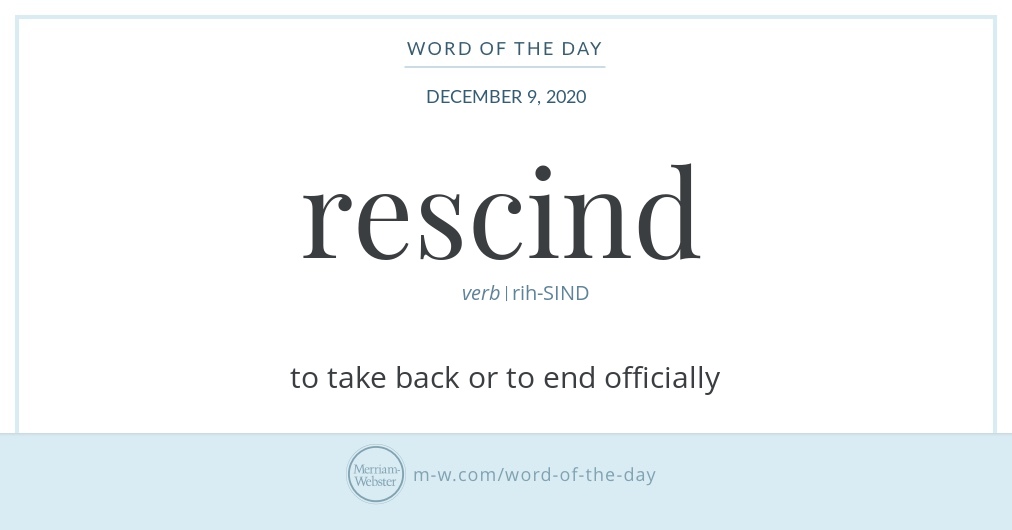
In the world of personal finance, real estate, and professional contracts, the term “rescind” carries significant weight. At its core, to rescind an agreement is to cancel, revoke, or repeal it. However, in a financial context, rescission is much more than a simple cancellation; it is a legal remedy that unwinds a contract, returning all involved parties to the positions they held before the agreement was ever signed.
Understanding what it means to rescind is essential for anyone navigating high-stakes financial environments—from home buyers signing a mortgage to professionals accepting a lucrative job offer. This guide explores the mechanics of rescission, the legal protections afforded to consumers, and the long-term financial implications of reversing a formal commitment.
Understanding the Core Concept of Rescission in Financial Agreements
The concept of rescission serves as a “reset button” for legal and financial obligations. Unlike a standard termination, where a contract ends at a specific point in time but the prior actions remain valid, rescission treats the contract as if it never existed in the first place.
The Legal Definition and Framework
In the financial sector, rescission is the unmaking of a contract between parties. This is typically done to bring the parties back to the “status quo ante,” or the state they were in before entering the agreement. For a rescission to be valid, it usually requires either mutual consent from both parties or a court order based on specific legal grounds. These grounds often include mutual mistakes, fraud, lack of capacity, or a failure of one party to perform their duties.
When a contract is rescinded, all assets, deposits, or properties exchanged during the initial phase of the agreement must be returned. This process is known as restitution. In the eyes of the law, the goal is to ensure that no party benefits from an agreement that was fundamentally flawed or unfairly entered.
Rescission vs. Termination: Key Differences
It is common to confuse “rescinding” a contract with “terminating” one, but the financial consequences are vastly different. When you terminate a contract, you stop fulfilling its terms from that day forward, but you are still bound by the obligations you met while the contract was active. For example, if you cancel a subscription service, you don’t get your previous monthly fees back.
In contrast, when you rescind a contract, the entire history of the agreement is wiped clean. If a loan is rescinded, the lender must return all fees paid by the borrower, and the borrower must return the principal. Because this is a much more drastic measure, the right to rescind is often governed by strict timelines and specific criteria.
The Right of Rescission in Real Estate and Lending
For many individuals, the most significant encounter they will have with the concept of rescission is during a real estate transaction or when securing a loan. The “Right of Rescission” is a powerful consumer protection tool designed to prevent buyers from making impulsive decisions or being coerced into unfavorable lending terms.
Mortgages and Home Equity Lines of Credit (HELOCs)
The Right of Rescission is a central component of the Truth in Lending Act (TILA) in the United States. This right specifically applies to certain types of home-related loans. Most notably, it applies to home equity loans, home equity lines of credit (HELOCs), and refinances of an existing mortgage with a different lender.
Crucially, the right to rescind does not usually apply to a purchase money mortgage—the loan you take out to buy a new home. The logic behind this distinction is that a purchase involves multiple parties (the seller, the buyer, and the lender), and allowing a buyer to rescind after the sale is finalized would create chaos in the housing market. However, for a refinance, where the borrower is simply restructuring their debt, the law allows a “cooling-off” period.
The Truth in Lending Act (TILA) and Your “Three-Day Window”
Under TILA, consumers have a three-day right of rescission. This window begins once three specific events have occurred:
- The contract is signed.
- The consumer receives the “Truth in Lending” disclosure (which outlines the APR, finance charges, amount financed, and total of payments).
- The consumer receives two copies of a notice explaining their right to rescind.
The three-day period does not include Sundays or federal holidays. During this time, the lender is prohibited from disbursing the loan funds or performing any services. If the borrower chooses to rescind, they must do so in writing before the midnight of the third business day. If the lender fails to provide the proper disclosures or the notice of the right to rescind, the window to rescind can actually be extended for up to three years.
How to Exercise Your Right to Rescind
To rescind a financial agreement within the legal window, the borrower must provide a written notice to the creditor. It is not enough to simply make a phone call or leave a voicemail. The notice must be documented, and it is highly recommended to send it via certified mail to ensure there is a record of the date it was sent. Once the rescission notice is received, the lender has 20 days to return any money or property given and to take the necessary steps to terminate their security interest in the property.
Rescinding Professional Agreements: Job Offers and Business Contracts

While rescission is a formal legal term in lending, it has become a common part of the “Money” conversation in the context of employment and business partnerships. In a volatile economy, the phrase “rescinding a job offer” has become an unfortunate reality for many professionals.
When a Company Rescinds a Job Offer
A rescinded job offer occurs when an employer withdraws an offer of employment after the candidate has already accepted it but before they have started working. This can happen due to budget cuts, restructuring, or a change in business strategy.
From a financial perspective, this can be devastating. Many candidates have already resigned from their previous positions, signed leases in new cities, or turned down other offers. While most employment in the U.S. is “at-will,” meaning either party can end the relationship at any time, some candidates may have grounds for legal action under “promissory estoppel” if they suffered significant financial loss because they relied on the promise of the job.
Impact on Personal Financial Planning and Side Hustles
When a primary income source is rescinded, it forces an immediate pivot in financial strategy. This is where the importance of an emergency fund and diversified income (such as side hustles or freelance work) becomes apparent.
Rescission in the business world can also apply to vendor contracts or service agreements. For example, if a small business owner signs a contract for a new digital marketing suite but discovers the company misrepresented its capabilities, they may seek to rescind the contract to recoup their initial investment and avoid long-term debt.
Mitigating Financial Loss After a Rescinded Agreement
To protect your finances, always ensure that any high-value agreement includes a “termination for convenience” or “rescission” clause that outlines the penalties or lack thereof for canceling. If you are a freelancer or business owner, requiring a non-refundable deposit can protect you if a client attempts to rescind a contract after you have already committed time and resources to the project.
The Financial Consequences of Rescinding an Investment or Trade
In the fast-paced world of stock trading and investing, rescission is a rare but vital mechanism used to correct errors or address regulatory violations.
Correcting Errors in Brokerage Accounts
Occasionally, a trade might be executed in error—perhaps due to a technical glitch or an “obvious error” in pricing. In such cases, a brokerage or an exchange may move to rescind the trades. This is often referred to as a “trade bust.” While this can be frustrating for the investor who thought they made a profit, it is a necessary function to maintain market integrity and ensure that financial gains are based on fair market value rather than systemic malfunctions.
The Role of Regulatory Bodies in Transaction Reversal
Regulatory bodies like the SEC (Securities and Exchange Commission) or FINRA (Financial Industry Regulatory Authority) have the power to seek rescission as a remedy for investors who have been victims of fraud. If a company sells securities based on false information, the SEC may order the company to rescind the offering and return all capital to the investors. This is a crucial layer of protection in personal finance, ensuring that the “buyer beware” mentality doesn’t allow for outright criminal deception.
Strategic Considerations for Individuals and Small Businesses
Navigating the complexities of rescission requires a proactive approach to financial literacy and contract management. Whether you are dealing with a bank, an employer, or a business partner, knowing how to protect your interests is paramount.
Protecting Your Assets Through Clear Clauses
The best way to handle rescission is to prepare for it before the contract is even signed.
- Review Disclosure Documents: In lending, never skim the Truth in Lending disclosures. They contain the roadmap for how you can back out if the numbers don’t add up.
- Negotiate Contingencies: In real estate, ensure your contract has contingencies that allow you to rescind the offer if the home inspection fails or if your financing falls through.
- Define “Rescission Period”: In private business contracts, explicitly define the window during which either party can rescind the agreement without penalty.

Seeking Legal Counsel in Financial Disputes
Because rescission involves “unwinding” a legal commitment, the stakes are high. If you find yourself in a position where you need to rescind a major contract—or if a party has rescinded an agreement with you—it is often worth the investment to consult with a financial attorney. They can help determine if the legal criteria for rescission have been met and ensure that you receive full restitution of your assets.
In conclusion, “rescind” is a term that signifies a total reversal of a financial commitment. Whether it is a homeowner utilizing their three-day window to rethink a refinance, or a regulatory body forcing a fraudulent firm to return investor funds, rescission serves as a vital safeguard. By understanding your right to rescind, you can navigate the financial landscape with greater confidence, knowing that the law provides a path to correct mistakes and protect your economic well-being.
aViewFromTheCave is a participant in the Amazon Services LLC Associates Program, an affiliate advertising program designed to provide a means for sites to earn advertising fees by advertising and linking to Amazon.com. Amazon, the Amazon logo, AmazonSupply, and the AmazonSupply logo are trademarks of Amazon.com, Inc. or its affiliates. As an Amazon Associate we earn affiliate commissions from qualifying purchases.