
In the vast and interconnected landscape of modern business, where digital innovation meets fierce market competition, understanding the nuances of intellectual property is paramount. Among the various symbols that grace products, advertisements, and digital interfaces, one stands out with profound legal and commercial significance: the “R in a circle” symbol (®). Far from being a mere decorative mark, this unassuming glyph signifies a powerful legal status, acting as a beacon of ownership, trust, and brand protection in an increasingly crowded marketplace. For anyone navigating the complexities of technology, brand strategy, or financial management, grasping the full implications of the ® symbol is not just beneficial—it’s essential for safeguarding assets, fostering growth, and maintaining a competitive edge.

This article delves into the multifaceted meaning of the ® symbol, exploring its legal foundations, its critical role in building and protecting brand identity, its specific relevance in the fast-paced tech world, and its direct impact on a company’s financial health and valuation. We will uncover why this small circle holds such immense power, offering insights for entrepreneurs, marketers, tech innovators, and investors alike.
The Core Meaning and Legal Foundations of ®: A Mark of Registered Ownership
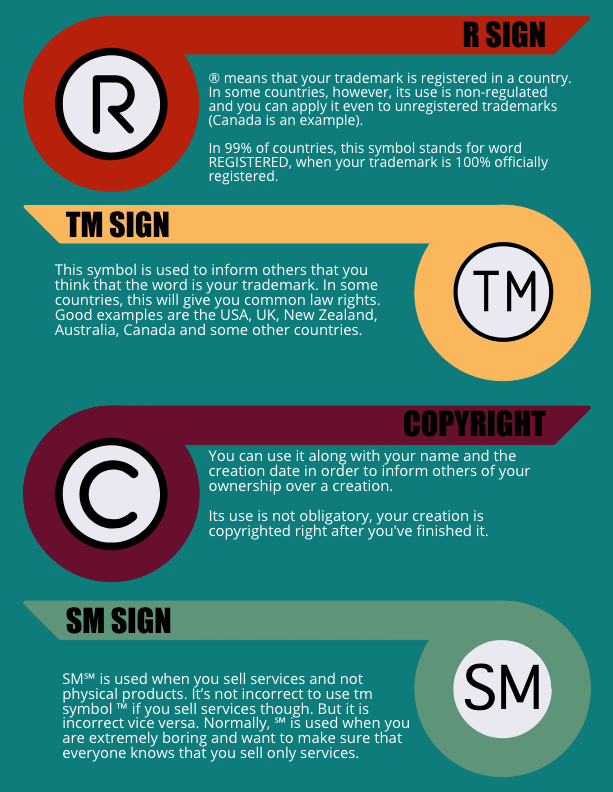
At its most fundamental level, the “R in a circle” symbol, or ®, stands for “Registered Trademark.” This designation is not awarded lightly; it signifies that a specific word, phrase, logo, design, or even a sound or smell, which identifies and distinguishes the source of goods or services, has been officially registered with a national intellectual property office, such as the United States Patent and Trademark Office (USPTO). Unlike its counterpart, the ™ symbol (for unregistered trademarks) or the ℠ symbol (for unregistered service marks), the ® symbol carries the weight of legal endorsement, granting its owner exclusive rights and robust protections.
Differentiating ® from ™: Understanding the Legal Distinctions
The distinction between ™ and ® is crucial for any business owner. The ™ symbol can be used by anyone claiming rights to a mark, even if it hasn’t been officially registered. It serves as a public notice that you are asserting ownership over a particular mark for your goods. While common law rights can develop from consistent use of a ™ mark, these rights are generally limited geographically to where the mark is actually used and can be difficult to enforce without formal registration.
In contrast, the ® symbol can only be used once a trademark has successfully completed the rigorous registration process and has been officially approved by the relevant government body. This process typically involves a thorough examination to ensure the mark is distinctive and does not infringe upon existing registered trademarks. Once registered, the ® symbol broadcasts to the world that the owner possesses federal (or national) rights to that mark, providing a much broader and stronger scope of protection. This distinction is vital for businesses in the digital age, where global reach is often the norm, and protecting brand names across borders becomes increasingly complex.
The Legal Protections Afforded by Registration
The act of registering a trademark and subsequently using the ® symbol confers several powerful legal advantages. Foremost among these is the presumption of ownership. If someone infringes upon your registered trademark, you have clear legal standing, and the burden of proof often shifts to the infringer. This dramatically simplifies legal proceedings and strengthens your position in disputes.
Furthermore, registration provides nationwide (or country-wide) exclusive rights to use the mark in connection with the goods and services for which it is registered. This means that even if you haven’t physically operated in every state or region, your rights extend across the entire jurisdiction. This broad protection is invaluable for scaling businesses, especially those leveraging digital platforms and e-commerce to reach a wide audience. For tech companies launching new software, apps, or AI tools, this national protection ensures that their innovative names are protected from day one, preventing competitors from cashing in on their brand’s hard-earned reputation. It also allows for remedies such as injunctions against infringers, recovery of damages, and even potential seizure of infringing goods, offering a robust shield against unauthorized use and counterfeiting.
International Considerations: Beyond National Borders
While national registration grants significant protection within a country’s borders, the global nature of business today demands a broader perspective. The ® symbol derived from, say, a USPTO registration, only applies within the United States. For businesses operating internationally, or those with global aspirations (common among tech startups and e-commerce brands), separate registrations are typically required in each country where protection is sought.
However, international agreements like the Madrid Protocol streamline this process, allowing trademark owners to file a single application to seek protection in multiple member countries. Understanding these international frameworks is critical for businesses looking to expand their brand reach, especially in markets where their software, apps, or services might be downloaded or purchased by a global user base. Ignoring international trademark protection can lead to costly disputes and even prevent market entry in key regions, underscoring the universal importance of the ® symbol in safeguarding a brand’s identity worldwide.
The “Brand” Aspect: Building and Protecting Your Identity with ®
In an era where brand identity can be as valuable as physical assets, the ® symbol plays a pivotal role in brand strategy, corporate identity, and reputation management. It’s more than a legal marker; it’s a statement of authenticity, quality, and established presence in the market. A strong brand resonates with customers, builds loyalty, and creates a distinct identity that sets a business apart.
Why Brand Identity Matters in the Digital Age
The digital age has amplified the importance of brand identity to unprecedented levels. With consumers bombarded by countless apps, services, and online businesses, a clear, memorable, and trustworthy brand is essential for cutting through the noise. Social media, online reviews, and viral content mean that a brand’s reputation can be built or damaged in moments. Consistent branding, from logos and color schemes to messaging and user experience, creates a cohesive narrative that fosters trust and recognition. For personal brands, influencers, and corporate entities alike, establishing a unique identity is the first step toward building a sustainable presence and attracting a loyal following. The ® symbol acts as a visual shorthand for this established identity, signaling to consumers that this brand is legitimate, recognized, and has invested in its own protection.
Strategic Use of the ® Symbol in Branding and Marketing
The strategic deployment of the ® symbol in branding and marketing materials reinforces a company’s commitment to its brand and enhances its perceived credibility. When consumers see the ® next to a brand name or logo, it instills a sense of confidence, suggesting that the company is serious about its business, protects its assets, and delivers consistent quality. This can be a significant differentiator, especially in competitive markets dominated by numerous startups or “copycat” products.
In marketing, highlighting the registered status of a brand can be used as a persuasive tool, subtly communicating reliability and trustworthiness. For example, a software company might prominently display the ® next to its product name on its website, within the app itself, and in all promotional materials. This not only informs competitors of the mark’s protected status but also assures users that they are engaging with an officially recognized and reputable entity. Incorporating the ® symbol into brand guidelines ensures consistent application across all touchpoints, from digital ads and app store listings to physical packaging and corporate letterheads, thereby strengthening the overall corporate identity.
Avoiding Infringement and Protecting Brand Equity
One of the primary strategic benefits of the ® symbol is its deterrent effect against infringement. By clearly marking a brand as registered, businesses send a strong message to potential infringers that unauthorized use will not be tolerated and will likely result in legal action. This proactive approach can save significant legal costs and reputation damage in the long run.
Moreover, the ® symbol is integral to protecting brand equity – the commercial value derived from consumer perception of the brand name of a particular product or service, rather than from the product or service itself. A strong, recognized, and legally protected brand name can command higher prices, increase market share, and facilitate easier entry into new markets. Conversely, brand infringement, such as counterfeit products or unauthorized use of a logo, can dilute brand equity, confuse consumers, and erode trust. Regular monitoring for infringement and swift legal action, backed by the strength of a registered trademark, are crucial for maintaining the integrity and value of a brand’s reputation and its financial standing in the market.
The “Tech” Connection: Safeguarding Digital Innovations
The technology sector, characterized by rapid innovation, agile development, and a global reach, presents unique challenges and opportunities for trademark protection. From the names of software applications to the branding of AI tools and gadgets, the “R in a circle” symbol is a vital asset for tech companies seeking to establish and protect their digital footprint.
Trademarks in Software, Apps, and Digital Products
In the crowded digital marketplace, the name of a software product, an app, or a digital service is often its first and most memorable point of contact with users. A distinctive and protected name is crucial for discoverability, user adoption, and long-term brand building. Imagine an app with a unique name like “AetherFlow” – if this name isn’t trademarked, a competitor could launch a similarly named app, causing confusion, diverting users, and diluting the original brand’s recognition.
The ® symbol ensures that the names of innovative software platforms, unique app titles, or even specific feature names within a product are legally protected. This extends to various digital assets, including the graphical user interfaces (GUIs) if they are sufficiently distinctive, and even certain sound logos that might characterize an app’s interaction. For developers and tech entrepreneurs, registering their key brand elements early in the development cycle is a strategic move that secures their investment in branding and marketing, providing a solid foundation for their product’s journey from concept to market leader.
AI Tools and the Naming Challenge
The burgeoning field of Artificial Intelligence introduces new complexities to branding and trademarking. As AI tools become more sophisticated and prevalent, their names, often reflecting their unique capabilities or creators, become critical identifiers. Consider the rapid proliferation of AI language models, image generators, and automation tools; each needs a distinct identity to stand out.
The naming challenge for AI tools is significant. Names must be memorable, convey purpose, and, crucially, be available for trademark registration. A strong, registered trademark (®) for an AI tool’s name not only protects its identity but also communicates the company’s commitment to innovation and its distinct offering in a highly competitive space. It differentiates a proprietary AI solution from generic open-source models or similar offerings, helping to build a reputation for quality and cutting-edge technology. This protection is vital for establishing market leadership and ensuring that intellectual property investments in AI development are safeguarded against imitation.
Digital Security and Brand Reputation in the Tech Space
Beyond the immediate protection of names, the ® symbol indirectly contributes to digital security and reinforces brand reputation in the tech domain. A registered trademark helps consumers identify authentic software and apps, reducing the likelihood of falling victim to phishing schemes, counterfeit apps, or malicious software that impersonates legitimate products. When users see the ® symbol, they are more likely to trust that they are downloading or interacting with the genuine article, thereby enhancing their digital security.
Furthermore, a strong, legally protected brand helps secure a company’s online presence. It provides grounds to challenge unauthorized domain name registrations (cybersquatting), social media handles, or app store listings that mimic a brand, which can be critical for maintaining control over the brand narrative and preventing reputational damage. In an era where data breaches and cyber threats are constant concerns, a robust brand identity, fortified by trademark registration, becomes a cornerstone of trust and reliability, assuring users that they are engaging with a legitimate and secure technological entity.
The “Money” Implications: Valuing and Monetizing Intellectual Property
The “R in a circle” symbol is not merely a legal or branding tool; it possesses tangible financial value, impacting everything from business valuation and investment opportunities to potential revenue streams and personal financial growth. For entrepreneurs, investors, and financial strategists, understanding trademarks as valuable assets is paramount.
Trademarks as Valuable Business Assets
A registered trademark is a powerful intangible asset that can be listed on a company’s balance sheet, contributing significantly to its overall value. Unlike physical assets that depreciate over time, a strong trademark can appreciate in value as the brand grows in recognition and reputation. For startups seeking venture capital or established businesses preparing for mergers and acquisitions, a portfolio of registered trademarks signals robust intellectual property protection, reducing risk for investors and increasing the company’s attractiveness.
This asset can be leveraged in various ways: it can be used as collateral for loans, enhancing a company’s borrowing capacity. It provides a long-term competitive advantage, as competitors cannot legally use the same or confusingly similar marks, allowing the trademark holder to capture and retain market share. The enduring nature of trademark protection, renewable indefinitely as long as the mark is in use, ensures a continuous stream of value for the business, making it a cornerstone of long-term financial strategy.
Impact on Investing and Business Valuation
For investors, the presence of registered trademarks in a company’s portfolio is a critical indicator of its stability, foresight, and market position. Businesses with strong, protected brands are often perceived as less risky and more likely to achieve sustainable growth. During due diligence processes, intellectual property audits, which confirm the existence and scope of trademark registrations, are standard. A company with a well-managed trademark portfolio often commands a higher valuation because its brand equity is legally defensible and provides a moat against competition.
Conversely, a lack of trademark protection can be a red flag for investors, signaling potential future legal battles, brand dilution, and an inability to adequately protect valuable brand assets. For individuals considering investing in tech startups, e-commerce ventures, or any business heavily reliant on its brand name, verifying the registered status of their key trademarks is a prudent financial practice, directly influencing the perceived value and future prospects of their investment.
Leveraging Trademarks for Online Income and Side Hustles
The power of a registered trademark isn’t confined to large corporations; it offers significant opportunities for individuals and small businesses pursuing online income and side hustles. For instance, an e-commerce entrepreneur selling unique products under a distinctive brand name can protect that name with a registered trademark. This allows them to build a recognizable brand, prevent others from copying their brand identity, and secure their position in marketplaces like Amazon or Etsy.
Similarly, content creators, personal brands, and online educators can register their unique monikers, course names, or catchphrases. This not only protects their personal branding efforts but also creates avenues for monetization through licensing, merchandising, or franchising. Imagine a successful online coach with a registered trademark for their unique coaching methodology or program name; this protection allows them to license their method to other coaches, generating passive income. For those venturing into digital products, software-as-a-service (SaaS) side hustles, or niche apps, a registered trademark provides the legal framework to build a valuable, defensible asset that can generate consistent revenue and grow into a substantial income stream.
Practical Steps for Businesses and Entrepreneurs: Securing Your ® Symbol
Understanding the “R in a circle” symbol’s meaning and value is the first step; the next is to actively pursue its protection. For businesses and entrepreneurs, integrating trademark strategy into their planning is a critical element of digital security, productivity, and long-term success.
The Trademark Registration Process Simplified
The journey to obtaining the ® symbol typically involves several key stages:
- Trademark Search: Before applying, conduct a thorough search to ensure your chosen mark isn’t already in use or confusingly similar to an existing registered mark. This due diligence is crucial to avoid rejection and potential infringement claims.
- Application Filing: Submit an application to the relevant intellectual property office (e.g., USPTO in the US). This application details the mark itself, the goods and services it will cover, and the applicant’s details.
- Examination: An examining attorney reviews the application, checking for compliance with legal requirements, distinctiveness, and potential conflicts with existing marks.
- Publication: If the application passes examination, the mark is published in an official gazette, allowing third parties to oppose the registration if they believe they have prior rights.
- Registration: If there are no oppositions, or if oppositions are successfully overcome, the mark proceeds to registration, and you receive a certificate. Only then can you legally use the ® symbol.
While this process can be complex, understanding these steps helps businesses plan effectively and allocate resources appropriately.
Common Misconceptions and Best Practices
One common misconception is that simply incorporating a company name or registering a domain name automatically grants trademark rights. This is incorrect; these actions do not confer federal trademark protection. Another error is assuming that a ™ symbol provides the same protection as an ®, which, as discussed, is not true.
Best practices include:
- Early Consideration: Think about trademark protection from the very inception of your brand, product, or service name.
- Comprehensive Search: Invest in professional trademark search services to minimize risks.
- Consistent Use: Use your mark consistently as registered across all platforms and materials.
- Proper Mark Use: Always use the ® symbol correctly, only after registration.
- Monitoring and Enforcement: Continuously monitor for potential infringements and be prepared to enforce your rights.
These practices contribute to long-term brand health and avoid costly legal battles, enhancing overall business productivity by minimizing distractions.

When to Seek Professional Legal Advice
While the general concepts of trademark law can be grasped by entrepreneurs, the specifics of the registration process, legal nuances, and enforcement strategies are best handled by experienced intellectual property attorneys. Seeking professional legal advice is highly recommended when:
- Conducting comprehensive searches: Attorneys can perform more in-depth searches and interpret results accurately.
- Filing the application: They can ensure the application is correctly classified, described, and adheres to all legal requirements, minimizing the chance of rejection.
- Responding to office actions: If the examining attorney raises issues, an attorney can formulate the best response.
- Dealing with oppositions or disputes: Legal counsel is indispensable in defending against opposition proceedings or initiating infringement actions.
- Navigating international protection: Lawyers specializing in international IP can guide businesses through the complexities of global trademark strategies.
Investing in legal expertise for trademark matters is a strategic business decision that provides peace of mind and robust protection for your most valuable brand assets, acting as a form of digital security for your business identity.
In conclusion, the “R in a circle” symbol (®) transcends its humble appearance to become a cornerstone of modern business strategy. It is a potent legal instrument that protects intellectual property, a powerful branding tool that builds trust and recognition, and a significant financial asset that enhances business value. In a world driven by technology, where brand identity and financial acumen are paramount, understanding and strategically utilizing the ® symbol is not just about compliance—it’s about empowering innovation, securing investments, and building a resilient and prosperous future for your enterprise.
aViewFromTheCave is a participant in the Amazon Services LLC Associates Program, an affiliate advertising program designed to provide a means for sites to earn advertising fees by advertising and linking to Amazon.com. Amazon, the Amazon logo, AmazonSupply, and the AmazonSupply logo are trademarks of Amazon.com, Inc. or its affiliates. As an Amazon Associate we earn affiliate commissions from qualifying purchases.