
In today’s increasingly digital world, the acronym “OTP” has become a ubiquitous presence in our daily online interactions. From logging into your bank account to verifying a new social media profile, the arrival of a six-digit code via text message is a common occurrence. But what exactly does OTP stand for, and why is it so crucial for our digital security? This article delves into the technological underpinnings of One-Time Passwords, exploring their role in authentication, the various methods of their delivery, and the inherent security measures they provide in an ever-evolving landscape of cyber threats.

The Core Functionality of One-Time Passwords (OTPs)
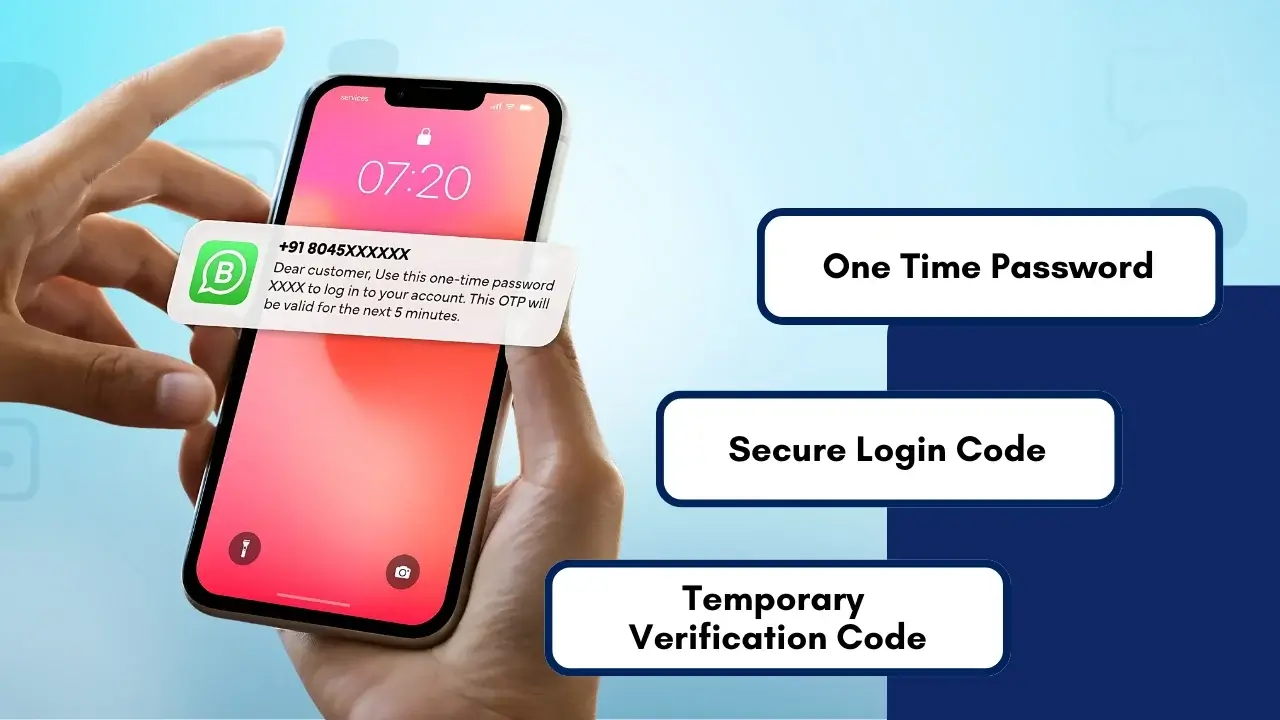
At its heart, an OTP is a security feature designed to enhance the authentication process for online accounts and transactions. Unlike traditional passwords that remain static and are therefore vulnerable to compromise through data breaches or phishing attacks, OTPs are dynamic. They are generated for a single use or a very limited time frame, significantly reducing the risk associated with their interception. This ephemeral nature is the key to their effectiveness.
The Principle of Multi-Factor Authentication (MFA)
OTP falls under the umbrella of Multi-Factor Authentication (MFA), also known as Two-Factor Authentication (2FA) when specifically referring to two factors. MFA is a security system that requires more than one method of authentication from independent categories of credentials to verify a user’s identity. This layered approach is far more secure than relying on a single password. The typical categories of authentication factors are:
- Something you know: This includes passwords, PINs, or security questions.
- Something you have: This refers to a physical object, such as a smartphone (to receive an OTP), a hardware security key, or a smart card.
- Something you are: This encompasses biometric data like fingerprints, facial recognition, or iris scans.
When you log into an account with a password and then receive an OTP on your phone, you are engaging in a two-factor authentication process. The password is “something you know,” and the code delivered to your phone is “something you have.” Even if a malicious actor obtains your password, they would still need physical access to your device or the ability to intercept your text messages to gain entry, making unauthorized access considerably more difficult.
The Mechanism of OTP Generation and Verification
The generation of OTPs is a sophisticated process that relies on secure algorithms. When an authentication request is initiated, the server-side system generates a unique, time-sensitive code. This code is then transmitted to the user through a pre-determined channel, most commonly SMS (Short Message Service) text messaging.
The verification process is equally critical. Upon receiving the OTP, the user inputs it into the designated field on the application or website. The server then compares the entered OTP with the one it generated. If the codes match and the OTP is still within its valid time frame, the authentication is successful, and access is granted. If the OTP is incorrect or has expired, access is denied. This rapid verification cycle ensures that even if an OTP is intercepted, its window of usability is so narrow that it’s practically useless to an attacker.
Delivery Channels for One-Time Passwords
While SMS remains the most prevalent method for delivering OTPs, technology has diversified the options to cater to different user preferences and enhance security further. Each delivery channel possesses its own strengths and weaknesses.
SMS-Based OTPs: The Ubiquitous Choice
SMS is the backbone of OTP delivery for many services due to its widespread availability and familiarity among users. Almost every mobile phone can receive text messages, making it an accessible authentication method for a broad user base.
Advantages of SMS OTPs:
- High Accessibility: Nearly all mobile users can receive SMS messages without needing to install additional applications.
- Simplicity: The process is straightforward for users – receive a text, read the code, and enter it.
- Low Barrier to Entry: Service providers often find it easy to integrate SMS gateways into their authentication systems.
Challenges and Risks of SMS OTPs:
- SIM Swapping Attacks: This is a significant vulnerability where attackers trick mobile carriers into transferring a victim’s phone number to a SIM card they control. This allows them to intercept SMS messages, including OTPs.
- SMS Interception: While less common, sophisticated attackers can potentially intercept SMS messages, especially on compromised networks.
- Delivery Delays: Network congestion or carrier issues can sometimes lead to delayed delivery of OTPs, causing user frustration and potentially impacting transaction completion.
- Cost for Service Providers: Sending a high volume of SMS messages can incur costs for businesses.
Authenticator Apps: A More Secure Alternative
Authenticator apps, such as Google Authenticator, Authy, and Microsoft Authenticator, offer a more robust and often more secure method for generating OTPs. These apps use a time-based one-time password (TOTP) algorithm, which is a standardized method for generating time-synchronised one-time passwords.

How Authenticator Apps Work:
- Initial Setup: During the setup process for a service that supports authenticator apps, you’ll typically scan a QR code or enter a secret key provided by the service into your chosen authenticator app. This establishes a shared secret between the app and the service’s authentication server.
- Code Generation: The app then uses this shared secret, along with the current time, to generate a new OTP every 30 or 60 seconds. The server independently performs the same calculation, ensuring that both parties can generate the same valid code at any given moment.
- Verification: When you need to authenticate, you open your authenticator app, retrieve the current code for that specific service, and enter it into the application or website.
Advantages of Authenticator Apps:
- Enhanced Security: They are less susceptible to SIM swapping attacks because the OTPs are generated locally on your device and are not transmitted over the mobile network.
- Offline Functionality: OTPs can be generated even when your device has no cellular signal or internet connection, as long as the device’s clock is accurate.
- No Per-Message Costs: Once the app is installed, there are no recurring costs for sending OTPs, which can be more economical for businesses.
- Centralized Management: Many apps allow you to manage OTPs for multiple services in one place.
Considerations for Authenticator Apps:
- Device Dependency: If you lose your device or it’s stolen, you will need to go through a recovery process to re-establish your authentication. Cloud backup options offered by some apps (like Authy) can mitigate this risk.
- User Adoption: Requires users to download and configure an additional app, which might be a hurdle for some.
Other Delivery Methods: Expanding the Horizon
Beyond SMS and authenticator apps, other methods are emerging and being adopted for OTP delivery, offering additional layers of security and convenience.
- Email OTPs: Similar to SMS, OTPs can be sent to a user’s registered email address. This is often used as a secondary verification method or for less sensitive transactions. However, email accounts are also vulnerable to compromise, making this method generally less secure than authenticator apps.
- In-App OTPs: Some applications generate OTPs directly within the app itself, often as part of a push notification. This is common for banking apps or digital wallets where the user is already logged into the application context.
- Voice Calls (Voice OTPs): For users who may have difficulty reading text messages, some services offer OTPs delivered via an automated voice call to their registered phone number.
- Hardware Security Keys: While not strictly an OTP in the traditional sense of being a code, hardware security keys (like YubiKey) represent a more advanced form of “something you have” authentication. They generate cryptographic codes when plugged into a device or activated wirelessly, offering a very high level of security.
The Evolution of OTPs and Their Role in Digital Security
The concept of OTPs has been a cornerstone in the ongoing battle against online fraud and unauthorized access. As technology advances, so too do the methods of cyberattacks, necessitating a constant evolution in our security protocols. OTPs, in their various forms, have adapted to this challenge, providing a crucial layer of defense.
Securing Online Transactions and Accounts
The primary function of OTPs is to secure access to sensitive information and financial transactions. When you perform an online purchase, transfer funds, or log into a banking portal, an OTP serves as a vital confirmation step. It verifies that the person initiating the action is indeed the legitimate owner of the account and has possession of the registered device. This significantly deters fraudsters who might have obtained your login credentials through various means.
For example, if a hacker manages to steal your bank account password, they cannot proceed with a fund transfer without the OTP sent to your registered mobile number or authenticator app. This simple yet powerful mechanism acts as a critical bottleneck for cybercriminals.
Combating Common Cyber Threats
OTPs play a vital role in mitigating several common cyber threats:
- Phishing: While phishing attacks aim to trick users into revealing their passwords, an OTP offers a second line of defense. Even if a user falls victim to a phishing scam and provides their password, the attacker still needs the OTP to complete the authentication.
- Credential Stuffing: This attack involves using lists of compromised usernames and passwords from previous data breaches to try and log into other services. OTPs make credential stuffing attacks significantly less effective, as possession of the password alone is insufficient.
- Account Takeover (ATO): OTPs are a primary defense against account takeover. By requiring a second factor, they prevent attackers from easily hijacking user accounts, even if they have managed to acquire some of the user’s login information.
Future Trends and Enhancements in OTP Security
The landscape of digital security is dynamic, and so is the evolution of OTP technology. As threats become more sophisticated, so do the countermeasures.
- Biometric Integration: The future will likely see a deeper integration of biometric data with OTP systems. For instance, a user might authenticate with a password, then be prompted to provide a fingerprint or facial scan on their device to authorize the OTP generation or delivery. This combines “something you know” (password), “something you have” (device), and “something you are” (biometrics) for an even stronger authentication.
- FIDO Alliance and Passwordless Authentication: Organizations like the FIDO Alliance are championing passwordless authentication solutions. These often leverage hardware security keys and device-bound credentials, effectively eliminating the need for traditional passwords and OTPs delivered via SMS. While still evolving, this trend points towards a future where OTPs might become less manual and more seamlessly integrated.
- AI and Behavioral Analysis: Artificial intelligence is increasingly being used to analyze user behavior patterns. In the future, OTPs might be supplemented or even replaced by dynamic risk-based authentication, where the system assesses the risk of a login attempt based on factors like location, device, time of day, and typical user behavior. If the risk is deemed low, authentication might proceed without an OTP. Conversely, if unusual activity is detected, a more stringent OTP verification might be triggered.
- Enhanced Encryption and Secure Communication Channels: Ongoing research focuses on developing more secure communication protocols for delivering OTPs, reducing the susceptibility to interception even on compromised networks.
In conclusion, the acronym OTP, standing for One-Time Password, represents a critical technological advancement in securing our digital lives. From its fundamental role in multi-factor authentication to its various delivery methods and continuous evolution, OTPs are an indispensable tool in the ongoing effort to protect user identities and sensitive data in an increasingly interconnected world. As we move forward, the integration of OTPs with emerging technologies will undoubtedly continue to strengthen our defenses against the ever-present threat of cybercrime.
aViewFromTheCave is a participant in the Amazon Services LLC Associates Program, an affiliate advertising program designed to provide a means for sites to earn advertising fees by advertising and linking to Amazon.com. Amazon, the Amazon logo, AmazonSupply, and the AmazonSupply logo are trademarks of Amazon.com, Inc. or its affiliates. As an Amazon Associate we earn affiliate commissions from qualifying purchases.