
In the vast and interconnected world of materials science, engineering, and manufacturing, certain terms become foundational building blocks for understanding complex processes and products. “Non-ferrous” is one such term, often encountered when discussing metals and their applications. While its literal meaning is straightforward – metals that do not contain iron – the implications of this distinction ripple through technology, industry, and even our daily lives in ways far more profound than one might initially assume.
The website’s core themes of Tech, Brand, and Money offer a unique lens through which to explore the significance of non-ferrous materials. From the cutting-edge gadgets and AI tools powered by their unique properties to the branding strategies that leverage their aesthetic appeal and the financial markets that depend on their supply and demand, understanding “non-ferrous” unlocks a deeper appreciation for the world around us.
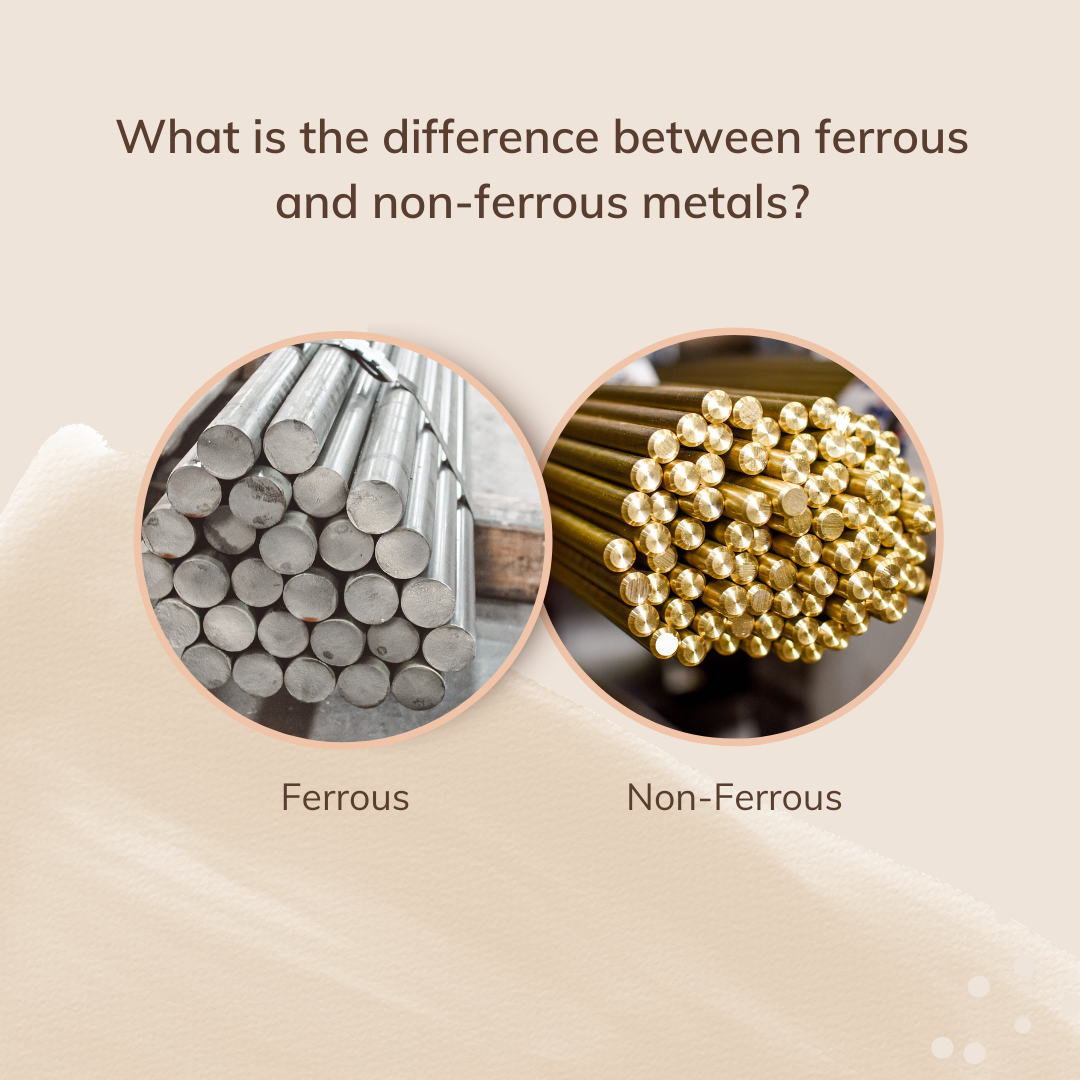
The Fundamental Distinction: Iron vs. No Iron
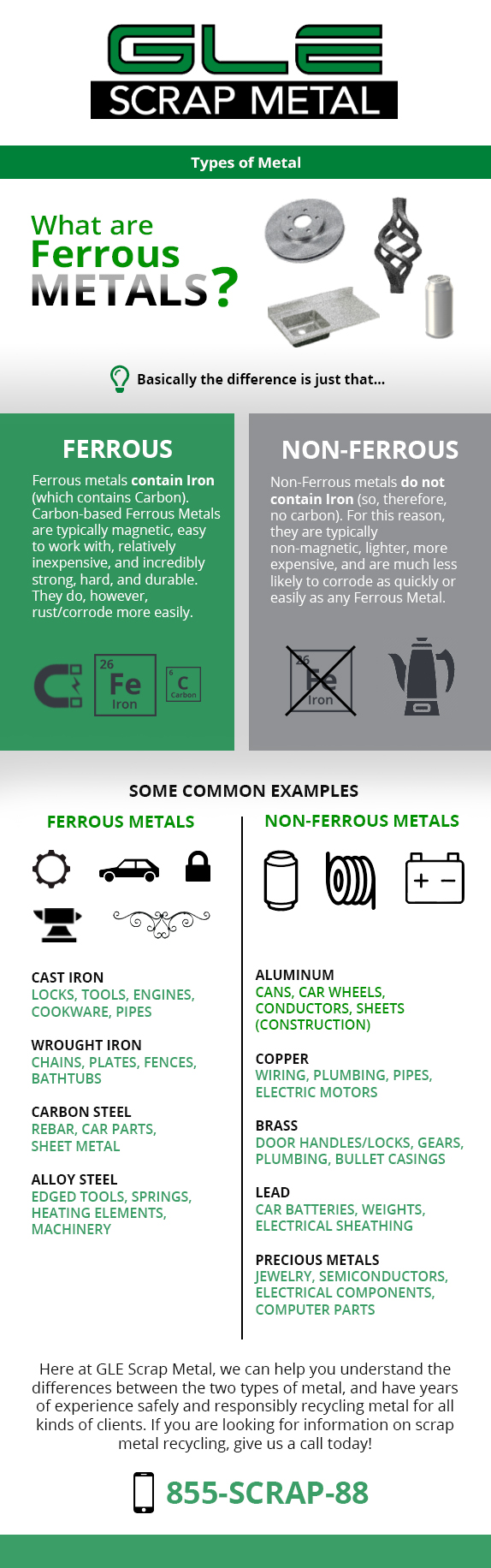
At its most basic, the definition of ferrous metals is simple: they are alloys that contain iron. This includes common metals like steel and cast iron, which are ubiquitous in construction, automotive manufacturing, and heavy machinery due to their strength, durability, and relatively low cost.
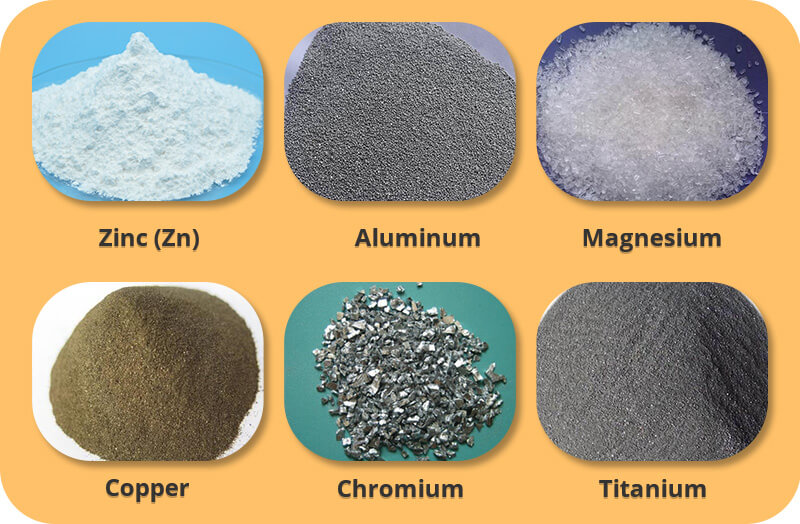
Non-ferrous metals, on the other hand, are any metals that do not contain iron. This broad category encompasses a diverse array of elements and their alloys, each possessing distinct characteristics that make them indispensable for specific applications. Think of aluminum, copper, zinc, nickel, tin, lead, and precious metals like gold and silver.
This seemingly simple absence of iron leads to a cascade of differing properties:
- Corrosion Resistance: Many non-ferrous metals, particularly aluminum and copper, exhibit excellent resistance to rust and other forms of corrosion, making them ideal for outdoor use, marine environments, and applications where longevity is critical. Ferrous metals, prone to rusting, often require protective coatings or treatments.
- Lightweight Properties: Aluminum, in particular, is significantly lighter than iron and steel, making it a game-changer in industries where weight reduction is paramount, such as aerospace and automotive manufacturing.
- Electrical and Thermal Conductivity: Copper and aluminum are exceptional conductors of electricity and heat. This makes them the backbone of our electrical grids, electronics, and many thermal management systems.
- Ductility and Malleability: Many non-ferrous metals are highly ductile (can be drawn into wires) and malleable (can be hammered or rolled into thin sheets), allowing for intricate designs and complex manufacturing processes.
- Non-Magnetic Properties: A significant characteristic of most non-ferrous metals is their lack of magnetic attraction. This is crucial in sensitive electronic equipment and applications where magnetic interference must be avoided.
- Aesthetics and Biocompatibility: Precious metals like gold and silver are prized for their luster and inertness, making them ideal for jewelry and certain medical applications. Other non-ferrous metals like copper and brass have unique aesthetic qualities valued in design and architecture. Furthermore, metals like titanium are highly biocompatible, used extensively in medical implants.
Non-Ferrous Metals in the Realm of Tech
The Tech landscape is fundamentally shaped by the unique properties of non-ferrous metals. From the smartphones in our pockets to the colossal servers powering the internet, these materials are the silent workhorses of innovation.
The Ubiquitous Aluminum: Lightweight Powerhouse
When we think of “non-ferrous” in a tech context, aluminum often comes to mind first. Its low density and excellent strength-to-weight ratio make it the material of choice for the casings of laptops, tablets, and smartphones. This not only makes devices lighter and more portable but also contributes to their premium feel and aesthetic appeal. Beyond casings, aluminum is also used in heat sinks for processors, efficiently dissipating the heat generated by powerful components, a critical aspect of maintaining performance and longevity in electronic devices.
Copper: The Unrivaled Electrical Conductor
The electrical conductivity of copper is unparalleled among common metals, making it indispensable for any technology that relies on the flow of electricity.
- Wiring and Circuitry: From the microscopic traces on printed circuit boards (PCBs) to the thicker cables that power our homes and data centers, copper is the undisputed champion. Its ability to carry electrical current efficiently with minimal energy loss is fundamental to the functioning of all electronic devices.
- Connectors and Contacts: The reliable connectivity of electronic components often relies on copper or copper alloys in their connectors and contact points. This ensures robust signal transmission and power delivery.
- Motors and Transformers: The coils within electric motors and transformers are almost exclusively made of copper wire due to its exceptional conductivity and ability to generate and respond to magnetic fields (though iron is a key component in the core of transformers, the winding is copper).
Rare Earth Elements and Other Specialty Metals: The Cutting Edge
While aluminum and copper are everyday examples, the tech industry also relies on a host of other non-ferrous metals, often in smaller quantities but with critical functions.
- Rare Earth Elements (REEs): Although technically a group of 17 metallic elements, REEs like Neodymium and Praseodymium are crucial for the powerful permanent magnets used in hard disk drives, loudspeakers, and electric vehicle motors. They are also vital for phosphors in displays and catalysts in petroleum refining.
- Titanium: Known for its exceptional strength, low density, and remarkable corrosion resistance, titanium finds its way into high-end electronics, particularly in aerospace and medical devices. Its biocompatibility makes it ideal for implants and surgical instruments.
- Nickel: Used in alloys like stainless steel (though it contains iron, nickel is key to its non-corrosive properties) and for plating electronic components to improve conductivity and prevent corrosion. It’s also essential in battery technology.
The Brand and Aesthetics of Non-Ferrous Metals
Beyond their functional superiority in many applications, non-ferrous metals play a significant role in Brand identity and design. Their inherent qualities lend themselves to creating premium perceptions, establishing a distinct visual language, and contributing to the overall brand experience.
The Lustrous Appeal of Precious Metals
Gold, silver, and platinum are not just commodities in the financial sense; they are powerful branding tools.
- Luxury and Exclusivity: Their rarity and natural beauty have historically been associated with wealth, prestige, and exclusivity. Brands that utilize these metals in their products, from jewelry to high-end electronics, immediately signal a premium offering.
- Enduring Value: The inherent value and resistance to tarnish of precious metals contribute to a perception of longevity and enduring quality, reinforcing a brand’s commitment to timeless design and craftsmanship.
Aluminum and Copper: Modern Design Staples
In contemporary design and branding, aluminum and copper have carved out distinct niches.
- Aluminum’s Sleek Modernity: The brushed or anodized finishes of aluminum are synonymous with modern, minimalist aesthetics. Brands in the tech, automotive, and architecture sectors leverage aluminum to convey sophistication, innovation, and a clean, uncluttered design philosophy. Think of the sleek unibody designs of many high-end laptops or the minimalist facades of modern buildings.
- Copper’s Warmth and Character: Copper, with its warm, rich hue, offers a different aesthetic. It can evoke a sense of tradition, craftsmanship, or a more organic, industrial feel. In interior design and product branding, copper accents can add a touch of warmth, sophistication, and a unique visual signature. Its tendency to develop a patina over time can even be seen as a desirable characteristic, adding character and a sense of history to a product or brand.
Corporate Identity and Materiality
The choice of materials in a company’s products, packaging, and even its physical headquarters can significantly impact its corporate identity. A brand that consistently uses high-quality non-ferrous metals in its offerings communicates a commitment to excellence, durability, and sophisticated design. This materiality becomes an unspoken promise to the consumer, reinforcing the brand’s values and positioning in the market. Case studies of successful brands often highlight how their deliberate use of specific materials, including various non-ferrous metals, has been instrumental in shaping their global reputation and consumer perception.
Non-Ferrous Metals and the World of Money
The significance of non-ferrous metals extends deeply into the Money sphere, influencing global markets, investment strategies, and the economic health of nations.
Commodities and Investments
Many non-ferrous metals are traded as commodities on global exchanges, making them key components of investment portfolios.
- Price Volatility and Speculation: The prices of metals like copper, aluminum, nickel, and zinc are subject to fluctuations driven by global supply and demand, geopolitical events, technological advancements, and economic growth. This volatility creates opportunities for investors and traders.
- Diversification: Non-ferrous metals can serve as a valuable diversification tool for investors, as their price movements may not always correlate with traditional assets like stocks and bonds.
- Industrial Demand: The demand for these metals is intrinsically linked to the health of various industries. For instance, a boom in construction or electric vehicle manufacturing directly increases the demand for copper and aluminum, impacting their prices.
Precious Metals as Store of Value
Gold, silver, and platinum have a unique status as both industrial commodities and perceived stores of value.
- Safe-Haven Assets: In times of economic uncertainty or inflation, precious metals are often sought after as “safe-haven” assets, where investors can preserve wealth. Their intrinsic value and limited supply contribute to this perception.
- Currency Debasement Hedge: Historically, precious metals have been seen as a hedge against currency debasement and inflation, as their supply is more constrained compared to fiat currencies.
Mining, Supply Chains, and Economic Impact
The extraction and processing of non-ferrous metals are major global industries, with significant economic implications.
- Economic Development: Countries rich in mineral resources often see substantial economic development driven by mining operations, creating jobs and generating export revenue.
- Supply Chain Vulnerabilities: The global supply chains for many non-ferrous metals can be complex and vulnerable to disruption. Geopolitical tensions, environmental regulations, and the concentration of mining operations in specific regions can impact availability and price. Understanding these supply dynamics is crucial for businesses that rely on these materials and for investors tracking commodity markets.
- Financial Tools: A variety of financial instruments, including futures contracts, options, and exchange-traded funds (ETFs) based on precious and industrial metals, are available for investors to gain exposure to these markets.
Conclusion: The Enduring Importance of Non-Ferrous
The term “non-ferrous” is far more than a simple chemical distinction. It represents a gateway to understanding the advanced materials that underpin our technological progress, shape our aesthetic preferences, and drive global economies. From the lightweight casings of our smartphones powered by aluminum and the efficient electrical grids built with copper, to the luxury branding associated with gold and the investment opportunities in commodity markets, the influence of non-ferrous metals is pervasive and profound. As technology continues to evolve and global markets shift, the unique properties and inherent value of these iron-free metals will undoubtedly continue to be a critical factor in innovation, design, and prosperity.
aViewFromTheCave is a participant in the Amazon Services LLC Associates Program, an affiliate advertising program designed to provide a means for sites to earn advertising fees by advertising and linking to Amazon.com. Amazon, the Amazon logo, AmazonSupply, and the AmazonSupply logo are trademarks of Amazon.com, Inc. or its affiliates. As an Amazon Associate we earn affiliate commissions from qualifying purchases.