
In an increasingly digitized world, where information flows at lightning speed across global networks, a myriad of acronyms and shorthand expressions have become integral to our online lexicon. Among these, “NSFW” stands out as one of the most crucial warnings for anyone navigating the vast, often unpredictable, landscape of the internet. More than just a simple tag, NSFW acts as a vital digital sentinel, signaling content that demands caution, discretion, and often, a private viewing environment. Understanding its full implications is not merely about decoding an acronym; it’s about recognizing its profound impact on personal conduct, professional environments, digital security, brand integrity, and even financial stability in the online sphere.

This article delves into the multi-faceted meaning of NSFW, exploring its origins, its diverse applications, and its far-reaching consequences across the realms of technology, branding, and personal finance. From safeguarding workplace professionalism to influencing content moderation algorithms and shaping brand strategies, the concept of “Not Safe For Work” has evolved far beyond its initial purpose, becoming a critical element of responsible digital citizenship.
The Core Meaning and Evolution of NSFW
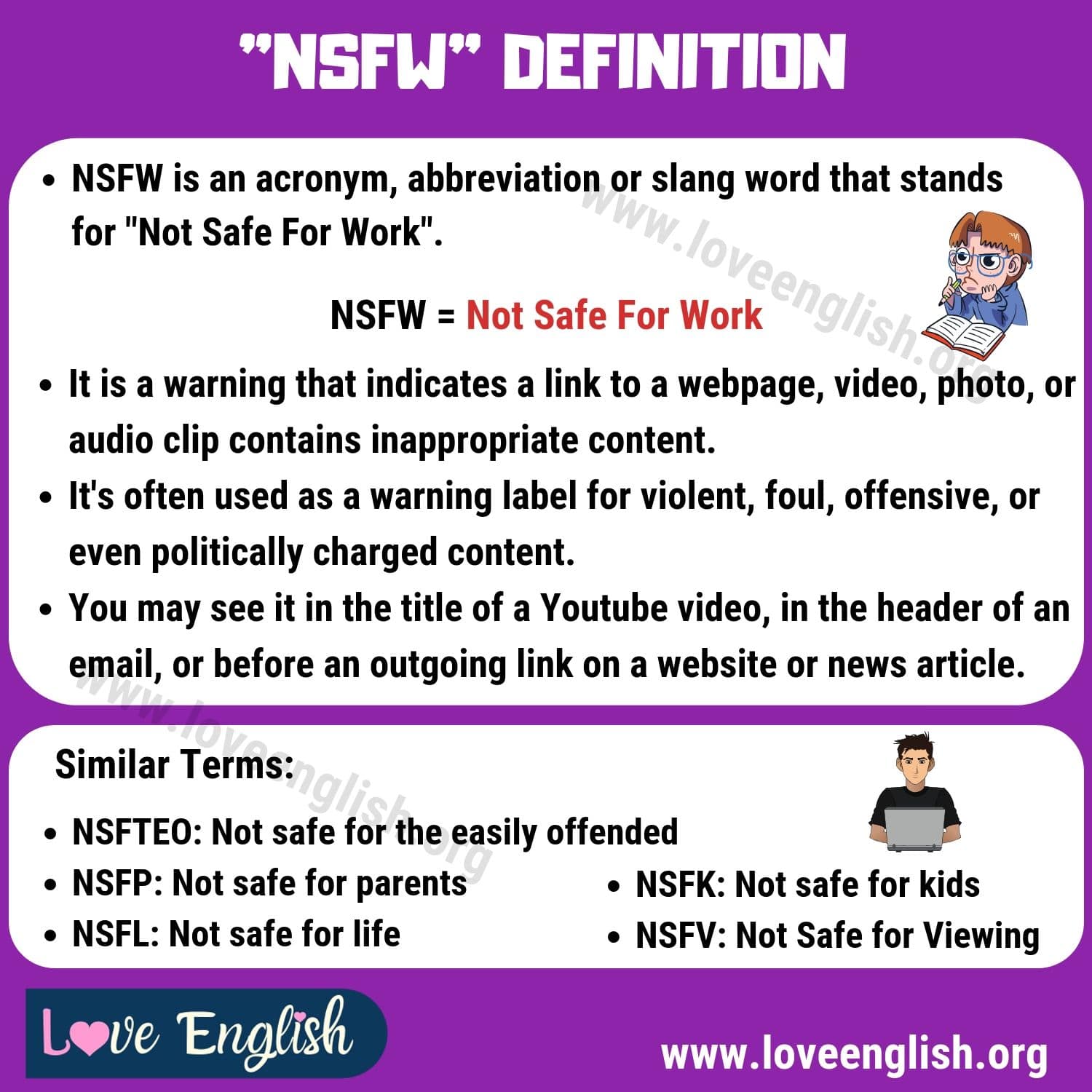
At its heart, NSFW is a simple, direct acronym that translates to “Not Safe For Work.” Its primary purpose is to warn viewers that the linked or previewed content is inappropriate for a public or professional setting. This could be due to its explicit, graphic, violent, offensive, or otherwise sensitive nature. However, the simplicity of its definition belies the complexity of its application and the spectrum of content it encompasses.
Decoding “Not Safe For Work”
The phrase “Not Safe For Work” emerged from the early days of online forums, chat rooms, and message boards. Before sophisticated content filtering and personalized feeds, users needed a clear, concise way to flag content that could cause embarrassment, discomfort, or even disciplinary action if viewed in an office environment. The warning served as a courtesy, allowing individuals to defer viewing until they were in a private setting where they wouldn’t accidentally expose colleagues or supervisors to potentially objectionable material.
The “work” in NSFW is broadly interpreted to mean any public or professional setting where certain types of content are deemed unsuitable. This includes not just traditional offices, but also schools, libraries, public transportation, or even family gatherings where children might be present. The core principle remains: if viewing this content could lead to awkward explanations, damage your professional image, or violate an organization’s policies, it should be marked NSFW.
Beyond Explicit: A Spectrum of Sensitivity
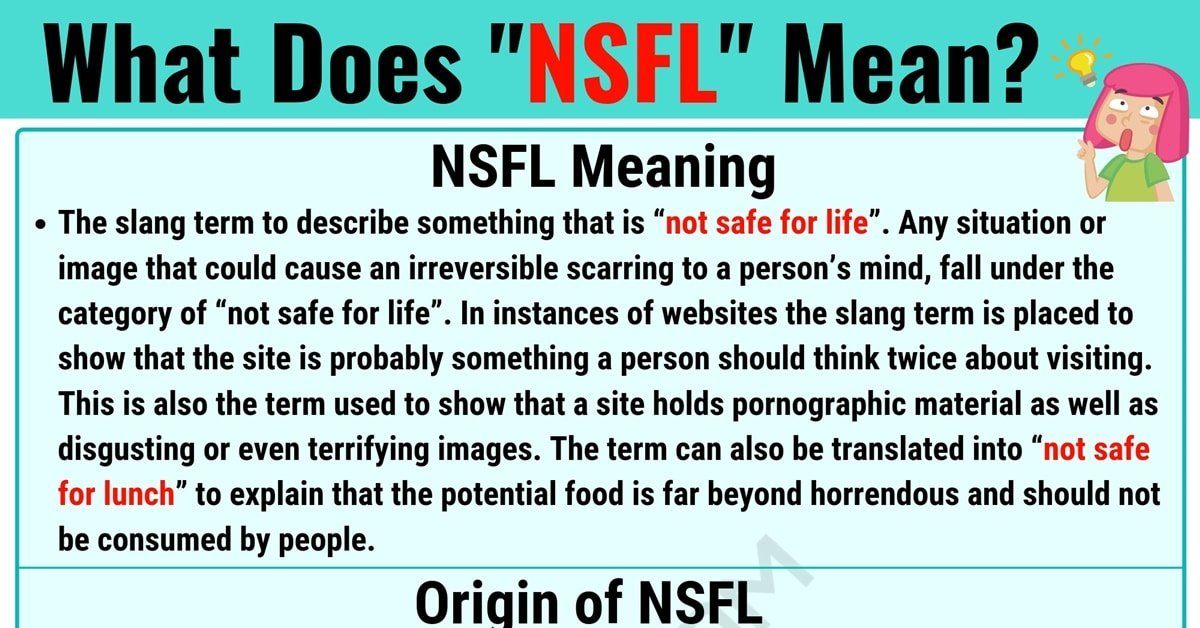
While many immediately associate NSFW with pornography or sexually explicit material, its scope is far broader. The spectrum of content that warrants an NSFW tag is diverse and continues to expand as digital etiquette evolves. It can include:
- Sexually Explicit Content: This is the most common association, encompassing nudity, pornography, and other sexually suggestive material.
- Graphic Violence: Images or videos depicting gore, extreme violence, accidents, or injuries can be highly disturbing and are typically NSFW.
- Hate Speech and Discriminatory Content: Material that promotes hatred, discrimination, or violence against specific groups based on race, religion, gender, sexual orientation, or other characteristics often falls under NSFW, not just for offensiveness but for its potential to create a hostile environment.
- Shocking or Disturbing Imagery: Content that might not be explicit or violent but is profoundly unsettling, gross, or unsettling in nature (e.g., medical anomalies, extreme body modifications, certain forms of dark humor).
- Strong Language/Profanity: While less frequently tagged, an excessive amount of strong language in audio or text could be considered NSFW in certain professional contexts.
- Political or Controversial Content: In some workplaces, highly partisan or extremely controversial political discussions, especially if presented aggressively or with inflammatory rhetoric, might be deemed NSFW if they could disrupt the work environment or cause significant discomfort among colleagues.
The subjective nature of “appropriateness” means that what one person finds acceptable, another might find offensive. Therefore, when in doubt, it’s always safer to err on the side of caution and apply the NSFW tag.
From Forums to Feeds: How NSFW Evolved
The journey of NSFW from niche forum etiquette to a widespread digital warning reflects the internet’s own evolution. In the early days, marking content was largely a manual effort by users. As social media platforms gained dominance, the need for automated detection and platform-wide policies became paramount. Platforms like Reddit, Twitter, and Facebook integrated NSFW tagging systems, allowing users to self-identify content or report it for review.
The rise of user-generated content, live streaming, and instant sharing has further complicated the landscape. Content can go viral in minutes, making real-time moderation a monumental challenge. This evolution has driven significant advancements in technology, content moderation strategies, and the legal and ethical considerations surrounding online expression and safety.
NSFW’s Impact on Technology and Digital Security
The proliferation of NSFW content has profoundly shaped the development and deployment of various technologies, particularly in the realm of content moderation and digital security. As platforms strive to provide safe and productive environments, they continuously innovate to manage the influx of sensitive material.
AI, Algorithms, and Content Moderation
The sheer volume of content generated online makes manual human moderation an impossible task. This challenge has driven a significant investment in artificial intelligence (AI) and machine learning (ML) technologies. AI algorithms are trained on vast datasets to identify patterns, keywords, images, and video sequences indicative of NSFW content.
- Image and Video Recognition: Advanced computer vision algorithms can detect nudity, graphic violence, and other explicit imagery with increasing accuracy. These systems analyze pixel data, object recognition, and even contextual cues to flag potentially problematic content.
- Natural Language Processing (NLP): NLP models scan text for profanity, hate speech, threats, and other forms of inappropriate language. They can analyze context to differentiate between acceptable and unacceptable usage of certain words or phrases.
- Automated Filtering and Takedowns: Once identified, content can be automatically blurred, flagged for human review, or immediately removed, depending on the platform’s policies and the severity of the violation. This helps platforms maintain their terms of service and protects users, especially minors, from unwanted exposure.
- Challenges and Biases: Despite advancements, AI moderation is not without its flaws. False positives (innocent content flagged) and false negatives (NSFW content missed) are common. Furthermore, inherent biases in training data can lead to discriminatory moderation, disproportionately affecting certain communities or expressions. The ongoing debate around free speech versus platform responsibility often centers on the efficacy and fairness of these AI systems.
Digital Security Risks and Productivity Pitfalls
Beyond explicit content, NSFW can pose tangible risks to digital security and workplace productivity. Malicious actors often leverage the allure of “forbidden” content to spread malware, phishing scams, and other cyber threats.
- Malware and Phishing: Links labeled NSFW can be gateways to websites hosting malicious software (viruses, ransomware, spyware). Users clicking out of curiosity or without thinking can compromise their devices and personal data. Phishing attempts often use suggestive imagery or promises of exclusive content to trick users into revealing sensitive information.
- Workplace Productivity and Network Security: Viewing NSFW content on work devices or networks can have severe consequences. It can slow down network speeds, consume valuable bandwidth, and expose the company to legal liabilities if employees access illegal content. Many organizations implement robust content filtering systems at the network level to block access to known NSFW sites, protecting both productivity and security.
- Reputational Damage: An employee caught viewing or sharing NSFW content at work can face disciplinary action, up to and including termination. This not only harms the individual’s career but can also damage the company’s reputation if such incidents become public.
- Distraction and Reduced Focus: Even without explicit security risks, the mere act of engaging with non-work-related, sensitive content can be a significant distraction, diverting attention from tasks and reducing overall productivity.
Tools and Strategies for Navigating Online Content
For individuals and organizations, several tools and strategies exist to manage NSFW content:
- Browser Extensions and Parental Controls: These tools can filter or block access to NSFW websites, making browsing safer for children and ensuring a more focused work environment.
- VPNs: While VPNs enhance privacy, they don’t inherently filter NSFW content. However, some VPN services offer built-in ad blockers and malware protection, which can indirectly help mitigate risks associated with shady NSFW sites.
- Antivirus and Anti-Malware Software: Essential for detecting and removing malicious software that might be downloaded from compromised NSFW links.
- Organizational Policies and Training: Companies must establish clear Acceptable Use Policies (AUPs) regarding internet usage and provide training to employees on digital etiquette, security best practices, and the consequences of violating these policies.
- Mindful Digital Habits: The most effective tool is personal discretion. Thinking before clicking, verifying sources, and being aware of one’s surroundings are fundamental to safe and responsible online behavior.
Brand Safety and Reputation in an NSFW World
For businesses and individuals building an online presence, the concept of NSFW extends directly into the critical domains of brand strategy, personal branding, and corporate identity. Navigating the digital landscape successfully means understanding how to protect one’s image from unintended associations with inappropriate content.
Protecting Your Corporate Identity and Brand Image
In an age where a single misstep can snowball into a full-blown PR crisis, brand safety is paramount for corporations. NSFW content poses several direct threats:
- Advertising Placement: Brands invest heavily in digital advertising. A nightmare scenario is having an advertisement for a family-friendly product appear alongside explicit or violent content. This “brand unsafe” placement can severely damage brand perception, alienate customers, and lead to immediate withdrawal of ad spending. Ad tech companies and platforms now employ sophisticated filters and verification services to ensure ads only appear in brand-safe environments.
- User-Generated Content (UGC): Companies encouraging UGC, contests, or interactive campaigns must be vigilant. Unmoderated UGC can quickly be hijacked by inappropriate content, creating a PR disaster. Robust moderation strategies, both human and AI-driven, are essential.
- Employee Conduct: As mentioned, employees’ online behavior can reflect on their employer. Companies often have social media policies detailing expectations for employees, even in their personal capacity, to prevent actions that could harm the corporate brand.
- Crisis Management: When a brand is inadvertently associated with NSFW content, swift and transparent communication is critical. A well-executed crisis management plan can mitigate damage, while a poor response can exacerbate it.
Personal Branding: The Invisible Line
For entrepreneurs, freelancers, influencers, and professionals, personal branding is increasingly vital. The line between personal and professional online presence is often blurred, making NSFW an even more delicate consideration.
- Professional Image: Sharing or engaging with NSFW content, even on personal profiles, can be easily discovered by potential employers, clients, or collaborators. A single inappropriate post can tarnish years of effort in building a professional reputation. This applies not just to direct sharing but also to comments, likes, or being tagged in others’ NSFW content.
- Audience Perception: Influencers and content creators, whose livelihood depends on their audience, must be extremely cautious. Aligning with NSFW content can alienate segments of their audience, impact brand partnerships, and limit growth opportunities.
- Platform Policies: Many platforms have strict guidelines regarding content. Violating these can lead to account suspension or termination, erasing an individual’s digital presence and the content they’ve built.
- Building a Clean Digital Footprint: Regularly auditing one’s own online presence, being mindful of what is shared and where, and utilizing privacy settings are crucial steps in maintaining a strong personal brand free from unwanted NSFW associations.
Marketing Ethics and Audience Engagement
Marketing strategies must also navigate the nuances of NSFW, particularly in areas like influencer marketing and targeted advertising.
- Influencer Marketing: Brands carefully vet influencers to ensure their content aligns with brand values and is free from controversy. An influencer with a history of NSFW content or associations is a significant risk for brand safety.
- Targeted Advertising: While AI-driven advertising can pinpoint specific demographics, ethical considerations dictate avoiding targeting sensitive ads or placing ads on platforms predominantly featuring NSFW content, even if it reaches a target audience.
- Designing Inclusive Campaigns: Marketers must ensure their campaigns are inclusive and avoid material that could be perceived as offensive or NSFW by broad audiences, even if unintentional. This requires careful consideration of imagery, language, and cultural contexts.
- Transparency and Disclosure: If a campaign ventures into edgy or mature themes, transparency about the content and appropriate age-gating are essential to maintain ethical standards and respect audience boundaries.
Financial Implications: NSFW and the Bottom Line
The financial impact of NSFW content is far-reaching, affecting individual creators, large corporations, and even the broader investment landscape. Adherence to or deviation from content standards can directly influence income streams, business viability, and financial risk.
Monetization Challenges for Content Creators
For individuals and small businesses relying on online income, navigating NSFW policies is a daily challenge with direct financial consequences.
- Platform Monetization Rules: Major platforms like YouTube, Twitch, TikTok, and Instagram have stringent content monetization policies. Content deemed NSFW (even if not explicitly illegal) often leads to demonetization, meaning ads will not run on that content, or the creator will receive a reduced share of revenue. This can severely impact creators whose content touches on sensitive themes or uses certain language.
- Loss of Sponsorships and Brand Deals: Brands are highly sensitive to brand safety. Creators who produce or are associated with NSFW content will find it exceedingly difficult to secure lucrative sponsorships, which are often a primary income source for influencers.
- Subscription-Based Models: Platforms like Patreon and OnlyFans offer creators an alternative to ad revenue, allowing them to monetize content directly through subscriptions. While some of these platforms are specifically designed for adult content, creators must still adhere to the platform’s terms of service and legal regulations. Even on these platforms, financial service providers (banks, payment processors) can impose restrictions, leading to account freezes or payment issues if content is deemed to violate broader financial regulations or community standards.
- Demonetization of “Edgy” Content: Creators who produce “edgy” or controversial content that pushes boundaries but isn’t explicitly illegal or pornographic often find themselves in a gray area, constantly battling demonetization and reduced reach, which directly impacts their income.
Business Finance and Legal Exposure
For larger businesses, the financial stakes associated with NSFW content are even higher, encompassing potential legal fines, loss of revenue, and increased operational costs.
- Regulatory Fines and Legal Battles: Companies hosting user-generated content are increasingly under pressure to moderate it effectively. Failure to remove illegal or harmful NSFW content promptly can result in significant fines from regulatory bodies, especially concerning child exploitation or hate speech. Legal battles, class-action lawsuits, and settlements related to content moderation failures can amount to millions or even billions of dollars.
- Loss of Advertising Revenue for Platforms: For social media platforms, search engines, and content hosts, a perceived failure in NSFW content moderation can lead to advertisers pulling their spending en masse, resulting in massive revenue losses. This “ad boycott” risk forces platforms to invest heavily in robust content moderation teams and AI.
- Operational Costs of Moderation: The human and technological resources required for content moderation represent a substantial ongoing operational cost. This includes paying thousands of human moderators, developing and maintaining advanced AI systems, and establishing legal and policy teams dedicated to content issues.
- Investment in Digital Security: Businesses must invest in digital security measures to prevent malware, phishing, and data breaches often linked to NSFW content, adding to their financial overhead.
Investing Safely in the Digital Economy
Even investors can be impacted by the prevalence of NSFW content and how companies manage it.
- ESG Investing (Environmental, Social, Governance): In the realm of ESG investing, a company’s approach to content moderation and brand safety falls under the “Social” aspect. Investors increasingly scrutinize companies’ policies and track records on content. Companies with poor content governance, or those frequently embroiled in controversies related to NSFW content, may be seen as higher-risk investments.
- Reputational Risk and Stock Performance: Major PR incidents related to NSFW content can lead to a dip in stock prices as investor confidence wanes. Long-term reputational damage can also affect a company’s market valuation and growth prospects.
- Emerging Market Considerations: As internet access expands globally, investors in tech companies operating in diverse cultural and regulatory environments must consider how content policies will adapt, and the potential financial and legal risks associated with varying interpretations of “NSFW.”
Conclusion: Navigating the Digital Landscape with Awareness
The acronym NSFW, while simple in its literal translation, encapsulates a complex and ever-evolving challenge in our digital age. From its origins as a polite warning among early internet users to its current status as a critical factor influencing technology development, brand strategy, and financial outcomes, understanding NSFW is indispensable for anyone operating online.
For individuals, it’s a call for conscious digital citizenship – practicing discretion, respecting boundaries, and prioritizing digital security. For businesses and brands, it underscores the imperative of robust content policies, proactive brand safety measures, and ethical marketing. And for content creators and financial entities, it highlights the intricate link between content standards, monetization, and financial stability.
As technology continues to advance and the lines between our physical and digital lives become increasingly blurred, the importance of recognizing, understanding, and appropriately responding to NSFW content will only grow. It’s not just about avoiding embarrassment; it’s about fostering safer, more productive, and more responsible online environments for everyone. Awareness is the first step towards navigating this intricate digital landscape successfully, ensuring that our online interactions remain constructive and respectful of professional and personal boundaries.
aViewFromTheCave is a participant in the Amazon Services LLC Associates Program, an affiliate advertising program designed to provide a means for sites to earn advertising fees by advertising and linking to Amazon.com. Amazon, the Amazon logo, AmazonSupply, and the AmazonSupply logo are trademarks of Amazon.com, Inc. or its affiliates. As an Amazon Associate we earn affiliate commissions from qualifying purchases.