
In the competitive landscape of the global travel industry, few names resonate with as much authority and heritage as MSC. To the casual traveler, the acronym represents a fleet of colossal, shimmering white vessels that traverse the Mediterranean, the Caribbean, and beyond. However, from a brand strategy and corporate identity perspective, the question “What does MSC stand for?” requires an answer that goes far beyond its literal translation.
MSC stands for Mediterranean Shipping Company. While the name is rooted in logistics and maritime trade, the brand itself has evolved into a masterclass of corporate diversification, family-owned prestige, and a distinct “European Soul” that differentiates it from its largely American-centric competitors. Understanding the MSC brand requires a deep dive into its history, its visual identity, and the strategic positioning that has allowed it to become the world’s third-largest cruise brand.
The Origin Story: Mediterranean Shipping Company and the Aponte Legacy
Every iconic brand has a foundation story that defines its core values. For MSC, that story begins not with luxury cabins and Broadway-style shows, but with a single cargo ship and a vision for global connectivity. Founded in 1970 by Gianluigi Aponte, a Neapolitan captain, the Mediterranean Shipping Company was initially a tramp ship operator. This heritage is the bedrock of the brand’s current identity.
From Cargo to Cruising: A Strategic Pivot
The transition from cargo to cruising in the late 1980s was one of the most significant strategic pivots in maritime history. By acquiring the assets of the Lauro Lines, MSC didn’t just enter a new market; they translated their expertise in maritime operations into a lifestyle brand. From a brand strategy perspective, this transition was handled with remarkable consistency. They didn’t seek to erase their shipping roots; instead, they leveraged the operational reliability of a global shipping giant to build trust in their new passenger-facing venture.
The Power of a Family-Owned Brand
In an era of massive publicly traded conglomerates, MSC remains privately held by the Aponte family. This is a central pillar of their brand identity. In their marketing materials and corporate communications, MSC frequently highlights “The Family Behind the Brand.” This strategy serves a dual purpose: it humanizes a massive global entity and suggests a long-term commitment to quality that isn’t beholden to quarterly shareholder pressures. This “family-owned” narrative creates a sense of continuity and personal accountability that resonates deeply with luxury and repeat travelers.
Visual Identity and Symbolism: Decoding the MSC Logo
A brand is often only as strong as the symbols that represent it. The MSC logo is one of the most recognizable marks in the maritime world, appearing on everything from massive shipping containers to the funnels of ultra-luxury cruise ships. Its design is a study in stability, tradition, and global reach.
The Compass and the “M”
The primary visual element of the MSC brand is the stylized “M” contained within a circular border, often flanked by the lines of a compass or a wave-like motif. The circularity of the logo suggests a global scope—the world encompassed by their services. The typography is bold, sans-serif, and authoritative, signaling strength and reliability. For the cruise line, the logo is typically rendered in a deep navy blue, a color synonymous with the ocean, professionalism, and trust.
Color Psychology in Maritime Branding
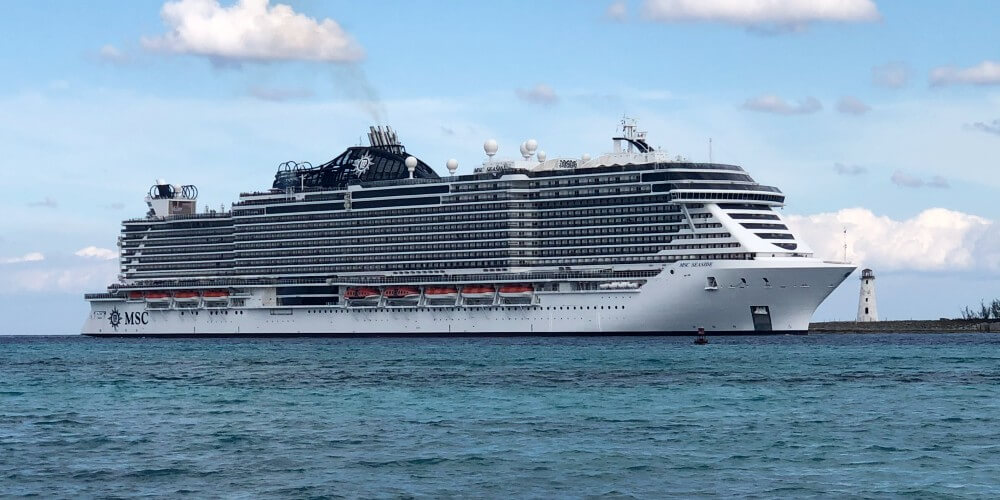
MSC’s choice of a white-and-navy color palette is a strategic nod to maritime tradition. While some cruise lines use vibrant oranges or playful teals to signal a “party” atmosphere, MSC leans into the “sophisticated European” aesthetic. This choice positions the brand as more refined and elegant. The crisp white ships with the bold blue logo on the funnel create a visual “cleanliness” that reinforces the brand’s focus on modern luxury and orderly excellence.
Strategic Brand Positioning: “European Soul, Global Spirit”
In marketing and brand management, positioning is everything. MSC has successfully carved out a niche that sits between the mass-market accessibility of brands like Carnival and the premium refinement of brands like Celebrity. They have done this by leaning heavily into their cultural heritage.

Differentiating Through Heritage
The tagline “European Soul, Global Spirit” is the quintessence of the MSC brand strategy. By emphasizing their Mediterranean roots, MSC offers a product that feels “international” to American cruisers and “home-grown” to European ones. This is reflected in their brand touchpoints: the food (authentic Italian espresso and sourdough pizza), the multilingual staff, and the design aesthetic, which favors Swarovski crystal staircases and Italian marble over the neon lights and plastic finishes often seen in the industry.
Marketing the Experience Beyond the Ship
MSC’s brand strategy also involves positioning their ships as destinations in themselves. However, unlike brands that focus solely on “onboard thrills” like go-kart tracks or rollercoasters, MSC markets the ambiance. Their brand campaigns often focus on the “Art of the Sea,” selling the romanticism of travel. This psychological positioning appeals to travelers who view cruising as a sophisticated way to see the world rather than just a floating theme park.
Corporate Social Responsibility: Branding Sustainability
In the modern era, a brand is defined by its values as much as its products. For a cruise line, the most significant challenge to brand equity is environmental perception. MSC has addressed this head-on by integrating sustainability into the core of its brand identity.
The MSC Foundation and Environmental Stewardship
The creation of the MSC Foundation was a strategic move to centralize the brand’s philanthropic and conservation efforts. By branding their environmental initiatives—such as the restoration of Ocean Cay in the Bahamas from an industrial site to a marine reserve—MSC has shifted the narrative. They are no longer just a shipping company; they are “Guardians of the Sea.” This “Green Branding” is essential for attracting younger demographics (Gen Z and Millennials) who prioritize ethical consumption.
Building Brand Trust in the Green Era
MSC has invested heavily in LNG (Liquefied Natural Gas) powered ships and advanced wastewater treatment systems. From a brand perspective, these aren’t just technical upgrades; they are “proof points.” In marketing, a brand makes a promise, and these investments are the evidence that the promise is being kept. By being one of the first major lines to commit to net-zero emissions, MSC is positioning itself as a forward-thinking leader rather than a laggard in the environmental space.
Future Outlook: The Evolution of the MSC Brand Architecture
As the company grows, it is evolving its brand architecture to capture different segments of the market. This is a classic brand expansion strategy, ensuring that the master brand (MSC) remains strong while sub-brands cater to specific needs.
Explora Journeys and Luxury Diversification
The launch of Explora Journeys represents MSC’s move into the ultra-luxury “boutique” space. Interestingly, they chose not to call it “MSC Luxury.” This decision to create a separate brand identity—while still maintaining the “Family Owned” endorsement—allows them to compete with high-end brands like Ritz-Carlton Yacht Collection without diluting the core MSC Cruises brand. It shows a sophisticated understanding of brand tiering.
Maintaining Brand Consistency in a Digital World
As MSC moves further into the digital age, their brand identity is being tested across new platforms. From the “MSC for Me” app to virtual reality ship tours, the brand is successfully transitioning from a physical experience to a digital one. The challenge for the next decade will be maintaining the “human touch” of the Aponte family legacy while operating a fleet of increasingly automated, tech-heavy “smart ships.”
Conclusion: The Meaning Behind the Acronym
So, what does MSC stand for?
Literally, it is the Mediterranean Shipping Company. But in the world of brand strategy, it stands for a unique blend of heritage, family values, and European elegance. It stands for a company that successfully bridged the gap between industrial logistics and luxury hospitality.
Through careful visual identity management, strategic cultural positioning, and a proactive approach to sustainability, MSC has built a brand that is as resilient as the steel of its ships. It serves as a reminder that even in a globalized, corporate-heavy world, a brand rooted in family legacy and a clear sense of place can not only survive but dominate the global stage. MSC isn’t just a cruise line; it is a maritime empire that has successfully branded the very essence of Mediterranean exploration.
aViewFromTheCave is a participant in the Amazon Services LLC Associates Program, an affiliate advertising program designed to provide a means for sites to earn advertising fees by advertising and linking to Amazon.com. Amazon, the Amazon logo, AmazonSupply, and the AmazonSupply logo are trademarks of Amazon.com, Inc. or its affiliates. As an Amazon Associate we earn affiliate commissions from qualifying purchases.