
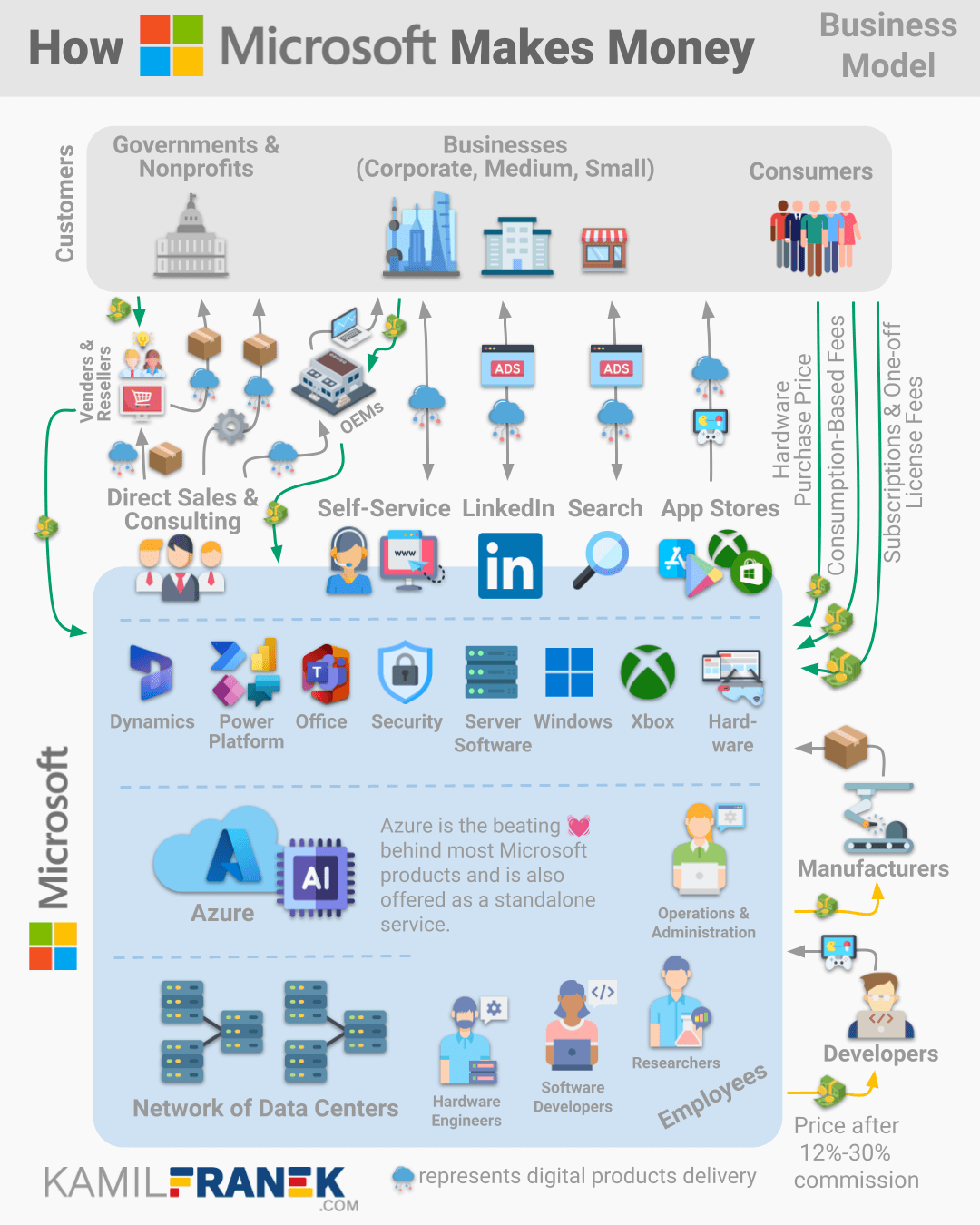
Microsoft is often synonymous with the personal computer itself. Since its inception in 1975, the company has transitioned from a small software developer into a global technology powerhouse that permeates nearly every aspect of modern digital life. To understand what Microsoft does today is to understand the infrastructure of the internet, the tools of global productivity, and the cutting edge of artificial intelligence.
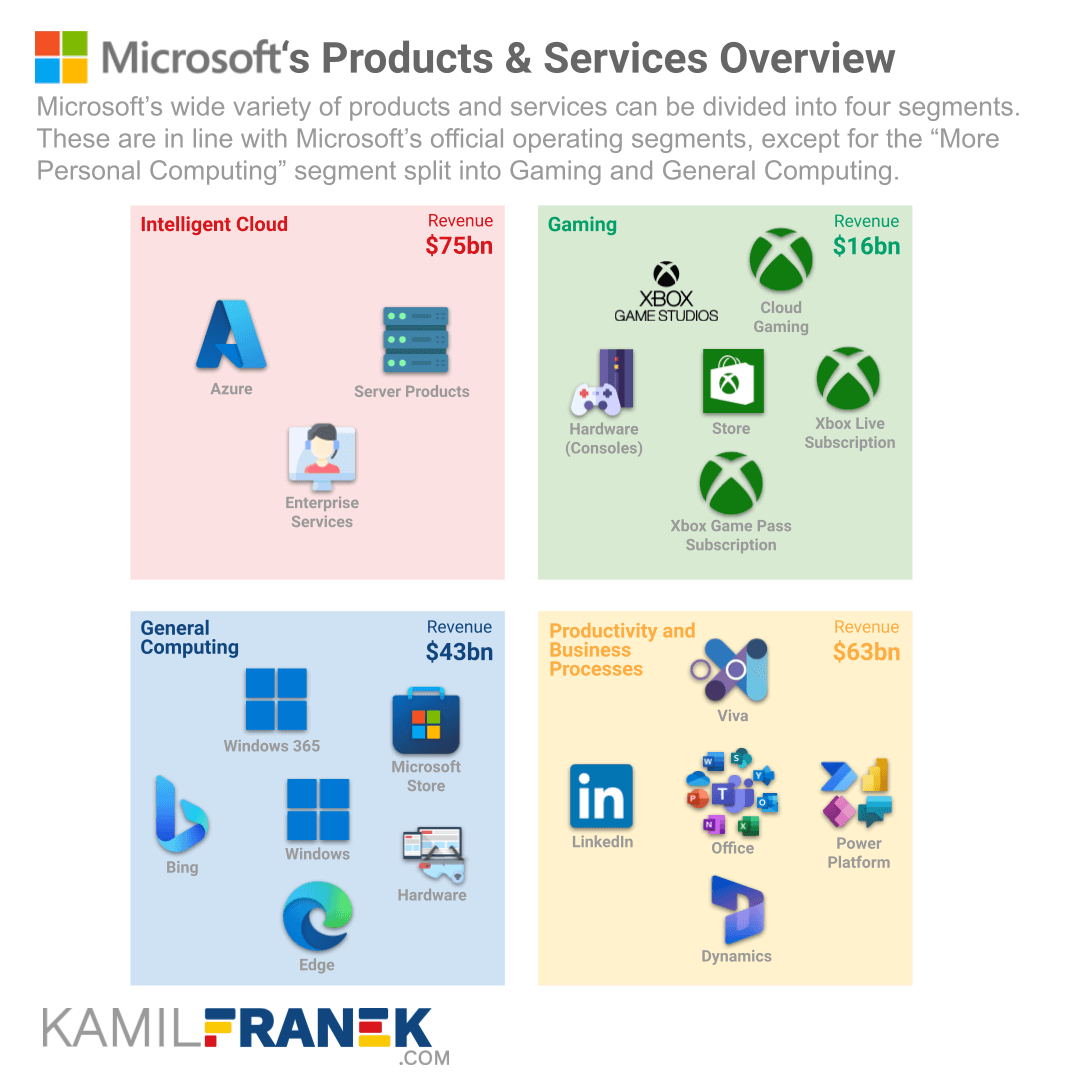
While many consumers interact with Microsoft through a laptop screen or a gaming console, the company’s reach extends far deeper into the enterprise fabric of the world. From cloud computing and cybersecurity to developer tools and generative AI, Microsoft operates a diverse tech ecosystem designed to empower individuals and organizations to achieve more.
The Foundation of Personal Computing: Windows and the Modern OS
At its core, Microsoft is a platform company. For decades, the Windows operating system (OS) has served as the primary gateway for users to interact with hardware. Windows is not merely a product; it is an environment that facilitates everything from high-end software development to casual web browsing.
Windows 11 and the Evolution of User Interface
The current iteration, Windows 11, represents Microsoft’s push toward a more fluid, secure, and aesthetically modern computing experience. Unlike previous versions that focused heavily on legacy support, Windows 11 emphasizes “Work from Anywhere” capabilities, integrating features like Snap Layouts and enhanced touch controls. By focusing on the user experience (UX), Microsoft ensures that the OS remains relevant in an era where mobile and tablet interfaces have redefined user expectations.
Windows as a Service (WaaS)
One of the most significant shifts in what Microsoft does involves the transition to “Windows as a Service.” In the past, users would buy a physical disk and install a static version of the OS. Today, Microsoft provides continuous updates, security patches, and feature enhancements over the cloud. This model ensures that the global fleet of Windows devices remains protected against evolving digital security threats, making the OS a dynamic, living piece of software.
Productivity Reimagined: The Microsoft 365 Ecosystem
If Windows is the stage, Microsoft 365 (formerly Office) is the performance. Microsoft has redefined productivity by moving away from standalone desktop applications toward a cloud-connected suite of tools that prioritize collaboration and cross-device accessibility.
Beyond Word and Excel: The Rise of Microsoft Teams
While Word, Excel, and PowerPoint remain industry standards, the modern “What Microsoft Does” story is centered on Microsoft Teams. Teams serves as a digital headquarters, merging chat, video conferencing, file storage, and application integration into a single interface. By positioning Teams as the central hub for the modern workplace, Microsoft has effectively created a “meta-OS” for business communication, reducing the need for users to ever leave the Microsoft environment to get work done.
Cloud Integration and the Power of OneDrive
The “365” in Microsoft’s productivity suite refers to its constant availability. Through OneDrive integration, every document created within the ecosystem is backed up to the cloud in real-time. This allows for seamless transitions between a desktop in an office, a tablet on a train, and a smartphone at home. Microsoft’s role here is to eliminate the friction of file management, ensuring that data is ubiquitous and collaborative. Multiple users can co-author a single document simultaneously, a feat enabled by Microsoft’s massive backend synchronization technologies.
The Infrastructure of the Modern Web: Microsoft Azure
Perhaps the most critical, yet least visible, part of what Microsoft does is Microsoft Azure. Azure is a comprehensive cloud computing platform that provides the “plumbing” for the modern internet. It is the engine that powers everything from government databases to the latest mobile apps.
Cloud Computing: IaaS, PaaS, and SaaS
Azure provides three primary layers of service: Infrastructure as a Service (IaaS), Platform as a Service (PaaS), and Software as a Service (SaaS).
- IaaS allows companies to rent virtualized servers and storage, removing the need for expensive physical hardware.
- PaaS provides a framework for developers to build and deploy applications without worrying about the underlying infrastructure.
- SaaS offers ready-to-use software hosted in the cloud.
By offering these services, Microsoft acts as a global utility provider, supplying the raw computational power required to run the digital economy.
Global Data Centers and Edge Computing
To support Azure, Microsoft maintains one of the largest networks of data centers on the planet. This physical infrastructure allows for “Edge Computing,” where data processing occurs closer to the user to reduce latency. Whether it is supporting the high-speed requirements of financial trading or the massive data storage needs of healthcare providers, Microsoft’s cloud infrastructure is designed for high availability, disaster recovery, and massive scalability.
Leading the AI Revolution: The Pivot to Intelligence
In recent years, the answer to “What does Microsoft do?” has increasingly become “Microsoft does AI.” Through its multi-billion dollar partnership with OpenAI and its own internal research, Microsoft has positioned itself at the forefront of the Generative AI movement.
Copilot: Integrating AI Across the Tech Stack
Microsoft’s flagship AI initiative is “Copilot.” This is not a standalone product but an “AI assistant” integrated into every corner of the Microsoft ecosystem. In Windows, Copilot helps manage settings; in Word, it drafts reports; in GitHub, it writes code; and in Excel, it analyzes complex data sets. By embedding Large Language Models (LLMs) directly into the tools people already use, Microsoft is making AI a practical, everyday utility rather than a futuristic concept.
The Strategic Infrastructure for Artificial Intelligence
Beyond user-facing tools, Microsoft provides the “AI Supercomputer” infrastructure that trains some of the world’s most advanced models. Azure OpenAI Service allows businesses to build their own custom AI applications using Microsoft’s secure cloud environment. This ensures that as the world moves toward an AI-first future, Microsoft remains the foundational layer upon which that future is built.
Hardware and Entertainment: Defining the User Touchpoint
While software and cloud services generate the majority of Microsoft’s value, the company also maintains a significant footprint in hardware and entertainment. This segment allows Microsoft to showcase how its software is intended to be experienced.
The Surface Lineup: Defining the Hybrid PC
Microsoft’s Surface family of devices serves as a “hero” lineup for the Windows OS. By designing the hardware and software in tandem, Microsoft can push the boundaries of form factors—such as the 2-in-1 detachable tablet or the dual-screen laptop. The Surface devices are intended to set the standard for the broader PC ecosystem, demonstrating to other manufacturers what is possible when hardware is optimized for Windows features like digital ink and biometric security (Windows Hello).
Xbox and the Shift Toward Gaming Services
In the realm of entertainment, Microsoft’s Xbox division has moved beyond just selling consoles. Today, Microsoft is a leader in gaming services. Xbox Game Pass, often described as the “Netflix for games,” provides a subscription-based library of hundreds of titles. Furthermore, through Xbox Cloud Gaming, Microsoft allows users to play high-end games on low-powered devices like smartphones or smart TVs. This “gaming without borders” approach leverages Azure’s cloud power to deliver high-performance entertainment to any screen, anywhere.
Digital Security: Protecting the Global Network
As one of the largest software providers in the world, Microsoft is also one of the world’s most significant cybersecurity entities. Because Microsoft software is a primary target for hackers, the company has had to build an unparalleled security apparatus.
Threat Intelligence and Microsoft Defender
Microsoft analyzes trillions of signals every day across its global network to identify emerging threats. This “Threat Intelligence” is fed into Microsoft Defender, a security suite that protects individual consumers and massive corporations alike. Microsoft’s role in security is proactive; they provide the tools for identity management (Microsoft Entra), data protection, and compliance, ensuring that as businesses move to the cloud, their assets remain secure.
Conclusion
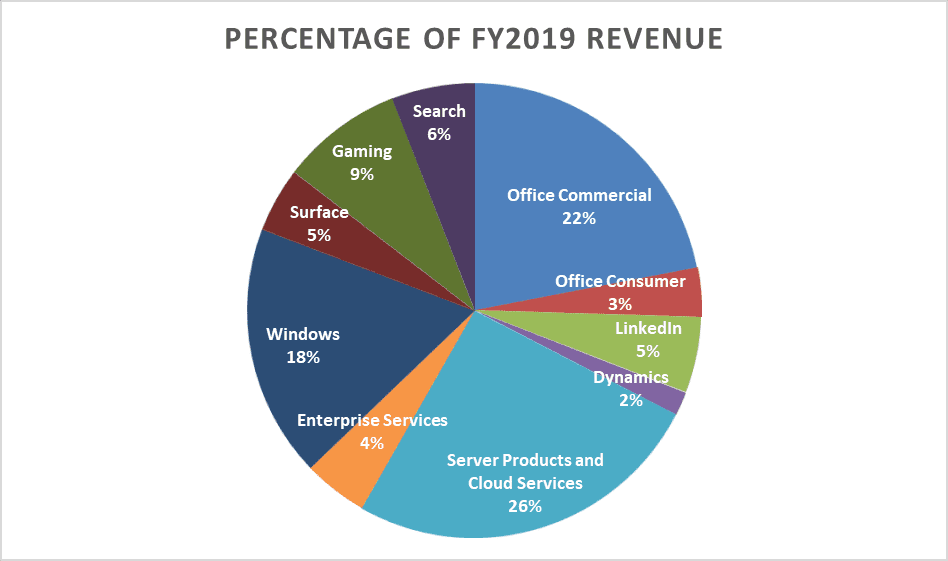
Microsoft is no longer just a “computer company.” It is a multi-faceted technology architect. It provides the operating system that runs our hardware, the productivity tools that define our professional lives, the cloud infrastructure that hosts our data, and the artificial intelligence that is currently reshaping how we interact with information. By maintaining a presence in every layer of the technology stack—from the physical data center to the AI-assisted word processor—Microsoft remains the invisible backbone of the modern digital world. In short, Microsoft builds the platforms upon which the rest of the world creates, communicates, and innovates.
aViewFromTheCave is a participant in the Amazon Services LLC Associates Program, an affiliate advertising program designed to provide a means for sites to earn advertising fees by advertising and linking to Amazon.com. Amazon, the Amazon logo, AmazonSupply, and the AmazonSupply logo are trademarks of Amazon.com, Inc. or its affiliates. As an Amazon Associate we earn affiliate commissions from qualifying purchases.