
The word “pollution” conjures images of smog-filled skies, overflowing landfills, and murky waterways. However, in the interconnected, technologically driven landscape of the 21st century, the concept of pollution has expanded dramatically, extending far beyond the physical realm. Our modern world is grappling with new forms of contamination, impacting everything from our digital infrastructure and personal brand integrity to our financial well-being. This article delves into the multifaceted meaning of pollution in the digital age, exploring its manifestations across technology, branding, and finance, and examining the implications for individuals and society.
Digital Debris: Pollution in the Realm of Technology
The digital world, often perceived as pristine and intangible, is far from immune to pollution. While it may not involve toxic chemicals or particulate matter, the degradation and corruption of digital information, systems, and experiences constitute a significant form of contamination.
Information Overload and Misinformation: The Digital Smog
One of the most pervasive forms of digital pollution is the sheer volume of information we encounter daily. This “digital smog” can obscure truth, foster confusion, and hinder effective decision-making.
-
The Deluge of Data: The internet has democratized information access, but it has also created an unprecedented flood of data. From endless social media feeds and news alerts to the constant influx of emails and notifications, we are bombarded with more information than we can realistically process. This constant barrage can lead to cognitive overload, decreased attention spans, and a feeling of being perpetually overwhelmed. In essence, the abundance of information, when not curated or filtered effectively, becomes a pollutant, drowning out valuable insights and hindering our ability to engage deeply with any single piece of content.
-
The Virulence of Misinformation and Disinformation: Perhaps a more insidious form of digital pollution is the spread of false or misleading information. Misinformation, often spread unintentionally, and disinformation, spread with malicious intent, can have profound societal consequences. From public health crises exacerbated by false medical claims to political discourse poisoned by fabricated narratives, these digital pollutants erode trust, sow division, and undermine rational thought. AI tools, while offering immense potential, can also be leveraged to generate highly convincing deepfakes and sophisticated propaganda, amplifying the challenge of distinguishing truth from falsehood. This digital “toxic waste” can have long-lasting detrimental effects on individual understanding and collective decision-making.
Software Bloat and Obsolescence: The E-Waste of the Digital Ecosystem
The technology we use is also susceptible to its own forms of pollution, impacting both performance and environmental sustainability.
-
Software Bloat and Performance Degradation: As software applications grow in complexity and are updated repeatedly, they often become bloated with unnecessary features, consuming excessive system resources. This “software bloat” can slow down our devices, decrease efficiency, and lead to a frustrating user experience. It’s akin to a once-pristine environment being cluttered with extraneous and inefficient structures. Furthermore, the pressure to constantly upgrade to the latest versions, often driven by planned obsolescence and the discontinuation of support for older software, contributes to a cycle of digital waste.
-
The E-Waste Crisis: While not directly “pollution” in the sense of contamination, the rapid obsolescence of hardware driven by technological advancement and the constant push for newer gadgets creates a significant environmental problem. Electronic waste, or e-waste, is a growing global concern, with discarded devices often containing hazardous materials that can leach into the environment. This physical pollution is a direct consequence of our insatiable appetite for new technology, a byproduct of the digital world’s relentless progress.
Digital Security Vulnerabilities: The Contamination of Trust and Privacy
The security of our digital lives is constantly under threat, and breaches can be considered a form of digital pollution that contaminates trust and compromises personal information.
-
Cyberattacks and Data Breaches: Malware, viruses, ransomware, and phishing attempts are all forms of digital pollution that aim to infiltrate and corrupt our digital systems. Data breaches, where sensitive personal or financial information is stolen, represent a severe contamination of privacy. This pollution can lead to identity theft, financial loss, and significant emotional distress. The constant threat of these attacks forces us to implement complex security measures, turning our digital interactions into a minefield.
-
The Erosion of Digital Trust: When our data is compromised or our online experiences are riddled with scams and malicious content, our trust in the digital realm erodes. This loss of trust is a significant form of pollution, making individuals hesitant to engage fully with online services, share information, or participate in the digital economy. Rebuilding this trust is a monumental task, akin to remediating a heavily contaminated site.
Brand Smear: Pollution in the Arena of Reputation and Identity
In the hyper-connected world, a brand’s reputation is its most valuable asset, and pollution in this domain can be devastating. This pollution manifests as the intentional or unintentional degradation of a brand’s image, diluting its essence and tarnishing its perceived value.
Negative Reviews and Online Defamation: The Digital Graffiti
The rise of online platforms has given consumers a powerful voice, but this voice can also be used to spread negativity and false accusations, polluting a brand’s reputation.
-
The Echo Chamber of Negativity: Unfairly negative reviews, outright fabrications, or even biased opinions can spread rapidly online, creating a distorted perception of a brand. These digital “graffiti” can be difficult to remove and can significantly deter potential customers. The viral nature of social media means a few negative comments can quickly become a deluge, overwhelming positive experiences and shaping public opinion. This is akin to a single toxic spill that contaminates an entire ecosystem.
-
The Weaponization of Online Platforms: In some instances, competitors or disgruntled individuals may intentionally use online platforms to spread defamatory content and damage a brand’s reputation. This malicious form of pollution is designed to undermine a brand’s credibility and market standing. The ease with which false narratives can be constructed and disseminated makes this a potent and insidious threat.
Inauthentic Personal Branding: The Dilution of Identity
For individuals and businesses alike, building a strong personal or corporate brand is crucial. However, the pursuit of brand visibility can sometimes lead to a form of pollution through inauthenticity.
-
The Quest for Superficiality: An overemphasis on curated online personas, often detached from reality, can lead to an inauthentic brand presence. This “plastic” branding, where the focus is on projecting an idealized image rather than genuine substance, pollutes the concept of personal and corporate identity. It creates a disconnect between what is presented and what is real, eroding trust and leading to disappointment when the facade inevitably cracks.
-
Brand Dilution through Association: Brands can also be polluted by association with negative events, unethical practices, or controversies involving key figures or affiliated entities. This “guilt by association” can tarnish a brand’s reputation, even if the brand itself is not directly involved in the wrongdoing. The interconnectedness of the modern world means that a single problematic link can contaminate the entire brand ecosystem.
Marketing Missteps and Deceptive Advertising: The Pollution of Consumer Trust
While marketing is essential for brand growth, poorly executed or deceptive marketing campaigns can actively pollute consumer trust and damage a brand’s long-term viability.
-
The Siren Song of Exaggeration: Hyperbole, misleading claims, and outright deceptive advertising are forms of marketing pollution. These tactics prey on consumer vulnerability, promising more than can be delivered and ultimately eroding faith in the brand and its products or services. The pursuit of short-term gains through deceptive practices leads to long-term damage to a brand’s reputation.
-
The Noise of Irrelevant Marketing: Constant, intrusive, and irrelevant marketing messages can also be considered a form of pollution. When consumers are bombarded with messages that do not resonate with their needs or interests, it creates a sense of annoyance and disrespect, polluting their perception of the brand and its attempts to connect.
Financial Fouls: Pollution in the World of Money
The financial landscape, both personal and corporate, is not exempt from various forms of pollution that can undermine stability, fairness, and individual prosperity.
The Shadow Economy of Scams and Fraud: The Toxic Waste of Financial Deception
The allure of quick riches can attract individuals to financial schemes that are, in reality, toxic pollutants designed to defraud them.
-
Ponzi Schemes and Pyramid Schemes: These fraudulent investment operations, which pay returns to earlier investors with money taken from later investors, are classic examples of financial pollution. They create an illusion of profitability by siphoning wealth from unsuspecting individuals, leaving a trail of financial devastation.
-
Online Fraud and Phishing: The digital realm provides fertile ground for financial fraud. Phishing scams, fake investment platforms, and cryptocurrency scams are constantly evolving, preying on individuals’ financial aspirations and lack of knowledge. These digital scams are the toxic waste of the financial ecosystem, polluting legitimate avenues of investment and wealth creation.
Economic Inequality and Predatory Practices: The Polluted Playing Field
While not always a direct “pollution” in the conventional sense, systemic economic issues can create a polluted environment where fair financial practices are hindered.
-
Predatory Lending and Subprime Mortgages: Practices that exploit individuals’ financial desperation, such as predatory lending or the creation of unsustainable financial products, can be seen as polluting the financial system. These practices disproportionately affect vulnerable populations, creating a cycle of debt and hindering economic mobility.
-
Insider Trading and Market Manipulation: Unfair advantages gained through illegal activities like insider trading or market manipulation pollute the integrity of financial markets. When the playing field is rigged, it discourages legitimate investment and erodes public confidence in the fairness of economic systems. This “polluted” market environment makes it harder for honest individuals and businesses to thrive.
The Opacity of Financial Systems: The Fog of Complexity
The inherent complexity and sometimes opaque nature of financial systems can also create a form of pollution, making it difficult for individuals to make informed decisions and navigate their financial futures.
-
Complex Financial Products: The proliferation of highly complex financial products, often with hidden fees and risks, can be a form of pollution. Without proper understanding, individuals can inadvertently make poor financial choices, leading to unforeseen losses.
-
Lack of Financial Literacy: A pervasive lack of financial literacy can exacerbate the pollution of complex systems. When individuals are not equipped with the knowledge and skills to understand financial products, market dynamics, and investment strategies, they are more susceptible to making detrimental financial decisions. This lack of understanding creates a “fog” that obscures sound financial judgment.
Conclusion: Navigating the Polluted Landscape
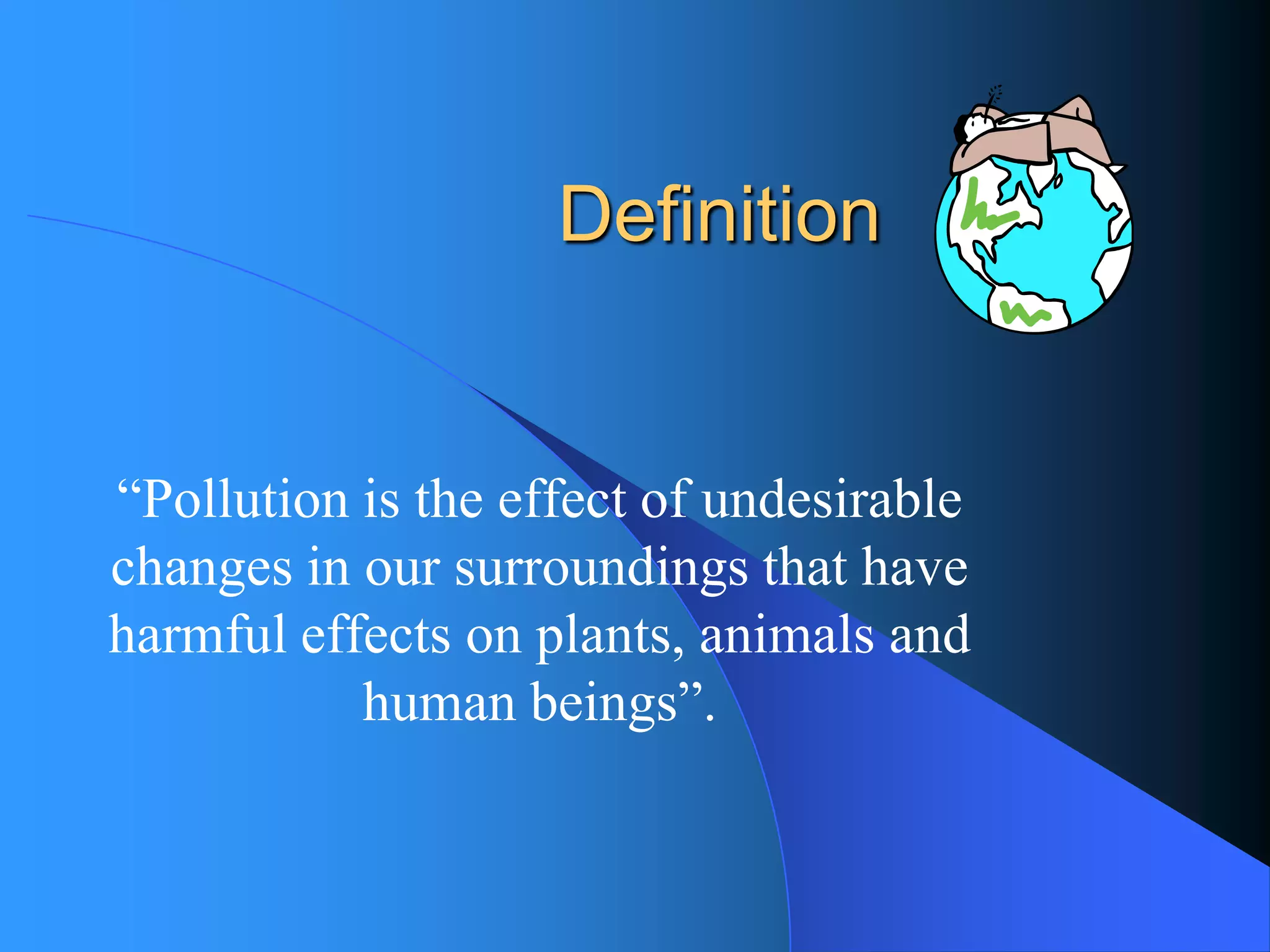
The meaning of “pollution” has evolved significantly in the digital age. From the overwhelming deluge of information and the insidious spread of misinformation to the degradation of brand reputations and the prevalence of financial scams, we are constantly navigating a polluted landscape. Understanding these multifaceted forms of pollution is the first step towards mitigating their impact. By fostering digital literacy, promoting ethical branding practices, and demanding transparency and fairness in financial systems, we can work towards cleaner, more trustworthy, and more prosperous digital and physical environments for all. The ongoing evolution of technology, branding, and finance necessitates a continuous re-evaluation of what constitutes “pollution” and a proactive approach to remediation.
aViewFromTheCave is a participant in the Amazon Services LLC Associates Program, an affiliate advertising program designed to provide a means for sites to earn advertising fees by advertising and linking to Amazon.com. Amazon, the Amazon logo, AmazonSupply, and the AmazonSupply logo are trademarks of Amazon.com, Inc. or its affiliates. As an Amazon Associate we earn affiliate commissions from qualifying purchases.