
The world of perfumery is a vast and intricate tapestry, woven from countless aromatic threads. Among these, certain materials stand out for their depth, complexity, and historical significance. Labdanum, a resinous exudate derived from various species of Cistus (rockrose) shrubs, is one such gem. Its scent profile is not easily pigeonholed, often described with a spectrum of terms that hint at its multifaceted nature. To truly understand what labdanum smells like is to embark on an olfactory journey, exploring its earthy depths, leathery nuances, ambery warmth, and even hints of sweet, balsamic richness. This exploration is particularly relevant within the realm of Brand development and marketing, where distinctive olfactory signatures can create powerful emotional connections and memorable brand identities.
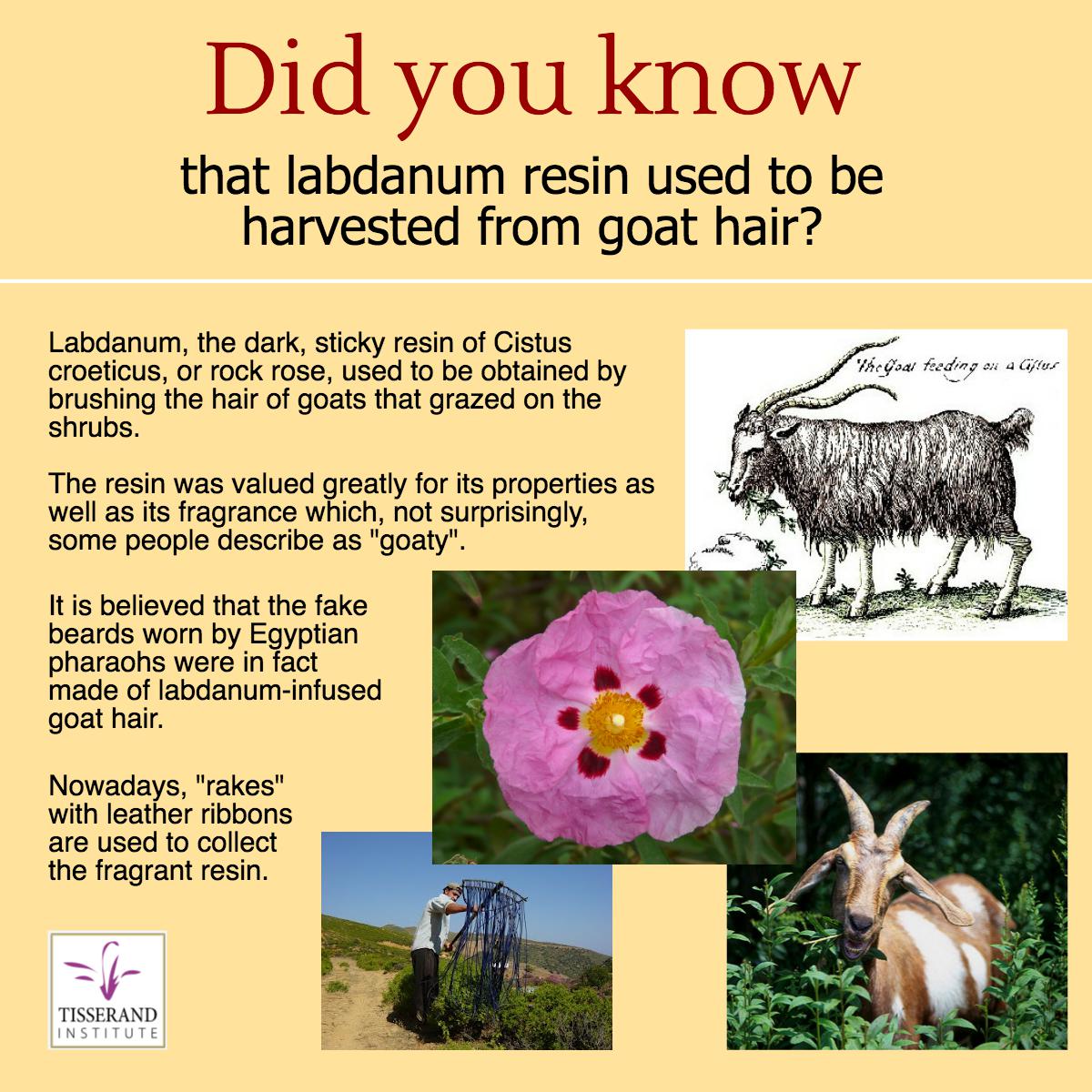
The Olfactory Tapestry of Labdanum: Unpacking the Core Notes
Labdanum’s scent is not a singular note but rather a symphony of interwoven aromas. Its complexity arises from a rich chemical composition, dominated by diterpenes and phenolic compounds. When one encounters labdanum, several key olfactory impressions typically emerge.
Earthy and Ambery Foundations
At its core, labdanum possesses a profound earthiness. This is not the damp, loamy scent of soil after rain, but rather a drier, more mineralic earthiness, reminiscent of warm stones or sun-baked ground. This fundamental note provides a grounding, robust character to any fragrance. Intertwined with this earthiness is a distinctly ambery quality. Labdanum is often considered a key component in creating the illusion of amber in perfumery, particularly the rich, slightly powdery, and warm facets associated with this precious material. This ambery warmth is often the first aspect that draws people into the scent, offering a comforting and luxurious embrace.
Leathery and Animalic Undertones
Beyond the earthy and ambery, labdanum frequently exhibits pronounced leathery and even subtly animalic characteristics. The leathery aspect can range from smooth, supple hides to something more rugged and smoky. This adds a sophisticated, sometimes even provocative, edge to its profile. The animalic hints are usually very restrained, not overtly fetid but rather contributing a primal, human-like warmth that enhances sensuality and depth. These notes can be particularly appealing in masculine or unisex fragrances, adding a touch of rugged elegance and intrigue.
Sweet, Balsamic, and Herbal Accents
While the earthy, ambery, and leathery notes are dominant, labdanum also reveals softer, more nuanced facets. Depending on the specific species of rockrose and the extraction method, there can be subtle sweet, balsamic, and even herbal undertones. The sweetness is rarely sugary but rather a rich, resinous sweetness, akin to dark honey or aged wood. The balsamic quality offers a smooth, slightly spicy, and contemplative aroma. In some instances, particularly with certain fractions or concretes, one might detect fleeting herbal or even tobacco-like nuances, adding further layers of complexity to its aromatic profile.
Labdanum in Perfumery: A Cornerstone of Complexity and Allure
Labdanum’s versatile scent profile makes it an indispensable ingredient in the perfumer’s palette. Its ability to lend warmth, depth, and character to a fragrance is unparalleled. Within the branding context, understanding these olfactory contributions is crucial for crafting scents that evoke specific brand narratives and resonate with target audiences.
The Backbone of Oriental and Chypre Fragrances
Labdanum is a cornerstone ingredient in many classic fragrance families, most notably Oriental and Chypre compositions. In Oriental fragrances, its ambery warmth and balsamic sweetness perfectly complement spices, vanilla, and other rich notes, creating an opulent and sensual aura. It provides the luxurious foundation upon which these complex scents are built. In Chypres, labdanum’s earthy and leathery facets, combined with its darker, more mysterious undertones, contribute to the signature mossy, woody, and sometimes aldehydic character that defines this sophisticated fragrance family. The interplay between labdanum and oakmoss, bergamot, and patchouli is a testament to its ability to anchor and enrich these complex structures.
Enhancing Warmth, Depth, and Longevity

Beyond specific fragrance families, labdanum serves as a powerful enhancer of overall olfactory impact. Its rich, resinous nature imparts a noticeable warmth that can soften sharper notes and add a sensual, inviting quality to a perfume. This warmth is not superficial; it permeates the entire fragrance, giving it a palpable presence. Furthermore, labdanum is known for its excellent fixative properties. Its molecular weight and tenacity allow it to slow down the evaporation of more volatile aromatic compounds, ensuring that the fragrance lasts longer on the skin. This longevity is a critical factor in consumer perception of quality and value, contributing significantly to the overall brand experience.
Creating a Sense of Luxury and Timelessness
The deep, resonant aroma of labdanum evokes a sense of luxury, tradition, and timelessness. Its historical use, tracing back to ancient civilizations for incense and medicinal purposes, lends it an air of antiquity and authenticity. In modern branding, this translates into a perception of established heritage and enduring quality. A fragrance featuring prominent labdanum notes often signals sophistication, confidence, and a refined taste. It can be used to create a brand identity that is both classic and contemporary, appealing to consumers who seek established quality with a modern sensibility.
The Labdanum Spectrum: Variations and Nuances in Scent
The term “labdanum” encompasses a range of products derived from Cistus resins, and subtle differences in their origin, processing, and composition lead to distinct olfactory variations. Recognizing these nuances allows for a more precise application of labdanum in scent creation and, by extension, in building specific brand perceptions.
Cistus Absolute vs. Labdanum Absolute
The most common forms of labdanum used in perfumery are Cistus Absolute and Labdanum Absolute. While often used interchangeably, there can be subtle distinctions. Cistus Absolute, derived from the leaves and twigs of the Cistus ladanifer or Cistus creticus species, often presents a more resinous, woody, and amber-like profile. It can sometimes carry a slightly smoky or even animalic nuance that is very distinctive. Labdanum Absolute, typically derived from the collected resinous exudate of the plant, tends to lean more towards the balsamic, ambery, and sweet facets, with a smoother, less rugged character than some Cistus absolutes. The choice between the two often depends on the specific desired effect and the perfumer’s intention for the fragrance’s narrative.
The Impact of Extraction and Processing
The method by which labdanum is extracted and processed significantly influences its final scent. Traditional methods involve scraping the resin from the plant or boiling the leaves and twigs to extract the resinous oils. Modern solvent extraction methods yield highly concentrated absolutes, while steam distillation can produce essential oils with a different aroma profile. Each process captures different aromatic molecules, leading to variations in intensity, character, and the presence of specific notes. For instance, solvent-extracted labdanum absolutes are often richer and more complex, capturing a wider spectrum of its aromatic facets, making them ideal for creating deep, enveloping brand scents. Conversely, more refined fractions might be used to highlight specific amber or leathery nuances without overwhelming the composition.
Labdanum’s Role in Brand Identity: Crafting Olfactory Signatures
In the competitive landscape of consumer goods and luxury markets, a distinctive olfactory signature is a powerful tool for brand differentiation and customer engagement. Labdanum, with its profound and multifaceted aroma, offers a unique opportunity to imbue brands with character, emotion, and memorability.
Evoking Emotion and Association: The Power of Scent Marketing
Scent has a direct and powerful link to our emotions and memories. Labdanum’s complex aroma can evoke a range of feelings and associations, from comfort and luxury to mystery and sophistication. When used in a brand’s signature scent, whether for a fragrance house, a high-end hotel, or a curated retail space, labdanum can be instrumental in shaping consumer perception. Its warm, ambery facets can create a welcoming and indulgent atmosphere, suggesting opulence and comfort. Its leathery and earthy undertones can convey a sense of gravitas, tradition, and exclusivity, appealing to brands that wish to project an image of heritage and enduring quality. This strategic use of scent, known as scent marketing, leverages the evocative power of ingredients like labdanum to forge deeper connections with consumers.
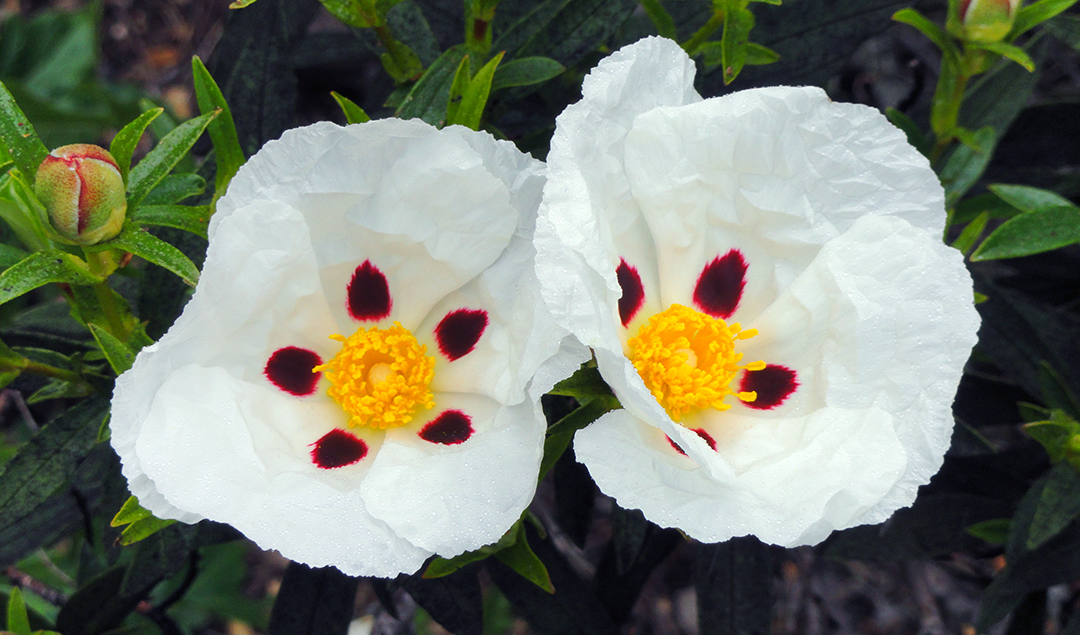
Building a Unique and Memorable Brand Narrative
A well-crafted fragrance is more than just a pleasant smell; it’s a story. Labdanum, with its rich history and complex aromatic profile, can serve as the narrative core for a brand. For example, a brand aiming for an image of rugged, natural elegance might lean into the earthy and leathery aspects of labdanum, complemented by woody or smoky notes, to tell a story of adventure and authenticity. Conversely, a luxury brand seeking to convey opulence and sensuality could highlight the ambery and balsamic qualities of labdanum, pairing it with sweet spices or floral notes to create an aura of sophisticated indulgence. By carefully selecting and integrating labdanum into their olfactory branding, companies can create a signature scent that is not only distinctive but also deeply resonant with their brand values and target audience, ensuring it lingers in the minds of consumers long after their interaction.
aViewFromTheCave is a participant in the Amazon Services LLC Associates Program, an affiliate advertising program designed to provide a means for sites to earn advertising fees by advertising and linking to Amazon.com. Amazon, the Amazon logo, AmazonSupply, and the AmazonSupply logo are trademarks of Amazon.com, Inc. or its affiliates. As an Amazon Associate we earn affiliate commissions from qualifying purchases.