
The sight of blood in your puppy’s stool is undeniably alarming. As a responsible pet owner, your immediate reaction is likely one of concern and a desperate need for answers. While it’s crucial to consult your veterinarian promptly for a definitive diagnosis, understanding the potential causes behind this distressing symptom can empower you to have a more informed conversation with your vet and potentially alleviate some of your anxiety. This article will delve into the common reasons why a puppy might have bloody stools, exploring the various underlying issues that could be at play.

Understanding the Spectrum of Causes
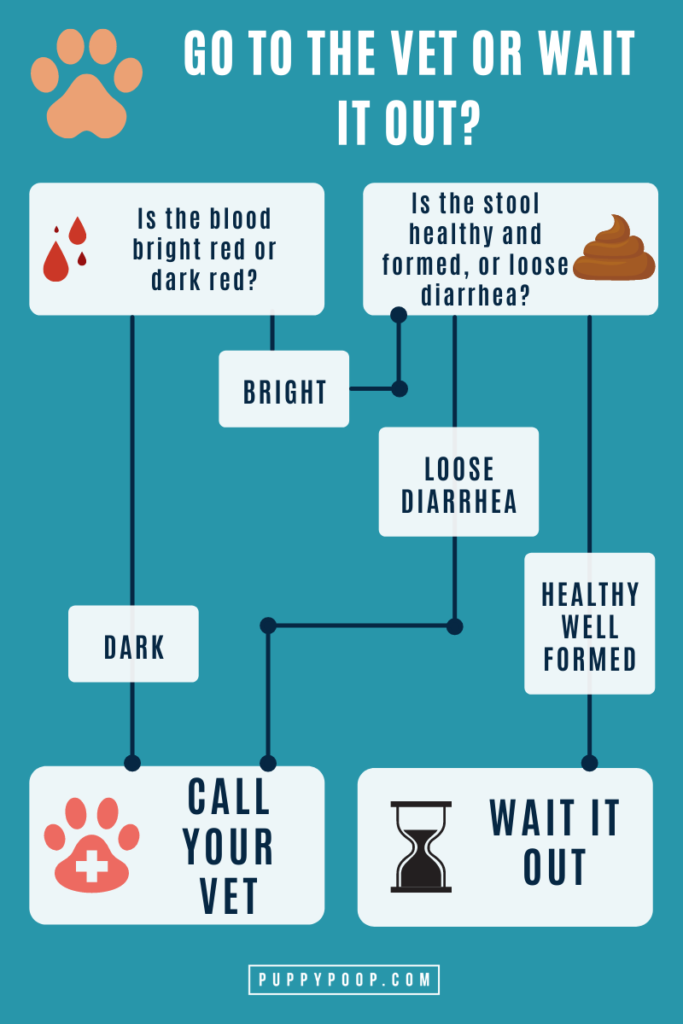
Bloody stools in puppies can range from relatively minor irritations to serious medical emergencies. The color and consistency of the blood can offer initial clues. Bright red blood, often described as “hematochezia,” typically indicates bleeding lower down in the gastrointestinal tract, such as in the colon or rectum. Darker, tarry stools, known as “melena,” suggest bleeding higher up in the digestive system, where the blood has been partially digested. However, it is essential to remember that these are general indicators, and a veterinarian’s diagnosis is paramount.
Gastrointestinal Irritations and Infections
One of the most frequent culprits behind bloody stools in puppies is a simple upset stomach. Puppies, with their curious natures, often ingest things they shouldn’t. This can include foreign objects, spoiled food, or even non-food items like small toys or pieces of fabric. The irritation caused by these ingested materials can lead to inflammation of the intestinal lining, resulting in bleeding.
Dietary Indiscretions and Sudden Diet Changes
A puppy’s digestive system is still developing and can be sensitive to changes. Suddenly switching your puppy’s food without a proper transition period can disrupt the delicate balance of their gut flora, leading to diarrhea and potentially blood. Similarly, if your puppy gets into the trash or scavenges for discarded food, the sudden intake of rich, fatty, or spoiled substances can trigger a severe gastrointestinal upset.
Viral and Bacterial Infections
Puppies are particularly vulnerable to various infectious agents that can wreak havoc on their digestive systems. Parvovirus is a highly contagious and potentially fatal disease that often presents with severe bloody diarrhea, vomiting, and lethargy. Other viral infections, such as rotavirus or coronavirus, can also cause gastrointestinal distress. Bacterial infections, like those caused by Salmonella or Campylobacter, are another common cause of bloody stools, especially if your puppy has ingested contaminated food or water, or has come into contact with infected animals.
Parasitic Infestations
Intestinal parasites are a significant concern in puppies, and many of them can lead to bloody stools. Puppies often contract parasites from their mothers or from their environment.
Common Intestinal Worms
Roundworms, hookworms, and whipworms are among the most prevalent intestinal parasites found in puppies. Hookworms, in particular, are known to attach to the intestinal wall and feed on blood, leading to anemia and the presence of blood in the stool. Heavy infestations of other worms can also cause significant irritation and bleeding.
Protozoal Infections
Giardia and Coccidia are single-celled protozoan parasites that can infect a puppy’s intestines. These microscopic organisms can cause inflammation, damage to the intestinal lining, and profuse diarrhea, which can sometimes contain blood. These infections are common in puppies housed in group settings, such as shelters or breeding facilities, due to their ease of transmission.
Allergic Reactions and Food Sensitivities
Just like humans, puppies can develop allergies or sensitivities to certain ingredients in their food. When a puppy consumes something they are allergic to, their immune system overreacts, leading to inflammation in the gut. This inflammation can manifest as diarrhea, vomiting, and, in more severe cases, bloody stools.
Identifying Potential Allergens
Common food allergens in dogs include proteins like chicken, beef, dairy, and soy. Some puppies may also react to certain grains or artificial additives. If your puppy experiences recurring digestive issues, including bloody stools, a veterinarian may recommend an elimination diet to help pinpoint the offending ingredient. This involves feeding a novel protein and carbohydrate source for a period to see if the symptoms resolve, then gradually reintroducing other ingredients to identify the trigger.
More Serious Underlying Conditions
While many causes of bloody stools are treatable, some indicate more serious health issues that require immediate veterinary intervention.

Hemorrhagic Gastroenteritis (HGE)
Hemorrhagic Gastroenteritis (HGE), now often referred to as Acute Hemorrhagic Diarrhea Syndrome (AHDS), is a sudden and severe condition characterized by the eruption of large amounts of blood in the stool, often described as looking like raspberry jam. The exact cause of HGE is not always clear, but it is thought to be related to a bacterial overgrowth in the intestines or an immune-mediated response. This condition can lead to rapid dehydration and shock and is a medical emergency.
Intussusception
Intussusception is a life-threatening condition where a portion of the intestine telescopes into an adjacent part of the intestine. This blockage prevents the normal passage of food and fluids and can cut off blood supply to the affected area, leading to tissue death and bleeding. It is more common in young puppies and can be caused by parasites, viral infections, or foreign body ingestion that stimulates abnormal intestinal contractions. Symptoms include severe abdominal pain, vomiting, lethargy, and bloody diarrhea.
Ingested Foreign Bodies
As mentioned earlier, puppies have a tendency to chew and swallow non-food items. Sharp objects, such as pieces of bone, glass, or plastic, can cause direct trauma to the intestinal lining, leading to tearing and bleeding. Even non-sharp objects that become lodged in the digestive tract can cause obstruction and inflammation, resulting in blood in the stool.
Toxin Ingestion
Certain toxins can severely damage the gastrointestinal tract and cause bleeding. Ingesting rat poison, for example, which often contains anticoagulants, can lead to internal bleeding, including in the digestive system. Other household chemicals or toxic plants can also cause severe gastrointestinal irritation and bleeding.
When to Seek Veterinary Care
The presence of blood in your puppy’s stool is always a cause for concern and warrants prompt veterinary attention. While you wait for your appointment, observe your puppy closely for other symptoms, such as lethargy, vomiting, loss of appetite, fever, or signs of pain.
Immediate Veterinary Intervention Required
Do not delay seeking veterinary care if you observe any of the following:
- Large amounts of bright red blood: This could indicate significant bleeding.
- Tarry, black stools (melena): This suggests bleeding higher up in the digestive tract.
- Vomiting, especially if it contains blood.
- Severe lethargy or weakness.
- Signs of abdominal pain or discomfort.
- Dehydration (e.g., dry gums, sunken eyes, loss of skin elasticity).
- If your puppy has a known history of ingesting a foreign object or toxin.
The Veterinary Diagnostic Process
Your veterinarian will perform a thorough physical examination, ask detailed questions about your puppy’s history, diet, and behavior, and may recommend several diagnostic tests. These can include:
- Fecal Examination: To check for the presence of intestinal parasites and their eggs.
- Blood Work (Complete Blood Count and Chemistry Panel): To assess overall health, check for anemia, infection, and organ function.
- Radiographs (X-rays): To identify the presence of foreign objects or signs of obstruction.
- Ultrasound: To visualize internal organs and detect abnormalities.
- Blood Coagulation Tests: To rule out clotting disorders.
The specific tests performed will depend on your puppy’s overall condition and the veterinarian’s initial assessment.
Treatment and Prognosis
Treatment will depend entirely on the underlying cause. If parasites are identified, deworming medication will be prescribed. For bacterial infections, antibiotics may be necessary. Dietary changes and probiotics can help with digestive upset and sensitivities. In cases of foreign body ingestion, surgery may be required to remove the object. Severe cases of HGE or intussusception will require intensive supportive care, including fluid therapy and potentially surgery.
The prognosis for puppies with bloody stools varies widely depending on the cause. With prompt diagnosis and appropriate treatment, many puppies make a full recovery. However, some conditions, like severe parvovirus or intussusception, can be life-threatening, emphasizing the importance of immediate veterinary care.
Prevention and Ongoing Care
Preventing bloody stools often involves responsible pet ownership practices. This includes maintaining a regular deworming schedule as recommended by your veterinarian, keeping your puppy away from potential toxins and choking hazards, feeding a high-quality, balanced diet, and avoiding sudden diet changes. Vaccinations are crucial in protecting your puppy against infectious diseases like parvovirus. Regular veterinary check-ups are essential for early detection and management of any health issues.
In conclusion, while the appearance of blood in your puppy’s stool is a worrying sign, it is not always an immediate emergency. However, it is always a signal that something is amiss and requires professional evaluation. By understanding the potential causes and knowing when to seek help, you can provide your beloved puppy with the best possible care and ensure their swift return to health and happiness.
aViewFromTheCave is a participant in the Amazon Services LLC Associates Program, an affiliate advertising program designed to provide a means for sites to earn advertising fees by advertising and linking to Amazon.com. Amazon, the Amazon logo, AmazonSupply, and the AmazonSupply logo are trademarks of Amazon.com, Inc. or its affiliates. As an Amazon Associate we earn affiliate commissions from qualifying purchases.