
In the world of personal and business finance, terminology often serves as a barrier to true financial literacy. One of the most common, yet frequently misunderstood, terms is “paying in arrears.” While the phrase might sound archaic or even slightly ominous—evoking images of debt and overdue notices—it is actually a standard operational procedure for many of the world’s most successful businesses and a foundational concept in accounting.
Broadly speaking, paying in arrears refers to the practice of paying for a service or a product after it has been received or completed. However, the term carries a dual meaning: it can describe a routine, agreed-upon payment schedule, or it can refer to missed payments that have become delinquent. Understanding the nuance between these two definitions is critical for business owners, employees, and individual consumers alike. This guide explores the mechanics of paying in arrears, its role in payroll and business operations, and how it impacts your overall financial health.
The Fundamental Definition: Deciphering “In Arrears”
To understand what it means to pay in arrears, one must first look at the timeline of a transaction. In most retail environments, we are accustomed to “advance payments.” When you buy a coffee or a laptop, you pay before you consume the product. Paying in arrears flips this script.
Arrears as a Standard Payment Schedule
In a professional and business context, paying in arrears is often a contractual agreement. It means that the payment is made at the end of a specific period to cover the services or goods provided during that period. For example, if you receive a utility bill in February for the electricity you used in January, you are paying in arrears. This is not a sign of financial distress; it is simply how the billing cycle is structured to ensure accuracy.
Arrears as Delinquency
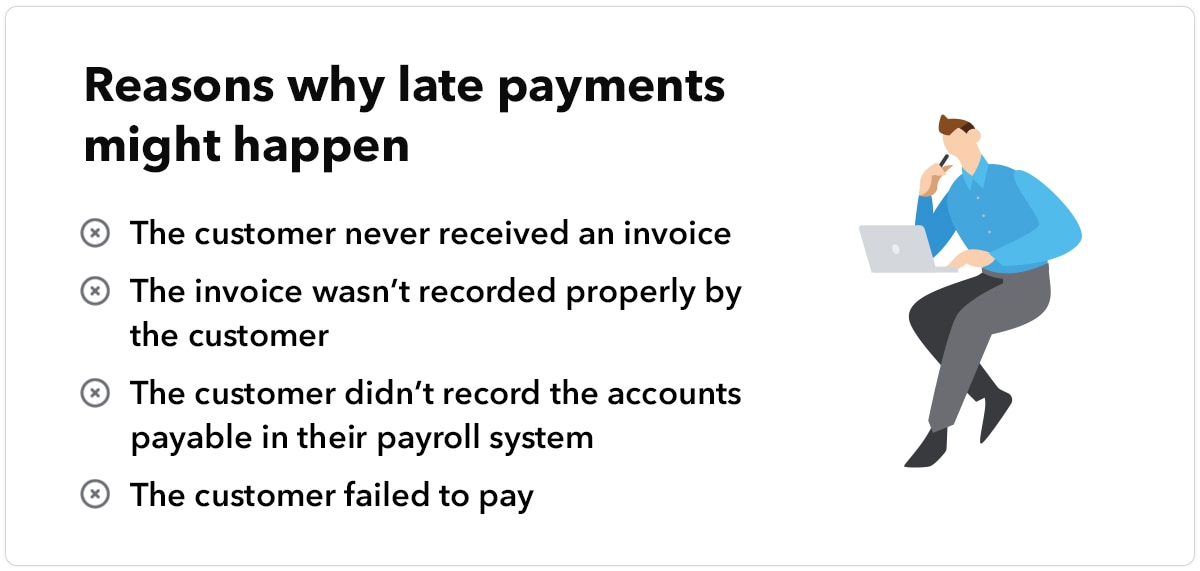
The second, more negative meaning of the term refers to being “behind” on payments. If a small business owner fails to pay their rent on the first of the month as required by their lease, they are said to be “in arrears” once the deadline passes. In this context, the term is synonymous with debt or default. It is essential to distinguish between these two meanings based on the context of the conversation—one is a strategy, while the other is a risk.
Arrears vs. Advance Payments
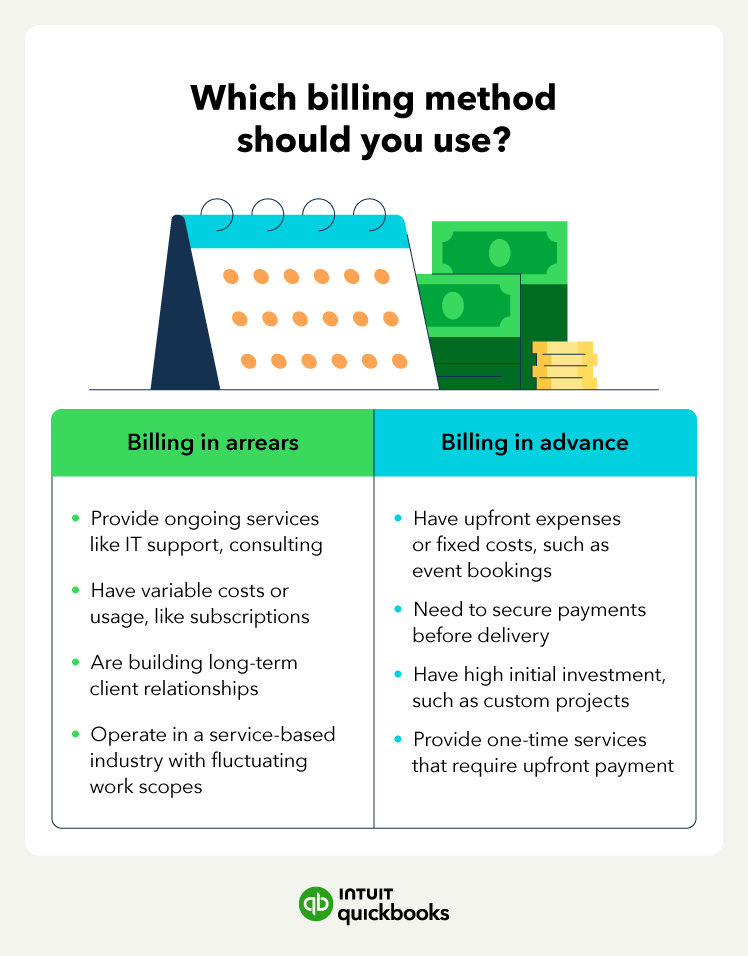
The choice between paying in arrears or in advance often comes down to the nature of the service. Advance payments (often called “pre-payments”) provide security for the seller, ensuring they have the capital needed to fulfill an order. Arrears, on the other hand, favor the buyer, allowing them to verify the quality of the work or the exact quantity of a resource consumed before parting with their cash.
Payroll in Arrears: The Corporate Standard
Perhaps the most common encounter an individual has with arrears is through their paycheck. If you have ever started a new job and noticed that you didn’t receive your first paycheck until three weeks after your start date, you were being paid in arrears.
The Mechanism of Arrears Payroll
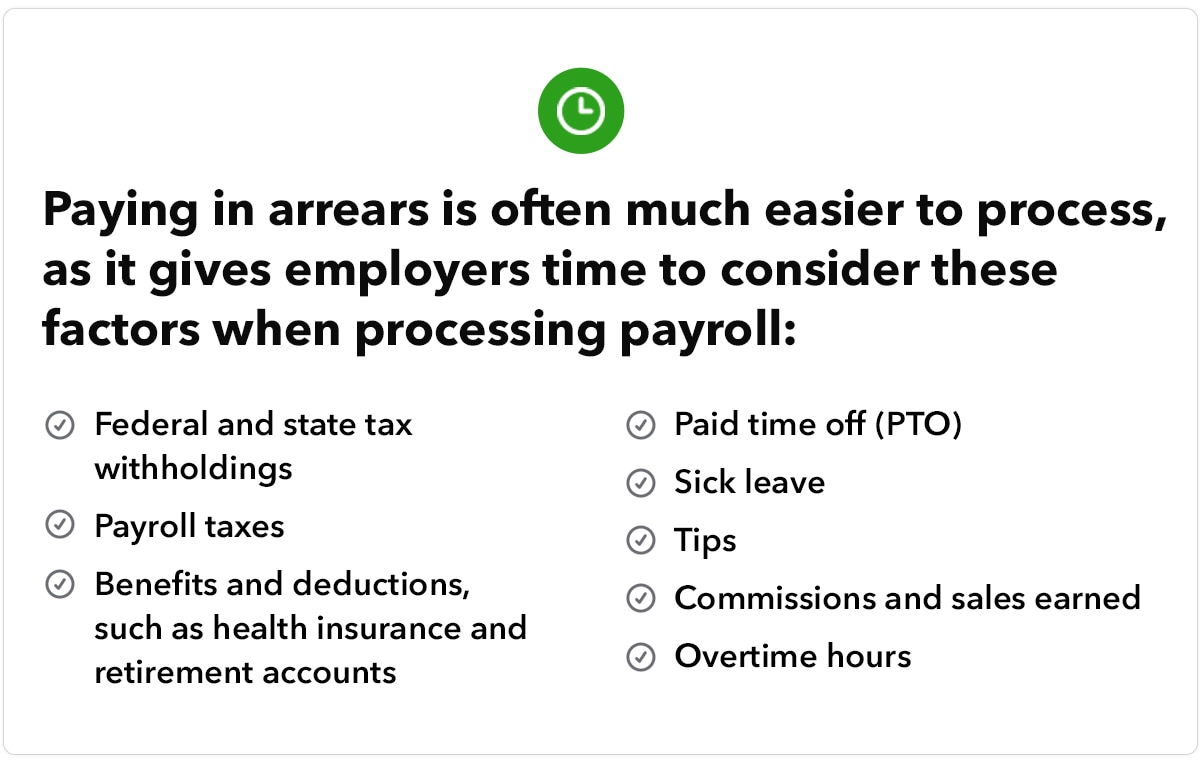
Most companies operate on a delayed payroll cycle. In this system, the “pay period” (the days you actually worked) and the “pay date” (the day you get the money) do not overlap. For instance, if a company has a bi-weekly pay cycle, an employee might work from the 1st to the 15th of the month, but not receive the payment for those days until the 22nd. This one-week gap allows the payroll department to calculate taxes, overtime, bonuses, and withholdings accurately.
Benefits for the Employer
From a business finance perspective, paying payroll in arrears is a matter of administrative necessity. Calculating the precise amount owed to an employee—especially those with fluctuating hours or commission-based pay—is nearly impossible to do in real-time. By paying in arrears, the employer ensures that the books are balanced and that they aren’t overpaying or underpaying their staff based on estimates.
Implications for the Employee
For the employee, the primary challenge of arrears payroll is the “waiting period” when starting a new role. However, once the cycle is established, the cash flow becomes predictable. A significant benefit occurs when an employee leaves the company: because they are paid in arrears, they will typically receive one final paycheck a week or two after their last day of work, covering the final days they spent on the clock.
Business Finance and Vendor Management
Beyond payroll, paying in arrears is a strategic tool used in business-to-business (B2B) transactions to manage cash flow and ensure quality control.
Accounts Payable and Accrual Accounting
In corporate accounting, the practice of paying in arrears is closely tied to the “matching principle” of accrual accounting. This principle dictates that expenses should be recorded in the same period as the revenues they help generate. When a business receives raw materials in June but pays for them in July (paying in arrears), the accounting department records the expense in June to accurately reflect the cost of goods sold during that month.
Strengthening Cash Flow Position
Strategic use of arrears can significantly improve a company’s “Days Payable Outstanding” (DPO). By negotiating terms that allow for payment 30, 60, or even 90 days after service delivery (often referred to as Net-30 or Net-60 terms), a business can keep cash in its own accounts longer. This liquidity can be used for other investments, emergency repairs, or scaling operations before the bill finally comes due.
Risk Management and Quality Assurance
Paying in arrears serves as a form of leverage. For service-based contracts—such as hiring a marketing agency or a construction firm—paying after milestones are met ensures that the vendor remains committed to the quality of the output. If the work is substandard, the buyer has the right to dispute the invoice before the funds have left their account, providing a layer of protection that advance payments do not offer.
When Arrears Becomes Negative: Debt and Delinquency
While paying in arrears is often a planned financial structure, it can also signal a breakdown in financial health when it refers to missed obligations. In the world of personal finance and lending, being “in arrears” is a red flag for creditors.
Credit Scores and Delinquent Accounts
When a borrower fails to make a scheduled payment on a credit card, auto loan, or personal loan, the account enters a state of arrears. Most financial institutions allow a short grace period, but once a payment is significantly late (usually 30 days), it is reported to credit bureaus. This type of arrears can lead to a sharp decline in credit scores, making it more expensive to borrow money in the future.
Mortgage and Rent Arrears
Perhaps the most high-stakes form of arrears involves housing. Mortgage interest is typically paid in arrears; your February 1st payment actually covers the interest accrued during the month of January. However, if you miss that February payment, you are “in arrears” on the loan. Rent arrears are similarly dangerous, as they can lead to eviction proceedings. In these cases, “arrears” represents a cumulative debt that must be settled to retain housing security.
Navigating Arrears During Financial Hardship
If an individual or business finds themselves in arrears due to a lack of funds, communication is the most effective tool. Many creditors prefer to negotiate a payment plan—essentially restructuring the arrears—rather than dealing with the costs of collections or legal action. Proactive management can prevent “planned arrears” from spiraling into “delinquent arrears.”
Best Practices for Managing Arrears Payments
Whether you are a business owner managing vendors or an individual managing a household budget, mastering the flow of arrears payments is essential for long-term stability.
1. Maintain a Cash Buffer
Because arrears billing means you are paying for the past using today’s money, it can create a false sense of wealth. A business might look at a high bank balance and feel successful, forgetting that they owe thousands in “arrears” to vendors and employees. Maintaining a dedicated reserve for these upcoming liabilities is the hallmark of a disciplined financial strategy.
2. Use Automated Financial Tools
Modern accounting software and personal finance apps are designed to track “accrued expenses.” By using these tools, you can see your “real” net worth by subtracting your upcoming arrears payments from your current balance. For businesses, tools like QuickBooks or Xero automate the tracking of accounts payable, ensuring that no vendor is paid so late that it damages the professional relationship.
3. Review Contracts Diligently
Before signing a service agreement, identify the payment timing. Is it in advance or in arrears? If it is in arrears, clarify the specific “Net” terms. Negotiating longer payment windows (moving from Net-15 to Net-30) can provide your business with more breathing room, while understanding the late fees associated with arrears can prevent unnecessary costs.
4. Distinguish Between “Paid” and “Due”
In your internal ledger, always distinguish between an invoice that has been received (current liability) and one that is overdue (delinquent arrears). This distinction allows you to prioritize payments that affect your credit score or essential services while managing lower-priority vendor payments strategically.
Conclusion
Paying in arrears is a double-edged sword of the financial world. When used as a structured billing method, it is a sophisticated tool for maintaining accuracy in payroll, protecting buyers in service contracts, and optimizing corporate cash flow. It allows the economy to move smoothly by ensuring that payments are matched to the value actually received.
However, when “arrears” describes a failure to meet obligations, it becomes a symptom of financial instability that can lead to credit damage and legal complications. By understanding the mechanics of these cycles and maintaining a proactive approach to cash management, individuals and businesses can leverage the benefits of arrears while avoiding the pitfalls of delinquency. In the end, financial success isn’t just about how much money you make—it’s about understanding the timing and the terms of how that money moves.
aViewFromTheCave is a participant in the Amazon Services LLC Associates Program, an affiliate advertising program designed to provide a means for sites to earn advertising fees by advertising and linking to Amazon.com. Amazon, the Amazon logo, AmazonSupply, and the AmazonSupply logo are trademarks of Amazon.com, Inc. or its affiliates. As an Amazon Associate we earn affiliate commissions from qualifying purchases.