
The internet, a vast and ever-evolving ecosystem, is a fertile ground for cultural phenomena. Among the most enduring and universally recognized is the “Rickroll.” But what exactly does it mean to get Rickrolled? It’s more than just a fleeting internet joke; it’s a digital prank with roots in early internet culture that, when viewed through the lens of our core website topics – Tech, Brand, and Money – offers a fascinating glimpse into human behavior, the power of digital interaction, and even the underlying economics of online attention.
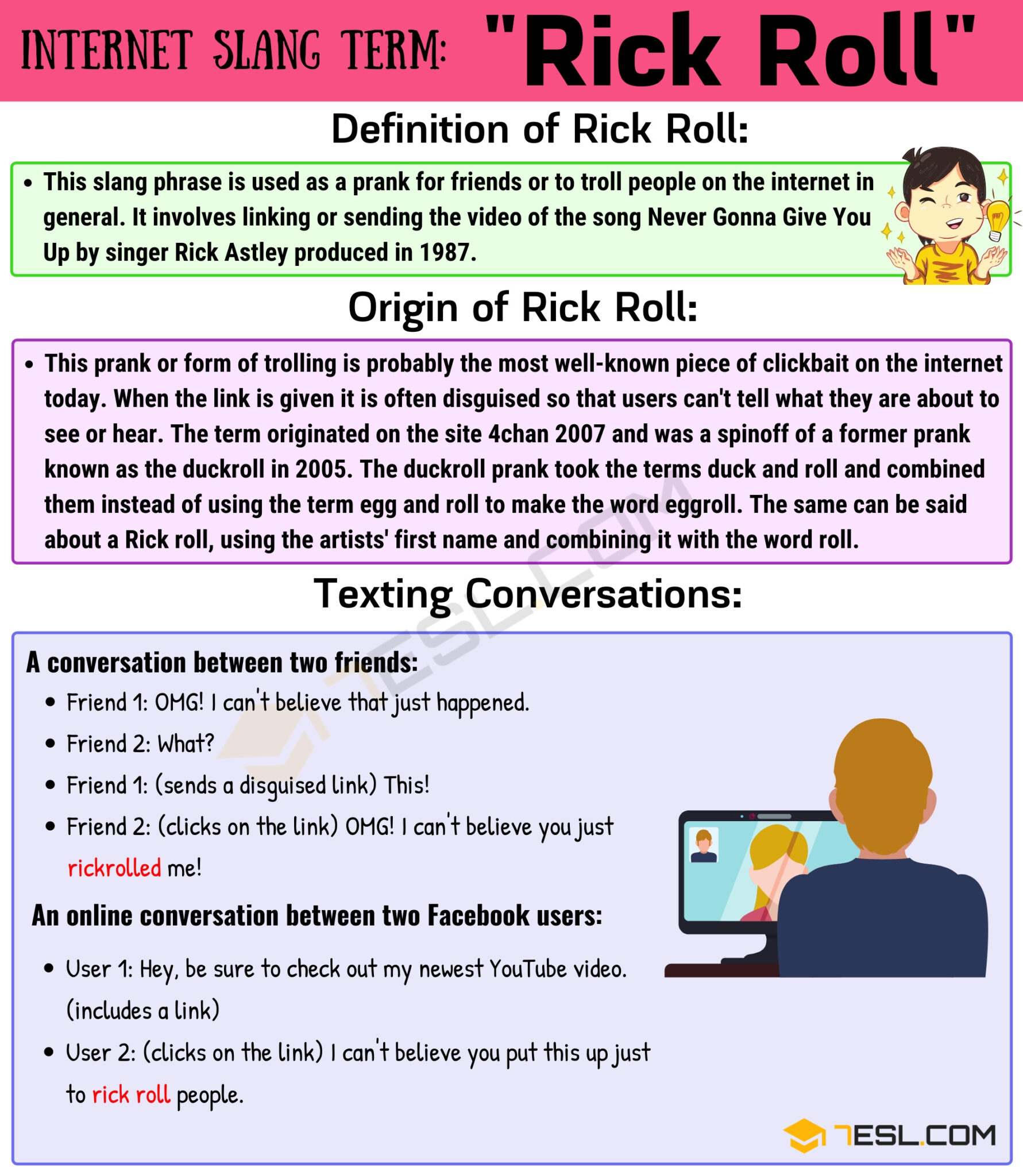
At its heart, getting Rickrolled is the experience of being tricked into clicking a hyperlink that, instead of leading to the content promised, redirects you to the music video for Rick Astley’s 1987 hit song, “Never Gonna Give You Up.” It’s a bait-and-switch, a digital prank that plays on expectations and delivers a dose of nostalgic pop culture. But the implications stretch far beyond a simple misdirection.
The Genesis of a Digital Phenomenon: Tech, Pranks, and Early Internet Culture
The origins of the Rickroll can be traced back to the early 2000s, a period when internet forums and online communities were truly finding their footing. This era was characterized by a more experimental and, frankly, often more playful approach to online interaction. The technology was rapidly advancing, opening up new avenues for communication and, inevitably, for mischief.
From Duckroll to Rickroll: The Evolution of the Bait-and-Switch
The precursor to the Rickroll was the “duckroll.” This prank, popularized on sites like 4chan, involved linking to an image of a duck on wheels. The idea was simple: present a seemingly innocuous link, and when clicked, reveal something unexpected and often silly. This established a fundamental principle of early internet pranks: subverting user expectations through the manipulation of hyperlinks.
The transition to Rick Astley’s song was almost accidental, yet remarkably effective. When the internet was still a relatively new frontier, and music videos were becoming more accessible online, the juxtaposition of a seemingly serious or relevant link leading to an upbeat, somewhat cheesy 80s pop anthem was inherently humorous. The song itself, with its earnest delivery and catchy chorus, became an integral part of the joke’s charm. It was wholesome, recognizable, and undeniably anachronistic in many contexts, making the surprise all the more potent.
The technology facilitating this prank was relatively simple: hyperlinking. Early web developers and users understood the power of a clickable link to direct traffic. The Rickroll weaponized this basic functionality for comedic effect. The ease with which it could be implemented – a simple <a> tag in HTML – meant that anyone with a basic understanding of web pages could participate. This accessibility was key to its widespread adoption and viral spread.
The Psychology of Surprise and Humor
At its core, the Rickroll taps into fundamental psychological principles. Surprise, when benign, is often a source of amusement. The unexpected shift in content creates a moment of cognitive dissonance, followed by the realization of the prank, leading to laughter or at least a groan of recognition. This is amplified by the shared understanding of the meme; knowing that you’ve been “gotten” by something so widely known adds another layer to the humor.
The humor also stems from the subversion of authority and expectation. Often, Rickrolls were used to derail serious discussions or to trick people into clicking links on official-looking websites. This inherent defiance of order, even in a digital space, appealed to a sense of rebellion and mischievousness that is prevalent in many online communities.
The Brand of the Rickroll: Memes, Identity, and Digital Reputation
The Rickroll is not just a prank; it has evolved into a distinct digital brand. Its recognizability, its association with a specific action (being tricked), and its enduring appeal have cemented its place in internet culture. When we consider the “Brand” aspects of our website’s focus, the Rickroll offers compelling case studies.
Building a Digital Identity Through a Viral Meme

For some, the act of Rickrolling or being Rickrolled becomes part of their online persona. It’s a badge of honor, a sign of being “in the know” about internet culture. Successfully executing a well-timed Rickroll can enhance one’s reputation within a community as someone witty and knowledgeable about online trends. Conversely, consistently falling for Rickrolls might lead to a playful, self-deprecating online identity.
The song itself, “Never Gonna Give You Up,” has experienced a massive resurgence in popularity thanks to the meme. Rick Astley, the artist, has in many ways become synonymous with the Rickroll. This demonstrates how a piece of intellectual property can be recontextualized and gain new life through viral marketing – albeit unintentional in its origin. Astley himself has embraced the meme, further solidifying its brand. This is a powerful example of personal branding – how an individual can become inextricably linked to a cultural phenomenon.
The Corporate Identity and the Rickroll: Navigating Online Reputation
For businesses and organizations, the Rickroll presents a delicate balance. On one hand, acknowledging or even subtly referencing the Rickroll can be a way to appear relatable and in touch with internet culture. This can be a positive aspect of corporate identity and digital reputation. Many companies have, at various times, playfully incorporated Rick Astley’s song into their marketing or customer service interactions, often to positive reception. It’s a calculated risk that can pay off in terms of goodwill and increased engagement.
However, a poorly executed or ill-timed Rickroll can be detrimental. If a company attempts to use the meme in a way that feels inauthentic, or if it’s perceived as condescending or spammy, it can backfire, damaging their reputation. The key lies in understanding the context and audience. A tech company might use it in a humorous tutorial, while a financial institution might steer clear of it altogether. The case studies of brands that have successfully navigated this meme are often those that have a strong understanding of their audience and a willingness to embrace playful, self-aware humor.
The principles of marketing are clearly at play here. The Rickroll, through its organic viral spread, achieved a level of brand recognition that many traditional marketing campaigns strive for. It demonstrates the power of user-generated content and community engagement in building brand awareness.
The Money Behind the Meme: Attention, Virality, and Monetization
While the Rickroll is primarily about humor and pranks, it has undeniable connections to the economic principles that underpin the digital world, particularly concerning attention and monetization.
The Economics of Attention and Clickbait
The very nature of the Rickroll is a masterclass in clickbait, albeit a benevolent one. It plays on the fundamental human desire to know what’s behind a link. In the digital economy, attention is a valuable commodity. Websites, advertisers, and content creators all vie for it. The Rickroll, by expertly manipulating this, highlights the power of generating clicks.
The revenue models of many online platforms are directly tied to the number of views, clicks, and engagement they receive. A successful Rickroll, by driving traffic to a platform (even if it’s just a YouTube video), indirectly contributes to the metrics that these platforms use to attract advertisers. While the person performing the Rickroll isn’t typically directly monetizing the prank itself, they are participating in a system where attention is a key driver of economic activity.

Monetizing Nostalgia and Viral Content
Rick Astley himself has, in a way, benefited financially from the Rickroll. The resurgence of interest in “Never Gonna Give You Up” has undoubtedly led to increased streams, sales, and licensing opportunities. This is an example of how online income can be generated, sometimes indirectly, from viral content. While Astley likely didn’t set out to create a meme, his intellectual property has found new economic life through it.
For content creators, understanding the principles of virality, as exemplified by the Rickroll, can be a valuable skill. Learning what makes content shareable, what captures attention, and how to leverage popular trends can contribute to online income through advertising revenue, sponsorships, or direct sales. While a direct “Rickroll business” isn’t feasible, the underlying mechanics of its success can be applied to broader digital marketing and content creation strategies.
The effectiveness of the Rickroll also underscores the value of personal finance principles applied to digital assets. Understanding how to leverage online presence, build an audience, and create engaging content can lead to various forms of online income and side hustles. The Rickroll, in its own quirky way, showcases the power of an unexpected digital asset (the song) being rediscovered and revalued by a new generation of internet users.
In conclusion, “getting Rickrolled” is a multifaceted experience. It’s a testament to the evolving nature of Tech and how it facilitates creative expression and, sometimes, mischief. It’s a fascinating study in Brand, demonstrating how a simple meme can become a global cultural phenomenon, influencing personal and corporate identities. And it touches upon the economic realities of the digital age, where Money is often inextricably linked to attention, virality, and the clever manipulation of online engagement. The next time you find yourself humming “Never Gonna Give You Up” after clicking a suspicious link, remember that you’re not just being pranked; you’re participating in a rich and ongoing chapter of internet history.
aViewFromTheCave is a participant in the Amazon Services LLC Associates Program, an affiliate advertising program designed to provide a means for sites to earn advertising fees by advertising and linking to Amazon.com. Amazon, the Amazon logo, AmazonSupply, and the AmazonSupply logo are trademarks of Amazon.com, Inc. or its affiliates. As an Amazon Associate we earn affiliate commissions from qualifying purchases.