
In the landscape of modern personal finance and corporate compensation, few terms carry as much weight—or cause as much confusion—as “vesting.” Whether you are a seasoned executive, a startup employee, or a professional just beginning your career, the concept of being “fully vested” is a critical milestone on the path to financial independence. At its core, being fully vested represents the transition from a promise of future wealth to the legal reality of absolute ownership.
Understanding the mechanics of vesting is essential for anyone participating in an employer-sponsored retirement plan, such as a 401(k), or receiving equity-based compensation like stock options. It is the invisible thread that ties your long-term financial security to your tenure at a company. This guide explores the intricate world of vesting, the different schedules you may encounter, and how achieving “fully vested” status impacts your overall net worth and career strategy.

Understanding the Concept of Vesting
Vesting is a legal term that refers to the process by which an employee earns the right to receive full ownership of employer-provided assets. In the context of money and finance, these assets typically take the form of retirement account contributions or company stock. While the money you contribute from your own paycheck is always yours, the “extra” money provided by your employer often comes with strings attached.
The Definition of Vesting and Ownership
In the financial world, vesting is essentially a waiting period. When you are “fully vested,” it means you have met the requirements—usually based on time served at a company—to own 100% of the funds or equity your employer has contributed to your name. Until that point, you may only own a portion of those assets, or perhaps none at all. If you leave the company before becoming fully vested, you forfeit the unvested portion of those funds, which then returns to the employer.
Why Companies Use Vesting Schedules
From a business finance perspective, vesting serves as a powerful retention tool, often referred to as “golden handcuffs.” Companies invest significant resources in hiring and training talent. By implementing a vesting schedule, they incentivize employees to remain with the organization for a set period. This reduces turnover costs and aligns the employee’s long-term interests with the company’s success. It ensures that the rewards of corporate growth are shared with those who contribute to that growth over a meaningful duration.
The Distinction Between Employee and Employer Contributions
It is vital to distinguish between your contributions and your employer’s contributions. Under federal law (specifically ERISA in the United States), any money you contribute to a 401(k) or 403(b) from your own salary is 100% vested immediately. You own that money from day one. Vesting schedules only apply to “matching” contributions or profit-sharing contributions made by the employer. Similarly, with stock options, the vesting schedule dictates when you actually have the right to exercise those options or sell the granted shares.
Types of Vesting Schedules
Not all vesting schedules are created equal. The structure of your vesting plan dictates how quickly you accrue ownership. Generally, there are three primary types of schedules used in the financial world.
Cliff Vesting: The All-or-Nothing Approach
Cliff vesting is a binary system. In this model, you gain 0% ownership until a specific date, at which point you suddenly become 100% vested. For example, a three-year cliff vesting schedule means that if you leave the company after two years and 364 days, you receive nothing from the employer’s contributions. However, once you hit the three-year anniversary, the “cliff” is cleared, and the entire balance becomes yours. This model is common in startup equity and some traditional pension plans.
Graded Vesting: Incremental Ownership
Graded vesting is a more gradual process that rewards longevity in stages. Under a graded schedule, your ownership percentage increases over time until you reach 100%. A common example is a five-year graded schedule where an employee becomes 20% vested after year two, 40% after year three, and so on, until reaching full vesting at the end of year six. This approach is often viewed as more equitable for employees, as it allows them to walk away with a portion of their benefits even if they do not stay for the entire duration.
Immediate Vesting: The Gold Standard
Some highly competitive companies offer immediate vesting. In this scenario, you are fully vested the moment the employer’s contribution hits your account. This is the most favorable arrangement for an employee, as it provides total portability of benefits. If you leave after six months, you take every penny of the employer match with you. While less common in high-turnover industries, it is a significant perk used to attract top-tier talent in the finance and tech sectors.
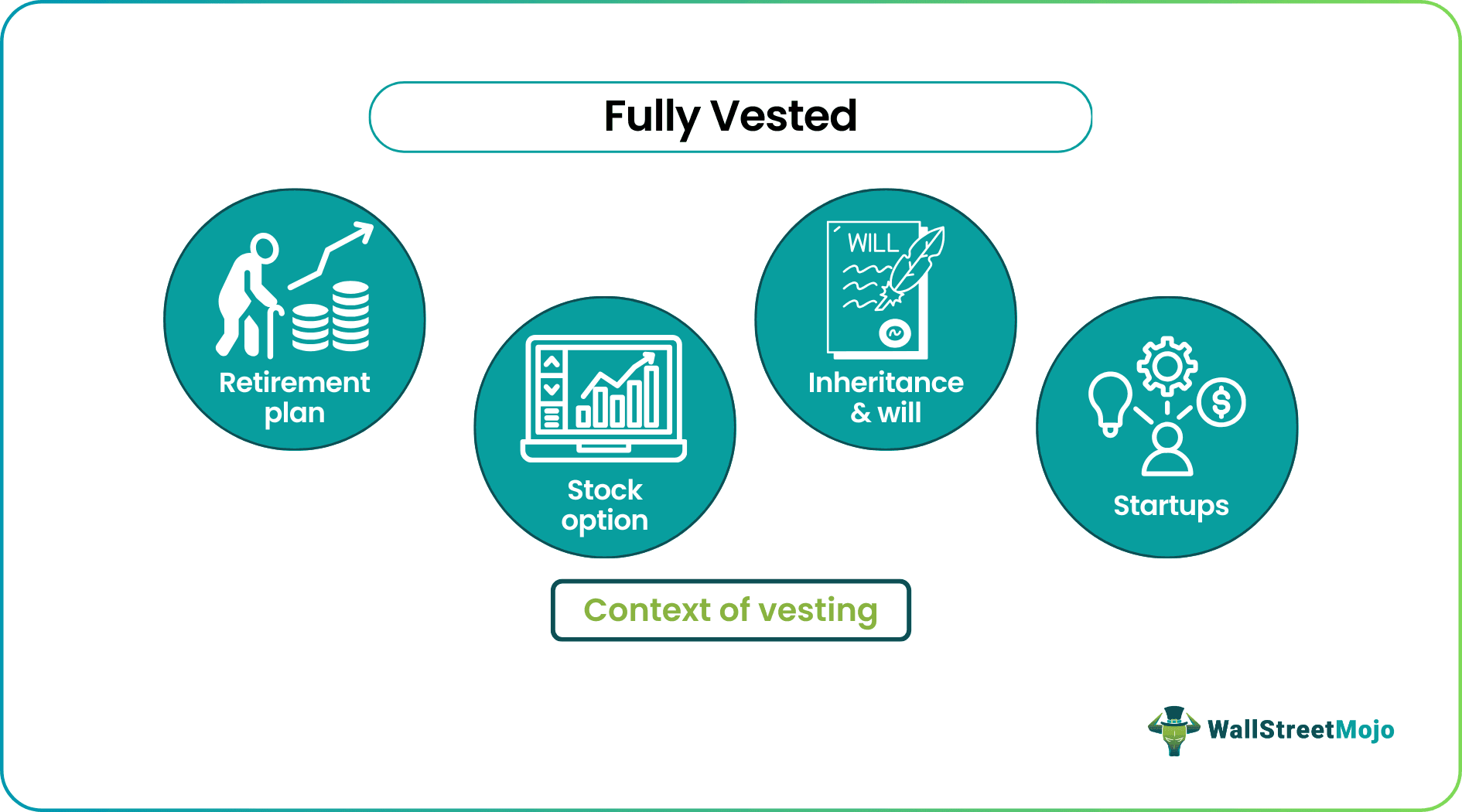
Vesting in Different Financial Contexts

While the concept of vesting remains the same, its application varies depending on the type of financial instrument involved. Understanding these nuances is key to managing your personal portfolio effectively.
401(k) and Employer Match Programs
For most professionals, the 401(k) match is their first encounter with vesting. If your employer offers a 50% match on your contributions up to a certain limit, that “match” is usually subject to a vesting schedule. Being fully vested in your 401(k) means that if you were to resign tomorrow, you could roll over the entire balance—your contributions plus all employer matches and the growth on both—into an Individual Retirement Account (IRA) without losing a cent.
Equity Compensation and Stock Options (ISO/NSO)
In the world of corporate finance, especially in public companies, stock options are a major component of total compensation. Incentive Stock Options (ISOs) and Non-Qualified Stock Options (NSOs) typically vest over four years, often with a one-year “cliff.” This means you earn nothing for the first year, but after twelve months, you vest 25% of the total grant, with the remainder vesting monthly or quarterly thereafter. Being fully vested in stock options gives you the right to “exercise” all your granted shares, allowing you to profit from the difference between the grant price and the market price.
Restricted Stock Units (RSUs) and Startup Environments
RSUs differ from options because they are an actual grant of shares rather than the right to buy shares. When RSUs vest, they are treated as taxable income, and the shares are yours to hold or sell. For startup employees, being fully vested is often the “exit goal.” If a company goes public or is acquired, only the vested shares translate into liquid wealth. Understanding the “liquidity events” in relation to your vesting status is a cornerstone of startup financial planning.
The Financial Impact of Being Fully Vested
Achieving full vesting is more than just a psychological win; it has tangible impacts on your net worth and your ability to make strategic life decisions.
Long-term Wealth Accumulation
The power of compounding is most effective when the principal amount is as large as possible. If you leave a job before being fully vested, you are essentially shrinking your retirement principal. Over twenty or thirty years, the loss of even a few thousand dollars in unvested employer matches can result in a six-figure difference in your final retirement nest egg. Being fully vested ensures that the full weight of your employer’s contributions is working for you.
Strategic Career Transitions and Job Hopping
In the modern economy, “job hopping” is often the fastest way to increase your salary. However, a savvy professional must calculate the “cost of leaving.” If you are 80% vested in a significant retirement balance or a large stock grant and are only six months away from being 100% vested, leaving for a new job might actually result in a net financial loss, even with a higher salary. Knowing your vesting status allows you to time your career moves to maximize your total payout.
Tax Implications of Vested Assets
Vesting is often a taxable event, particularly with RSUs and non-qualified plans. When you become vested in RSUs, the value of the shares at that moment is considered ordinary income. This can push you into a higher tax bracket for that year. Understanding when you will become fully vested allows you to work with a financial advisor to implement tax-loss harvesting or other strategies to mitigate the sudden influx of taxable wealth.
Strategic Considerations for Employees
To navigate the complexities of vesting, you must take an active role in managing your employment contracts and financial accounts.
How to Track Your Vesting Status
Most HR portals and brokerage platforms (like Fidelity, Vanguard, or Charles Schwab) provide a clear breakdown of “current balance” versus “vested balance.” It is a best practice to review these numbers annually. Keep a record of your original offer letter and the Summary Plan Description (SPD), which outlines the legal specifics of your vesting schedule.
Negotiating Vesting Terms During a Job Offer
While many large corporations have standardized vesting schedules, there is often room for negotiation in senior roles or at mid-sized firms. You might negotiate for “accelerated vesting” in the event of a company acquisition or a “shorter cliff” if you are bringing significant experience to the table. In the world of business finance, everything is a data point for negotiation.
Avoiding Common Vesting Pitfalls
The most common mistake employees make is failing to account for “forfeiture.” This occurs when an employee resigns or is terminated before reaching full vesting. Another pitfall is the “use it or lose it” nature of certain stock options, which may have an expiration date even after they are vested. Being fully vested is the goal, but maintaining awareness of the rules governing those assets is what ensures you actually keep the wealth you have earned.
In conclusion, being “fully vested” is a milestone that signifies your transition from an employee to a true owner of your financial future. It is the point where the promises made by your employer during the hiring process finally materialize as your personal property. By understanding the schedules, the types of assets involved, and the strategic timing of your career moves, you can ensure that you never leave money on the table and that every year of your professional life contributes fully to your long-term wealth.
aViewFromTheCave is a participant in the Amazon Services LLC Associates Program, an affiliate advertising program designed to provide a means for sites to earn advertising fees by advertising and linking to Amazon.com. Amazon, the Amazon logo, AmazonSupply, and the AmazonSupply logo are trademarks of Amazon.com, Inc. or its affiliates. As an Amazon Associate we earn affiliate commissions from qualifying purchases.