
The term “railfan” might conjure images of individuals with binoculars, meticulously cataloging train movements. While this is a component, the reality of railfanning is far richer, encompassing a diverse community united by a passion for railroads. This passion, however, is increasingly intertwined with the technological advancements that are shaping the industry. From sophisticated tracking software to high-definition digital recording equipment, technology has become an indispensable tool and an integral part of the modern railfan experience. Therefore, to understand what it truly means to be a railfan today, one must delve into the technological landscape that supports and enhances this unique hobby.

The Evolving Technological Toolkit of the Modern Railfan
The days of relying solely on printed timetables and the naked eye are largely behind us. Today’s railfan leverages a sophisticated array of technological tools to engage with their passion, transforming how they track, document, and share their experiences. This evolution has democratized access to information and broadened the scope of what is possible for enthusiasts.
Digital Tracking and Real-Time Data
The cornerstone of modern railfanning is access to real-time information. Gone are the days of waiting hours at a specific location hoping for a train’s arrival. The internet and advancements in mobile technology have given rise to a wealth of digital resources.
Online Tracking Platforms and Mobile Applications
Websites and mobile applications now offer live train tracking, drawing data from GPS transponders installed on locomotives and freight cars. Platforms like TrainOrders.com, Railfan.net, and various regional services provide interactive maps displaying the current location, speed, and sometimes even the type of rolling stock for trains across vast networks. These tools allow railfans to plan their outings with unprecedented precision, knowing exactly when and where to expect a particular train. This real-time data not only aids in photography and videography but also allows for a deeper understanding of railroad operations, including potential delays and their causes.
The Role of Radio Scanners and Digital Communications
While digital tracking provides broad overviews, radio scanners remain a vital tool for gaining granular insights into railroad communications. Railfans often monitor VHF/UHF radio frequencies used by railroads for communication between dispatchers, engineers, and conductors. Listening to these transmissions offers a direct window into the operational pulse of the railway, including train orders, track warrants, and operational updates. The advent of digital radio systems, however, has presented a new challenge and a new avenue for technological engagement. While some digital communications are encrypted or require specialized equipment to decode, the ongoing development of decoding technologies and open-source software means that even these more complex systems are becoming increasingly accessible to dedicated enthusiasts, further enriching their understanding of railway operations.
Advanced Documentation and Content Creation Tools
Capturing the essence of the railway experience has also been revolutionized by technology. From stunning photography to immersive videography, railfans are now equipped with tools that allow for professional-grade content creation.
High-Definition Photography and Videography Gear
Modern digital cameras, from high-end DSLRs and mirrorless systems to advanced smartphone cameras, enable railfans to capture breathtaking images and videos. Features like high frame rates, excellent low-light performance, and advanced image stabilization are crucial for capturing moving trains in various conditions. Drones have further expanded the creative possibilities, offering unique aerial perspectives of trains traversing landscapes, bridges, and tunnels. These tools allow for the creation of high-quality content that can be shared with a wider audience, fostering a sense of community and showcasing the beauty and power of rail transportation.
Editing Software and Digital Archiving
The digital realm extends beyond mere capture. Sophisticated photo and video editing software, such as Adobe Premiere Pro, Final Cut Pro, and DaVinci Resolve, allow railfans to transform raw footage into compelling narratives. These tools enable color correction, sound design, visual effects, and meticulous editing, elevating simple recordings into polished documentaries or dynamic short films. Furthermore, the digital nature of these creations necessitates robust archiving solutions. Cloud storage, external hard drives, and digital asset management systems ensure that these valuable records of railway history and operations are preserved for future generations. The ability to digitally organize, tag, and search vast archives of images and videos makes them accessible and useful for research and personal enjoyment.
Leveraging Technology for Enhanced Understanding and Community Engagement
Beyond mere observation and documentation, technology empowers railfans to deepen their understanding of railway operations and to connect with a global community of like-minded individuals.
The Data-Driven Railfan: Analytics and Operational Insight
The vast amounts of data generated by modern railways, and made accessible through various technological means, offer railfans the opportunity to become amateur analysts. By combining real-time tracking data with historical operational logs, weather patterns, and even economic indicators, railfans can begin to discern trends and gain a more profound understanding of the complexities of railway logistics.
Predictive Analysis and Operational Patterns

Some railfans use advanced spreadsheet software or even programmatic approaches to analyze train performance, identify bottlenecks in the network, or understand the factors influencing freight traffic. This analytical approach moves beyond simple observation, allowing for a more intellectual engagement with the subject matter. They might track the average speed of freight trains on a particular route, correlate this with the type of cargo, or even attempt to predict potential congestion points based on historical data. This data-driven perspective transforms the hobby from passive enjoyment to an active pursuit of knowledge.
Understanding the Digital Backbone of Rail Operations
Modern railroads are increasingly reliant on complex IT systems for everything from dispatching and scheduling to maintenance and safety. As railfans, understanding these digital systems provides a more holistic view of how railroads function. This might involve learning about the technologies behind positive train control (PTC), the use of sensors for predictive maintenance on rolling stock, or the digital infrastructure that manages vast freight yards. While not all railfans will become IT experts, a growing awareness and curiosity about these technological underpinnings are becoming a hallmark of the contemporary railfan.
Building a Digital Community and Sharing Knowledge
The internet has been a transformative force for railfanning, breaking down geographical barriers and fostering a vibrant online community. Technology facilitates not only individual engagement but also collective learning and shared experiences.
Online Forums, Social Media, and Content Platforms
Websites like Reddit, Facebook, and dedicated railfanning forums serve as hubs for discussion, information exchange, and the sharing of photos and videos. These platforms allow enthusiasts to ask questions, share sightings, seek advice on equipment, and even collaborate on projects. YouTube has become a dominant platform for sharing high-quality train videos, often accompanied by detailed descriptions and operational commentary. This digital sharing not only enriches the experience for the creator but also educates and inspires others, fostering a sense of shared passion and belonging.
Virtual Railfanning and Online Resources
For those unable to physically visit railway lines, virtual railfanning offers an immersive alternative. Live webcams strategically placed along popular routes provide real-time visual access to train movements. Furthermore, online archives of historical railway data, digitized photographs, and documentaries offer invaluable resources for research and learning. These digital resources ensure that the history and operations of railroads remain accessible and engaging for enthusiasts regardless of their location or physical capabilities.
The Future of Railfanning: Embracing Emerging Technologies
The technological evolution of railfanning is far from over. As new innovations emerge, the hobby will undoubtedly continue to adapt and expand.
Artificial Intelligence and Machine Learning in Rail Operations
The integration of Artificial Intelligence (AI) and Machine Learning (ML) into railway operations presents exciting future possibilities for railfans. AI is being used for predictive maintenance, optimizing train scheduling, and improving safety through advanced sensor analysis.
AI-Powered Analytics for Enthusiasts
While direct access to proprietary AI systems may be limited, the outputs of these systems will likely become more accessible. Railfans might one day leverage AI tools to analyze historical data for patterns, predict train movements with greater accuracy, or even identify optimal locations for photography based on predicted traffic flow and lighting conditions. Imagine an app that analyzes your past photo preferences and suggests upcoming train movements at locations with ideal photographic potential.
The Intersection of VR/AR and Railfanning
Virtual Reality (VR) and Augmented Reality (AR) technologies hold immense potential for immersive railfanning experiences. VR could allow enthusiasts to virtually “ride” in the cab of a locomotive, explore historical rail yards, or experience the thrill of watching trains from a virtual vantage point. AR could overlay real-time train data onto a live camera feed, providing an interactive and informative viewing experience. Imagine pointing your phone at a passing train and seeing its detailed specifications, route, and estimated arrival time at its destination appear overlaid on the screen.
The Growing Importance of Digital Ethics and Data Privacy
As railfanning becomes more technologically integrated, so too do the considerations surrounding digital ethics and data privacy. Understanding the source of data, respecting proprietary information, and engaging responsibly with online communities are increasingly important aspects of being a modern railfan. The responsible use of recording equipment, especially concerning private property and individuals, is also paramount.
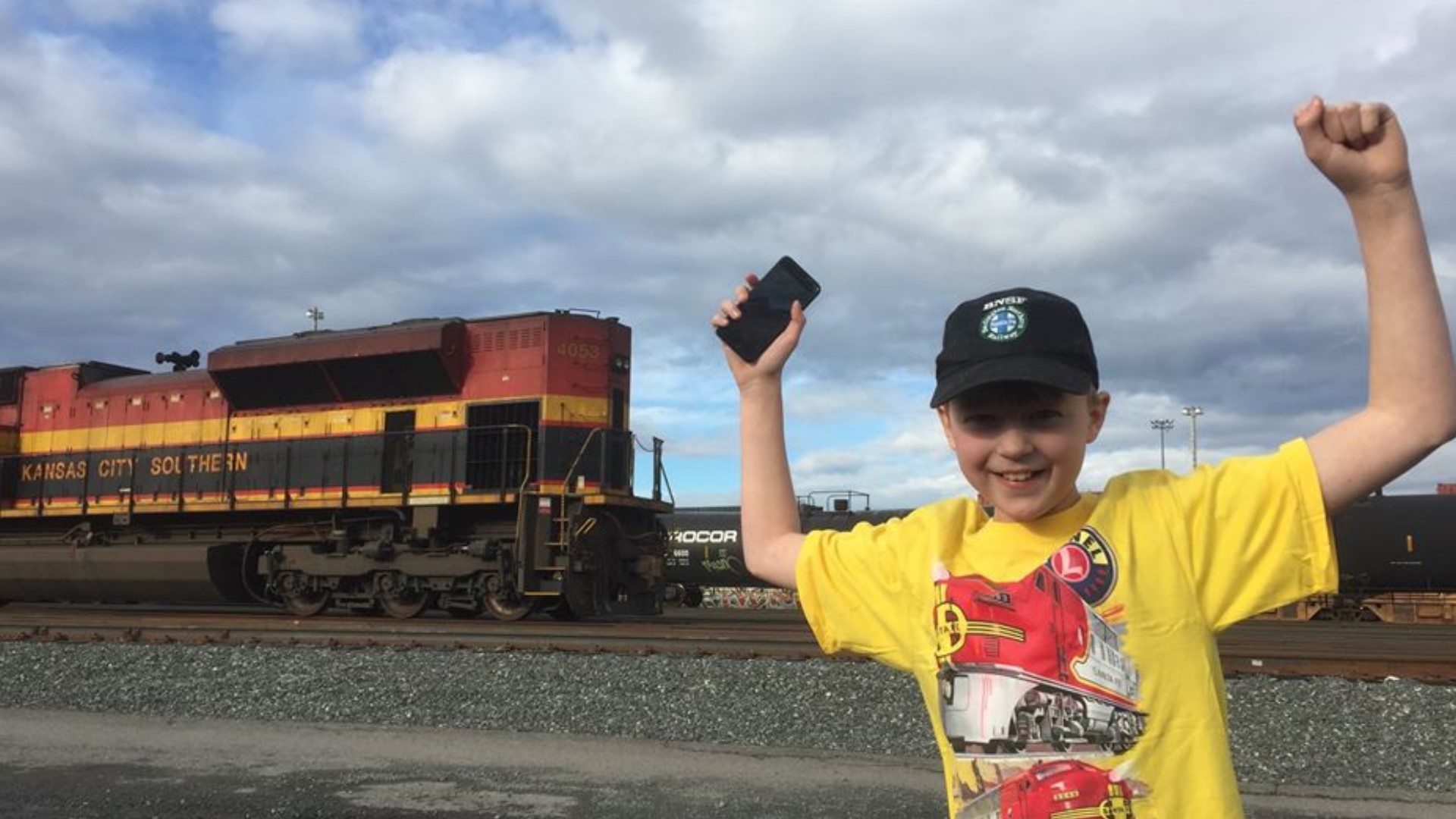
Conclusion: The Technologically Engaged Railfan
In conclusion, to be a railfan in the 21st century is to be a technologically engaged enthusiast. It is a journey that seamlessly blends a deep appreciation for the history and mechanics of railroads with an enthusiastic embrace of the digital tools that enhance every aspect of the hobby. From the convenience of real-time tracking and the precision of digital photography to the collaborative power of online communities and the exciting potential of future technologies, the modern railfan is at the forefront of a captivating intersection between a timeless passion and the ever-evolving digital world. This technological integration not only enriches the individual experience but also contributes to a broader understanding and appreciation of the vital role railways play in our society, captured, analyzed, and shared through the lens of innovation.
aViewFromTheCave is a participant in the Amazon Services LLC Associates Program, an affiliate advertising program designed to provide a means for sites to earn advertising fees by advertising and linking to Amazon.com. Amazon, the Amazon logo, AmazonSupply, and the AmazonSupply logo are trademarks of Amazon.com, Inc. or its affiliates. As an Amazon Associate we earn affiliate commissions from qualifying purchases.